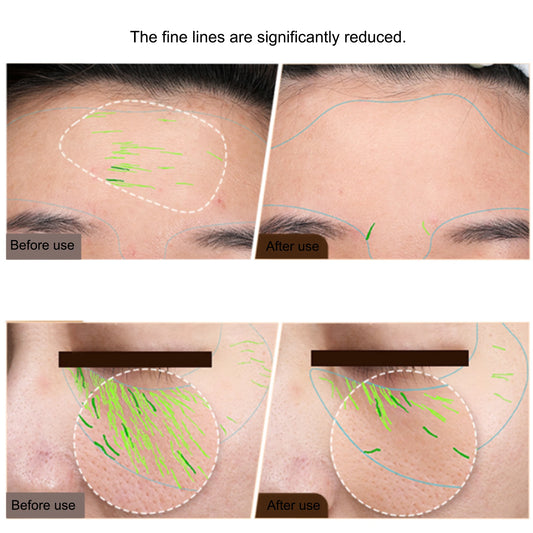
How to Use a Pimple Extractor Tool Safely and Effectively?
Using a pimple extractor tool properly can help remove blackheads without scarring or irritation. Below are the essential steps to follow how to use a pimple extractor tool for safe, clean results:
- Cleanse skin and sterilize tool with alcohol (70%+).
- Soften pores with warm steam or warm towel for 5–10 minutes.
- Use the loop end gently to press around the blackhead — avoid force.
- Disinfect area again; apply soothing toner or serum.
- Avoid extraction on inflamed cysts or active acne — leave to dermatologist.
How to Use a Blackhead Extractor Safely (Step-by-Step Guide for Clear Skin)
Blackheads can be frustrating, especially when squeezing them with your fingers leads to redness, irritation, or lingering marks. Learning how to use a blackhead extractor tool correctly can help remove clogged pores more safely while reducing the risk of scarring, infection, and unnecessary skin trauma. This guide explains the safest extraction techniques for oily, dry, combination, sensitive, and acne-prone skin.
Quick Answer: How to Use a Blackhead Extractor (Safe Steps)
To safely use a blackhead extractor, cleanse your skin, soften pores with warmth, sanitize the tool, gently press the loop around the blackhead, and stop if it doesn’t release easily. Always disinfect the skin afterward and avoid over-extraction to prevent irritation or scarring.
- Cleanse skin thoroughly
- Use warm steam or a compress to soften pores
- Sanitize the extractor with alcohol
- Place the loop gently around the blackhead
- Apply light, even pressure (never force it)
- Disinfect and soothe skin after extraction
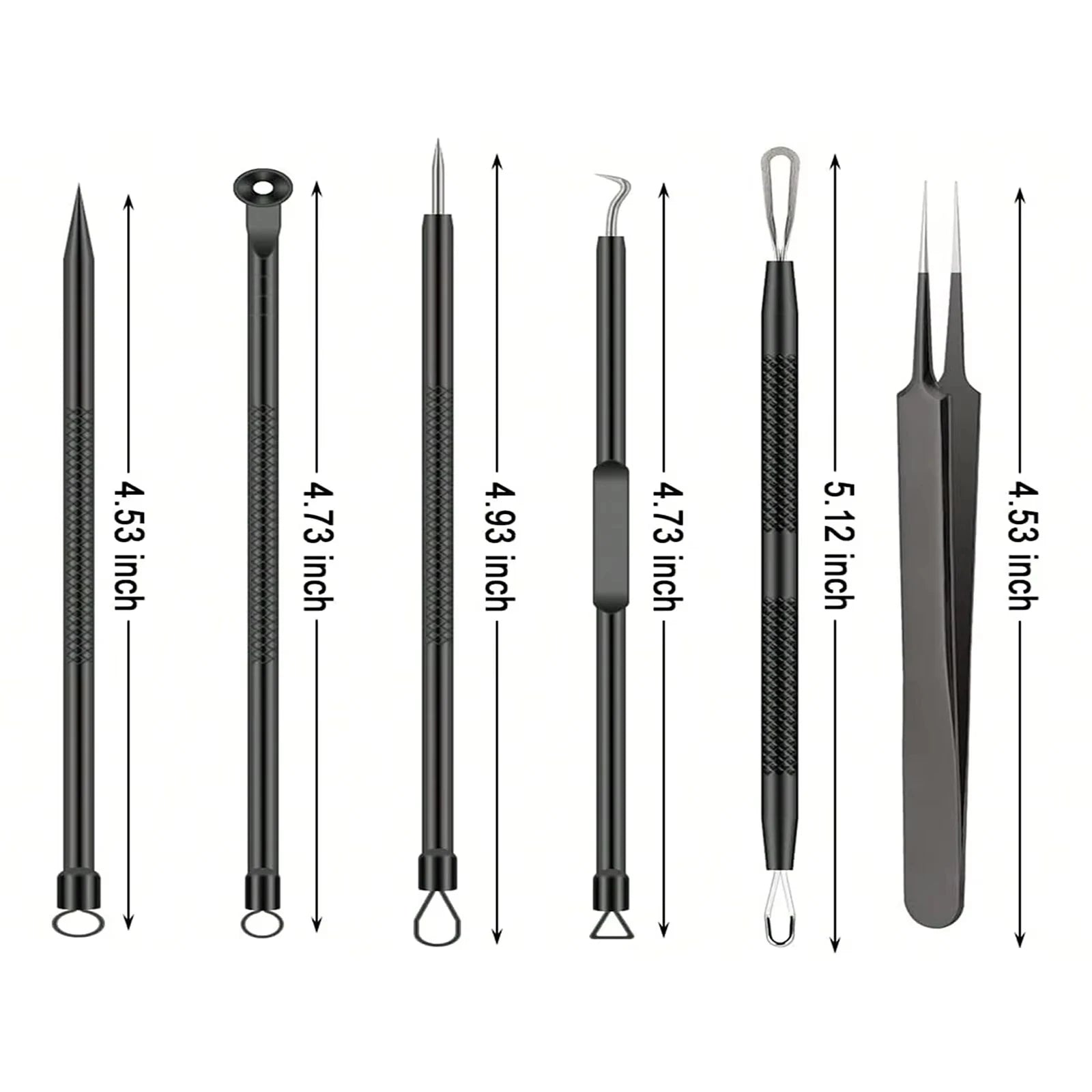
How to use a pimple extractor tool - KentDO in action
What Is a Blackhead Extractor and How Does It Work?
A blackhead extractor is a small stainless-steel skincare tool designed to safely remove clogged pores. Also known as a comedone extractor , this device uses a looped tip that applies controlled pressure around a pore so trapped oil, dead skin cells, and debris can be released.
Unlike squeezing pimples with your fingers, extractor tools distribute pressure evenly around the pore rather than directly on top of it. This reduces the risk of skin trauma, bacteria spreading, and permanent scarring.
Most extractor tools feature two loop sizes:
- Small loop: ideal for whiteheads or small clogged pores
- Large loop: designed for deeper blackheads or larger pores
When used correctly, a blackhead remover tool can help clear pore congestion while minimizing irritation. However, improper technique may damage the skin, which is why proper preparation and gentle pressure are essential.
Supplies Checklist Before You Start
Using the right tools and hygiene steps reduces the risk of infection, irritation, and scarring. Prepare everything before you begin:
- Gentle facial cleanser
- Clean towel or tissues
- Warm compress or facial steamer
- 70% isopropyl alcohol for sanitizing
- Comedone extractor tool (sterilized)
- Soothing toner or serum (e.g., aloe vera or niacinamide)
- Non-comedogenic moisturizer
Optional: cotton gloves for improved hygiene and grip during extraction.
When You Should (and Shouldn’t) Use a Blackhead Extractor
Safe situations to use a comedone extractor
- Visible blackheads (open comedones) with a defined center
- Whiteheads close to the surface
- Clogged pores that are not inflamed or painful
Situations when you should NOT use an extractor
- Inflamed acne (red, swollen pimples)
- Cystic or nodular acne
- Broken, irritated, or sensitive skin
- Areas with visible capillaries
Skin conditions that require professional extraction
- Deep or stubborn blackheads that don’t release easily
- Recurring clogged pores in the same area
- Severe acne or widespread congestion
- Skin prone to hyperpigmentation or scarring
If you're unsure whether a blemish is safe to extract, it's generally better to leave extraction to a licensed esthetician or dermatologist.
Step-by-Step: How to Use a Blackhead Extractor Tool Safely
Step 1 — Cleanse and Prep the Skin
Wash your face with a gentle cleanser to remove excess oil, dirt, makeup, and bacteria. Pat dry with a clean towel rather than rubbing the skin.
Step 2 — Open Pores (Steam or Warm Compress)
Apply a warm compress for 5–10 minutes or use facial steam to soften the pore opening. While pores do not literally open and close, warmth softens debris and makes extraction easier with less pressure.
Step 3 — Sanitize the Extractor Tool
Disinfect the tool using 70% isopropyl alcohol before it touches your skin. This helps minimize bacterial contamination.
Step 4 — Position the Loop Correctly
Place the loop gently around the blackhead so the center of the clogged pore sits inside the loop. Keep the extractor flat against the skin.
Step 5 — Apply Controlled Pressure
Press down lightly and rock the tool slightly to encourage the blockage to release. A mature blackhead should come out with minimal force.
Step 6 — Stop If It Doesn’t Release
If the blackhead doesn't come out easily after two or three gentle attempts, stop immediately. Excessive pressure increases the risk of bruising, pigmentation, and scarring.
Step 7 — Disinfect and Soothe Skin
Clean the area with a gentle antiseptic or toner and apply a calming product such as aloe vera, centella asiatica, or niacinamide to help reduce redness.
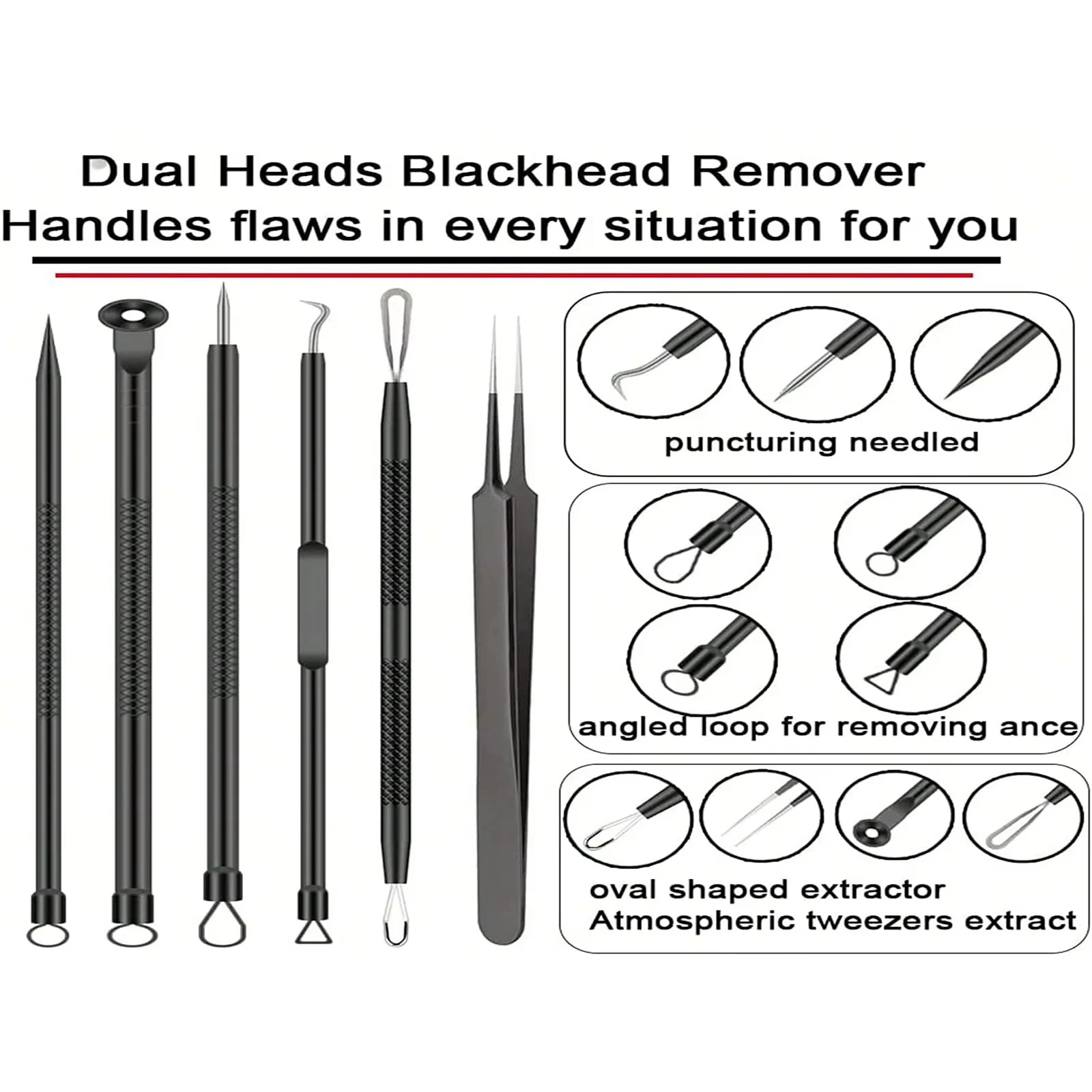
how to use a pimple extractor tool - KentDO performing safe extraction
Visual Guide: Correct Extractor Placement and Angle
Proper positioning is critical to avoid bruising, broken capillaries, and unnecessary skin trauma.
- The loop should fully surround the blackhead
- Keep the extractor flat against the skin
- Apply gentle downward pressure rather than digging into the skin
- Use a slight rocking motion instead of forceful pressing
- Work slowly and stop if discomfort increases
Incorrect angles and excessive force are among the most common reasons extraction causes redness, swelling, or post-inflammatory marks.
Types of Comedone Extractor Tools Explained
Different loop shapes are designed for different types of clogged pores and blemishes.
- Small loop: Ideal for tiny blackheads and superficial whiteheads.
- Large loop: Best for larger visible clogged pores.
- Angled loop: Useful for hard-to-reach areas around the nose and facial contours.
- Spoon extractor: Designed to apply broader pressure around larger congested pores.
- Lancet tip (advanced): Sometimes used by professionals to open closed comedones before extraction.
For beginners, a simple dual-ended loop extractor offers the safest combination of control and effectiveness.
Common Mistakes When Using a Blackhead Removal Tool
Many skin injuries occur because extraction tools are used incorrectly. Avoid these common mistakes:
- Using excessive pressure: forcing a pore can bruise skin and cause scarring.
- Skipping sanitation: unclean tools may introduce bacteria into open pores.
- Extracting inflamed pimples: this can worsen inflammation and spread bacteria.
- Over-extracting: removing too many blackheads in one session can irritate skin.
- Not preparing pores: inadequate preparation makes extraction more difficult and uncomfortable.
If nothing comes out, resist the urge to press harder. A blackhead that is not ready for extraction often requires additional time, skincare treatment, or professional removal.
Risks and Side Effects of Blackhead Extraction
Improper use of extraction tools can damage the skin barrier and create complications that take longer to resolve than the original blackhead.
- Bruising and broken capillaries
- Post-inflammatory hyperpigmentation
- Scarring
- Skin infections
- Increased inflammation and acne spread
These risks are significantly reduced when proper hygiene, gentle pressure, and appropriate aftercare are followed. Individuals with sensitive skin or a history of scarring should be especially cautious.
Adjusting Extraction Technique for Your Skin Type
Your skin type affects how safely and effectively you can perform extractions.
Oily Skin
Oily skin often develops more blackheads, especially around the nose and T-zone. Extraction may be easier, but avoid excessive sessions that can increase irritation.
Sensitive Skin
Sensitive skin bruises more easily. Use minimal pressure, extract fewer pores per session, and focus on soothing aftercare.
Dry Skin
Dry skin benefits from extra preparation. Hydration and a warm compress can soften congestion and reduce the amount of pressure needed.
Acne-Prone Skin
Focus only on visible blackheads and surface whiteheads. Avoid attempting to extract red, swollen, painful, or deep lesions.
Aftercare: What to Do After Extracting Blackheads (0–48 Hours)
Immediately After
- Apply a soothing toner or gentle antiseptic
- Use calming ingredients such as aloe vera, centella asiatica, or niacinamide
- Avoid touching the treated area
First 24 Hours
- Avoid makeup if possible
- Keep skin hydrated with a gentle moisturizer
- Avoid unnecessary friction or picking
24–48 Hours After
- Avoid strong actives such as retinoids or exfoliating acids if the area remains irritated
- Apply sunscreen daily to reduce the risk of dark spots
- Continue using gentle, barrier-supportive skincare products
Proper aftercare helps prevent irritation, infection, discoloration, and prolonged redness.
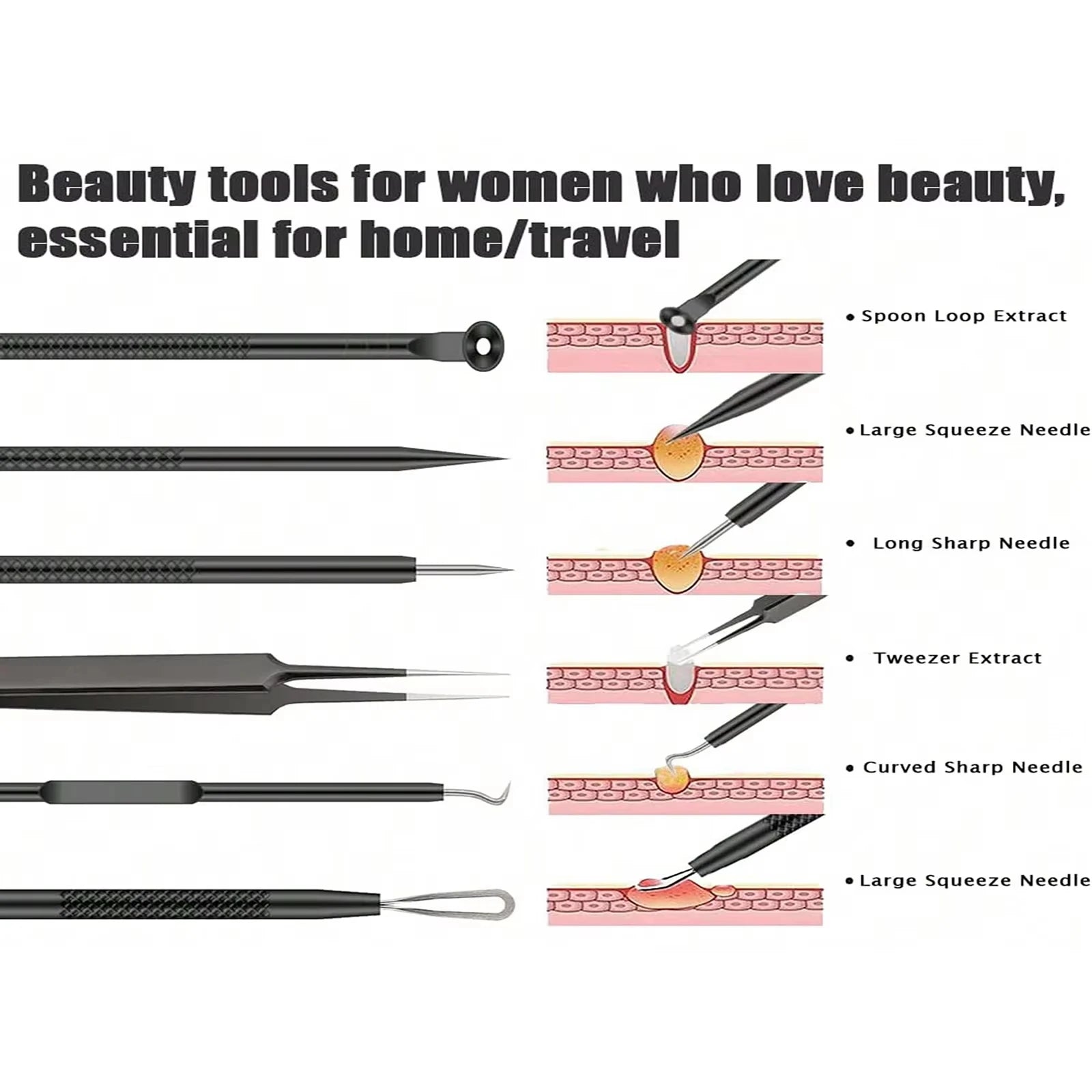
how to use a pimple extractor tool - KentDO delivers clear-skin results
When to See a Dermatologist for Blackheads
At-home extraction works best for mild congestion, but persistent or recurring blackheads sometimes require professional care.
You may want to see a dermatologist if:
- Blackheads return quickly after extraction
- Pores remain severely clogged
- You experience painful cystic acne
- Extractions cause repeated irritation or pigmentation
- Multiple blackheads fail to release despite proper technique
Dermatologists can perform sterile extractions and recommend evidence-based treatments such as retinoids, salicylic acid, chemical peels, or professional pore-clearing procedures.
FAQ: How to Use a Blackhead Extractor Tool
How often should you use a blackhead extractor?
No more than once a week for most people. Frequent extraction can irritate the skin and increase the risk of damage.
Does using a blackhead extractor hurt?
It should not be painful. Significant discomfort usually indicates too much pressure or an unsuitable blemish for extraction.
Can you use a blackhead remover tool on your nose?
Yes. The nose is one of the most common extraction areas, but it is also prone to broken capillaries, so gentle pressure is essential.
Why won’t my blackhead come out?
The clog may be too deep, too large, or not ready for extraction. Forcing it can damage the skin, so stop and consider professional treatment.
Do blackhead extractors make pores bigger?
No. Extractor tools do not permanently enlarge pores, although aggressive extraction can temporarily stretch tissue and irritate the surrounding skin.
How do I sterilize an extractor tool?
Wash the tool with soap and water, then disinfect it with 70–90% alcohol before and after every use.
Professional-grade option: KentDO Pimple Popper Tool Kit
Related Articles:
- Blackhead Remover Kit Reviews: The Real Difference Between Cheap and Pro Tools
- Tool for Pimple Popping vs. Fingers—Why One Method Wins Every Time
Pillar Articles: