How to Use a Pimple Extractor Tool Safely and Effectively?
Using a pimple extractor tool properly can help remove blackheads without scarring or irritation. Below are the essential steps to follow how to use a pimple extractor tool for safe, clean results:
- Cleanse skin and sterilize tool with alcohol (70%+).
- Soften pores with warm steam or warm towel for 5–10 minutes.
- Use the loop end gently to press around the blackhead — avoid force.
- Disinfect area again; apply soothing toner or serum.
- Avoid extraction on inflamed cysts or active acne — leave to dermatologist.
How to Use a Pimple Extractor Tool the Right Way for Every Skin Type
Feeling stuck with blackheads, irritation, or petechiae every time you try at-home extraction? You’re not alone. Many people worry: Will extraction hurt? Will it work without making things worse? This guide explains how to safely use a pimple extractor tool whether you have oily, dry, combination, or sensitive skin. With the right technique and preparation, blackhead removal can be cleaner, safer, and far less damaging to your skin.
How to use a pimple extractor tool - KentDO in action
What Is a Blackhead Extractor and How Does It Work?
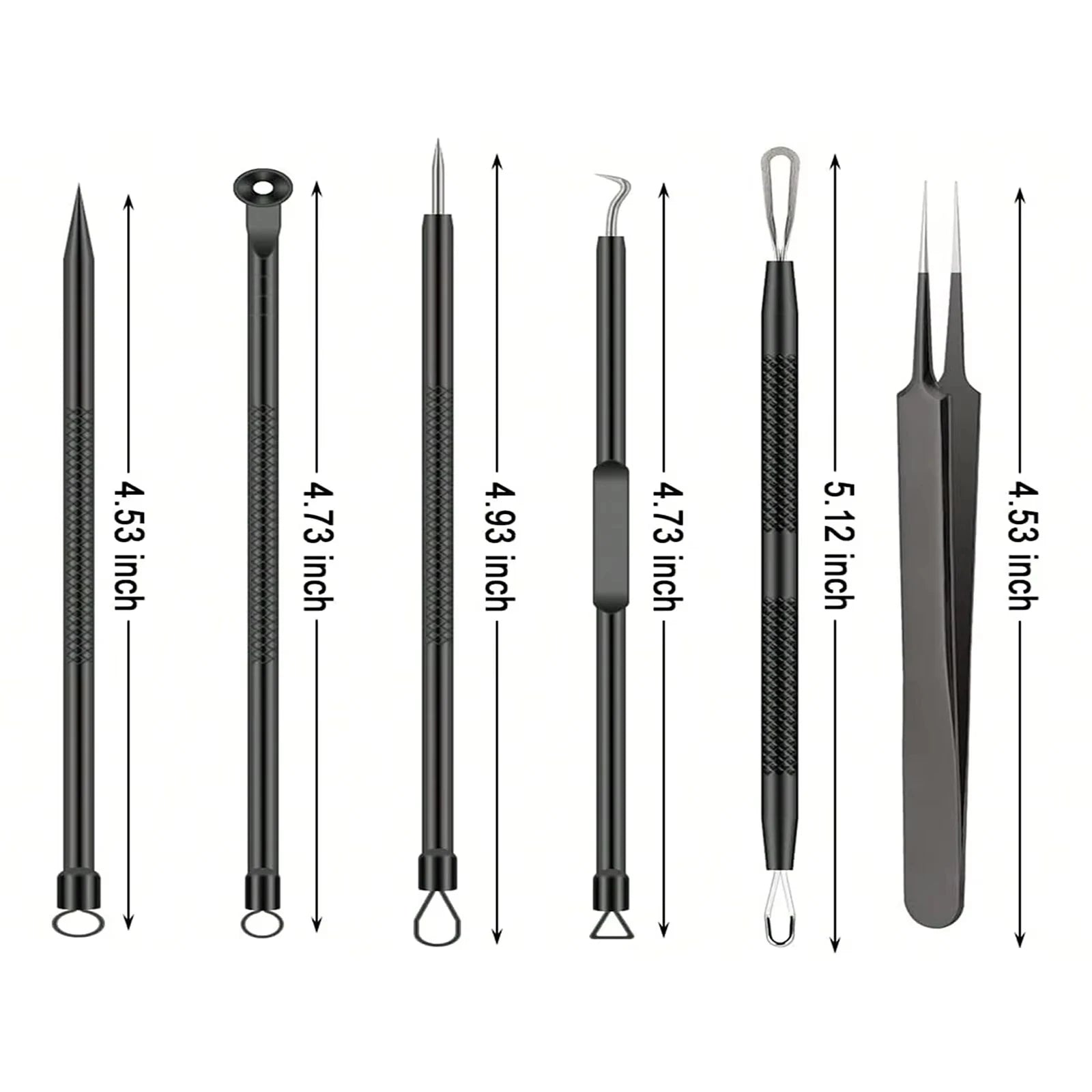
A blackhead extractor is a small stainless-steel skincare tool designed to safely remove clogged pores. Also known as a comedone extractor, this device uses a looped tip that applies controlled pressure around a pore so trapped oil, dead skin cells, and debris can be released.
Unlike squeezing pimples with your fingers, extractor tools distribute pressure evenly around the pore rather than directly on top of it. This reduces the risk of skin trauma, bacteria spreading, and permanent scarring.
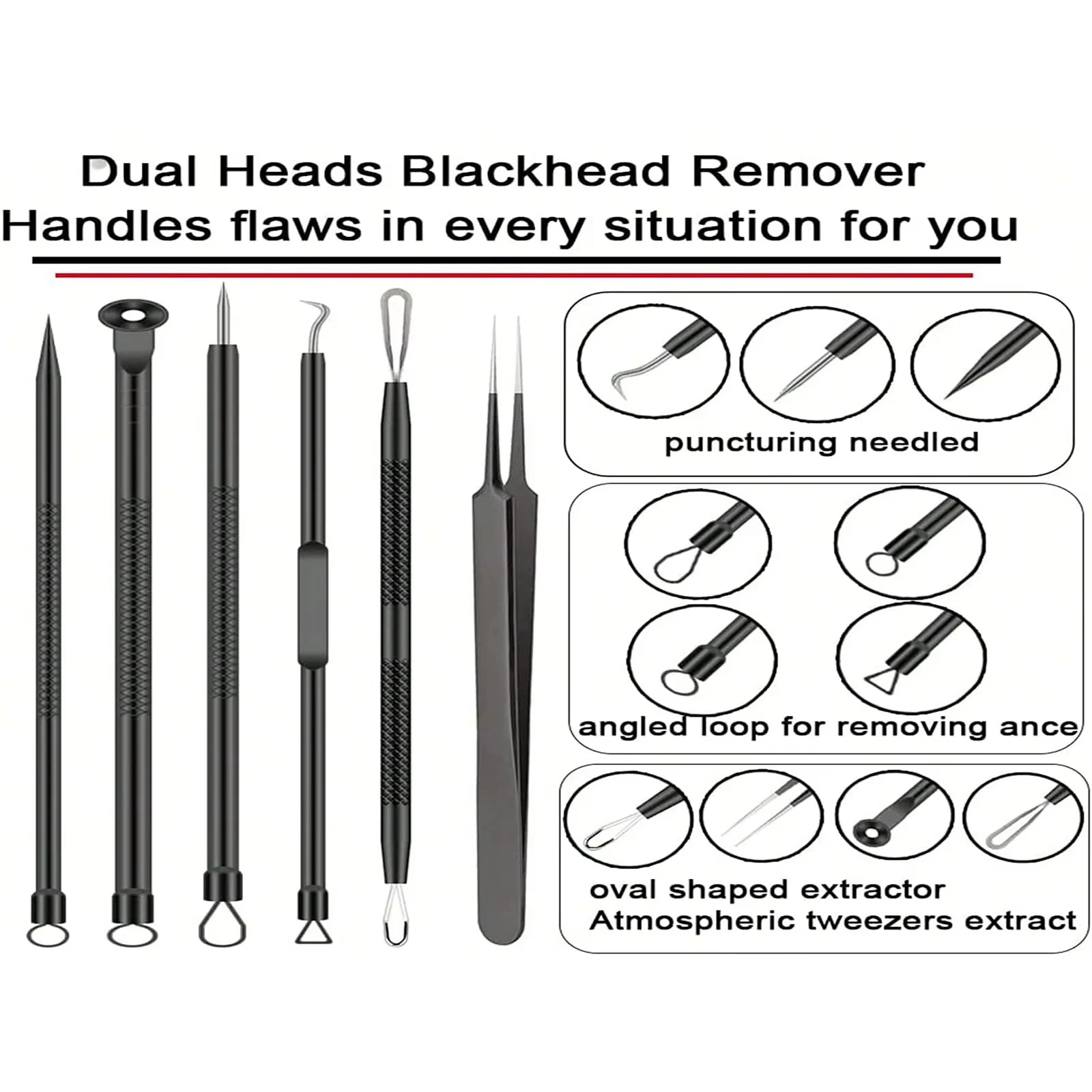
Most extractor tools feature two loop sizes:
- Small loop: ideal for whiteheads or small clogged pores
- Large loop: designed for deeper blackheads or larger pores
When used correctly, a blackhead remover tool can help clear pore congestion while minimizing irritation. However, improper technique may damage the skin, which is why proper preparation and gentle pressure are essential.
When You Should (and Shouldn’t) Use a Blackhead Extractor
A blackhead extractor works best on mature, visible blackheads or whiteheads. These clogged pores sit close to the surface of the skin and can usually be removed with minimal pressure.
Safe situations to use a comedone extractor
- Visible blackheads on the nose, chin, or forehead
- Whiteheads that have already surfaced
- Clogged pores that feel firm but not inflamed
Situations when you should NOT use an extractor
- Inflamed acne cysts or nodules
- Deep, painful pimples
- Broken or irritated skin
- Active skin infections
If a blemish is swollen, painful, or deeply embedded under the skin, dermatologists typically recommend avoiding extraction and using treatments like salicylic acid or benzoyl peroxide instead.
How to Use a Blackhead Extractor Tool Safely and Effectively
To safely use a blackhead extractor tool, start by cleansing your face and softening the pores with warm steam or a warm compress. After disinfecting the tool, gently place the loop around the clogged pore and apply light pressure until the debris releases.
The most important rule of extraction is never force a pore open. Excess pressure can cause bruising, broken capillaries, and long-term scarring.
Most skincare professionals recommend extracting only a few pores per session and stopping immediately if a blackhead does not release easily.
Step-by-Step: How to Use a Blackhead Extractor
Step 1 — Cleanse and Soften the Skin
Wash your face with a gentle cleanser to remove oil, makeup, and bacteria. Then soften your pores by steaming your face for 5–10 minutes or applying a warm towel.
Step 2 — Sanitize the Extractor Tool
Clean the extractor using rubbing alcohol before touching your skin. Sterilizing tools prevents bacteria from entering the pore during extraction.
Step 3 — Position the Loop Correctly
Place the loop around the blackhead so the clogged pore sits in the center of the tool. Pressure should be applied around the pore rather than directly on top.
Step 4 — Apply Gentle Pressure
Press down lightly and slowly roll the loop across the pore. If the blackhead is ready to be extracted, the plug will release with minimal pressure.
Step 5 — Disinfect the Area
After extraction, clean the area with a gentle antiseptic toner such as witch hazel to help reduce bacteria and calm the skin.
how to use a pimple extractor tool - KentDO performing safe extraction
Why You Must Be Careful with Blackhead Extraction
Improper extraction techniques can easily damage your skin. Even though blackheads appear simple to remove, aggressive squeezing often causes more harm than good.
- Scars or dark spots caused by excessive pressure
- Infections from unsterilized tools or hands
- Breakouts when bacteria spreads into nearby pores
- Redness and irritation that take days to heal
Learning proper technique helps prevent these issues while keeping extractions safe and controlled.
Common Mistakes When Using a Blackhead Removal Tool
Many skin injuries occur because extraction tools are used incorrectly. Avoid these common mistakes when learning how to use a blackhead remover tool.
- Using excessive pressure: forcing a pore can bruise skin and cause scarring.
- Skipping sanitation: unclean tools can introduce bacteria into open pores.
- Extracting inflamed pimples: this spreads infection and worsens acne.
- Over-extracting: removing too many blackheads in one session irritates skin.
- Not preparing pores: dry pores are harder and more painful to extract.
If a blackhead does not release easily, stop and try again after another steaming session rather than forcing the extraction.
Adjusting Extraction Technique for Your Skin Type
Your skin type affects how safely you can perform pore extractions.
Oily Skin
Oily skin tends to develop more blackheads, especially around the nose. Extraction may be easier, but limit sessions to prevent over-stimulating oil production.
Sensitive Skin
Sensitive skin bruises easily. Use very light pressure and limit the number of pores extracted during one session.
Dry Skin
Dry skin requires additional preparation. Steaming and applying hydrating products beforehand can make extractions safer.
Acne-Prone Skin
If you experience frequent inflammatory acne, avoid extracting red or painful pimples and focus only on visible blackheads.
Aftercare: What to Do After Extracting Blackheads
Proper aftercare reduces irritation and helps keep pores clear after extraction.
- Apply a soothing toner such as witch hazel
- Use a lightweight moisturizer to restore hydration
- Avoid heavy makeup for several hours
- Use salicylic acid to help prevent future clogged pores
- Apply sunscreen the following day
It is normal for skin to appear slightly red immediately after extraction, but the redness typically fades within a few hours.
Types of Comedone Extractor Tools Explained
Different extractor designs serve different purposes. Understanding these tools can help beginners perform safer extractions.
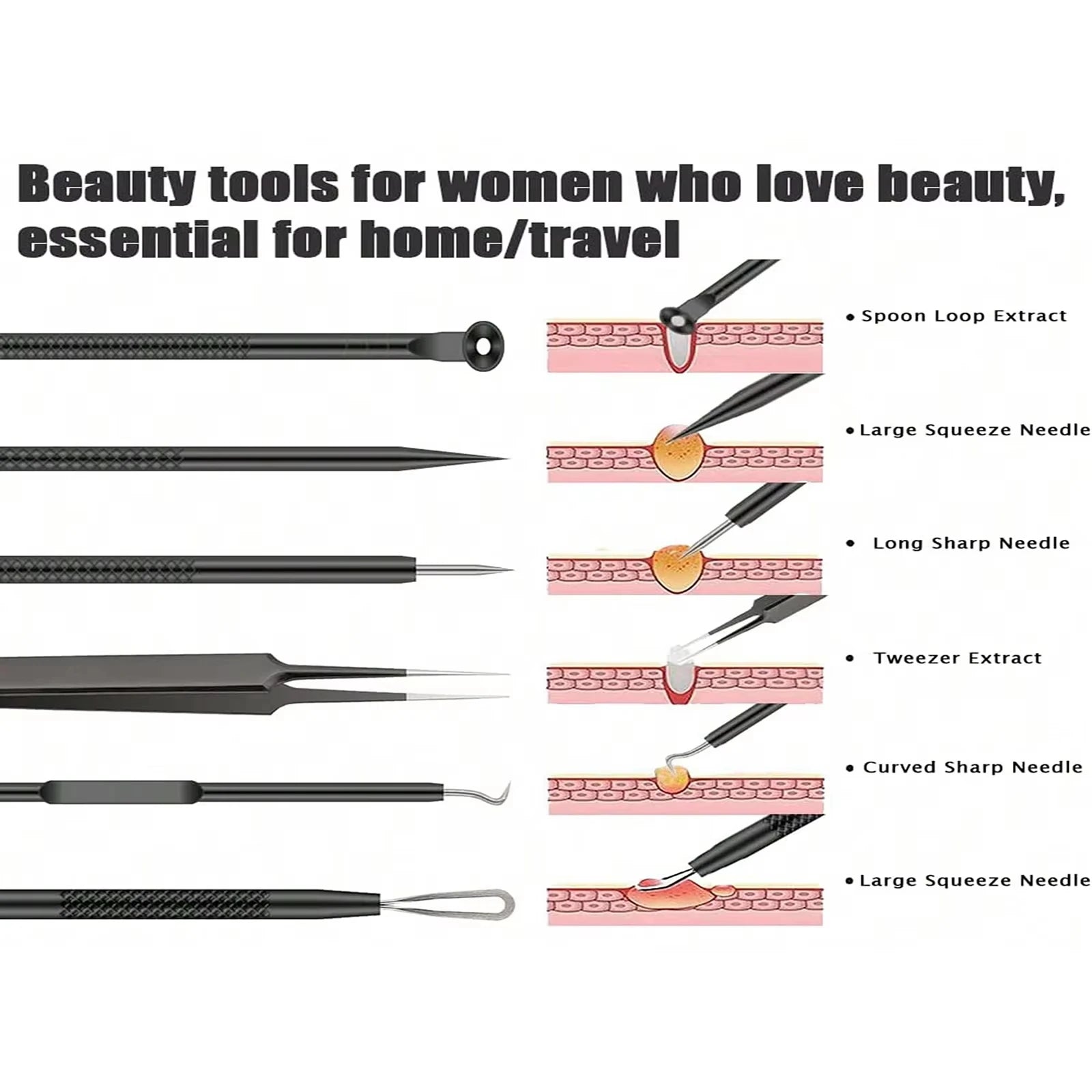
- Loop extractor: the most common design used to press around blackheads.
- Angled loop extractor: useful for reaching pores around the nose.
- Lancet extractor: sometimes used by professionals to open whiteheads.
- Spoon extractor: designed for larger clogged pores.
For beginners, a simple loop extractor is usually the safest option because it allows better control and precision.
Best Blackhead Tools & Pimple Extractor Kit Options
If you plan to perform extractions at home, choose a high-quality stainless-steel extractor kit that is easy to sanitize.
| Criteria | KentDO Pimple Popper Tool Kit | Generic / Low-cost Kits |
|---|---|---|
| Material & Sterility | 316L stainless steel, easy to sterilize | Lower-grade metals that may rust |
| Tool Variety | Multiple loop sizes and precision heads | Often limited to 1–2 tools |
| Grip & Control | Textured ergonomic handle | Smooth handles that slip easily |
| Longevity | Durable and reusable | Shorter lifespan |
Choosing a well-made kit improves control and makes it easier to safely learn how to use a pimple extractor tool at home.
👉 Professional-grade option: KentDO Pimple Popper Tool Kit
how to use a pimple extractor tool - KentDO delivers clear-skin results
When to See a Dermatologist for Blackheads
At-home extraction works for mild clogged pores, but persistent blackheads sometimes require professional treatment.
You may want to see a dermatologist if:
- Blackheads return quickly after extraction
- Pores remain severely clogged
- You experience painful cystic acne
- Extractions cause repeated irritation
Dermatologists can perform sterile extractions and recommend treatments such as chemical peels, retinoids, or professional pore-clearing procedures.
FAQ: Home Blackhead Extraction Questions
- Is it safe to use a pimple extractor tool daily?
- No. Even with proper technique, daily extraction can irritate skin. Most dermatologists recommend limiting extraction to once a week or less.
- Can I extract blackheads during active acne flare-ups?
- No. Inflamed or cystic acne should not be extracted at home because it can cause scarring and infection.
- How do I sterilize an extractor tool?
- Wash the tool with soap and water, then disinfect it with 70–90% alcohol before and after each use.
- Will extractor tools work on closed comedones?
- Closed comedones often sit deeper under the skin and may not release easily with an extractor. Chemical exfoliants or professional treatment may be more effective.
Related Articles:
- Blackhead Remover Kit Reviews: The Real Difference Between Cheap and Pro Tools
- Tool for Pimple Popping vs. Fingers—Why One Method Wins Every Time
Pillar Articles: