

How to Use Blackhead Remover Tools Correctly: Step-by-Step
Blackhead remover tools can improve your skincare routine when used properly. Correct blackhead remover tool usage helps minimize skin irritation while maximizing extraction effectiveness. These facial extraction tools are designed not only to remove visible blackheads, but also to support cleaner pores, smoother skin texture, and a more hygienic extraction process. Following proper blackhead remover tool instructions is essential for achieving safer, professional-style results at home.
⏱ 12 min read
Blackhead remover tools can simplify your clear skin routine—learn usage tips below.
Want pro-level clear skin at home?
See Price — Stock Low!What Are Blackhead Remover Tools?
A blackhead remover tool, also called a comedone extractor, is a stainless steel skincare instrument designed to remove blackheads, whiteheads, and certain clogged pores using controlled pressure. Unlike squeezing with fingers, extractor tools apply targeted pressure around the pore opening, which may reduce unnecessary skin trauma when used correctly.
What Is a Comedone Extractor?
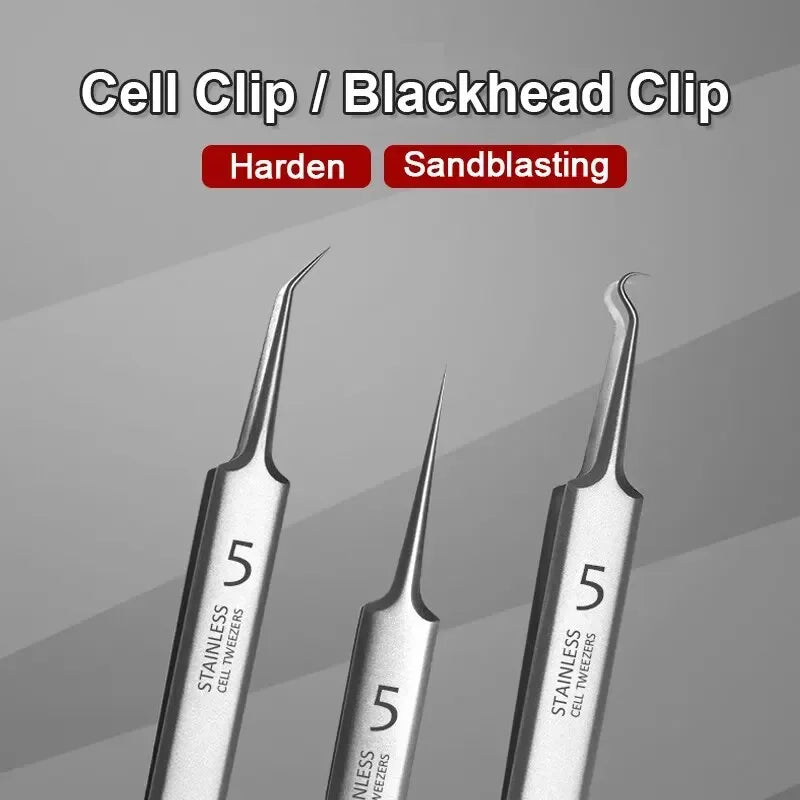
A comedone extractor typically consists of a metal handle with one or two looped ends. Larger loops are commonly used for blackheads, while smaller loops are designed for whiteheads and smaller clogged pores. Some professional extraction kits also include lancets and specialized extraction tips.
How Blackhead Extraction Tools Work
Blackhead extractor tools work by applying gentle, even pressure around the clogged pore rather than directly on top of it. This pressure helps loosen oxidized sebum, dead skin cells, and debris trapped inside the follicle. Proper technique is essential because excessive force can lead to bruising, broken capillaries, infection, or scarring.
For a deeper understanding of clogged pores and their causes, explore our related blackhead education resources.
Types of Blackhead Remover Tools Explained
Standard Loop Extractor
The standard loop extractor features a medium-sized metal loop designed for removing common blackheads on the nose, chin, and forehead. It is the most widely used comedone extraction tool.
Fine Loop Extractor
Fine loop extractors are intended for smaller blackheads and delicate facial areas. Their narrower opening allows more precise pressure application.
Lancet and Needle Extractors
Professional extraction kits sometimes include sterile lancets used to create a tiny opening in closed comedones before extraction. These tools require advanced technique and carry increased infection risks.
Spoon and Curved Extractors
Spoon-shaped extractors feature multiple openings and are often used by skincare professionals to extract clusters of clogged pores.
Which Tool Should You Use?
- Large blackheads: standard loop extractor
- Small blackheads: fine loop extractor
- Whiteheads: small loop extractor
- Deep or inflamed lesions: avoid home extraction
Why Use Blackhead Remover Tools Instead of Fingers?
Blackhead remover tools may be safer than using fingers because they reduce skin trauma, minimize contamination risks, and provide more controlled extraction. When used correctly, they can help maintain healthier skin while reducing the chance of irritation and post-inflammatory marks.
| Method | Pros | Cons |
|---|---|---|
| Fingers | Quick and accessible | Higher contamination risk, uneven pressure, potential scarring |
| Blackhead Remover Tools | Precise, hygienic, controlled extraction | Requires proper technique and preparation |
What Should I Know Before Using a Blackhead Remover Tool?
Who Should Avoid Extraction
You should avoid using blackhead remover tools if you have active cystic acne, rosacea, eczema flare-ups, open wounds, or highly sensitive skin. Improper extraction may worsen inflammation and increase the risk of permanent scarring.
When to See a Dermatologist
If blackheads are persistent, widespread, painful, or resistant to topical treatments, professional extraction performed by a dermatologist or licensed esthetician is usually safer than home extraction.
Risks of Improper Extraction
- Skin irritation
- Broken capillaries
- Post-inflammatory hyperpigmentation
- Bacterial infection
- Permanent scarring
- Worsening acne inflammation
How to Prepare Your Skin Before Using a Blackhead Extractor
Wash and Sanitize
Begin by washing your hands thoroughly and cleansing your face with a gentle facial cleanser. Remove all makeup, sunscreen, and surface oils before attempting extraction.
Steam or Warm Compress Preparation
Apply a warm compress for 5 to 10 minutes or use facial steam to soften debris inside the pore. Avoid excessive heat, which may increase irritation and redness.
Tool Disinfection Checklist
- Wash the tool with soap and warm water
- Disinfect with 70% isopropyl alcohol
- Allow the tool to air dry completely
- Wash hands again before extraction
- Prepare clean cotton pads or gauze
Proper facial steaming techniques can improve extraction success while reducing unnecessary pressure on the skin.
Step-by-Step Blackhead Remover Tool Instructions
Step 1: Clean Your Face and Hands
Cleanse your face and wash your hands thoroughly before touching your skin or tools.
Step 2: Open Pores Safely
Use warm steam or a warm compress for 5 to 10 minutes to soften blackheads and reduce extraction pressure requirements.
Step 3: Position the Extractor Correctly
Place the loop around the blackhead so the clogged pore sits in the center of the loop.
Step 4: Apply Gentle Pressure
Press downward lightly while slowly rocking the extractor across the pore opening. Never dig or scrape the skin.
Step 5: Stop If the Blackhead Doesn't Release
If the blackhead does not come out after two attempts, stop immediately. Excessive pressure significantly increases the risk of bruising and scarring.
Step 6: Clean and Soothe Skin
Clean the treated area with a gentle cleanser and apply a soothing, fragrance-free moisturizer or calming serum.
Proper blackhead remover tool usage ensures smoother skin and fewer breakouts.
✨ Transform your skincare routine today.
Shop KentDO Extractor NowConsistent skincare habits and prevention strategies can reduce the need for frequent blackhead extraction.
How to Use Different Types of Blackhead Extractors
How to Use a Comedone Extractor Loop
Center the loop around the blackhead and apply slow, even pressure. Avoid repeated attempts on the same pore.
How to Use a Whitehead Extractor
Small loop extractors work best on mature whiteheads that are close to the skin surface. Never attempt to force deeply embedded whiteheads.
How to Use a Zit Popping Tool Safely
Use extraction tools only on non-inflamed lesions. Red, painful, or cystic acne should not be extracted at home.
Common Mistakes to Avoid
Applying Too Much Pressure
Excessive force is the most common cause of bruising, broken capillaries, and scarring.
Extracting Inflamed Acne
Never use extractor tools on cystic acne, pustules, or swollen inflammatory lesions.
Using Dirty Tools
Failing to disinfect extraction tools can introduce bacteria and increase infection risk.
Over-Extracting the Same Area
If a pore does not clear after one or two attempts, stop and allow the skin to recover.
Post-Extraction Skincare: Essential Aftercare
Immediate Aftercare
Apply a gentle moisturizer, hydrating serum, or calming ingredient such as centella asiatica or panthenol.
Products to Avoid
- Retinoids
- Strong exfoliating acids
- Benzoyl peroxide spot treatments
- Physical scrubs
- Alcohol-based toners
Signs of Infection
Seek medical advice if you experience increasing redness, swelling, warmth, pus formation, or persistent pain after extraction.
See how professional-level blackhead remover tools improve your clear skin routine.
Don't wait—your skin deserves clarity now.
Order KentDO Blackhead RemoverProper post-extraction care may help reduce redness and lower the risk of post-inflammatory hyperpigmentation.
How Should I Clean and Maintain Blackhead Remover Tools?
Cleaning After Every Use
Wash the tool immediately after use with warm water and antibacterial soap to remove oils and debris.
Disinfecting Properly
Soak or wipe the extractor with 70% isopropyl alcohol and allow it to air dry before storage.
Storage and Replacement
Store extraction tools in a clean, dry container. Replace tools that become bent, rusted, or damaged.
When Not to Use a Blackhead Remover Tool
Active Acne Breakouts
Avoid extraction during active inflammatory acne flare-ups because this can spread bacteria and worsen lesions.
Sensitive or Damaged Skin
Do not perform extractions on sunburned, irritated, peeling, or compromised skin.
Deep Cysts and Nodules
Cystic acne and deep nodules require professional treatment and should never be extracted at home.
Individuals with cystic acne should seek appropriate medical evaluation rather than attempting self-extraction.
Frequently Asked Questions
Are blackhead remover tools safe for daily use?
No. Most people should use extraction tools only once every one to two weeks to avoid irritation and skin trauma.
Do I need to steam my face before using?
Yes. Steaming or applying a warm compress helps soften pore contents, making extraction easier and potentially safer.
Can these tools remove whiteheads too?
Yes. Many extraction kits include smaller loops and precision tips suitable for mature whiteheads.
How often should I use a blackhead extractor?
Most people should limit extraction sessions to once every one to two weeks to minimize irritation and skin trauma.
Can blackhead extractors cause scarring?
Yes. Improper technique, excessive pressure, and repeated extraction attempts can result in permanent scarring.
Do dermatologists recommend comedone extractors?
Many dermatologists use comedone extractors professionally, but they generally recommend careful technique and avoiding home extraction of inflamed acne lesions.
Where can I learn more about skincare devices?
Explore our Skin and Beauty Care Devices or visit the Beauty & Self-Care Blog for expert tips.













