How to Use EMS Muscle Stimulator?
To use an EMS muscle stimulator, first clean and dry your skin, then place the electrodes on the target area. Turn on the device, adjust intensity gradually, and follow the recommended session time. Using proper EMS instructions ensures safe muscle activation, muscle toning, and consistent results.
Quick Start Checklist
- Clean and dry skin before use
- Attach pads or electrodes correctly
- Select the appropriate program
- Start with low intensity
- Follow recommended session duration
- Clean electrodes after use
EMS Usage Process at a Glance
- Prepare the skin
- Place electrodes correctly
- Select a suitable program
- Adjust intensity gradually
- Complete the session
- Store the device properly
How to Use EMS Muscle Stimulator: Step-by-Step Beginner Guide
Learning how to use an EMS muscle stimulator is straightforward when you follow proper EMS instructions. Whether you are using EMS for muscle training, recovery, rehabilitation support, or facial toning, understanding setup, electrode placement, safety precautions, and device settings helps maximize effectiveness while minimizing mistakes.
⏱ 7 min read
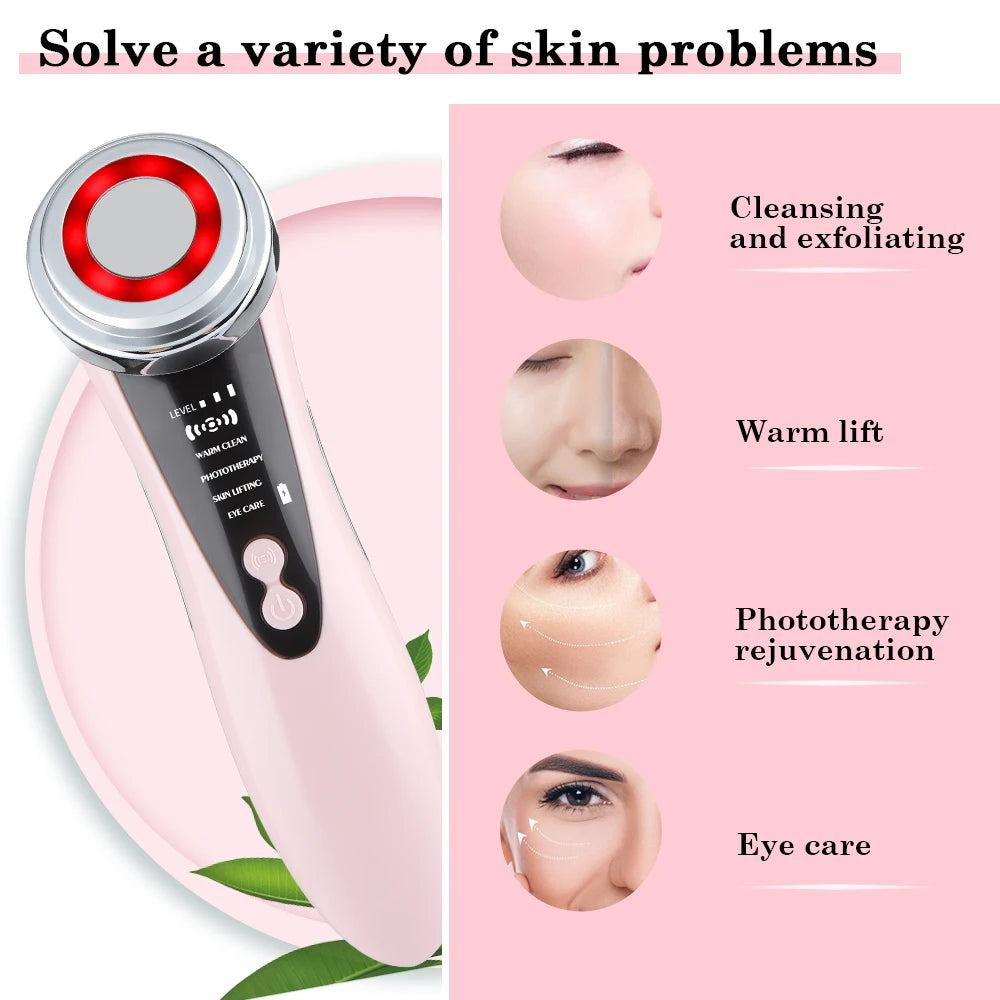
💡 See it in action: how to use EMS muscle stimulator with our EMS facial lifting device.
What Is an EMS Muscle Stimulator?
An EMS (Electrical Muscle Stimulation) muscle stimulator sends controlled electrical impulses through electrodes placed on the skin. These impulses trigger muscle contractions that mimic signals naturally produced by the nervous system.
How EMS Technology Works
When electrical impulses reach targeted muscle fibers, the muscles contract and relax repeatedly. Depending on the selected program and intensity level, EMS can support muscle activation, recovery, endurance training, and rehabilitation goals. For a deeper understanding of EMS benefits and muscle activation science, see our How Does EMS Work? The Science Explained in Simple Steps guide.
EMS vs Traditional Exercise
EMS can activate muscles without voluntary movement, but it does not fully replace traditional strength training. Many users combine EMS with exercise programs to supplement muscle engagement and recovery.
EMS vs TENS Devices
EMS targets muscle contraction, while TENS primarily focuses on pain management by stimulating sensory nerves. Although the devices may look similar, their intended outcomes differ significantly.
Benefits of Using EMS for Face & Body
Muscle Strengthening Benefits
- ✅ Supports muscle activation and conditioning
- ✅ Helps supplement strength-training routines
- ✅ Targets specific muscle groups effectively
Recovery and Rehabilitation Benefits
- ✅ Encourages circulation
- ✅ Supports post-exercise recovery
- ✅ Assists muscle reactivation during rehabilitation programs
Facial Toning Benefits
- ✅ Helps improve facial muscle engagement
- ✅ May temporarily improve firmness and definition
- ✅ Convenient sessions lasting 10–20 minutes
Before You Start: EMS Safety Checklist
Before using an EMS muscle stimulator, make sure your device is functioning properly and that EMS is appropriate for your situation. Following basic safety guidelines helps reduce the risk of discomfort and improves treatment effectiveness.
Who Should Avoid EMS
- Individuals with pacemakers or implanted electronic devices
- People with uncontrolled epilepsy
- Pregnant individuals unless advised by a healthcare professional
- Users with open wounds or severe skin irritation near electrode sites
Skin Preparation Requirements
- Clean and dry the treatment area
- Remove lotions, oils, and sweat
- Shave excessive body hair if necessary
- Inspect skin for cuts or irritation
Device Inspection Checklist
- Check battery level
- Inspect wires and connectors
- Confirm electrodes still adhere properly
- Verify device settings before starting
How to Use an EMS Muscle Stimulator Step by Step
Step 1: Clean and Prepare the Skin
Wash and dry the target area thoroughly. Clean skin improves electrode adhesion and allows electrical impulses to transfer more effectively.
Step 2: Place Electrodes Correctly
Position electrodes over the muscle group you want to stimulate. Follow your device manual and avoid placing pads directly over joints or bones.
Step 3: Select the Right Program
Choose a program based on your goal, such as muscle strengthening, recovery, endurance, or relaxation.
Step 4: Adjust EMS Settings
Start with the lowest intensity level. Gradually increase the stimulation until you feel a strong but comfortable muscle contraction.
Step 5: Complete the Session
Remain relaxed while the device runs. Most beginner sessions last between 10 and 20 minutes depending on the treatment area and program selected.
Step 6: Post-Session Care
Turn off the device before removing electrodes. Clean the skin, store the pads properly, and allow muscles adequate recovery time.
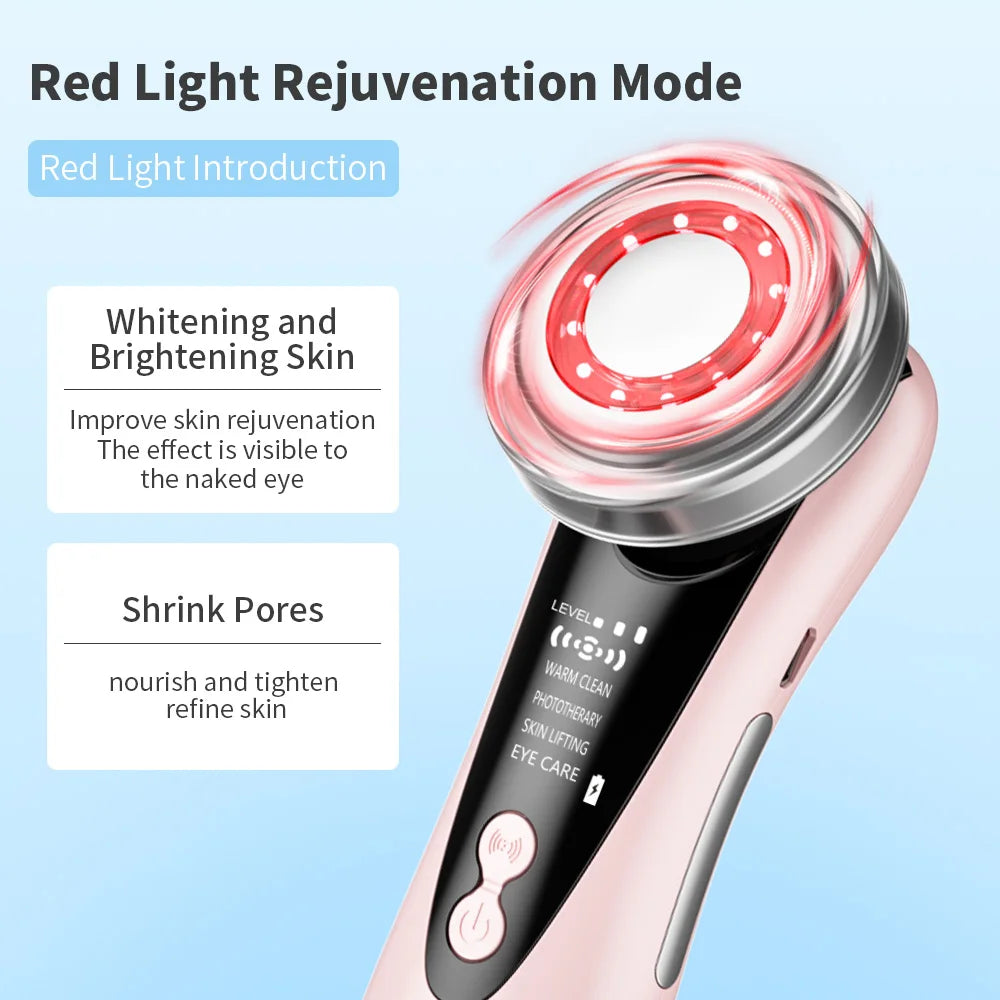
💡 EMS installation guide: Get started quickly with correct EMS instructions.
Electrode Placement Guide for Major Muscle Groups
Proper electrode placement is one of the most important factors affecting EMS effectiveness. Place pads so the electrical current travels through the target muscle.
Abs Placement
Position electrodes on opposite sides of the abdominal muscle group while avoiding the centerline of the abdomen.
Arms Placement
Place pads at each end of the biceps or triceps muscle to encourage full muscle contraction.
Legs Placement
For quadriceps and hamstrings, place electrodes near the upper and lower portions of the muscle.
Back Placement
Position pads on either side of the spine, never directly over the spinal column.
Shoulder Placement
Place electrodes around the deltoid muscle to stimulate the front and side shoulder fibers.
EMS Settings for Muscle Stimulation
Choosing the correct EMS settings helps maximize results while maintaining comfort and safety.
Beginner EMS Settings
- Low to moderate intensity
- 10–15 minute sessions
- 2–3 sessions per week
- Gradual intensity progression
Users focused on post-workout recovery may also benefit from our related recovery and wellness content.
Strength Training Settings
- Higher intensity contractions
- Longer contraction cycles
- Adequate recovery between sessions
Recovery Settings
- Lower intensity stimulation
- Shorter contraction periods
- Focus on comfort and circulation
Common EMS Machine Settings Explained
Most EMS devices allow adjustment of intensity, pulse width, frequency, work time, and rest time. Understanding these controls helps users tailor stimulation to specific goals.
EMS Instructions: How to Get It Right
Session Duration Recommendations
Most users achieve effective stimulation within 10 to 30 minutes per treatment area. Longer sessions do not necessarily produce better results.
Weekly Usage Frequency
Beginners should start with two to three sessions per week. Frequency can increase gradually as the body adapts.
Progression Strategy for Beginners
Increase intensity slowly over time rather than extending session length. Progressive overload principles apply to EMS just as they do with conventional training.
Facial EMS Device: Daily Toning Made Easy
How to Use EMS on Face
Begin with clean skin and apply any conductive gel recommended by the manufacturer. Move the device slowly across treatment areas according to product instructions. Users interested in facial muscle stimulation can also explore our Lifting Face Device Benefits guide.
Electrode Placement for Facial Muscle Stimulation
Placement varies by device design. Common target areas include the cheeks, jawline, and forehead. Always follow manufacturer guidelines for facial treatment zones.
How Often to Use EMS on Face
Most facial EMS devices are used three to five times weekly. Consistency is generally more important than intensity when pursuing cosmetic goals.
EMS Facial Lifting Device: Anti-Aging Secret
What EMS Can Realistically Improve
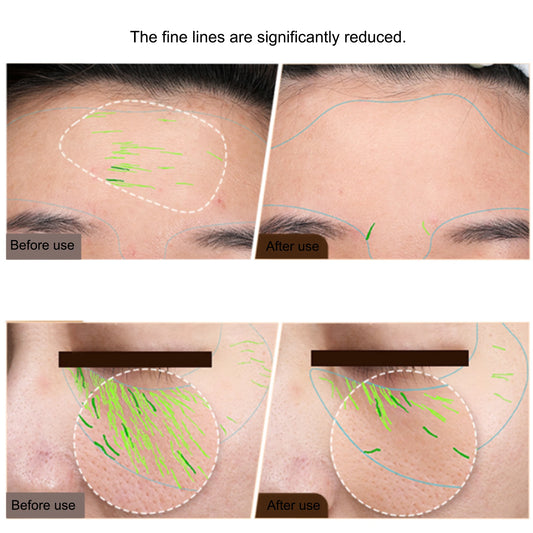
EMS may help improve the appearance of facial muscle tone, temporary firmness, and overall facial definition when used consistently. Pairing EMS with a comprehensive skincare routine may further support visible improvements.
Expected Timeline for Results
Many users notice subtle improvements after several weeks of regular use, while longer-term changes typically require consistent treatment over months.
Limitations of Facial EMS
EMS cannot permanently eliminate wrinkles, replace professional procedures, or stop the natural aging process. Results vary based on age, skin condition, and usage habits.
If aging or sagging skin is your concern, the EMS facial lifting device can support facial muscle stimulation as part of a broader skincare routine.
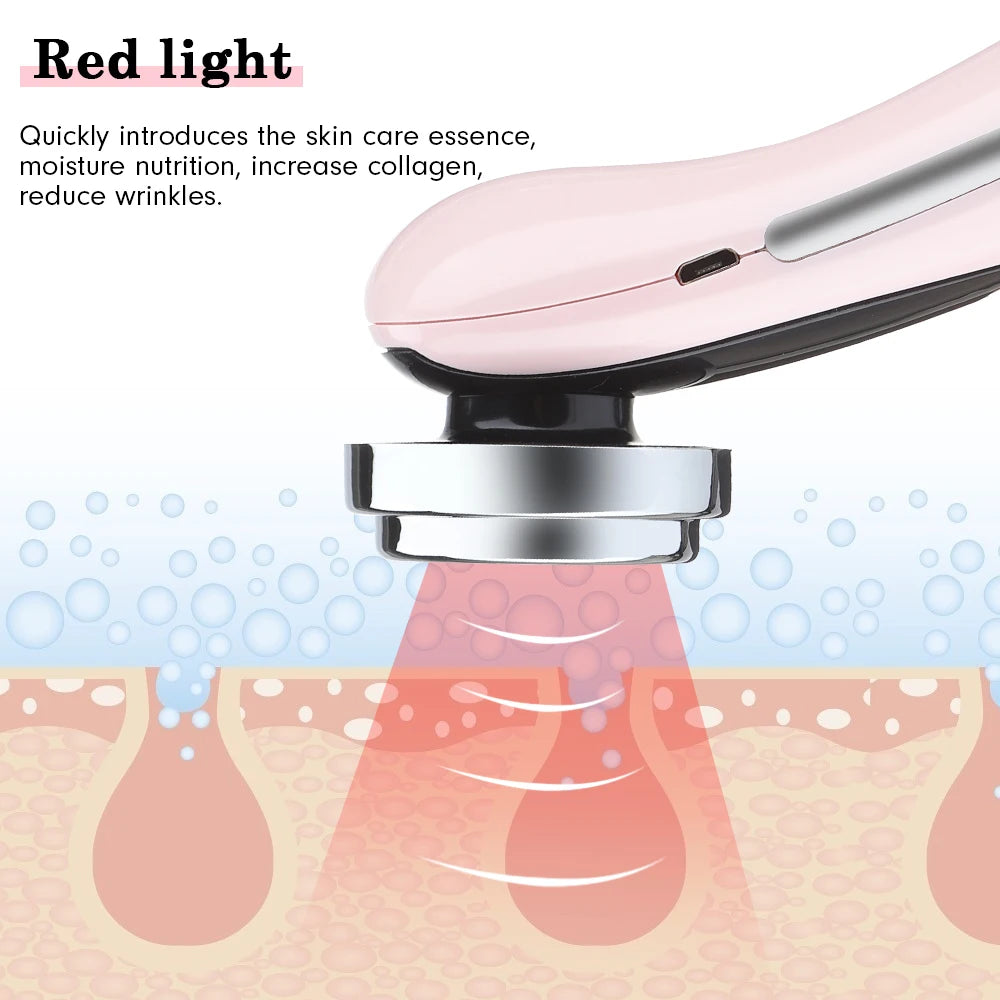
💡 Try the KentDO EMS facial lifting device for consistent facial toning support.
Common Mistakes to Avoid
Incorrect Electrode Placement
Poor pad positioning can reduce effectiveness and create uneven muscle contractions.
Excessive Intensity Levels
Using the highest setting immediately may cause discomfort and discourage consistent use.
Overusing EMS
Muscles require recovery time. Excessive usage may increase fatigue without improving results.
Ignoring Device Maintenance
Dirty electrodes and poorly maintained equipment can reduce stimulation quality and shorten device lifespan.
EMS Device Maintenance and Care
Cleaning Electrodes
Wipe reusable electrodes according to manufacturer instructions and remove debris after each session.
Storage Best Practices
Store the device in a cool, dry location away from direct sunlight and moisture.
When to Replace Pads
Replace electrodes when adhesion weakens, stimulation becomes inconsistent, or visible wear appears.
Proper maintenance and cleaning help extend device lifespan and maintain reliable performance.
Troubleshooting Common EMS Problems
No Muscle Contraction
Check electrode placement, battery charge, wire connections, and intensity settings.
Uneven Stimulation
Ensure both electrodes maintain full skin contact and replace worn pads if necessary.
Skin Irritation
Reduce session frequency, inspect pad condition, and discontinue use if irritation persists.
FAQ
How often should I use EMS on my face?
For best results, 3–5 sessions per week, each lasting 10–15 minutes, are recommended.
Is EMS safe for all skin types?
Yes, EMS is generally safe for most users, but avoid use on open wounds, irritated skin, or if you have implanted medical devices.
Can EMS replace workouts?
EMS complements but does not replace traditional exercise. It works best when combined with a balanced fitness and wellness routine.
When will I see results?
Visible muscle toning or facial firmness improvements may appear within several weeks of consistent use, depending on treatment goals and device quality.
How to use an EMS machine for beginners?
Beginners should start with clean skin, proper electrode placement, low intensity settings, and short sessions lasting 10–20 minutes.
What intensity should I use on an EMS muscle stimulator?
Choose the highest intensity that produces a strong yet comfortable muscle contraction without pain.
How often should I use EMS on my muscles?
Most beginners benefit from 2–3 sessions weekly per muscle group, increasing gradually as tolerance improves.
Can I use EMS every day?
Some low-intensity programs may be suitable for daily use, but many users benefit from allowing recovery time between sessions.
Where should I place EMS electrodes?
Place electrodes on opposite ends of the target muscle while avoiding bones, joints, and sensitive areas.
Is EMS better than TENS for muscle training?
For muscle activation and strengthening, EMS is generally more appropriate. TENS is primarily intended for pain-management applications.
Pillar Article: How Does EMS Work? The Science Explained in Simple Steps
Other Related Articles:
- Facial Pores Clogged? 4 Mistakes You’re Still Making Daily
- How to Fix Face Asymmetry Naturally: 5 Methods You Can Try
- Facial Clogged Pores: How to Clean Them Safely at Home
Explore More: