
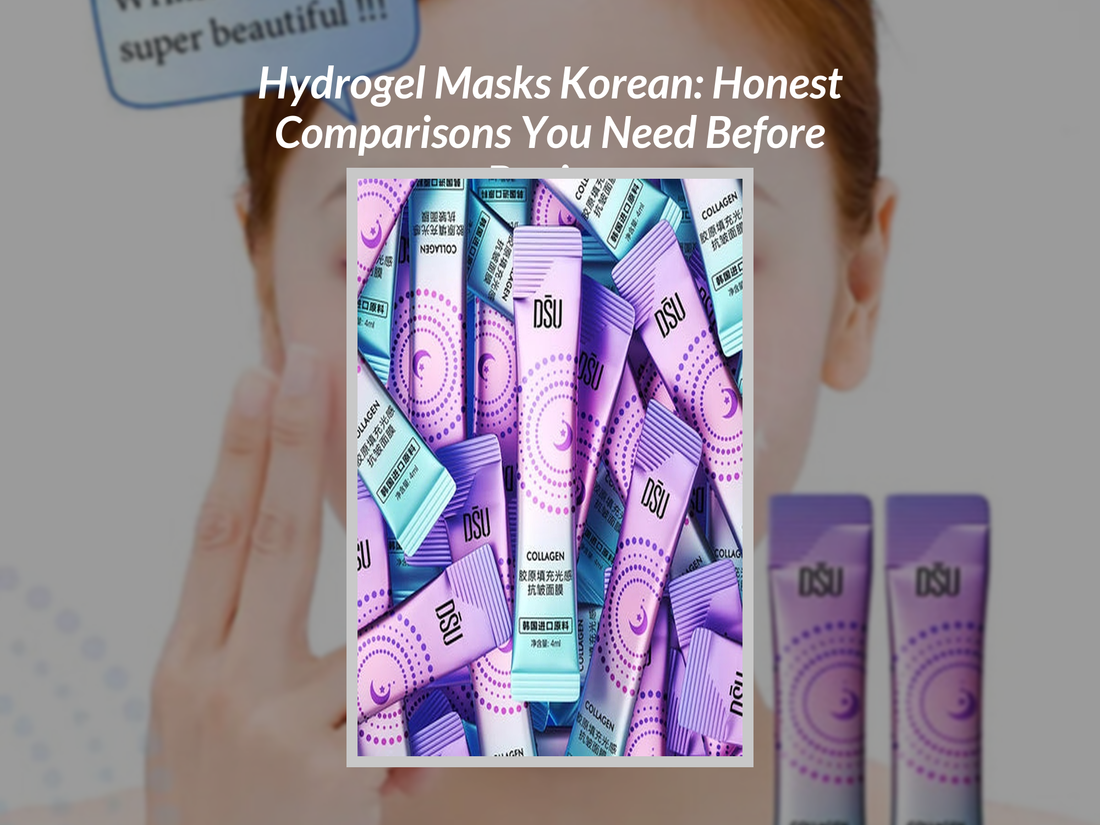
Hydrogel Mask vs Sheet Mask: Differences, Benefits & Which Is Better for Your Skin
Hydrogel masks have become a staple in modern skincare routines, especially in Korean beauty. But how do they compare to traditional sheet masks? Understanding the differences between hydrogel masks and sheet masks can help you choose the right option for hydration, ingredient absorption, and overall skin health. This guide breaks down the science, benefits, and real-world usage of both mask types so you can build a more effective skincare routine.
⏱ 7 min read
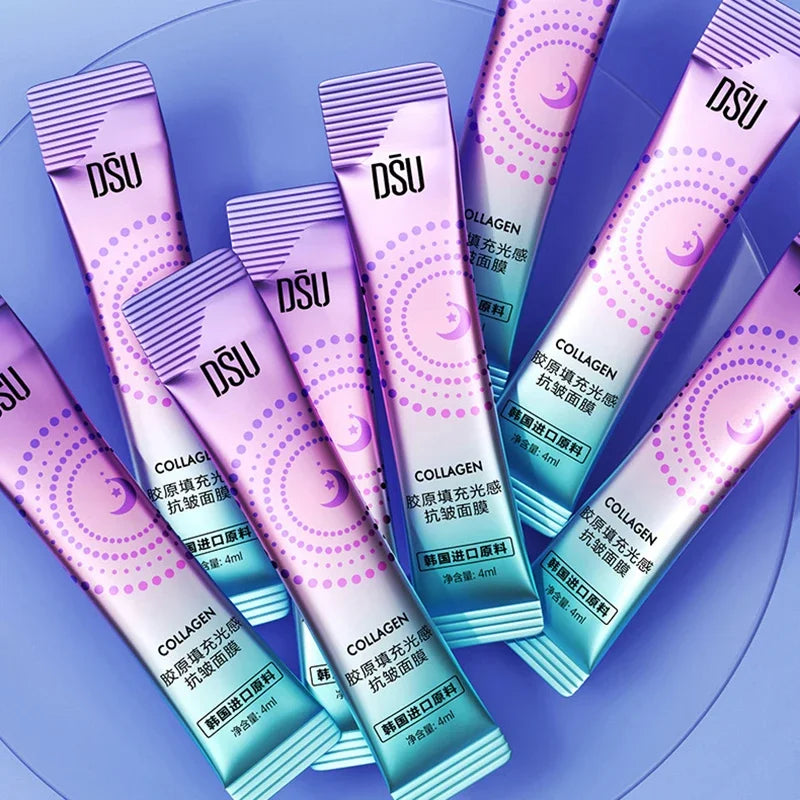
Hydrogel masks Korean – discover the hydration boost 💡 See it in action
Hydrogel Mask vs Sheet Mask: Quick Comparison
If you're deciding between a hydrogel mask and a traditional sheet mask, understanding the key differences can help you choose the right option for your skincare routine. Both mask types deliver concentrated serums to the skin, but they differ in material, absorption, and overall performance.
Side-by-Side Comparison Table
| Feature | Hydrogel Mask | Sheet Mask |
|---|---|---|
| Material | Gel-based matrix made from polymers or plant-derived ingredients | Fabric, cotton, microfiber, or bio-cellulose sheet |
| Serum Delivery | Slow release with strong occlusion | Fast absorption from soaked fabric |
| Fit on Face | Adheres closely and molds to skin contours | May shift or slide depending on material |
| Hydration Power | High – creates a moisture-locking barrier | Moderate to high depending on serum |
| Typical Price | Higher | Usually affordable |
| Best For | Deep hydration and anti-aging treatments | Quick hydration and daily skincare routines |
What Is a Hydrogel Face Mask?
A hydrogel face mask is a skincare treatment made from a gel-based material designed to hold large amounts of water and active ingredients. Unlike traditional fabric masks, hydrogel masks use a flexible gel matrix that adheres tightly to the skin.
This close contact helps lock in moisture and improves the delivery of ingredients such as hyaluronic acid, peptides, and botanical extracts.
How Hydrogel Technology Works in Skincare
The hydrogel material acts as a reservoir that gradually releases active ingredients into the skin. As the mask warms from body heat, the gel softens and slowly transfers hydration and nutrients.
This controlled delivery system is why hydrogel masks are commonly used for intensive hydration and anti-aging skincare treatments.
What Is a Traditional Sheet Mask?
A sheet mask is a thin face-shaped sheet soaked in serum or essence. It is typically made from cotton, microfiber, or bio-cellulose and is designed to deliver skincare ingredients directly to the skin.
Sheet masks became widely popular through Korean skincare routines and are often used for quick hydration, soothing treatments, and brightening benefits.
Common Materials Used in Sheet Masks
- Cotton or non-woven fabric: The most affordable and widely used option.
- Microfiber: Holds more serum than standard cotton masks.
- Bio-cellulose: A premium material made from fermented coconut fibers that fits tightly to the skin.
Hydrogel vs Sheet Mask: Key Differences Explained
Material and Texture
Hydrogel masks are made from a soft gel matrix that feels cool and flexible on the skin. Traditional sheet masks use fabric-like materials designed to absorb and transfer serum.
Ingredient Absorption and Delivery
Hydrogel masks release ingredients slowly over time, allowing prolonged contact with the skin. Sheet masks typically deliver serum quickly because the soaked fabric transfers liquid directly onto the skin surface.
Fit and Occlusion Effect
Hydrogel masks mold closely to facial contours, creating a semi-occlusive barrier that helps prevent moisture evaporation. Sheet masks may not adhere as tightly around areas like the nose or jawline.
Hydration Performance
Both mask types provide hydration, but hydrogel masks tend to lock moisture into the skin longer, making them particularly effective for dry or dehydrated skin.
Price and Accessibility
Sheet masks are typically more affordable and widely available. Hydrogel masks are often considered premium skincare treatments due to their material and formulation.
Hydrogel vs Bio-Cellulose Sheet Mask: Which Is Better?
Bio-cellulose masks are considered one of the most advanced sheet mask materials. They are made from natural fibers produced through coconut fermentation and adhere tightly to the skin.
Compared with standard fabric masks, bio-cellulose sheet masks provide better serum retention and closer contact with the skin.
- Hydrogel masks: Best for intense hydration and cooling effects.
- Bio-cellulose masks: Excellent for ingredient absorption and professional-grade treatments.
Both options are premium compared to basic sheet masks, and the best choice often depends on your skin concerns and budget.
Hydrogel Mask vs Sheet Mask Benefits by Skin Type
For Dry or Dehydrated Skin
Hydrogel masks are often the better choice because they lock in moisture and provide longer-lasting hydration.
For Oily or Acne-Prone Skin
Lightweight sheet masks containing calming ingredients such as tea tree or centella asiatica can work well for oily skin types.
For Sensitive Skin
Both mask types can be suitable if they use gentle formulas with minimal fragrance and soothing ingredients.
For Anti-Aging or Mature Skin
Hydrogel masks frequently include peptides, collagen, and hyaluronic acid, making them popular options for anti-aging skincare routines.
When Should You Choose Hydrogel vs Sheet Mask?
Best Situations for Hydrogel Masks
- When your skin feels extremely dry or dehydrated
- Before special events or makeup application
- When you want a cooling or soothing treatment
When Sheet Masks Work Better
- For quick daily hydration
- When targeting ingredients like vitamin C or niacinamide
- When you want a budget-friendly skincare treatment
Benefits of Korean Hydrogel Face Masks
Korean hydrogel masks are widely recognized for their advanced formulations and innovative skincare ingredients. They often combine hydration technology with targeted treatments designed to improve skin texture and radiance.
- Deep hydration that helps skin appear plumper
- Cooling gel texture that soothes irritated skin
- Better adherence for enhanced ingredient delivery
- Formulas commonly enriched with collagen and peptides
- Leaves skin smooth, refreshed, and makeup-ready
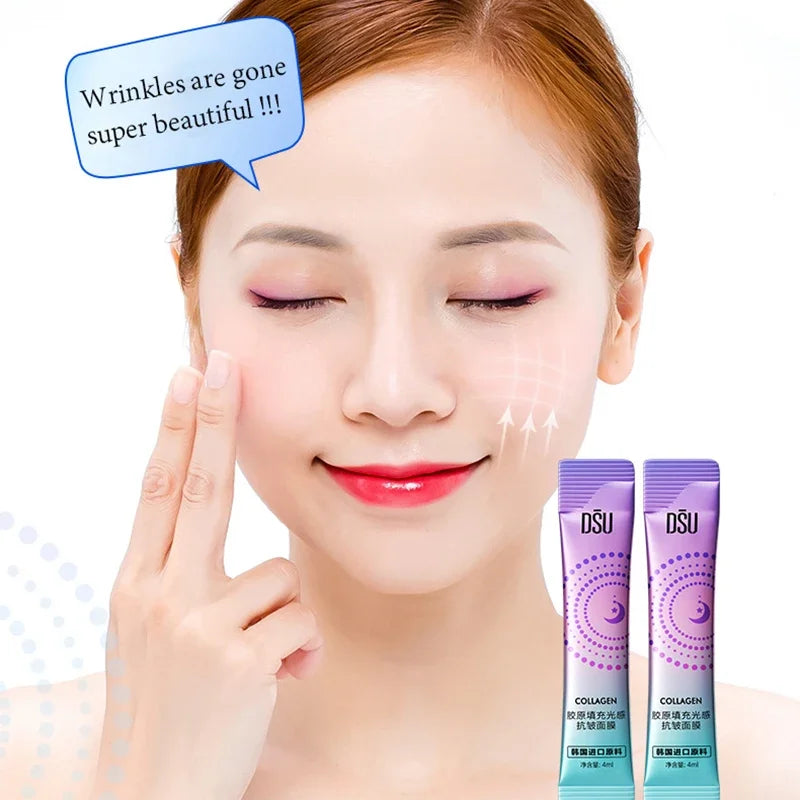
Korean hydrogel face mask vs traditional sheet mask – choose wisely 💡 See it in action
How to Choose the Right Mask for Your Routine
Choosing between hydrogel masks and sheet masks depends on your skin goals, budget, and routine.
- For dryness or aging concerns: Try collagen hydrogel masks that provide deep hydration.
- For dull or tired skin: Brightening sheet masks can help restore radiance.
- For simple maintenance: Affordable sheet masks work well for regular hydration.
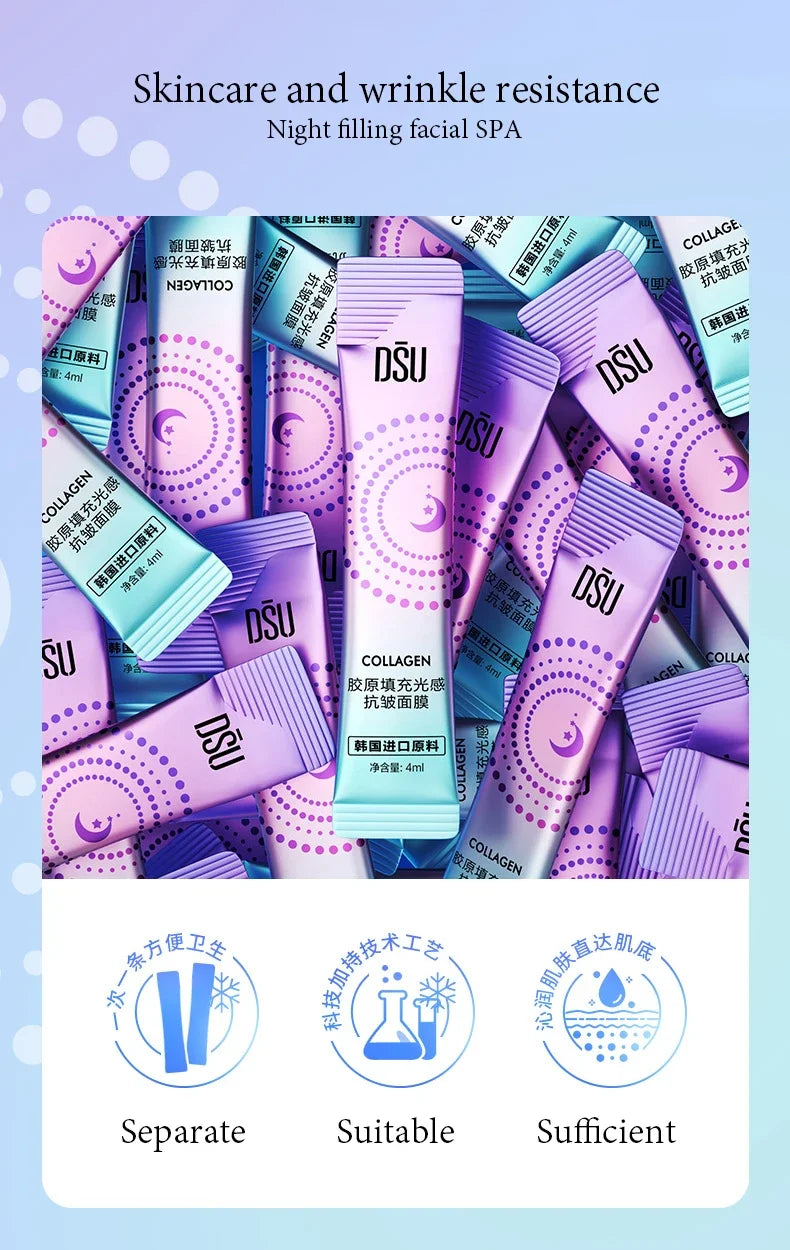
Hydrogel masks Korean – the glow upgrade your skin deserves 💡 See it in action
Do Koreans Use Face Masks Every Day?
Daily sheet masking became popular in Korean skincare routines because it provides lightweight hydration and nourishment. Many people use sheet masks regularly as part of their evening skincare routine.
Hydrogel masks, however, are typically used two to three times per week because they deliver more concentrated hydration and treatment benefits.
FAQs About Hydrogel vs Sheet Masks
Are hydrogel masks better than sheet masks?
Hydrogel masks often provide stronger hydration because they create an occlusive barrier that prevents moisture loss. However, sheet masks can still be highly effective depending on the serum ingredients.
Are hydrogel masks better for hydration?
Yes, hydrogel masks are generally better for deep hydration because their gel structure helps trap moisture and slowly release hydrating ingredients into the skin.
Can you use hydrogel masks daily?
Most hydrogel masks are designed for occasional treatments rather than daily use. Many skincare routines recommend using them two to three times per week.
Hydrogel vs bio-cellulose sheet mask — which absorbs better?
Both materials support strong ingredient absorption. Hydrogel masks release ingredients gradually, while bio-cellulose masks deliver serum quickly through direct contact with the skin.
Which mask type is best for beginners?
Sheet masks are usually the easiest starting point for beginners because they are affordable, widely available, and simple to add to a skincare routine.
Pillar Article: Collagen Sheet Masks Compared: Which One Truly Works Best?
Other Related Articles:
- Overnight Collagen Mask Reviews: The Best and Worst Ranked
- Korean Hydrogel Mask Showdown: What’s Worth Buying in 2025
- Facial Collagen Mask Reviews No One Is Talking About
- The Hidden Truth: Do Collagen Facial Masks Really Work?
Explore More:













