

Does LED light therapy really work?
LED light therapy guide treatments use specific red and blue wavelengths to speed skin repair, reduce inflammation, and improve acne by energizing cellular activity. Most users see calmer, brighter skin within 2–4 weeks because LEDs support natural healing without heat or downtime.
LED Light Therapy Guide: Use Red & Blue Light for Fast Skin Repair
This led light therapy guide shows how red and blue wavelengths can repair skin faster than you expect, revealing why these noninvasive tools outperform many traditional treatments. From soothing inflammation to speeding cell renewal, the results often surprise first-time users—so what hidden benefits are you missing out on?
⏱ 8 min read
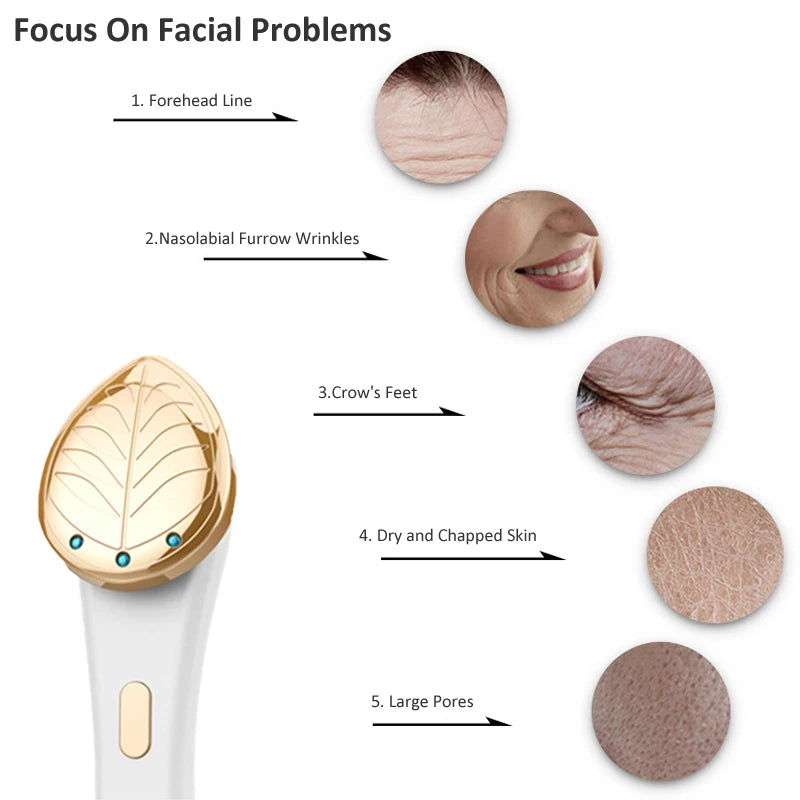
LED light therapy guide — learn how red & blue wavelengths transform skin 💡 See it in action
What Is LED Light Therapy & Why It Works for Fast Skin Repair
LED light therapy guide treatments use medical-grade wavelengths to stimulate cell energy, boost collagen, reduce acne bacteria, and calm irritation without heat or damage. Home devices use the same scientific principles as in-clinic treatments, but with consistent use, you can achieve visible results at home for a fraction of the cost.
Have you ever wondered why your skin doesn’t bounce back as quickly as it used to? Or why breakouts linger even when you’ve changed your routine? LED delivers energy directly into the skin—no pain, no downtime, no harsh actives—to help your complexion recover faster.
Which wavelength should you choose—red or blue? Read on!
How Red & Blue Light Repair Skin Faster (Backed by Research)
How Red Light Boosts Collagen & Reduces Redness
Red light penetrates deeper layers to stimulate fibroblasts, boost collagen, improve elasticity, and calm chronic inflammation. This wavelength is especially loved for anti-aging because it softens fine lines and supports stronger, healthier skin structure over time.
- Improves fine lines and wrinkles
- Speeds wound and barrier repair
- Reduces post-acne redness
- Enhances overall glow
How Blue Light Clears Acne & Reduces Breakouts
Blue light targets surface-level acne-causing bacteria (P. acnes). It’s ideal for oily, congested, or breakout-prone skin. Consistent use helps prevent new blemishes, reduce inflammation, and shorten active breakout duration.
- Kills acne bacteria
- Reduces active breakouts within days
- Cuts down oil production
- Helps prevent future clogged pores
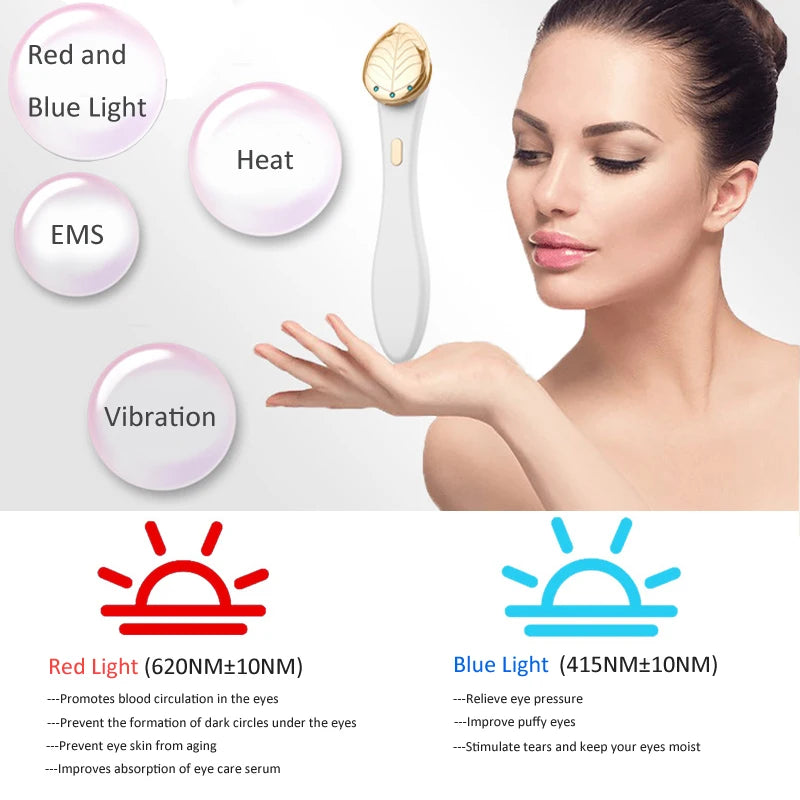
LED light therapy guide mid-routine — red and blue light benefits 💡 See it in action
Step-by-Step: How to Use LED Light Therapy at Home for Best Results
How to Use LED Light at Home (Quick Guide)
This LED light therapy guide provides a simple process to maximize skin benefits: cleanse, apply LED for 10–15 minutes, moisturize for barrier support, and repeat 3–5 times per week. Consistency—not intensity—is what produces visible improvements in glow, clarity, and skin resilience.
- Start with a clean face. No makeup, sunscreen, or oils.
- Choose your mode: red for aging, blue for acne, or alternate.
- Use for 10–15 minutes. Most users see results within 3–4 weeks.
- Apply moisturizer or serum afterward. LED increases absorption.
- Repeat regularly. Aim for 3–5 sessions weekly.
Tip: Pair LED therapy with calming devices like the KentDO™ EMS Microcurrent Face Lifting Massager to reduce stress-driven breakouts and improve circulation.
Red vs. Blue Light Comparison Table
| Feature | Red Light | Blue Light |
|---|---|---|
| Main Benefit | Anti-aging & repair | Acne clearing |
| Depth of Penetration | Deep (collagen layer) | Shallow (surface acne) |
| Ideal For | Fine lines, dullness, redness | Breakouts, oily skin |
| Time to See Results | 2–4 weeks | 5–7 days |
Common LED Light Therapy Mistakes to Avoid
- Using it inconsistently. LED results come from repetition, not intensity.
- Expecting overnight transformation. Improvements build cumulatively.
- Skipping sunscreen. Healthy skin needs daily protection.
- Using harsh exfoliants right before LED. Can cause irritation.
- Holding the device too far away. Closer contact = better results.
Why Pair LED Therapy With Relaxation Devices for Better Results
LED therapy works best when your body is in a low-stress state. If you’re dealing with muscle tension, tech-neck, or chronic stress, your skin can’t repair efficiently. That’s why many users see faster results when combining LED with calming tools that improve circulation and oxygen flow.
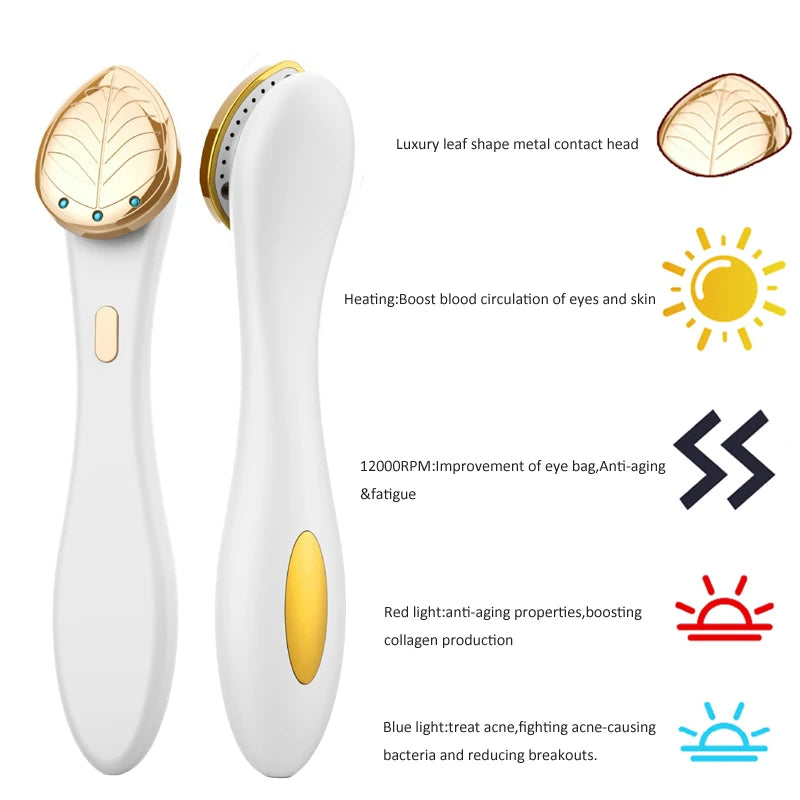
Enhance your LED routine — led light therapy guide synergy 💡 See it in action
The KentDO™ EMS Microcurrent Face Lifting Massager helps relax tension in the neck and shoulders—areas that often restrict circulation. A relaxed body supports faster skin healing, better LED absorption, and more consistent results.
FAQ
How often should I use LED light therapy?
Most dermatologists recommend 3–5 times per week for the first month, then 1–3 times weekly for maintenance.
Is LED safe for sensitive skin?
Yes. LED is noninvasive and suitable for sensitive skin because it doesn’t use heat or UV.
Can I mix red and blue light in one routine?
Yes. Many devices allow alternating modes or dual wavelengths for combined anti-aging and acne benefits.
How long until I see results?
Most users notice calmer, brighter skin within 2–4 weeks, while acne improvements may appear in 5–7 days.
Does LED replace professional treatments?
Not entirely, but consistent at-home LED sessions can maintain and prolong professional results.
Pillar Article: Improve Skin Elasticity: A Step-by-Step Guide to Firmer Skin at Home
Other Related Articles:
- Microcurrent Skincare Routine: Build the Perfect 10-Minute Lift
- How to Lift Face Naturally: Daily Techniques Anyone Can Follow
- Microcurrent Facial Benefits: How to Use It for Everyday Lifting
Explore More:













