

Muscle Stimulation EMS: How It Works, Benefits, Settings & Results
Muscle stimulation EMS uses controlled electrical impulses to activate motor nerves and produce skeletal muscle contractions. Unlike voluntary exercise, where the brain sends signals through the nervous system to contract a muscle, EMS delivers stimulation externally through electrodes or treatment heads. That can make EMS useful for muscle activation, rehabilitation, and selected fitness or aesthetic goals—but it is not a universal replacement for exercise.
Understanding how electrical muscle stimulation works is important before choosing a device or setting up an at-home routine. The type of stimulation, frequency, pulse width, intensity, session duration, electrode placement, and recovery schedule can all affect the experience and potential outcome. It is also important to distinguish EMS from related technologies such as TENS and NMES.
What Is Muscle Stimulation EMS?
Electrical muscle stimulation, commonly called EMS, is a technique that uses controlled electrical impulses to stimulate nerves involved in muscle contraction. When the appropriate nerves are activated, the targeted skeletal muscle contracts. Depending on the protocol and intended use, EMS may be used to support muscle activation, rehabilitation, fitness, or muscle-toning goals.
How Electrical Muscle Stimulation Activates Muscles
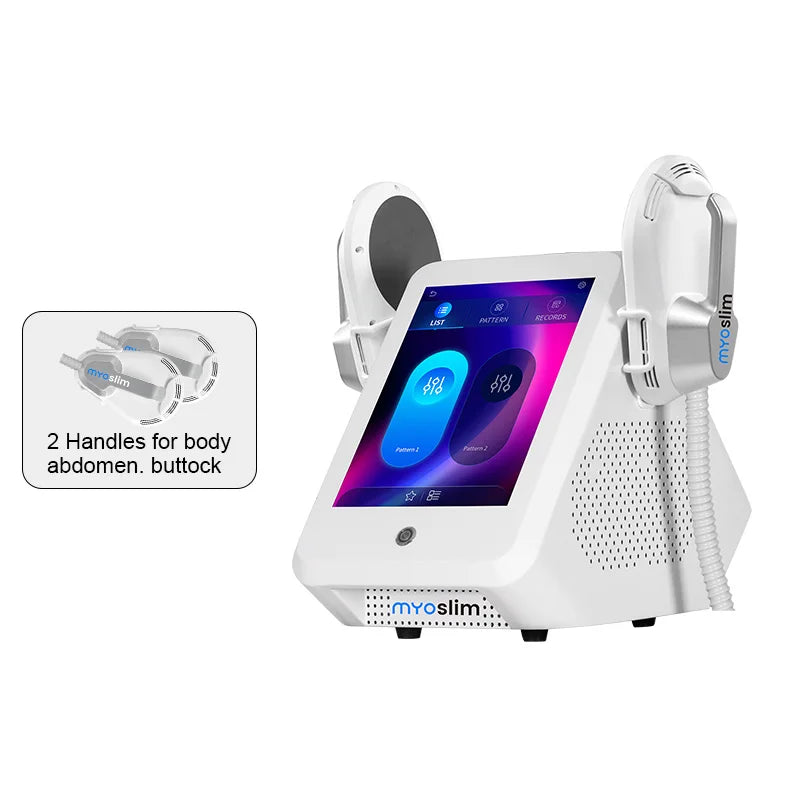
An EMS system delivers electrical pulses through electrodes or treatment heads positioned over a target area. These impulses interact with motor nerves, which can trigger motor units and produce controlled muscle contractions. The resulting contraction may be visible or felt as the muscle tightens and releases.
EMS vs Natural Muscle Contraction
During normal voluntary movement, the brain and nervous system coordinate muscle activation based on the movement being performed. EMS instead introduces an external electrical stimulus to activate nerves. Because of this difference, EMS does not automatically reproduce every benefit of voluntary exercise, including cardiovascular conditioning, coordination, mobility, and the broader adaptations associated with resistance training.
How Does EMS Muscle Stimulation Work?
EMS works through a sequence of electrical stimulation, nerve activation, motor-unit recruitment, and muscle contraction. Repeated sessions using an appropriate protocol may support muscle activation or selected rehabilitation and training objectives.
1. Electrical Current Reaches the Motor Nerves
Electrodes or treatment heads deliver controlled electrical pulses through the skin. The stimulation parameters determine how the pulses are delivered and how the targeted tissue responds.
2. Motor Units Are Recruited
The electrical stimulus can activate motor nerves associated with the targeted muscle. Motor units consist of a motor neuron and the muscle fibers it controls. EMS therefore provides an external pathway for producing a controlled contraction.
3. Skeletal Muscle Contracts
Once the relevant motor units are activated, the skeletal muscle contracts. Depending on the selected program and intensity, contractions may feel like repeated tightening, pulsing, or rhythmic muscle work.
4. Repeated Sessions Can Produce Training or Rehabilitation Effects
A single session primarily produces an immediate stimulation and contraction effect. Repeated, appropriately dosed sessions may provide more meaningful changes in muscle activation, strength support, or rehabilitation. The result depends on the protocol, target muscle, intensity, consistency, baseline condition, and the individual's overall training or recovery plan.
EMS vs TENS vs NMES: What Is the Difference?
EMS, NMES, and TENS all use electrical stimulation, but their intended applications can differ. Understanding those distinctions helps prevent consumers from choosing a device based only on the word “electrical.”
EMS: Electrical Muscle Stimulation
EMS generally refers to electrical stimulation intended to activate muscles and produce controlled contractions. Consumer EMS systems are commonly positioned around muscle activation, toning, fitness support, or body-sculpting applications.
NMES: Neuromuscular Electrical Stimulation
NMES emphasizes stimulation of nerves that activate muscles and is particularly associated with rehabilitation and therapeutic applications. Protocols may be selected to help support muscle activation when normal voluntary activation is limited.
TENS: Transcutaneous Electrical Nerve Stimulation
TENS is primarily associated with electrical nerve stimulation for pain-management applications rather than muscle-training or muscle-toning goals. A TENS device should therefore not automatically be treated as equivalent to an EMS system.
Quick Comparison: EMS vs NMES vs TENS
| Technology | Primary focus | Target | Common context |
| EMS | Muscle activation and contraction | Motor nerves and skeletal muscle | Fitness, toning, muscle stimulation |
| NMES | Neuromuscular activation | Nerves that activate muscles | Rehabilitation and clinical applications |
| TENS | Nerve stimulation for pain management | Sensory nerves | Pain-management applications |
Benefits of EMS Muscle Stimulation
Muscle Activation and Strength Support
EMS can provide targeted muscle contractions and may support muscle activation and strength-related goals when used consistently with an appropriate protocol. This can be particularly relevant when voluntary muscle activation is difficult or when stimulation is being incorporated into a broader training strategy.
Muscle Rehabilitation
Electrical muscle stimulation can have a role in rehabilitation-oriented applications, particularly when supporting muscle activation is part of the recovery process. Following an injury or surgery, the appropriate protocol may need to be determined by a physical therapist or other qualified professional rather than copied from a generic consumer program.
Muscle Toning and Appearance
For aesthetic users, EMS may contribute to the appearance of muscle tone by producing repeated contractions and supporting muscle activation. However, “toning” should not be interpreted as an automatic fat-loss effect. Visible definition depends on both muscle development and the amount of body fat covering the muscle.
When EMS May Complement Exercise
EMS is generally better understood as a complement to physical training rather than a universal replacement for resistance exercise. Exercise provides cardiovascular, coordination, mobility, strength, and systemic benefits that electrical stimulation alone does not fully reproduce.
EMS Settings Explained: Frequency, Pulse Width, and Intensity
EMS settings are not interchangeable across every device or user. Frequency, pulse width, intensity, session duration, contraction-to-rest ratio, and electrode placement should be selected according to the device instructions and intended objective.
Pulse Frequency
Pulse frequency describes how frequently electrical pulses are delivered, typically expressed in hertz (Hz). Frequency can influence the character and sustainability of muscle contractions. A higher setting is not automatically better; the appropriate range depends on the device, program, muscle, and intended use.
Pulse Width
Pulse width describes the duration of an individual electrical pulse. Together with frequency and intensity, it influences how stimulation interacts with nerves and muscle tissue. Because device designs vary, users should follow the manufacturer's protocol rather than assume that one pulse width works for every system.
Electrical Stimulation Intensity
Intensity determines how strong the electrical stimulation feels and how pronounced the resulting contraction may be. The practical goal is not simply to select the highest possible intensity. A controlled, tolerable stimulation appropriate to the protocol is more useful than chasing maximum output.
Session Duration, Rest, and Progression
Session length and recovery are part of the overall stimulation dose. Excessive stimulation without adequate recovery can make sessions uncomfortable and may interfere with normal muscle recovery. Gradual progression is generally more sensible than immediately attempting the strongest or longest available program.
Why You Should Follow the Device Protocol
Generic EMS settings found online should not be treated as universal prescriptions. Different systems use different stimulation characteristics, treatment heads, electrode configurations, programs, and intended applications. Follow the instructions supplied with the specific device.
How to Use EMS Muscle Stimulation at Home
An at-home EMS routine should be simple, controlled, and consistent with the device's instructions. The objective is targeted stimulation—not maximum discomfort.
Step 1: Choose the Correct Muscle and Program
Select the program intended for your target area and objective. For example, an abdominal stimulation program may differ from one intended for the glutes or thighs.
Step 2: Prepare the Skin and Position Electrode Pads
Use clean, intact skin and position electrodes or treatment heads according to the manufacturer's placement instructions. Do not improvise placement on sensitive or inappropriate body locations.
Step 3: Start at a Comfortable Intensity
Begin at a tolerable level and increase gradually when appropriate. A normal session may involve noticeable pulsing and controlled muscle contractions, but significant pain is not the goal.
Step 4: Complete the Session and Allow Recovery
Complete the recommended session rather than extending it simply because the stimulation feels manageable. Allow the targeted muscles time to recover, and avoid treating excessive frequency or intensity as a shortcut to faster results.
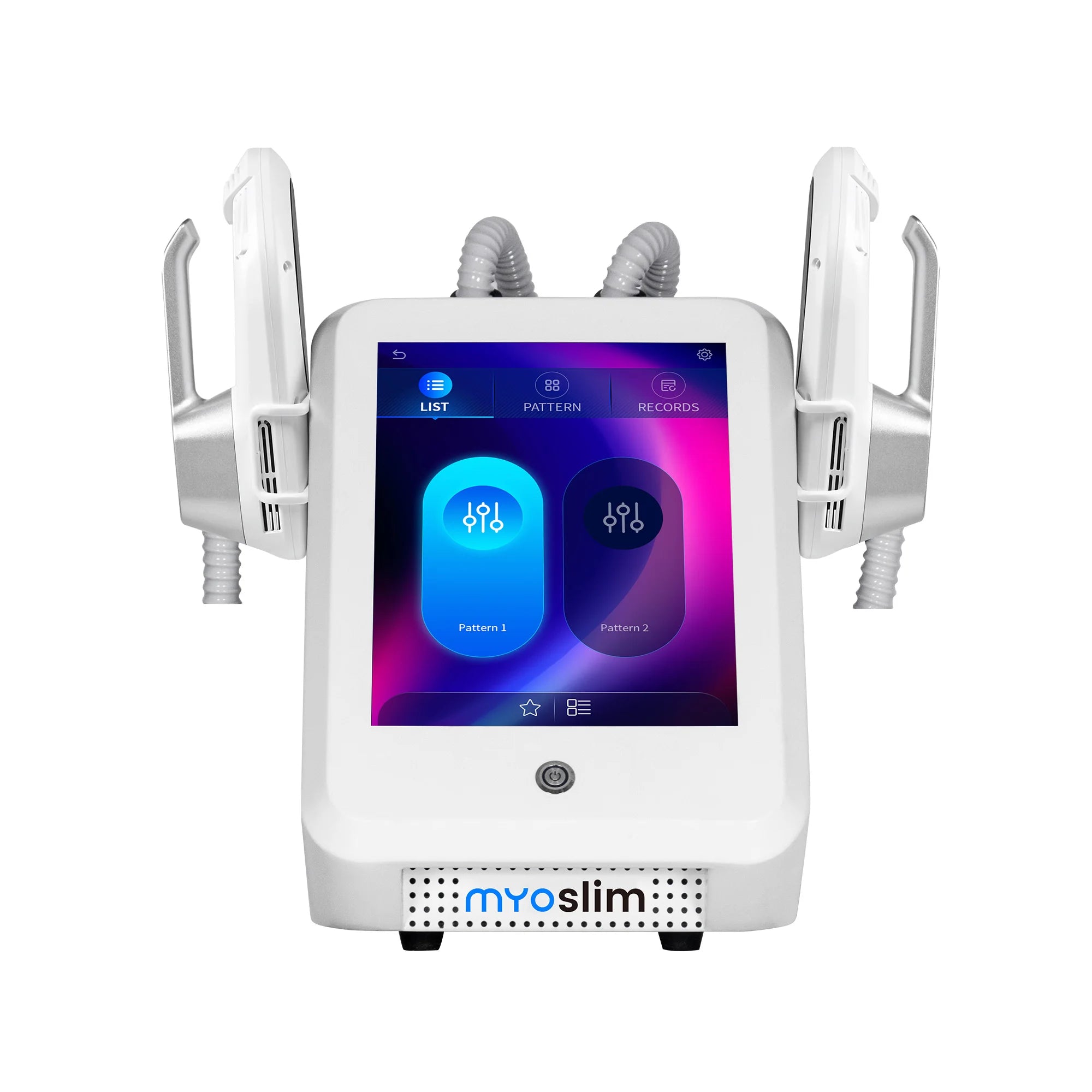
For users interested in a targeted home body-sculpting setup, the MYOSLIM EMS Body Sculpting Machine combines EMT and EMS technology with adjustable 20–100 Hz frequency, four detachable treatment heads, and 20–30 minute sessions. It is designed to target areas including the abdomen, buttocks, thighs, arms, and back. The product should be evaluated based on its intended use, available controls, treatment-head configuration, and manufacturer instructions rather than marketing promises.
For additional wellness-device options, explore the Body Care and Health Devices collection.
EMS Results: What Can You Realistically Expect?
Short-Term Effects
Immediately after stimulation, users may notice temporary muscle fatigue, contraction sensations, or an increased awareness of the targeted muscle. These short-term effects should not be confused with permanent muscle growth or significant body-fat reduction.
Results After Consistent Use
Meaningful strength or appearance changes generally require repeated sessions, appropriate stimulation, sufficient recovery, and consistency. Results vary substantially depending on baseline fitness, muscle size, protocol, intensity, electrode placement, nutrition, and training status.
EMS and Muscle Hypertrophy
Electrical stimulation can contribute to muscle development under appropriate conditions, but EMS should not automatically be equated with gym-based resistance training. Muscle hypertrophy depends on an adequate training stimulus and recovery process, and the outcome from electrical stimulation varies according to the protocol and individual.
Does EMS Burn Fat?
EMS creates muscle contractions, but that does not make it a standalone fat-loss solution. Local stimulation should not be confused with meaningful whole-body fat reduction. Body-fat changes depend on broader energy balance and lifestyle factors rather than muscle contractions alone.
Why Results Vary
Two people can use similar stimulation and experience different results. Important variables include baseline muscle condition, program selection, stimulation intensity, frequency, electrode placement, consistency, nutrition, recovery, and whether EMS is being combined with conventional exercise.
EMS for Rehabilitation vs Aesthetic Muscle Toning
EMS in Muscle Rehabilitation
Rehabilitation applications may focus on supporting muscle activation when normal movement or voluntary activation is impaired. Because injury and recovery circumstances differ, rehabilitation-oriented stimulation should be guided by the relevant clinical protocol when professional care is involved.
EMS for Fitness and Muscle Toning
Fitness and aesthetic applications generally focus on targeted muscle contraction, activation, and appearance. These goals can be appropriate for consumer devices, provided users maintain realistic expectations and understand that EMS does not replace the complete benefits of physical exercise.
When Professional Guidance Matters
A physical therapist, clinician, or other qualified professional may need to determine the appropriate protocol when EMS is being used during injury recovery, after surgery, or for a condition that affects normal muscle activation.
Educational content about body-care technology can also be found in the Body & Face Blog and Beauty & Self-Care Blog.
How to Choose an EMS Muscle Stimulation Device
Check the Intended Use
First determine whether a device is designed for muscle stimulation, pain relief, rehabilitation, or cosmetic use. A device designed for one purpose should not automatically be assumed to provide the same function as a device designed for another.
Look for Adjustable Stimulation Parameters
Useful controls may include frequency, pulse width, intensity, preset programs, and session timing. Adjustable settings can make it easier to match stimulation to the device's intended protocols and different treatment areas.
Evaluate Treatment-Head or Electrode Quality and Placement Options
Electrode or treatment-head design affects usability and placement flexibility. Consider the size and configuration of the treatment heads, how securely they stay positioned, whether replacement components are available, and whether the placement instructions are clear.
Avoid Devices That Promise Effortless Fat Loss
Claims suggesting that EMS alone will eliminate substantial body fat should be treated cautiously. A credible EMS device should be evaluated primarily on its intended stimulation function, controls, usability, safety information, and suitability for the user's goal.
For example, the MYOSLIM EMS Body Sculpting Machine offers adjustable 20–100 Hz frequency, dual treatment capability, four detachable treatment heads, and a 10-inch HD touchscreen. Those features can make it relevant for users looking for a configurable muscle-stimulation system, but the appropriate program and intensity should still follow the product's instructions.
EMS Safety: Who Should Avoid Electrical Muscle Stimulation?
Electrical stimulation is not appropriate for everyone. Before using EMS, review the manufacturer's safety information and consider whether any medical or skin-related factors require professional guidance.
Before Using EMS, Check These Safety Factors
- Check whether you have an implanted electronic device or another condition that could make electrical stimulation inappropriate.
- Review pregnancy-related precautions before use.
- Consider significant medical conditions and ask a qualified professional when suitability is uncertain.
- Do not apply stimulation over damaged, irritated, or otherwise unsuitable skin.
- Follow all contraindications and placement restrictions provided by the device manufacturer.
Where Not to Place Electrode Pads
Electrodes or treatment heads should be positioned only as directed by the manufacturer. Avoid sensitive or inappropriate body locations, and do not experiment with alternative placements simply to produce a stronger sensation.
Stop If You Experience Concerning Symptoms
Stop the session if you experience significant pain, skin injury, unusual symptoms, or an abnormal reaction. If symptoms are concerning or persist, seek appropriate professional advice.
EMS Muscle Stimulation Myths: What the Evidence Actually Supports
Myth: EMS Can Replace All Exercise
EMS can produce targeted muscle contractions, but it does not reproduce the full cardiovascular, coordination, mobility, balance, and systemic benefits of exercise. It is more accurately viewed as a complementary technology when the goals and protocol are appropriate.
Myth: Stronger Stimulation Always Means Better Results
More intensity is not automatically better. Tolerability, appropriate dosing, recovery, electrode placement, and consistency all matter. A sustainable protocol is more useful than repeatedly pushing stimulation to uncomfortable levels.
Myth: EMS Automatically Burns Body Fat
EMS primarily stimulates targeted muscles. Muscle contraction should not be presented as equivalent to meaningful whole-body fat loss. Consumers should be skeptical of products that position electrical stimulation as an effortless substitute for comprehensive fat-loss strategies.
Myth: One Session Produces Permanent Muscle Growth
A single session can create a temporary contraction and fatigue response, but lasting adaptations require repeated and appropriately dosed stimulation over time. Consistency and recovery are essential to evaluating results.
Conclusion: Where Muscle Stimulation EMS Fits
Muscle stimulation EMS works by using controlled electrical impulses to activate nerves associated with skeletal muscle contraction. Its potential applications range from muscle activation and rehabilitation support to selected fitness and aesthetic goals. The most important factors are not simply how powerful a device feels, but whether its stimulation parameters, treatment method, placement, session structure, and intended use fit the user's objective.
EMS should also be approached with realistic expectations. It can complement an established wellness or training routine, but it does not universally replace exercise and should not be treated as a standalone fat-loss solution. For at-home use, prioritize clear instructions, adjustable and appropriate settings, sensible recovery, and safety screening.
If you are comparing configurable systems for targeted muscle stimulation and body contouring, you can explore the MYOSLIM EMS Body Sculpting Machine as one example of an EMT + EMS system with adjustable frequency and multiple treatment heads.
Pillar Article: Best Abdominal Muscle Stimulation Devices in 2026













