
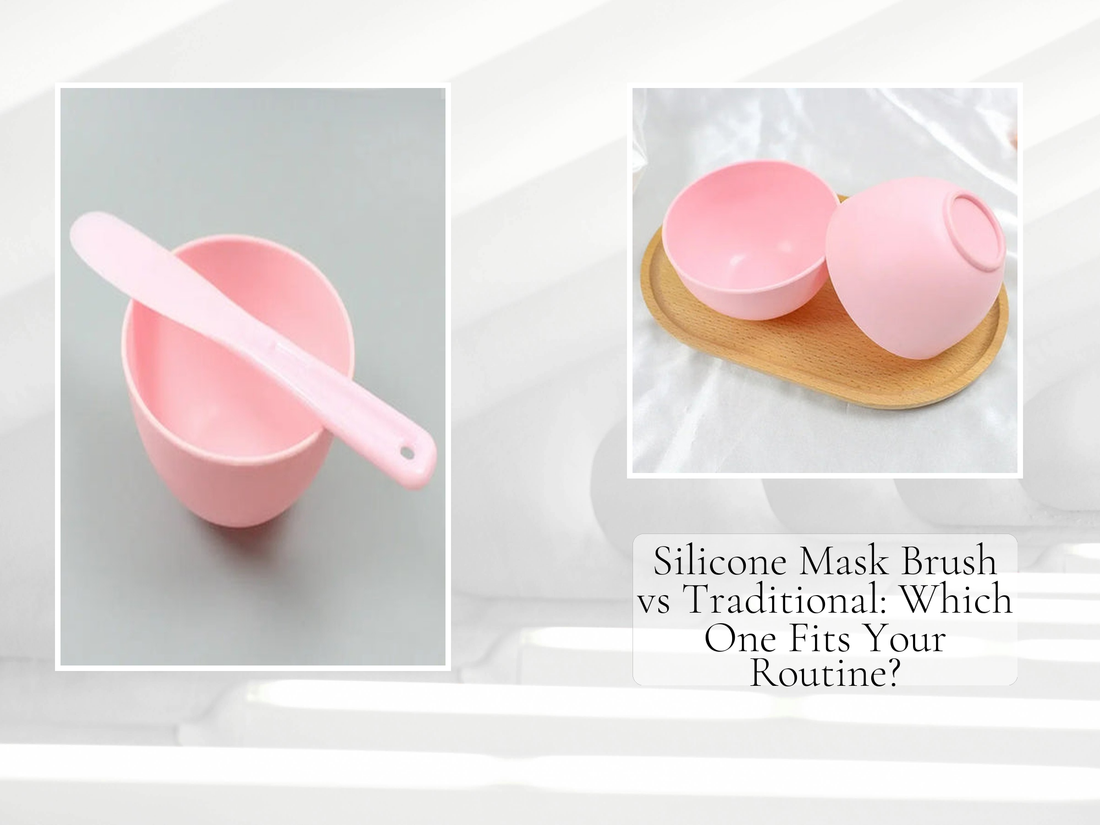
Silicone Mask Brush: Best Picks, Benefits & Silicone vs Bristle Comparison
A silicone mask brush delivers smoother, cleaner, and more hygienic mask application compared to traditional tools. If you want less waste, faster cleanup, and better results, choosing the right applicator can upgrade your entire skincare routine.
⏱ 7 min read
Best Silicone Mask Brushes (Tested & Compared)
Quick Comparison Table
- Best Overall: Flexible, medium-density silicone head, balanced control
- Best for Sensitive Skin: Ultra-soft tip with smooth edges
- Best for Clay Masks: Firm, flat applicator for thick formulas
- Best Budget: Lightweight, simple design, easy to clean
- Best Travel-Friendly: Compact handle with protective cap
Best Overall Silicone Mask Brush
A balanced silicone mask brush combines flexibility and firmness, allowing smooth, even application without streaking. Ideal for most mask types, including cream and gel formulas.
Best for Sensitive Skin
Look for ultra-soft silicone tips with rounded edges. These glide over delicate skin without irritation, making them perfect for redness-prone or reactive skin types.
Best for Thick Clay Masks
Clay masks require a firmer, spatula-like silicone head. This design helps spread dense formulas evenly without dragging or clumping.
Best Budget Option
Affordable silicone applicators still deliver hygiene benefits. Choose simple, one-piece designs for durability and easy cleaning.
Best Travel-Friendly Brush
Compact brushes with caps or foldable handles keep your applicator clean on the go, making them ideal for gym bags or travel kits.

💡 Silicone mask brush vs mask applicator — smooth, clean application starts here!
Why Choose a Silicone Mask Brush? (Benefits That Matter)
- More hygienic: Non-porous silicone resists bacteria buildup better than bristles.
- Less product waste: Silicone doesn’t absorb product, so you use less mask per application.
- Easy to clean: Rinse with water in seconds—no deep washing required.
- Smoother application: Spreads masks evenly without streaks or clumps.
- Durable: Doesn’t shed, fray, or degrade like traditional brushes.
For most users, these advantages make a silicone face mask applicator a practical and hygienic upgrade.
Silicone Face Brush vs Bristle: Which Is Better?
Hygiene & Bacteria Resistance
Silicone is non-porous, meaning it doesn’t trap bacteria or leftover product. Bristle brushes can harbor buildup if not cleaned thoroughly.
Product Absorption & Waste
Bristles absorb part of your mask, leading to product waste. A silicone mask brush keeps product on the surface, helping you use less.
Application Precision & Texture Handling
Silicone brushes excel with gel and cream masks, offering smooth, even layers. Bristles may work better for ultra-thin or liquid formulas.
Cleaning & Maintenance
Silicone brushes rinse clean instantly, while bristle brushes require deeper washing and drying time to stay hygienic.

💡 Try the silicone mask brush — effortless glide, less waste!
Who Should Use a Silicone Mask Brush?
Best for Acne-Prone & Sensitive Skin
If you’re prone to breakouts or irritation, a silicone applicator reduces bacteria transfer and minimizes friction on the skin.
Best for Clay, Gel, and Cream Masks
Silicone brushes handle thick and creamy textures effortlessly, spreading product evenly without clumping.
When a Traditional Brush Might Be Better
If you prefer ultra-light application or use very liquid masks, a soft bristle brush may provide slightly more control.
How to Use a Silicone Mask Brush (Step-by-Step)
- Start with clean, dry skin.
- Scoop a small amount of mask onto the brush.
- Apply evenly across your face using smooth strokes.
- Avoid the eye and lip areas.
- Rinse the brush immediately after use.
This method ensures even coverage while keeping your routine hygienic and mess-free.
Pros and Cons of Silicone Mask Brushes
Pros
- Highly hygienic and easy to clean
- Reduces product waste
- Durable and long-lasting
- Provides smooth, even application
Cons
- Less effective for very thin liquid masks
- No exfoliation benefit like some bristle brushes

💡 Upgrade your mask applicator — see the silicone mask brush in action!
Cleaning & Hygiene Advantages (Why Silicone Wins)
One of the biggest advantages of a silicone mask brush is how easy it is to keep clean. Unlike traditional brushes, silicone doesn’t absorb product or water.
- Rinse under warm water after each use
- Use mild soap if needed
- Air dry within minutes
This makes silicone applicators ideal for maintaining a hygienic skincare routine with minimal effort.
FAQ
Is a silicone mask brush better than a traditional brush?
Yes, a silicone mask brush is generally more hygienic, saves product, and is easier to clean. Traditional brushes provide a softer, spa-like feel but require more maintenance.
How often should I clean my silicone mask brush?
After every use. Simply rinse with warm water and mild soap for best results.
Can I use a silicone face brush everyday?
Yes, you can use a silicone face brush daily for applying masks, as long as you clean it after each use to maintain hygiene.
Can I use a silicone mask brush with all mask types?
Yes. Clay, gel, cream, or peel-off masks all spread smoothly with a silicone applicator.
Where can I buy a quality silicone mask brush?
You can find the KentDO Silicone Face Mask Bowl Set in our Skin and Beauty Care Devices collection.
Pillar Article: Mask Brush Applicator Guide: Which Type Works Best for Oily, Dry, or Combo Skin?
Other Related Articles:
Explore More:













