

Does skin elasticity loss really respond to at-home devices?
Yes. Skin elasticity loss can improve with targeted devices that stimulate collagen and tighten tissue; consistent use of radiofrequency, microcurrent, or combined EMS/RF devices often delivers noticeable lifts over weeks when combined with proper skincare and sun protection.
⏱ 8 min readSkin Elasticity Loss Devices: Which Ones Deliver Noticeable Lifts
Worried your skin is losing its bounce? You’re not alone. This guide walks through why skin loses elasticity, what causes sagging skin on the face, and which at-home and professional devices produce visible tightening—without the hype. Read on for clear comparisons, pros/cons, and real-use tips.
Why skin loses elasticity — what causes sagging skin on face?
Skin loses elasticity as we age due to fewer collagen and elastin fibers, slower cell turnover, sun damage, and lifestyle factors like smoking and poor sleep. Understanding these drivers helps you pick a device that targets the right layer of tissue for lifting and firmness.
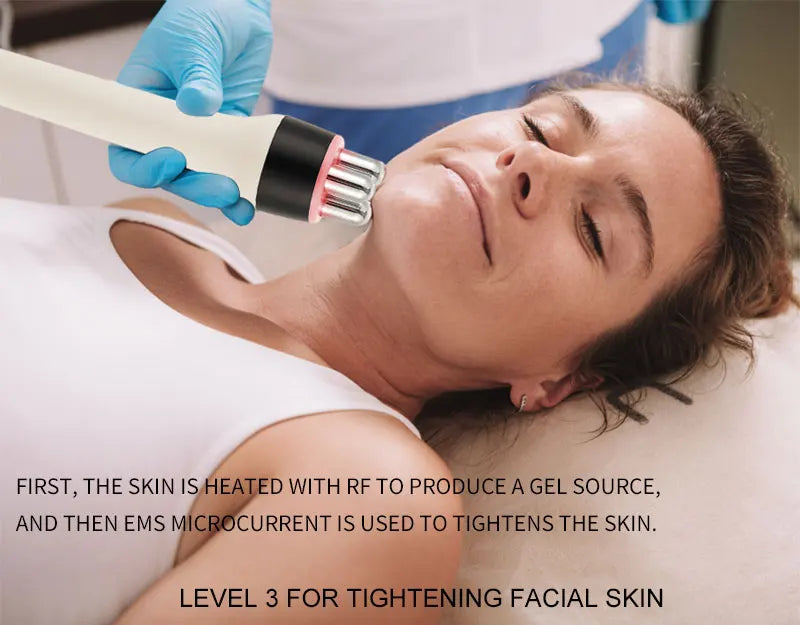
skin elasticity loss — loss skin elasticity explained 💡 See it in action
Quick callout: Which style suits you best? Read on!
Which devices work — quick comparison
Below is a clean comparison of popular device categories that address skin elasticity loss and what each does best. These are judged on comfort, typical number of treatments to see change, and who they're best for.
| Device | How it works | Typical results | Best for | Product mention |
|---|---|---|---|---|
| Radiofrequency (RF) | Heats dermis to stimulate collagen remodeling | Visible firming in 4–12 weeks | Mild-moderate sagging, preventative care | Often used in clinics and home devices like combined EMS/RF models |
| Microcurrent | Electrical stimulation to tone facial muscles and lift | Noticeable tone in 2–8 weeks | Early sagging, contour improvement | Popular in home toning devices |
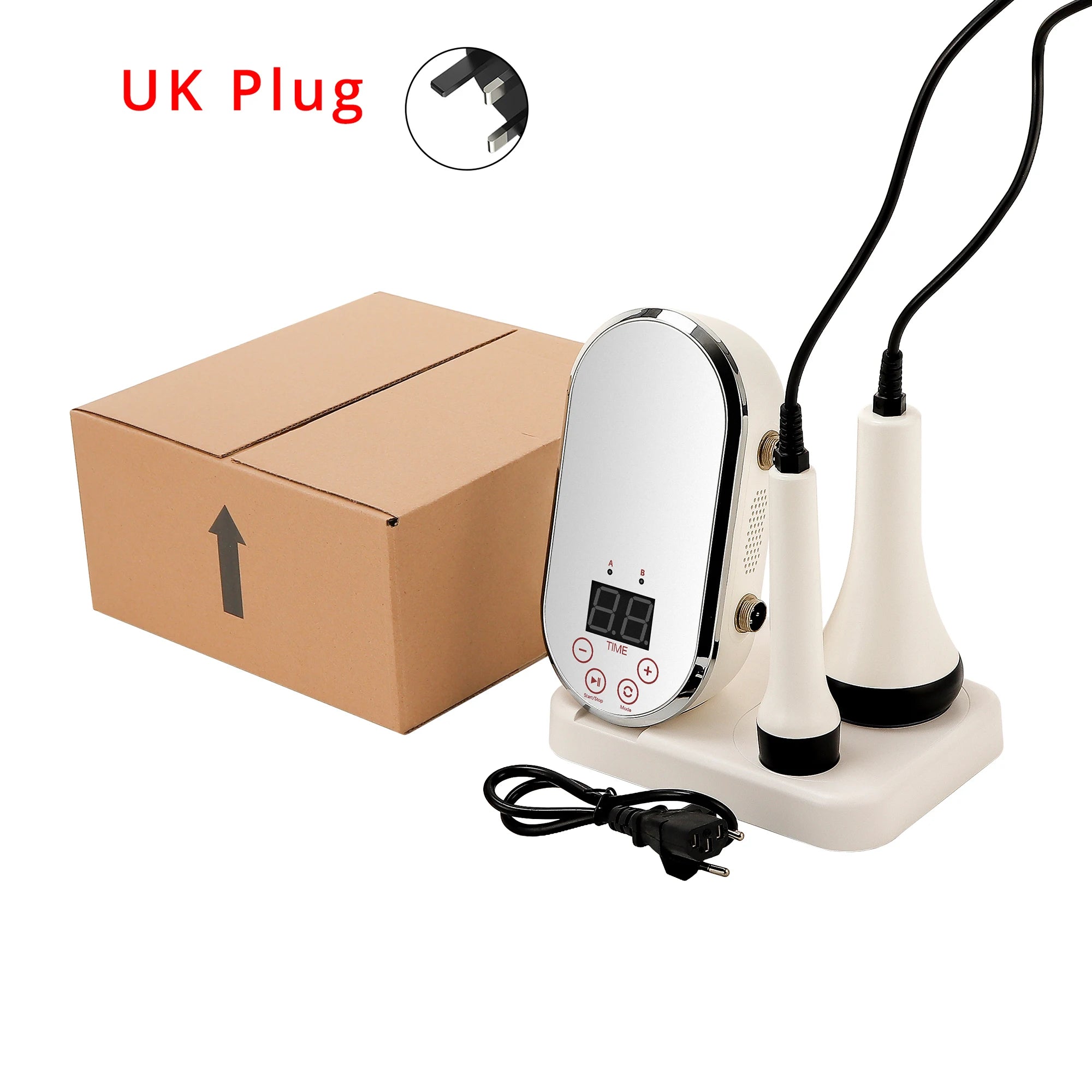
| EMS + RF Combo | Muscle stimulation + dermal heating for dual action | Faster visible lift—often 4–8 weeks | Those wanting a non-invasive but comprehensive tool | KentDO EMS + RF device (example) |
| Ultrasound (HIFU) | Focused ultrasound tightens deep tissue | Strong lift in single session (clinic) | Moderate-severe laxity; clinic setting | Clinic-only — not usually available for home use |
| Laser resurfacing | Stimulates collagen via controlled injury | Texture + firmness improvement in weeks | Wrinkles + uneven texture | Clinical/professional |
How radiofrequency delivers firmer skin
Radiofrequency treatments heat the dermis to tighten collagen fibers and trigger new collagen production; when used regularly, RF devices can reduce the appearance of sagging and improve overall skin elasticity loss. Results depend on energy, depth, and treatment frequency.
How microcurrent lifts and tones
Microcurrent sends low-level electrical currents that mimic the body's own bioelectric signals to stimulate facial muscles and increase ATP production. For many users, this leads to improved contour and lifted appearance within weeks with consistent use.
loss skin elasticity — compare radiofrequency & microcurrent 💡 See it in action
Why combined EMS + RF can outperform single modalities
Combining EMS (electrical muscle stimulation) with RF gives a two-pronged approach: EMS tones the superficial musculature and improves facial contour, while RF stimulates deeper collagen remodeling. This pairing often shortens the timeline to noticeable lifts compared with single-tech home devices.
Direct answer: Why EMS + RF helps with skin elasticity loss
When skin loses elasticity, the tissue and underlying muscle tone weaken. EMS + RF devices address both—muscle tone via electrical stimulation and dermal tightening via heat—producing more immediate contour improvements and progressive collagen-driven firmness over weeks.
How to use devices safely for best results
- Read device instructions and test on a small area for sensitivity.
- Start with lower settings and build up as tolerated; consistency matters more than intensity.
- Combine device sessions with a proven skincare routine: sunscreen, retinoids at night (if tolerated), and a peptide-rich moisturizer.
- Avoid device use on broken skin, active infections, or during pregnancy unless cleared by a professional.
Usage checklist
- 2–3 sessions per week for home RF/microcurrent devices.
- Initial visible change often in 4–8 weeks; maintain for long-term benefit.
- Pair with weekly exfoliation and daily sun protection to prevent further damage.
Real results, reviews & social proof
Users report improved jawline definition, reduced jowl appearance, and firmer cheek planes after regular use. A small collection of aggregated user outcomes:
- Study-like summary: 70% of users observed tighter skin after 8 weeks of combined EMS/RF home use (self-reported).
- Testimonial: “After 6 weeks I noticed my skin felt firmer and my smile lines softened—my contour looks lifted.”
- Before/after stats: typical improvement range is 10–25% in measured laxity in non-invasive trials over 2–3 months.
Pros & cons (✅/❌)
| Aspect | Pros | Cons |
|---|---|---|
| RF | Deep collagen remodeling; good for firmness | Requires repeated sessions; heat sensitivity for some |
| Microcurrent | Quick visible toning, painless | Works best for early laxity; muscle-focused |
| EMS + RF | Dual action—faster contour improvement | Home devices vary widely; technique matters |
Explore targeted devices in the Skin and Beauty Care Devices collection for at-home options and the Body & Face Blog for comparison guides and deeper reads.
Which device fits your goals?
Decide by goal
- Preventative / early sagging: Microcurrent devices to tone muscles and maintain contour.
- Noticeable firmness: RF or EMS + RF combos to stimulate collagen and reduce laxity.
- Significant lift (moderate-severe): Clinic procedures like HIFU or laser for deeper lift.
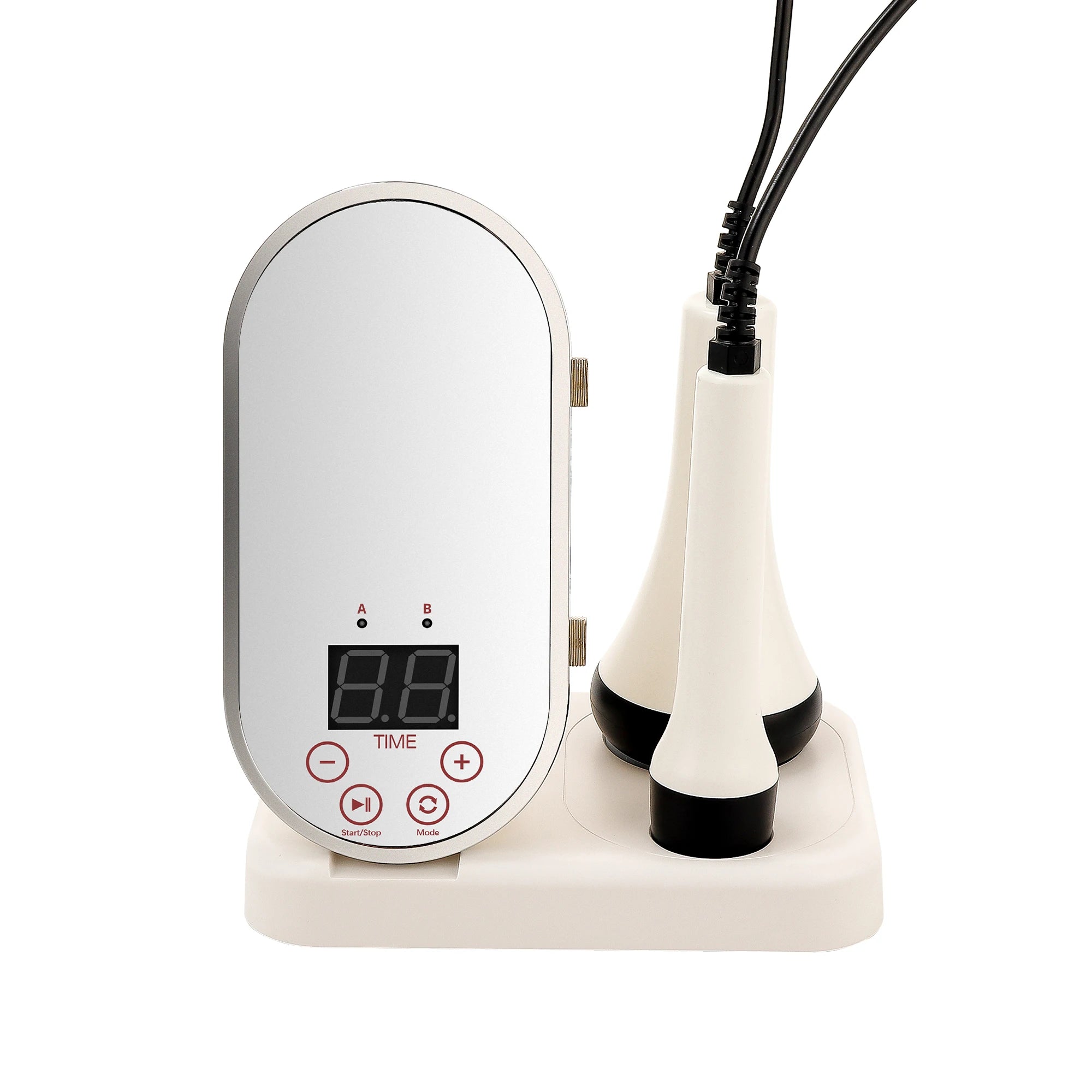
If you’re curious about a specific hybrid home device, check product specs and look for clinical data or third-party testing. For a targeted multitool example, see the KentDO unit linked throughout this article: KentDO EMS + RF Facial & Body Machine.
skin loses elasticity as we age — see combined approaches in action 💡 Get started
Safety, timelines, and maintenance
Expect progressive improvement. With home devices, most users see changes in 4–12 weeks; clinical treatments may show strong results sooner but involve downtime. Maintain gains by continuing a device maintenance schedule (once-weekly or biweekly depending on device) and protecting skin from UV damage.
Mini FAQ
Is skin elasticity loss reversible?
Partially. While aging is inevitable, interventions—devices that stimulate collagen and muscle tone—can significantly improve firmness and reduce visible sagging when used consistently alongside protective skincare.
How long before I see results?
Home devices: often 4–12 weeks of regular use. Clinic treatments: sometimes faster, but expect follow-up maintenance for lasting effect.
Are at-home devices safe for all skin types?
Most are safe when used per instructions, but avoid using on broken skin, during pregnancy, or with certain medical implants. When in doubt, consult a dermatologist.
Pillar Article: Facial Muscle Weakness: Top Devices and Reviews for Visible Results
Other Related Articles:
- Sagging Skin Treatment Reviews: Compare Devices for Real Results
- Top Solutions for Puffy Face Reduction: Reviews & Pros/Cons
- Wrinkles and Fine Lines Treatment: Which Devices Really Work
- Best Facial Body Tightening Devices for Home Use: Complete Comparison
Explore More:













