
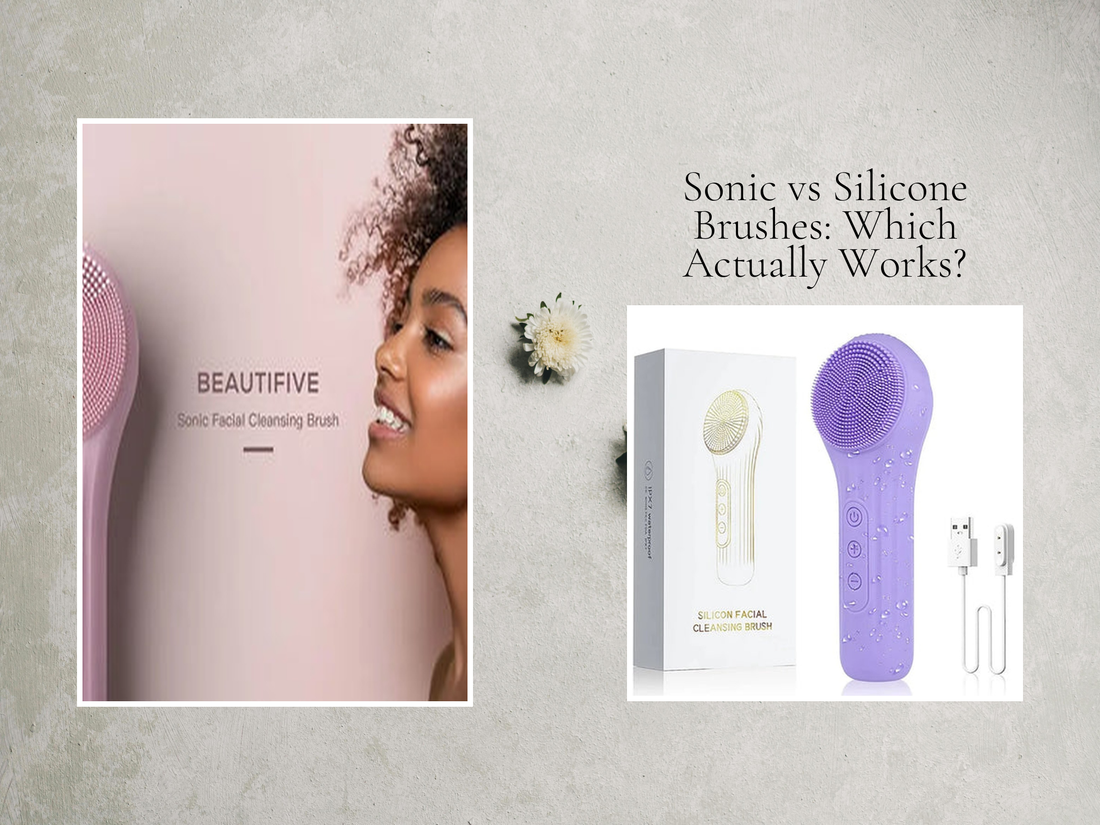
Which is better: a sonic face brush or a silicone brush?
A sonic face brush offers deeper pore cleansing and is ideal for oily, acne-prone, or aging skin, while silicone brushes are gentler and better for sensitive skin. If you want intensive cleansing and collagen stimulation, choose sonic. For mild daily use with minimal irritation, silicone is a safer pick.
⏱ 6 min read
Silicone Face Scrubber vs Brush: Which Cleansing Tool Is Best for Your Skin Type?
Choosing between a silicone face scrubber vs brush can be confusing when both promise deeper cleansing and smoother skin. Some skincare tools use soft silicone nodes for gentle exfoliation, while others rely on vibrating bristles to lift oil, makeup, and debris from pores. Understanding how these tools differ in hygiene, exfoliation strength, skin compatibility, and maintenance requirements can help you choose the cleansing tool that best fits your skincare routine.
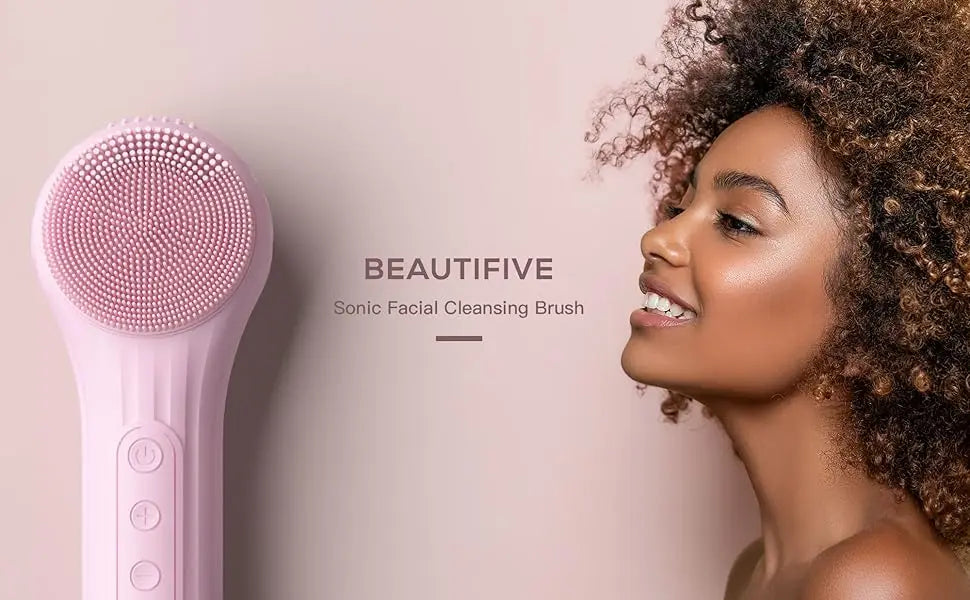
See the best sonic face brush in action – upgrade your daily cleanser today
Silicone vs Brush Face Cleanser: Quick Comparison
If you're comparing a silicone face scrubber vs brush, the biggest differences come down to hygiene, exfoliation intensity, maintenance, and skin sensitivity. Silicone tools are generally gentler and easier to keep clean, while bristle-based cleansing brushes often provide deeper exfoliation and stronger cleansing action.
Key Differences at a Glance
- Silicone is typically gentler on sensitive skin.
- Bristle brushes usually provide stronger physical exfoliation.
- Silicone resists bacterial buildup better than porous bristles.
- Sonic cleansing brushes can remove makeup and excess oil more aggressively.
- Silicone tools often last longer with less maintenance.
Silicone Face Scrubber vs Brush Comparison Table
- Hygiene: Silicone wins.
- Exfoliation: Brush wins.
- Sensitive skin: Silicone wins.
- Deep cleansing: Sonic brush wins.
- Maintenance: Silicone wins.
- Durability: Silicone wins.
- Acne-prone skin: Usually silicone.
- Heavy makeup removal: Sonic brush often performs better.
Understanding the Different Types of Facial Cleansing Tools
Many shoppers compare silicone face brushes and cleansing brushes without realizing there are several distinct categories. Understanding these differences makes it easier to choose the right device.
Manual Silicone Face Scrubbers
These handheld tools use flexible silicone touchpoints to help loosen dirt, sunscreen, and oil while providing very mild exfoliation.
Electric Silicone Face Cleansers
Electric silicone face cleansers combine silicone touchpoints with vibration or sonic technology to enhance cleansing while remaining relatively gentle on the skin barrier.
Traditional Bristle Facial Brushes
Traditional facial cleansing brushes use synthetic or natural bristles to physically exfoliate and remove debris from the skin surface.
Sonic Facial Cleansing Brushes
Sonic brushes use high-frequency oscillations or vibrations to improve cleansing efficiency. These devices are often marketed as premium cleansing tools for deeper cleansing and makeup removal.
How Silicone Face Scrubbers Work
A silicone face brush uses flexible silicone touchpoints to massage the skin while helping loosen oil, dirt, sunscreen, and makeup residue. Because silicone is non-porous, it tends to be easier to clean and maintain than traditional bristle materials.
Silicone Face Brush Benefits
- Gentle exfoliation
- Reduced friction on sensitive skin
- Easy cleaning and maintenance
- Long-lasting material durability
- Lower risk of bacterial retention
If you're learning proper maintenance, see our guide on how to clean a silicone face brush to keep your skincare tools hygienic.
Do Silicone Face Scrubbers Work?
Yes. Silicone face scrubbers can improve cleansing effectiveness compared with using hands alone. While they generally exfoliate less aggressively than bristle brushes, many users find they provide sufficient cleansing without causing excessive irritation. For best results, pair them with a consistent skincare routine and avoid over-exfoliating the skin.
Who Should Use a Silicone Facial Cleanser
Silicone cleansing tools are often best suited for sensitive, reactive, acne-prone, or rosacea-prone skin types that may not tolerate stronger physical exfoliation.
- People with sensitive or reactive skin
- Anyone prone to redness or irritation
- Users prioritizing hygiene and easy maintenance
- Those wanting gentle daily cleansing
How Sonic Facial Brushes Work
Sonic cleansing brushes use rapid oscillations, vibrations, or pulsations to increase cleansing efficiency and improve contact between cleanser and skin.
Do Sonic Face Brushes Work?
For many users, sonic face brushes can remove excess oil, makeup residue, and debris more effectively than manual cleansing alone. Results depend on brush design, frequency of use, and skin sensitivity.
If you want to explore deeper comparisons, see our guide on the best sonic face cleanser options and how they perform in real routines.
How Sonic Technology Cleans the Skin
Instead of relying entirely on scrubbing pressure, sonic devices generate thousands of movements per minute. This motion helps loosen impurities while potentially reducing the need for aggressive manual scrubbing.
Who Benefits Most from Sonic Brushes for Face
People with oily skin, heavy sunscreen use, long-wear makeup habits, or a preference for deeper cleansing often benefit most from sonic cleansing brushes.
- People with oily or congested skin
- Those who regularly wear heavy makeup or sunscreen
- Users seeking stronger exfoliation
- Anyone wanting spa-like cleansing at home
Silicone Face Scrubber vs Brush: Side-by-Side Feature Comparison
Cleansing Performance
Sonic brushes typically provide the strongest cleansing performance, while silicone tools prioritize gentleness and consistency.
Exfoliation Intensity
Bristle brushes generally create more physical exfoliation. Silicone tools offer milder exfoliation that may be safer for frequent use.
Hygiene and Bacterial Resistance
Silicone's non-porous surface makes it less likely to retain residue and moisture compared with dense bristle clusters. Proper care remains important regardless of the tool you choose. For maintenance tips, see our pore cleansing tools guide .
Ease of Cleaning and Maintenance
Most silicone devices can be rinsed clean quickly, whereas brush heads often require more thorough cleaning and periodic replacement.
Durability and Lifespan
Silicone cleansing surfaces tend to maintain their shape longer and do not suffer from bristle deformation.
Cost and Long-Term Value
While purchase prices vary, replacement brush heads can increase long-term ownership costs for traditional cleansing brushes.
Silicone Face Scrubber vs Brush: Hygiene and Bacteria Build-Up
Why Silicone Tools Stay More Hygienic
Silicone is non-porous and dries quickly, reducing opportunities for residue accumulation and microbial growth. This makes silicone cleansing tools a popular choice among users who prioritize hygiene and low-maintenance skincare.
Why Bristle Brushes Can Trap Bacteria
Bristles can retain moisture, cleanser residue, makeup particles, and skin oils if not cleaned thoroughly after use. Regular washing and proper drying are essential for maintaining cleanliness.
What Dermatologists Recommend for Hygiene
Dermatologists generally emphasize regular cleaning, proper drying, and timely replacement of brush heads. Regardless of tool type, poor maintenance can increase irritation and contamination risks.
If you want to improve skincare hygiene overall, our pore cleansing tools guide explains how to maintain beauty devices safely.
Which Cleansing Tool Is Better for Your Skin Type?
Sensitive Skin
Silicone tools are usually the safer choice because they create less friction and gentler exfoliation.
Acne-Prone Skin
Many acne-prone users prefer silicone due to easier sanitation and reduced irritation potential. However, some people with oily acne-prone skin may benefit from occasional sonic cleansing.
Oily Skin
Sonic brushes may help remove excess oil more effectively, especially when used a few times per week.
Dry Skin
Gentle silicone cleansing tools can help avoid over-exfoliation that may worsen dryness.
Mature Skin
Mature skin often benefits from a balanced approach that prioritizes cleansing without compromising the skin barrier.
Rosacea-Prone or Compromised Skin Barrier
Most dermatologists recommend minimizing aggressive exfoliation. Silicone tools are generally the lower-risk option.
If you're unsure about exfoliation frequency, read our guide on how often to exfoliate your face safely .
When You Should NOT Use a Facial Brush
Although cleansing tools can improve skincare routines, there are situations where using a brush may worsen irritation.
- Active acne breakouts or inflamed cysts
- Sunburned or compromised skin
- Recent chemical peels or laser treatments
- Severe rosacea or skin sensitivity
During these situations, gentle cleansing with your hands is usually the safest option until the skin barrier recovers.
Silicone vs Sonic Cleansers: Pros and Cons
Silicone Face Scrubber
- Gentle on skin
- Highly hygienic
- Easy maintenance
- Long-lasting design
- Less aggressive exfoliation
Sonic Facial Brush
- Deeper cleansing capability
- More noticeable exfoliation
- Helpful for oily skin
- May require replacement heads
- Higher irritation risk for sensitive skin
Best Choice Based on Your Skin Goals
Choose silicone if your priority is gentle daily cleansing and hygiene. Choose a sonic brush if your goal is stronger cleansing performance and enhanced exfoliation.
How to Choose the Right Facial Cleansing Tool
Choose Based on Skin Sensitivity
The more sensitive your skin, the more likely a silicone-based cleanser will be appropriate.
Choose Based on Cleansing Goals
For makeup removal and deep cleansing, sonic brushes may offer stronger performance. For maintenance cleansing, silicone is often sufficient.
Choose Based on Maintenance Preferences
If you want a low-maintenance tool that requires minimal upkeep, silicone cleansers generally have an advantage.
Best Sonic Face Cleanser Options to Consider
Features to Look For in a Sonic Cleanser
- Multiple intensity levels
- Soft brush materials
- Waterproof construction
- Replaceable heads
- Sensitive-skin settings
Features to Look For in an Electric Silicone Face Cleanser
- Medical-grade silicone
- Adjustable vibration levels
- Ergonomic design
- Water resistance
- Long battery life
Popular cleansing devices often compared by shoppers include the KentDO Sonic Facial Cleansing Brush, FOREO LUNA series, PMD Clean, Clinique Sonic System, and Michael Todd Soniclear. The best choice depends on your skin type, budget, and cleansing goals.
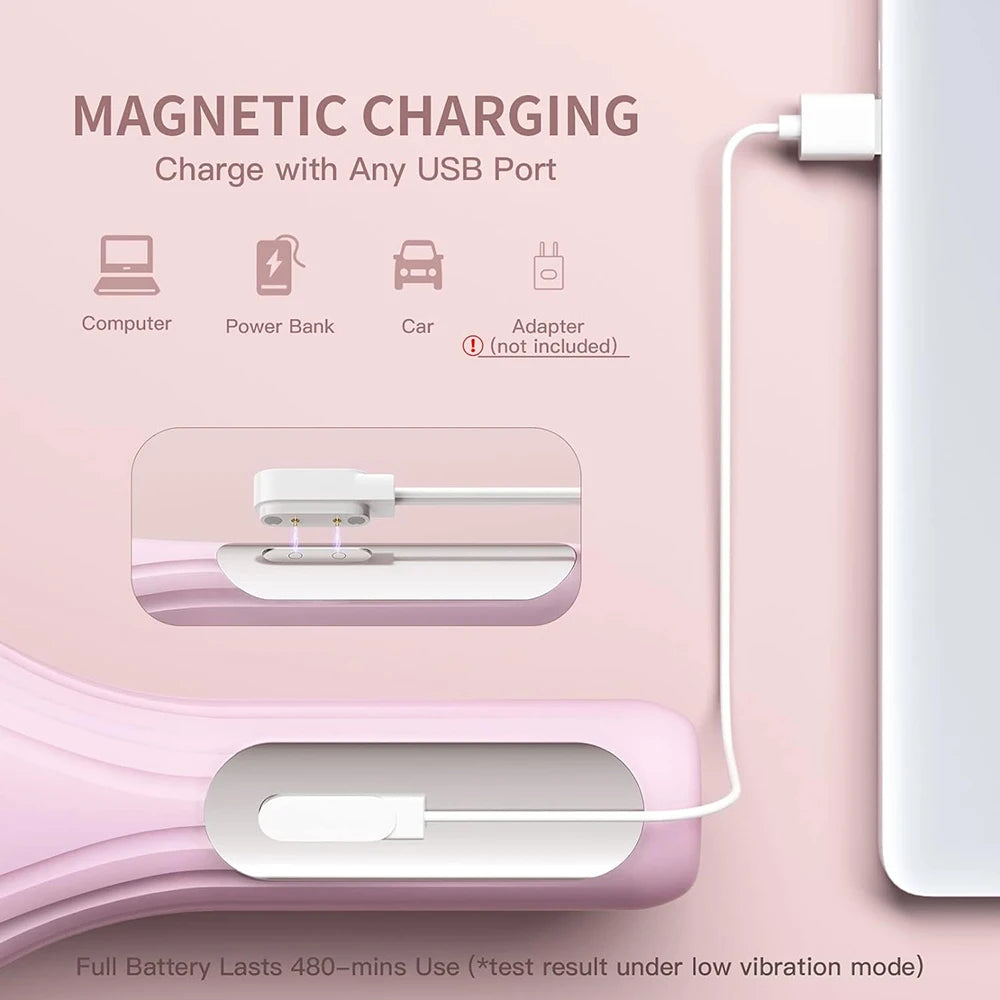
Discover why a sonic brush face cleanser improves deep cleansing
Final Verdict: Silicone Face Scrubber vs Brush
Neither cleansing tool is universally better. The right choice depends on your skin type, sensitivity level, and cleansing goals.
Best Overall for Most People
A silicone face scrubber is often the best overall choice because it balances effective cleansing, hygiene, ease of maintenance, and skin comfort.
Best for Sensitive Skin
Silicone cleansing tools are usually the safest option for sensitive or easily irritated skin.
Best for Deep Cleansing and Makeup Removal
Sonic facial brushes may be the better choice for users seeking stronger cleansing performance and more noticeable exfoliation.
For a broader comparison of cleansing devices and pore-care tools, explore our Best Pore Cleansing Tools Ranked: 2025 Review Guide .
Frequently Asked Questions
Is a silicone face scrubber better than a brush?
For hygiene, sensitive skin, and low-maintenance care, silicone is often preferred. For deeper exfoliation, a brush may perform better.
Can you use a silicone face scrubber every day?
Most users can use a gentle silicone scrubber daily, although frequency should be adjusted based on skin sensitivity.
Are sonic facial brushes safe for sensitive skin?
Some are, but lower intensity settings and limited use are usually recommended.
Do facial cleansing brushes cause irritation?
Overuse, excessive pressure, or harsh brush heads can contribute to irritation and barrier disruption.
How often should you replace a cleansing brush head?
Replacement schedules vary by manufacturer, but many recommend changing brush heads every few months.
Pillar Article: Best Pore Cleansing Tools Ranked: 2025 Review Guide
Other Related Articles:
- No One Talks About This Pore Brush—But It’s Genius
- What’s the Best Deep Cleanser for Blackheads?
- Blackhead Vacuums: Miracle Fix or Just Hype?
- I Tried 5 Blackhead Tools So You Don’t Have To
Explore More:













