

Sonic Brush Cleaning: How to Clean a Sonic Facial Brush (Step-by-Step Guide)
A proper sonic brush cleaning routine is essential for keeping your skincare device hygienic and effective. Sonic facial brushes remove oil, makeup, and dead skin cells — but those same impurities can build up on the brush head if it isn’t cleaned regularly.
In this guide, you’ll learn how to clean a sonic face brush safely, how often to disinfect it, and the best maintenance practices to extend the life of your device. The step-by-step process works for both silicone sonic brushes and traditional bristle-based facial cleansing brushes.
⏱ 6 min read

💡 See it in action — sonic brush deep cleansing made easy
Why Sonic Brush Cleaning Matters for Skin Health
A face sonic brush can significantly improve cleansing and gentle exfoliation. However, the brush surface collects residue from makeup, cleanser, oil, and dead skin cells every time it’s used. Without proper cleaning, this buildup can reduce performance and potentially affect skin health.
Bacteria and Product Buildup on Facial Brush Heads
After each use, facial brush heads often remain slightly damp. This warm and moist environment can encourage bacteria and microbial growth if the brush is not cleaned properly. Over time, this buildup may transfer impurities back onto the skin.
How Sonic Vibrations Affect Hygiene Needs
Sonic cleansing devices use high-frequency micro-vibrations to loosen debris from pores. While this improves cleansing performance, it also pushes oils and residue into small spaces between bristles or silicone nodes. Maintaining a regular sonic facial brush cleaning routine helps keep the device sanitary and functioning effectively.

💡 Clean tools support better skincare results
How to Clean a Sonic Facial Brush (Step-by-Step)
If you’re wondering how to clean a sonic face brush properly, the process is quick and only takes a few minutes.
-
Rinse Immediately After Use
Hold the brush head under lukewarm water to remove leftover cleanser, oil, and debris. -
Wash With a Gentle Cleanser
Apply a small amount of mild soap, facial cleanser, or brush cleanser to the brush surface. -
Clean Between Bristles or Silicone Nodes
Use your fingers or a soft brush to gently work cleanser between the brush nodes or bristles to remove trapped residue. -
Rinse Thoroughly
Continue rinsing until all soap residue is gone. Any leftover cleanser can cause buildup. -
Dry the Brush Properly
Shake off excess water and place the brush in a well-ventilated area to air dry completely.
Sonic Facial Brush Cleaning Routine (Daily, Weekly, Monthly)
Following a simple cleaning schedule helps prevent residue buildup and keeps your skincare device hygienic.
Daily Cleaning Routine
- Rinse the brush head immediately after use
- Wash gently with mild facial cleanser or soap
- Allow the brush to air dry in an open space
Weekly Deep Cleaning Method
- Detach the brush head if the device design allows it
- Wash thoroughly using warm water and gentle cleanser
- Clean between bristles using a soft toothbrush or small cleaning brush
Monthly Disinfection Process
- Soak removable brush heads briefly in diluted antibacterial solution
- Rinse thoroughly with clean water
- Allow the brush head to fully dry before reattaching
How to Clean Facial Brush Heads (Silicone vs Bristle Brushes)
Cleaning Silicone Sonic Brushes
Silicone sonic brushes are non-porous and resistant to bacterial buildup, making them relatively easy to clean.
- Rinse with warm water after each use
- Apply mild cleanser and gently rub silicone nodes
- Rinse thoroughly and air dry
Cleaning Bristle Facial Brush Heads
Bristle-based brush heads require more detailed cleaning because oils and residue can accumulate between fibers.
- Apply gentle cleanser and massage through the bristles
- Use a small cleaning brush to remove trapped debris
- Rinse thoroughly until water runs clear
- Allow the brush to dry with bristles facing downward
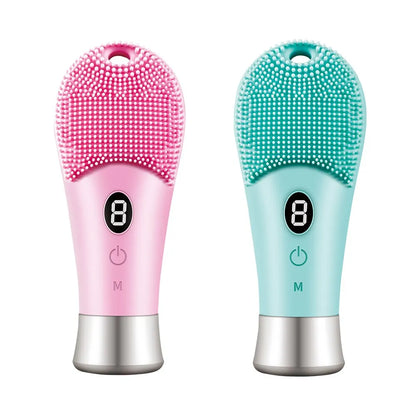
💡 Keeping brush heads clean improves cleansing performance
Best Practices for Sonic Brush Deep Cleansing
Safe Cleaning Agents to Use
- Mild facial cleanser
- Gentle antibacterial soap
- Specialized sonic brush cleaner
What to Avoid When Cleaning Sonic Brushes
- Harsh chemical cleaners
- Bleach or concentrated alcohol
- Boiling water that may damage internal electronics
Proper Storage After Cleaning
Always store your sonic brush in a dry, ventilated area after cleaning. Avoid sealed containers or drawers while the device is still damp because trapped moisture may encourage microbial growth.
For more smart tools, explore our curated picks from the Skin and Beauty Care Devices collection or browse our expert insights in the Body & Face Blog.
Common Sonic Brush Cleaning Mistakes
- Over-soaking the device — prolonged exposure to water may damage internal electronics.
- Using harsh disinfectants — strong chemicals can degrade silicone or bristles.
- Storing the brush while wet — trapped moisture can promote microbial growth.
- Skipping regular cleaning — buildup may reduce the cleansing effectiveness of the brush.
How Often Should You Replace or Deep Clean a Sonic Face Brush?
Signs Your Brush Needs Replacement
- Bristles become frayed or misshapen
- Persistent odor even after cleaning
- Reduced cleansing performance
Recommended Replacement Schedule
Most dermatology guidelines suggest replacing removable brush heads every 3–6 months depending on frequency of use. Silicone sonic brushes generally last longer but should still be inspected periodically for wear.
FAQ: Sonic Brush Cleaning Tips
How often should I clean my sonic facial brush?
You should rinse and wash the brush after every use. A deeper cleaning once per week helps remove buildup and maintain hygiene.
Can I use alcohol to disinfect a sonic brush?
Diluted alcohol can occasionally disinfect removable brush heads, but frequent use may weaken bristles or silicone materials.
How do I dry a sonic facial brush properly?
Shake off excess water and place the brush upright in a well-ventilated area so it can air dry naturally.
Can I put a sonic brush in hot water?
Very hot or boiling water should be avoided because it may damage the brush materials or internal electronics.
Pillar Article: How to Use a Sonic Facial Brush the Right Way













