
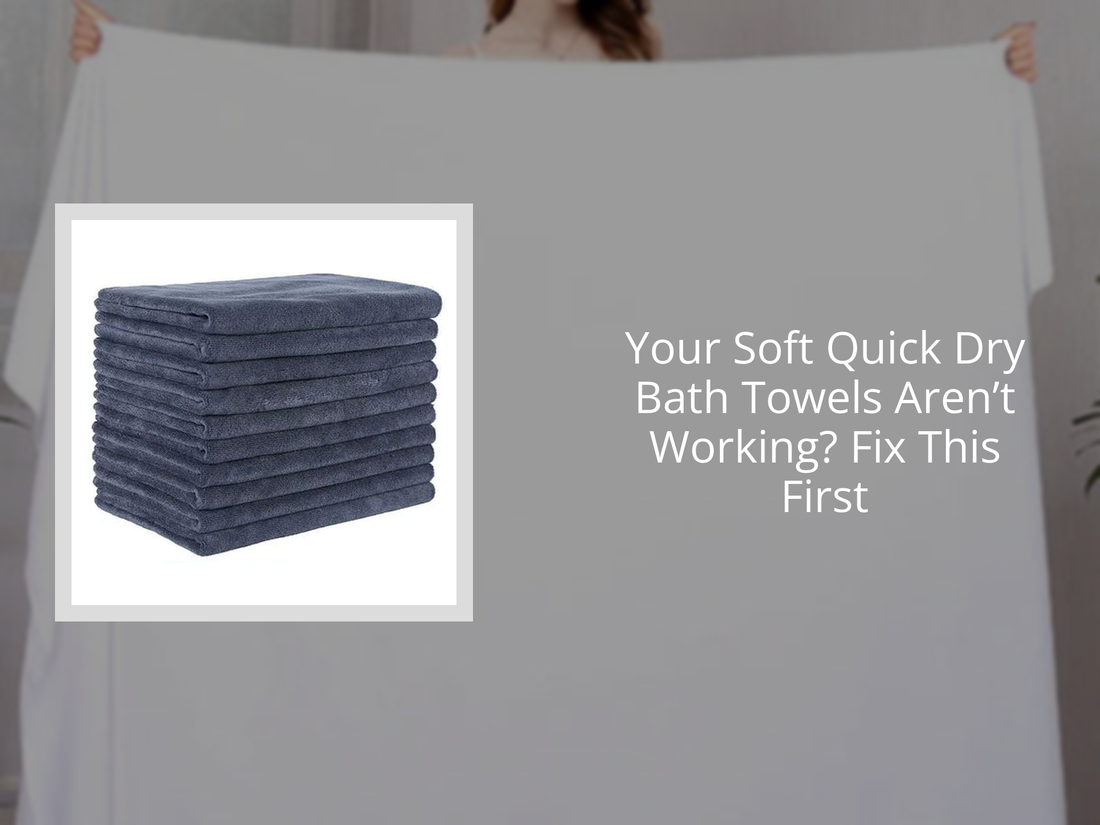
❓ Why do soft quick dry bath towels stop absorbing water?
Over time, detergent residue, fabric softener buildup, hard water minerals, body oils, and heat damage can reduce towel absorbency. Microfiber towels are especially sensitive because their ultra-fine fibers rely on open channels to pull in moisture. Deep cleaning may restore absorbency if the fibers are not permanently damaged.
Microfiber Towels Not Absorbent? Why It Happens and How to Restore Absorbency
If your microfiber towel suddenly stops absorbing water or your new bath towels seem to repel moisture, the problem is usually related to residue buildup, manufacturing coatings, or fiber damage. Understanding why towels lose absorbency is the first step toward restoring their performance.
Why Microfiber Towels Lose Absorbency (How the Fibers Work)
How Microfiber Split Fibers Absorb Water
Unlike traditional cotton towels that absorb water through natural fiber structures, microfiber towels rely on ultra-fine split fibers that create microscopic channels. These channels pull water through capillary action, allowing microfiber to absorb moisture quickly while drying faster than many conventional towels.
When microfiber fibers remain clean and structurally intact, water moves rapidly through the fabric instead of pooling on the surface. This unique design explains why microfiber towels can feel lightweight while remaining highly absorbent.
To learn more about microfiber performance, read our guide on how to wash microfiber cloths .
Why New Microfiber Towels May Repel Water at First
Many people experience the "new towels not absorbent" problem because manufacturers often apply finishing agents, production oils, or protective coatings during manufacturing. These treatments improve shelf appearance and softness but can temporarily block the microfiber structure.
A proper first wash typically removes these coatings and significantly improves absorbency.
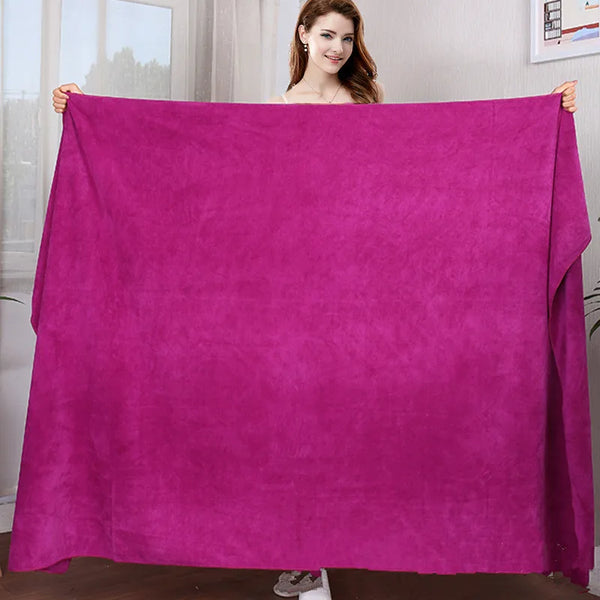
Best soft quick dry bath towels — gentle, absorbent, and fast drying.
Why Are My Towels Not Absorbent? Common Causes Explained
If your towels feel like they push water around instead of soaking it up, one or more factors are usually interfering with the fibers.
Factory Coatings and Manufacturing Residue
Some new towels contain finishing agents, silicone coatings, or manufacturing oils that temporarily reduce absorbency. Washing new towels before use removes most of these barriers.
Detergent Buildup Blocking Fiber Performance
Using excessive detergent leaves residue trapped inside towel fibers. Over time, this buildup creates a coating that blocks water absorption and can make towels feel slippery or stiff.
Using the correct detergent amount is critical. Learn more about how much detergent to use in laundry .
Fabric Softener and Dryer Sheet Damage
Fabric softeners and dryer sheets work by coating fibers with lubricating chemicals. While towels may feel softer, these coatings dramatically reduce microfiber absorbency.
Hard Water Minerals and Soap Deposits
Hard water minerals such as calcium and magnesium can accumulate inside towel fibers after repeated washing. This buildup often causes towels to become rougher, heavier, and less absorbent.
Oil, Wax, and Skincare Product Residue
Body oils, lotions, sunscreens, makeup products, hair treatments, and cleaning chemicals can clog microfiber fibers. This is one of the most common causes of a microfiber cloth not absorbing properly.
Heat Damage and Worn-Out Fibers
Microfiber fibers can become permanently damaged when exposed to repeated high dryer temperatures. Once fibers melt, flatten, or lose their split structure, restoring absorbency becomes difficult.
How to Diagnose Why Your Towels Are Not Absorbing Water
Symptoms That Point to Residue Buildup
- Water beads on the surface before soaking in.
- The towel feels slippery, waxy, or greasy.
- Absorbency improves after a deep wash cycle.
- The towel still feels soft but performs poorly.
Symptoms That Indicate Permanent Fiber Damage
- The towel remains non-absorbent after multiple cleanings.
- Fibers feel rough, flattened, or melted.
- The towel has been repeatedly dried on high heat.
- The fabric no longer feels flexible.
Towel Absorbency Troubleshooting Checklist
- Have you used fabric softener?
- Do you use more detergent than recommended?
- Was the towel washed with oily clothing?
- Has the towel been dried on high heat?
- Do you live in a hard water area?
How to Make Microfiber Towels More Absorbent Again
If your towels don't dry you effectively, restoring absorbency often requires removing residue and resetting the fibers.
Step 1: Wash Towels Correctly to Remove Residue
Wash microfiber towels separately using warm water and the recommended detergent amount. Avoid bleach and fabric softeners.
Run a wash cycle with one cup of white vinegar and no detergent. Vinegar can help dissolve mineral deposits and detergent buildup, although it cannot repair damaged fibers.
For severe buildup, follow with a second rinse cycle containing half a cup of baking soda.
Step 3: Restore Fiber Performance With Proper Drying
Dry towels using low to medium heat or allow them to air dry with good airflow. Excessive heat accelerates microfiber deterioration.
Step 4: Test Whether the Towel Is Recovered
Pour a small amount of water onto the towel surface. A healthy microfiber towel should pull water into the fibers quickly rather than allowing droplets to remain on top.
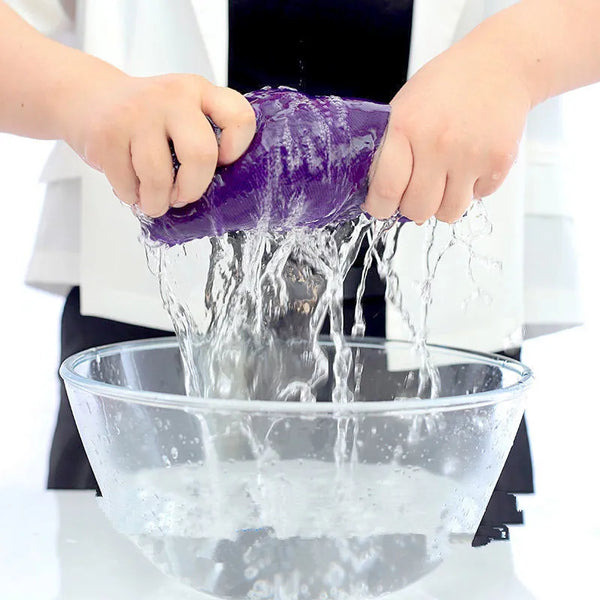
Fast drying bathroom towels — keep them fresh and odor-free.
Why Towels Take So Long to Dry in the Bathroom or Dryer
Poor Airflow and Humidity Problems
Towels don't dry in the bathroom efficiently when ventilation is poor. Humid environments slow evaporation and increase drying times.
Improving airflow can significantly reduce drying time. See these best bathroom ventilation tips .
Too Much Moisture Trapped Inside Thick Fibers
Dense towels absorb large amounts of water but also retain moisture longer. Proper airflow becomes especially important for thick towels.
Why Towels Won't Dry in the Dryer
Towels not drying in the dryer can result from overloaded machines, restricted airflow, clogged dryer vents, or towels that begin the drying cycle excessively saturated.
For additional drying strategies, see how to dry towels faster using microfiber techniques .
How to Prevent Towels From Losing Absorbency Again
Use the Right Amount of Detergent
Using more detergent does not improve cleaning performance. Excess detergent often causes the residue buildup responsible for poor absorbency.
Never Use Fabric Softener on Microfiber
Fabric softeners and dryer sheets should be avoided because they coat fibers and reduce absorbency.
Wash Microfiber Towels Separately
Washing microfiber towels separately reduces contamination from lint, oils, and residues from other fabrics.
Follow a Long-Term Microfiber Care Routine
- Wash towels regularly.
- Avoid harsh chemicals.
- Use moderate drying temperatures.
- Store towels only after they are completely dry.
- Perform occasional deep cleaning when necessary.
For a complete maintenance guide, read how to wash towels properly and how to keep your microfiber towels ultra-soft .
FAQ: Towels Not Absorbent or Not Drying
Why are my new bath towels not absorbent?
New towels may contain manufacturing residue or coatings that temporarily reduce absorbency. Washing them before use usually improves performance.
How do I make new towels absorbent?
Wash new towels using warm water and a proper detergent cycle while avoiding fabric softeners or dryer sheets.
Does vinegar make towels more absorbent?
Vinegar may help remove detergent residue and mineral buildup, but it cannot repair microfiber fibers that have been permanently damaged.
Why do microfiber towels stop absorbing?
Microfiber towels usually lose absorbency because of residue buildup, oils, hard water minerals, fabric softeners, or heat damage.
When should I replace towels that won't absorb water?
If repeated cleaning attempts fail and the fibers appear worn, rough, or heat-damaged, replacing the towel is often the best solution.
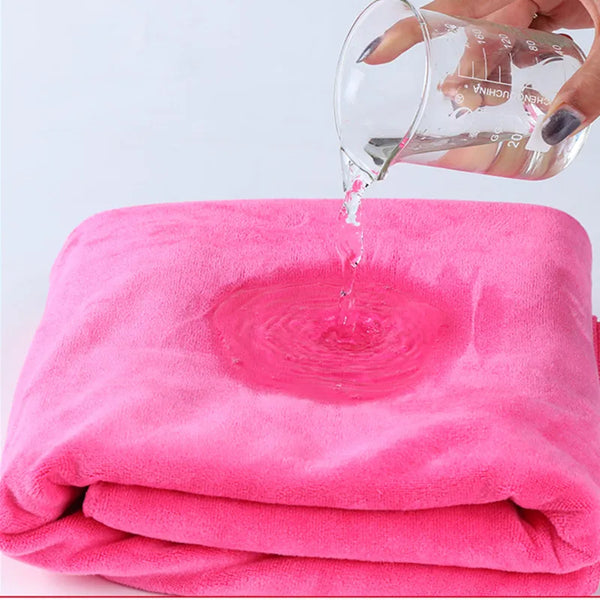
Gentle microfiber towel for daily use — soft comfort, quick dry results.
Pillar Article: How to Use Quick Dry Microfiber Towels Like a Pro
Other Related Articles:
- What’s the Best Way to Use Large Microfiber Bath Towels?
- How to Keep Your Microfiber Towels Ultra-Soft
- Avoid These 3 Mistakes with Microfiber Towels
- How to Dry Hair Fast with a Microfiber Towel
Explore More:
Final Thoughts: Restore Your Towels' Absorbency
Your towels should do more than simply dry your skin—they should provide comfort, hygiene, and reliable performance every day. If your microfiber towels are not absorbing properly, the cause is usually residue buildup, mineral deposits, improper care, or heat damage.
By identifying whether the problem is reversible residue or permanent fiber damage, you can often restore towel performance and significantly extend the life of your towels.
For more self-care essentials, explore our Lifestyle collection or browse the Beauty & Self-Care Blog for expert guides.













