
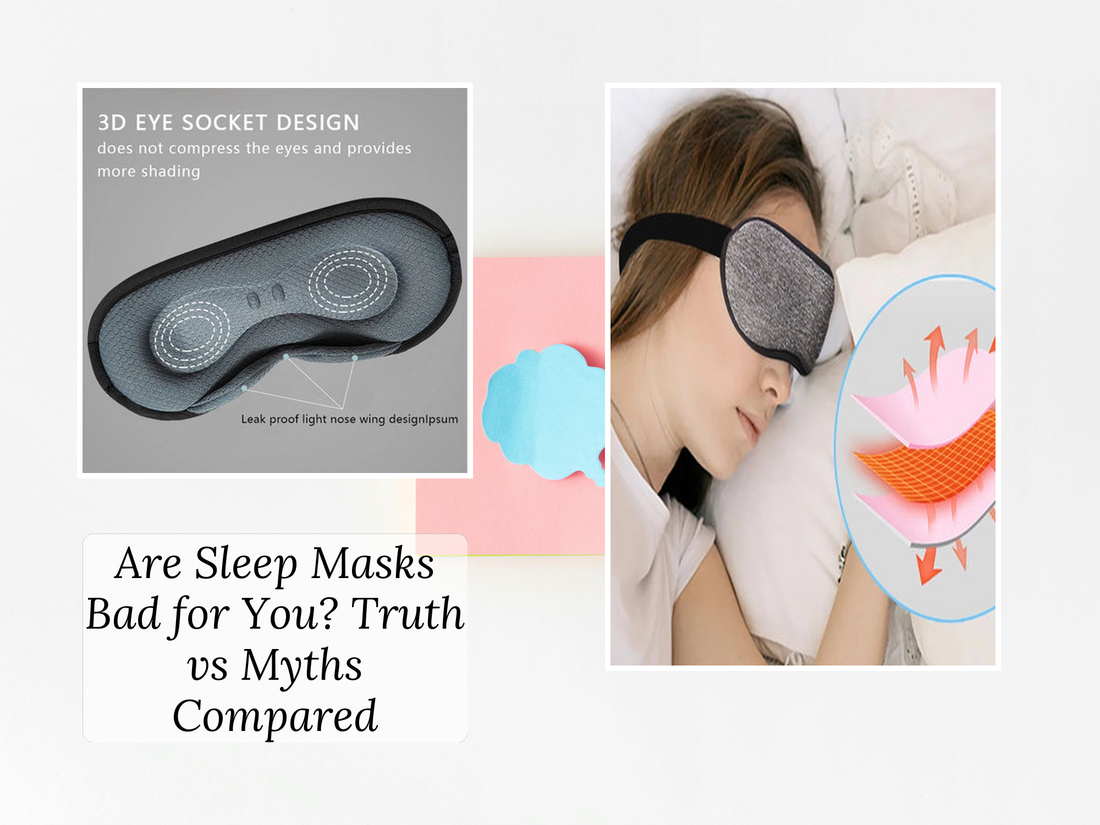
Are Sleep Masks Bad for You? Side Effects, Safety, and What Experts Say
Wondering are sleep masks bad for you or a secret to better rest? While some worry about eye mask side effects , research shows the real issue may be the disadvantages of sleeping with lights on . From breathable designs like the sleep eye mask 3d to studies explaining how light interferes with sleep, the truth may surprise you—this simple tool may actually support deeper, healthier rest when used correctly.
⏱ 8 min read

Sleep masks can help block disruptive light and support better rest
Are Sleep Masks Bad for You? The Short Answer
Sleep masks are generally safe for most people and can improve sleep quality by blocking light. However, they can cause side effects if used incorrectly, worn too tightly, or not cleaned regularly.
When Sleep Masks Are Safe
- Used with light, breathable materials (like silk or cotton)
- Worn loosely without pressing on the eyes
- Cleaned frequently to prevent bacteria buildup
- Properly fitted to your face shape and sleeping position
When Sleep Masks Can Cause Problems
- Too tight → increased eye pressure or headaches
- Dirty masks → skin irritation or infections
- Non-breathable fabrics → sweat, acne, or irritation
- Flat masks pressing directly on eyelids → discomfort or dry eyes
Quick Risk Summary (Who Should Be Careful)
Sleep masks may cause more issues for side sleepers, people with sensitive skin, contact lens users, and those with existing eye conditions like dry eye or glaucoma.

Comfortable mask designs help reduce pressure on the eyes
Do Sleep Masks Work? Why Darkness Helps You Sleep
Yes, sleep masks work by blocking environmental light that interferes with your natural sleep cycle. Even low levels of light can delay melatonin production and keep your brain alert.
How Light Affects Melatonin Production
Your body releases melatonin in darkness. Exposure to artificial light from screens or streetlights can suppress this hormone and delay sleep onset.
Why Blocking Light Improves Sleep Quality
- Supports stable circadian rhythms
- Promotes deeper REM sleep cycles
- Reduces nighttime awakenings
- Improves sleep during travel or daytime naps
Sleep Mask Side Effects Explained (By Category)
Eye-Related Side Effects (Pressure, Dryness, Vision Discomfort)
- Direct pressure on the eyeball can cause discomfort or temporary blurred vision
- Reduced airflow may worsen dry eye symptoms
- Contact lens wearers may experience increased irritation overnight
Skin-Related Side Effects (Acne, Irritation, Wrinkles)
- Friction and trapped sweat can clog pores and trigger breakouts
- Rough fabrics may irritate sensitive skin around the eyes
- Long-term pressure may contribute to sleep lines or fine wrinkles
Hygiene-Related Risks (Bacteria, Infections)
- Unwashed masks accumulate oil, sweat, and bacteria
- This can increase the risk of skin infections or eye irritation
- Sharing masks raises the risk of contamination
Sleep & Neurological Effects (Headaches, Disrupted REM)
- Tight straps can cause tension headaches
- Excess pressure may disrupt comfort and reduce sleep quality
- Ill-fitting masks can interfere with natural sleep positions
Why These Side Effects Happen (The Mechanisms)
Pressure on the Eye Area
Flat or tight sleep masks press directly on the eyelids and surrounding tissue. This pressure can affect tear distribution, cause discomfort, and increase sensitivity—especially in people with dry eyes.
Heat and Moisture Trapping
Non-breathable materials trap heat and sweat around the skin. This creates an environment where bacteria thrive, increasing the risk of acne and irritation.
Friction and Fabric Interaction
Repeated rubbing between the mask and skin can weaken the skin barrier. Rough or synthetic fabrics increase friction, leading to redness or breakouts.
Strap Tension and Blood Flow
Tight straps can create pressure around the head and temples. This may contribute to headaches or discomfort during sleep.
Are Sleep Masks Bad for Your Eyes or Skin? What Science Suggests
What Eye Health Experts Say
Eye care professionals generally consider sleep masks safe when they do not apply pressure to the eyes. Risks are typically mechanical (pressure or airflow restriction), not structural damage.
What Dermatology Evidence Suggests
Dermatology insights show that irritation is usually caused by friction, heat, and poor hygiene. Soft, breathable fabrics like silk reduce skin stress and improve comfort.
Who Should Be Careful Using a Sleep Mask
People With Sensitive or Acne-Prone Skin
Friction and trapped moisture can trigger irritation or breakouts, especially with synthetic materials.
Contact Lens Users
Sleeping with lenses while using a mask may worsen dryness and increase discomfort.
People With Dry Eye or Eye Conditions
Those with dry eye syndrome, blepharitis, or glaucoma may be more sensitive to pressure and airflow restriction.
Side Sleepers (Pressure Risk)
Side sleepers are more likely to press the mask into their face, increasing pressure on the eyes and skin.
Long-Term Nightly Users
Using a sleep mask every night without proper hygiene or fit adjustments increases the likelihood of cumulative irritation or discomfort.
How to Use a Sleep Mask Safely (Reduce Side Effects)
How Tight Should a Sleep Mask Be?
Your mask should feel secure but not tight. It should block light without pressing on your eyelids or leaving marks on your skin.
Best Materials for Skin and Eye Health
- Silk: smooth, low friction, gentle on skin
- Cotton: breathable and affordable
- Avoid rough synthetic fabrics if you have sensitive skin
Cleaning Frequency and Hygiene Rules
- Wash your mask every 2–3 days if used nightly
- Use gentle detergent to avoid irritation
- Never share your sleep mask
Choosing the Right Mask Type
- Contoured masks reduce pressure on the eyes
- Flat masks may be less suitable for side sleepers
- Weighted masks should be used cautiously to avoid excess pressure
Types of Sleep Masks and Their Risk Levels
Silk vs Cotton vs Synthetic Masks
- Silk: lowest friction, best for sensitive skin
- Cotton: breathable but may absorb oils
- Synthetic: can trap heat and increase irritation risk
Contoured vs Flat Masks
- Contoured masks: reduce eye pressure and improve comfort
- Flat masks: more likely to press against eyelids
Weighted Masks
- Provide calming pressure for some users
- Higher risk of eye pressure if too heavy or tight
Benefits of Sleeping With an Eye Mask
Improved Sleep Consistency
Blocking light helps maintain a stable sleep cycle and reduces interruptions.
Travel, Shift Work, and Light Pollution
Ideal for bright environments, flights, or daytime sleep when external light is unavoidable.

A comfortable eye mask can support deeper, more consistent sleep
FAQs About Sleep Mask Side Effects
Are sleep masks bad for your eyes?
No, but masks that apply pressure or restrict airflow can cause discomfort or dryness in some people.
Are sleep masks bad for your skin?
They can be if they trap sweat, cause friction, or are not cleaned regularly.
Is it good to sleep with an eye mask every night?
Yes, if the mask is clean, breathable, and properly fitted.
Are sleep masks bad for side sleepers?
Side sleepers may experience more pressure on the eyes and skin, especially with flat masks.
Can sleep masks worsen dry eyes?
Yes, especially if they reduce airflow or press against the eyelids.
How often should you wash a sleep mask?
Ideally every 2–3 days if used regularly.
Pillar Article: Does an Eye Mask Help You Sleep? Best Options Compared
Other Related Articles:
- Does Sleep Mask Help Sleep? 5 Best Models Reviewed
- Steam Eye Masks: Top-Rated Picks Ranked by Comfort
- Hot Compress for Dry Eyes: What Reviewers Recommend Most
- Eye Strain from Screens: Top 7 Products That Actually Work
Explore More:













