

What is the best home skin care routine for acne, dry, and oily skin?
A home skin care routine helps you identify acne, dryness, and oil imbalance early using simple observation and targeted tools. By cleansing properly, examining skin under good lighting, and adjusting products based on your skin type, you can prevent breakouts, reduce irritation, and maintain healthy, balanced skin without frequent clinic visits.
At Home Skin Care Routine for Acne, Dry, and Oily Skin
Struggling to figure out why your skin suddenly feels oily, breaks out, or looks dull and dry? A consistent home skin care routine can help you spot issues early, adjust quickly, and restore balance—without wasting time or money on the wrong products. The key isn’t more products—it’s understanding your skin first.
⏱ 8 min read
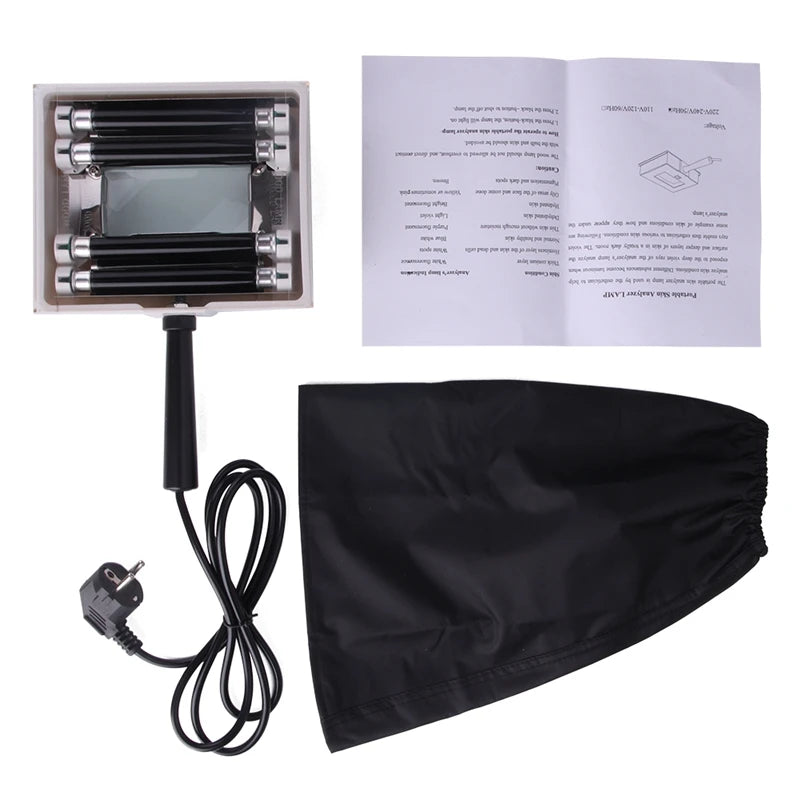
A closer look reveals what your skin is trying to tell you 💡 See it in action
Which skin type do you really have—and are you treating it correctly? Read on!
Why a Home Skin Care Routine Changes Everything
A home skin care routine allows you to detect changes in your skin early, prevent worsening conditions, and customize care based on real-time needs. Instead of guessing, you observe patterns—oil buildup, dryness, or breakouts—and respond with targeted solutions that save time and improve long-term skin health.
- Identify skin issues before they become severe
- Save money on unnecessary treatments
- Build confidence in your daily routine
- Adapt quickly to seasonal or hormonal changes
Many people struggle because they treat symptoms without understanding the cause. A smart routine flips that approach.
How to Diagnose Skin Issues at Home Like a Pro
Understanding your skin starts with careful observation. The best way to examine teen facial skin—or your own—is consistency.
Step-by-Step Skin Analysis at Home
- Cleanse your face with a gentle cleanser
- Wait 30–60 minutes without applying products
- Observe shine, tightness, and texture
- Check for clogged pores, redness, or flaking
What to Look For
| Skin Signal | What It Means | Action |
|---|---|---|
| Shiny T-zone | Oily skin | Use lightweight, oil-free products |
| Flaky patches | Dry skin | Increase hydration and barrier repair |
| Frequent breakouts | Acne-prone | Focus on gentle exfoliation and pore care |
Lighting matters. Natural daylight reveals far more than bathroom lighting, especially when checking texture and pores.
How Parents Can Detect Acne Early in Teens
Teen skin changes quickly, and early detection can prevent long-term scarring. Parents often miss the first signs because acne doesn’t start as visible pimples.
Early Warning Signs
- Small bumps under the skin (closed comedones)
- Increased oiliness by midday
- Slight redness around pores
- Blackheads forming around the nose or chin
When these signs appear, it’s time to introduce a gentle routine—not harsh treatments.
Many families report better results when they monitor skin weekly instead of reacting to breakouts. This proactive approach builds healthy habits early.
How to Build a Routine for Acne-Prone Skin That Actually Works
Acne isn’t just about oil—it’s about clogged pores, bacteria, and inflammation working together. A balanced routine addresses all three without damaging the skin barrier.
Simple Daily Routine
- Cleanse twice daily with a gentle formula
- Use a targeted treatment (like salicylic acid)
- Hydrate with non-comedogenic moisturizer
- Apply sunscreen to prevent dark marks
Pros and Cons of Common Acne Approaches
| Method | Pros | Cons |
|---|---|---|
| Over-cleansing | Removes oil quickly | Can worsen breakouts |
| Targeted treatments | Effective on specific areas | Requires consistency |
Consistency beats intensity. Gentle routines reduce irritation and improve results over time.

Understanding your skin helps prevent acne before it starts 💡 See it in action
How to Control Shine Without Over-Drying Oily Skin
Oily skin often gets worse when treated too aggressively. Stripping oils triggers even more oil production.
Best Practices
- Use gel-based cleansers
- Incorporate niacinamide
- Avoid heavy creams
- Blot excess oil instead of overwashing
Users who switch to balanced routines report reduced shine within 2–3 weeks and fewer clogged pores.
Explore tools that support balanced care in Skin and Beauty Care Devices.
How to Restore Comfort and Glow to Dry Skin
Dry skin isn’t just about lack of oil—it’s about a weakened barrier. Fixing it requires hydration and protection.
Key Hydration Steps
- Use cream-based cleansers
- Apply moisturizer on damp skin
- Add hydrating serums (like hyaluronic acid)
- Seal moisture with occlusive products
Dry skin often improves dramatically once the barrier is repaired—sometimes within days.
How Skin Analysis Tools Improve Accuracy at Home
Even with careful observation, some skin issues remain invisible to the naked eye. That’s where advanced tools make a difference.
A device like a Wood Lamp Skin Analyzer helps reveal:
- Hidden acne beneath the surface
- Oil distribution patterns
- Dehydration areas
- Pigmentation issues
By using tools like /products/wood-lamp-skin-analyzer, users report more accurate diagnoses and faster improvements in their routines.
Many skincare enthusiasts say this step was the “missing piece” that transformed their results.
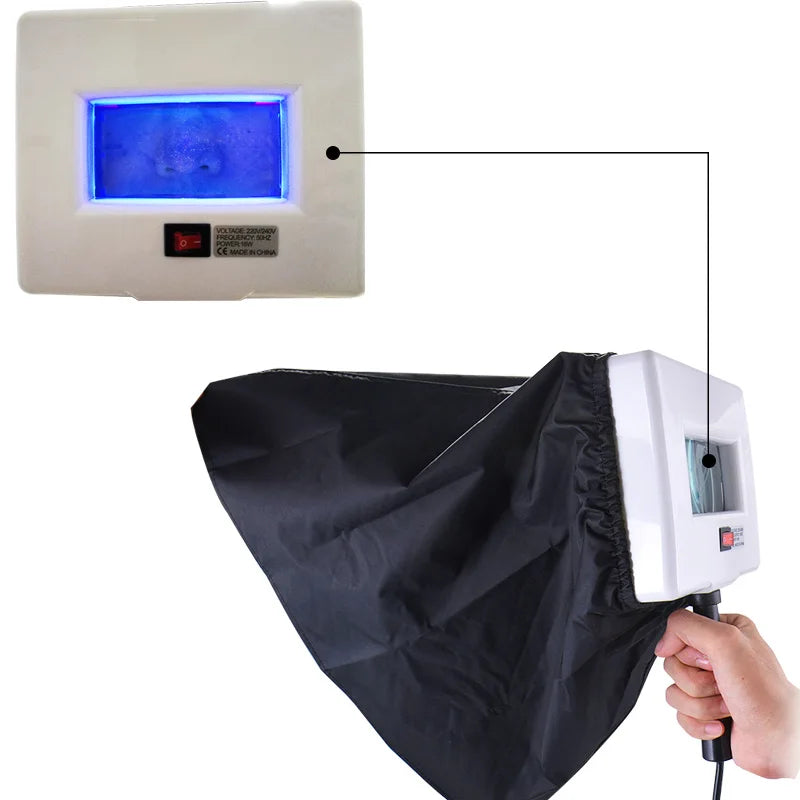
Advanced skin analysis reveals what mirrors can’t 💡 See it in action
Frequently Asked Questions
How often should I check my skin at home?
Once or twice a week is enough to notice changes without overanalyzing. Daily observation during your routine also helps track subtle shifts.
What is the best way to examine teen facial skin?
Use natural light, clean skin, and a consistent routine. Look for early signs like small bumps or oil buildup rather than waiting for visible acne.
Can a home skin care routine replace professional treatments?
It can prevent many issues and maintain healthy skin, but severe conditions may still require professional care. Early detection at home reduces the need for intensive treatments.
Pillar Article: Skin Care Gadgets for Every Skin Type: Find Your Match
Other Related Articles:
Explore More:













