

Do at home skincare treatments really work?
At home skincare treatments can be highly effective when you understand what your skin is telling you. By learning simple observation techniques, recognizing dehydration signs, and using tools that reveal hidden skin conditions, you can detect issues early and build a routine that protects your skin before problems become visible.
⏱ 5 min read
At Home Skincare Treatments: What Works Best Today
At home skincare treatments are evolving quickly. Today’s routines go far beyond simple creams and cleansers—they focus on understanding your skin first. When you learn how to observe subtle changes, diagnose early issues, and identify dehydration or irritation before it worsens, your routine becomes smarter and far more effective.
Ever wondered why some routines seem to transform skin while others barely make a difference?
Discover simple tools and methods that help you analyze your skin and build a smarter routine at home.
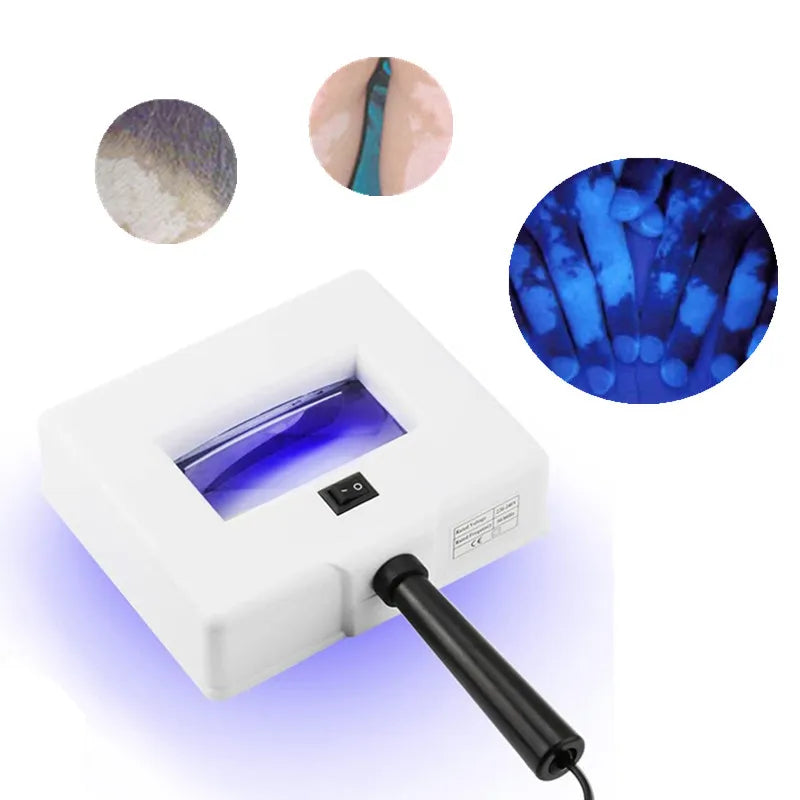
At home skincare treatments help reveal hidden skin conditions early. 💡 See it in action.
Why At Home Skincare Treatments Are Growing So Popular
Professional facials can deliver impressive results—but they’re not always convenient or affordable.
That’s why more people are turning to at home skincare treatments that help them analyze and care for their skin independently.
Modern beauty routines focus on early detection and prevention. When you understand what’s happening beneath the surface, you avoid wasting months on products that don’t address the real problem.
Common frustrations people face:
- Buying products that never deliver visible results
- Following long routines that consume too much time
- Not understanding whether skin is oily, dehydrated, or damaged
- Teenagers developing acne without early detection
When you shift the focus from treating symptoms to observing your skin first, your routine becomes more efficient.
Which routine works best for your skin type?
Understanding your skin condition is the first step toward choosing the right treatment.
Comparing the Most Effective At Home Skincare Treatments
Not all skincare methods deliver the same results. Some focus on cleansing, others on hydration or deeper analysis.
| Treatment Type | Main Benefit | Best For | Limitations |
|---|---|---|---|
| Facial cleansing devices | Deep pore cleaning | Oily or acne-prone skin | Does not reveal underlying issues |
| Hydration masks | Instant moisture boost | Dry or dull skin | Temporary results |
| LED skin therapy | Targets inflammation and acne | Sensitive skin | Requires consistent use |
| Skin analysis tools | Detect hidden damage | All skin types | Requires interpretation |
Many skincare experts recommend combining cleansing, hydration, and diagnostic tools to build a more complete routine.
Collections like Skin and Beauty Care Devices often include tools designed to complement home skincare analysis.
Tips for Diagnosing Skin Issues at Home Like a Professional
Understanding your skin doesn’t require expensive equipment—but it does require careful observation.
Here are practical tips for diagnosing skin issues at home:
- Check your skin under natural light to reveal redness, texture, and uneven tone.
- Observe pores and oil production around the T-zone.
- Monitor seasonal changes in dryness or sensitivity.
- Track reactions when introducing new skincare products.
- Look for subtle dehydration lines that appear before wrinkles.
Small details—such as uneven pigmentation or dull patches—often signal deeper concerns.
Early detection helps prevent long-term damage.
Learn how advanced home tools can reveal hidden skin concerns in seconds.
A Simple Guide to Checking Teen Skin Conditions
Teen skin can change rapidly due to hormones, stress, and environmental exposure.
Understanding these changes helps prevent long-term skin issues.
Common teen skin conditions to watch for
- Early acne formation
- Excess oil production
- Inflammation around pores
- Uneven pigmentation
What parents and teens should monitor
- Sudden breakouts after diet changes
- Sensitivity to skincare products
- Persistent redness or irritation
- Changes in skin texture
Educational resources in the Body & Face Blog often provide additional guidance for managing early skin concerns.
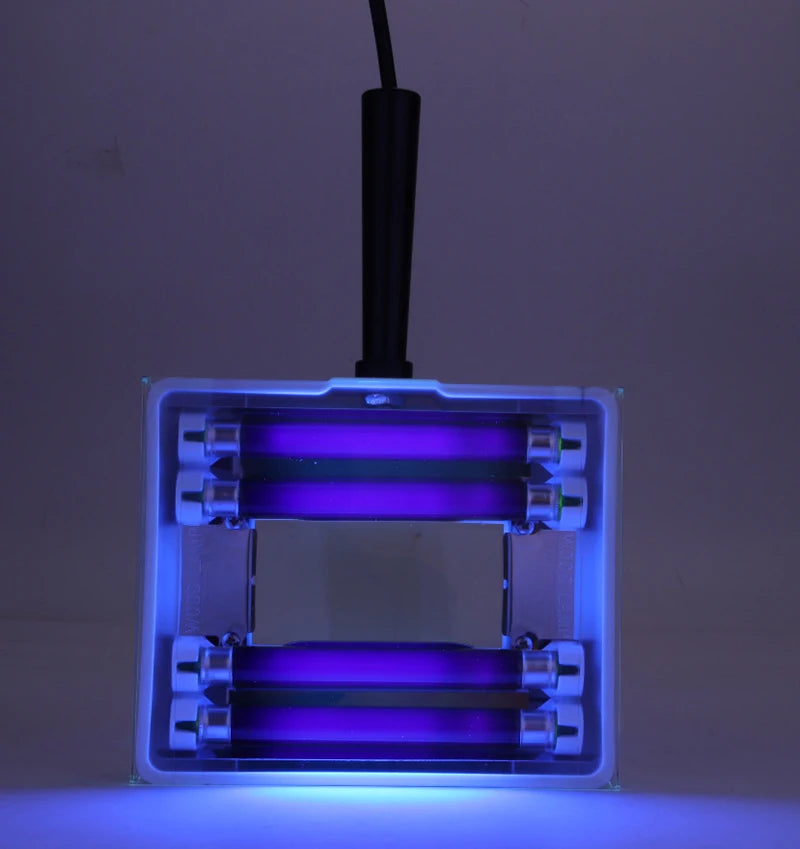
Guide to checking teen skin conditions and diagnosing skin issues at home. 💡 See it in action.
How to Identify Dehydration in Skin Before It Gets Worse
Dehydration is one of the most overlooked skin problems.
Many people confuse dehydration with dryness—even though they require different treatments.
Key signs of dehydrated skin
- Fine lines appearing after cleansing
- Dull, tired skin tone
- Tightness despite using moisturizer
- Makeup settling into tiny lines
Quick hydration test you can try
- Gently pinch the skin on your cheek.
- Release and observe how quickly it returns to normal.
- If skin recovers slowly, dehydration may be present.
When dehydration is detected early, simple routine changes—like increasing hydration or adjusting products—can restore balance quickly.
Tools That Make At Home Skincare Treatments More Accurate
Observation alone can reveal many skin conditions, but advanced tools provide deeper insights.
A popular diagnostic tool is the Wood Lamp Skin Analyzer, which highlights invisible skin conditions such as pigmentation, oil buildup, and dehydration.
Under specialized light, areas of concern become visible—helping you understand what your skin truly needs.
- Detects early pigmentation issues
- Reveals dehydration zones
- Identifies oil distribution
- Helps guide product choices
Many users report that once they understand their skin’s hidden patterns, their skincare routines become far more effective.
Explore more supportive tools within the Skin and Beauty Care Devices collection.
Building a Smarter Home Skincare Routine
The best at home skincare treatments combine observation, prevention, and targeted care.
A balanced routine often includes:
- Gentle daily cleansing
- Hydration and barrier repair
- Weekly skin condition checks
- Occasional diagnostic analysis
When these elements work together, skincare becomes simpler and more predictable.
Instead of reacting to problems after they appear, you build a routine that prevents issues before they escalate.
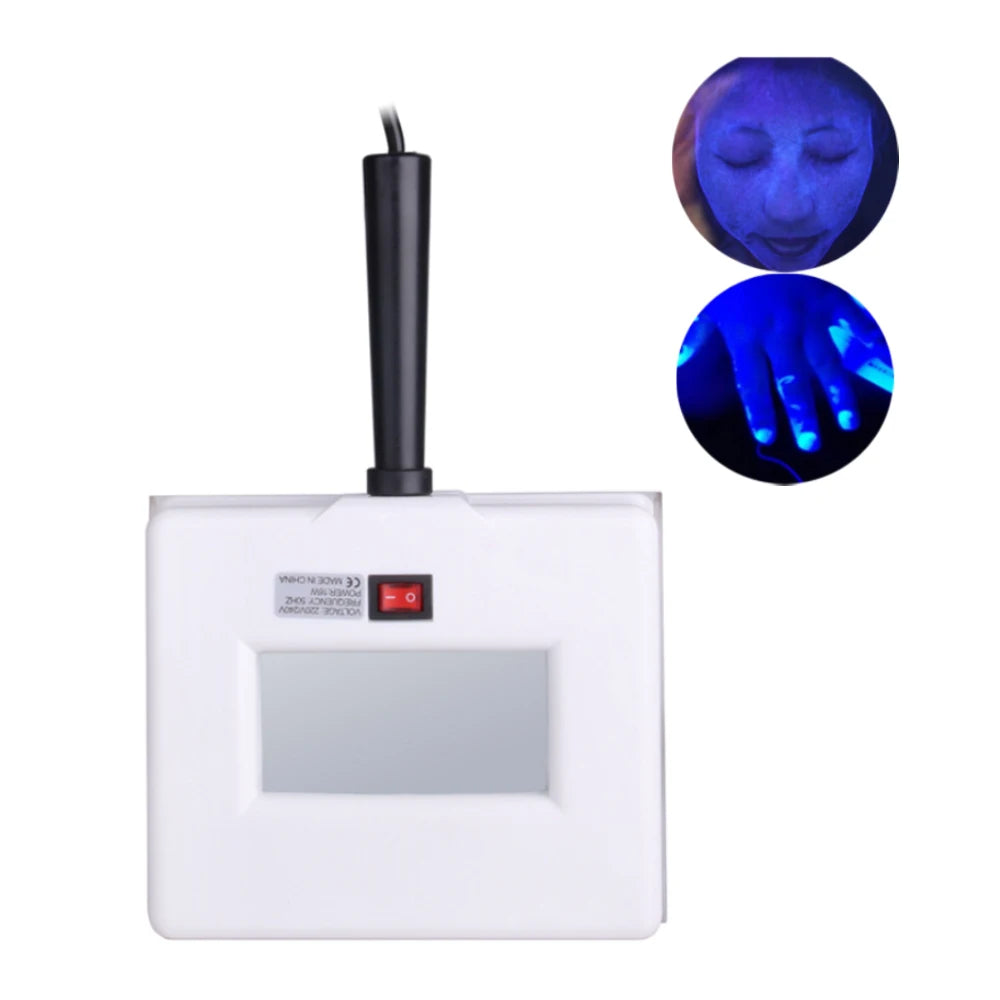
How to identify dehydration in skin and improve your home skincare routine. 💡 See it in action.
Discover how the Wood Lamp Skin Analyzer can reveal hidden skin concerns and help you build a smarter skincare routine at home.
Frequently Asked Questions
What are the most effective at home skincare treatments?
The most effective at home skincare treatments combine cleansing, hydration, and skin analysis. Understanding your skin condition allows you to choose the right products and avoid routines that waste time or worsen underlying issues.
How can I diagnose skin problems at home?
You can diagnose many skin concerns by observing changes in texture, oil production, pigmentation, and hydration levels. Using proper lighting or analysis tools can help reveal conditions that may not be visible to the naked eye.
How do I know if my skin is dehydrated?
Common signs include tightness, dullness, and fine lines appearing after cleansing. A simple pinch test can also reveal dehydration if skin takes longer than usual to bounce back.
Are at home skincare treatments safe for teenagers?
Yes, when used correctly. Simple observation routines and gentle skincare products can help teens monitor changes and manage early acne or oil production without harsh treatments.
Pillar Article: Skin Analysis Devices Compared: Best Picks for Every Budget
Other Related Articles:
- Skin Diagnosis Machine Comparison: Top Models Reviewed
- UV Light Effects on Skin: Benefits vs Hidden Risks
- Home Skincare Devices: Top 7 Picks for Clearer Skin
- Skin Analyzer Machine Review: Which One Is Worth It
Explore More:













