

Best Eyebrow Brushes: 7 Picks for Natural, Defined & Precise Brows
The best eyebrow brush depends less on price and more on your brow formula, desired finish, and how much control you need. A firm angled brush can create crisp pomade definition, while a softer brush or spoolie is better for diffusing powder, grooming hairs, and creating natural-looking brows.
For this roundup, the most useful criteria are brush shape, bristle stiffness, edge control, formula compatibility, precision, versatility, and ease of use. That makes it easier to choose a brush based on your actual brow goal instead of simply buying the largest makeup brush set.
Best Eyebrow Brushes at a Glance
Here are seven strong eyebrow brush types, ranked by the situations in which they perform best. Because brush shape has a direct effect on application, the right choice can matter more than the number of brushes in a kit.
| Rank | Brush Type | Best For | Bristle Profile | Best Formula |
|---|---|---|---|---|
| 1 | Firm Angled Brow Brush | Overall brow definition | Firm and precise | Pomade, gel, powder |
| 2 | Precision Angled Brush | Sparse areas and hair-like strokes | Very firm and narrow | Pomade, pencil, powder |
| 3 | Dual-Ended Angled Brush + Spoolie | Beginners and everyday use | Firm brush plus soft spoolie | Pomade, powder, gel |
| 4 | Flat Brow Brush | Controlled outlining | Firm and flat | Pomade and cream |
| 5 | Soft Angled Brow Brush | Natural, diffused brows | Moderately soft | Powder and soft gel |
| 6 | Spoolie Brush | Grooming and blending | Flexible and tapered | Gel and powder |
| 7 | Fine Detail Brush | Maximum precision | Very narrow and firm | Pomade and cream |
Quick verdict: A firm angled brush is the best all-around choice for most people. If your priority is sparse brows, choose a narrower precision brush. If you are new to brow makeup, a dual-ended brush with a spoolie offers the easiest combination of application and blending.
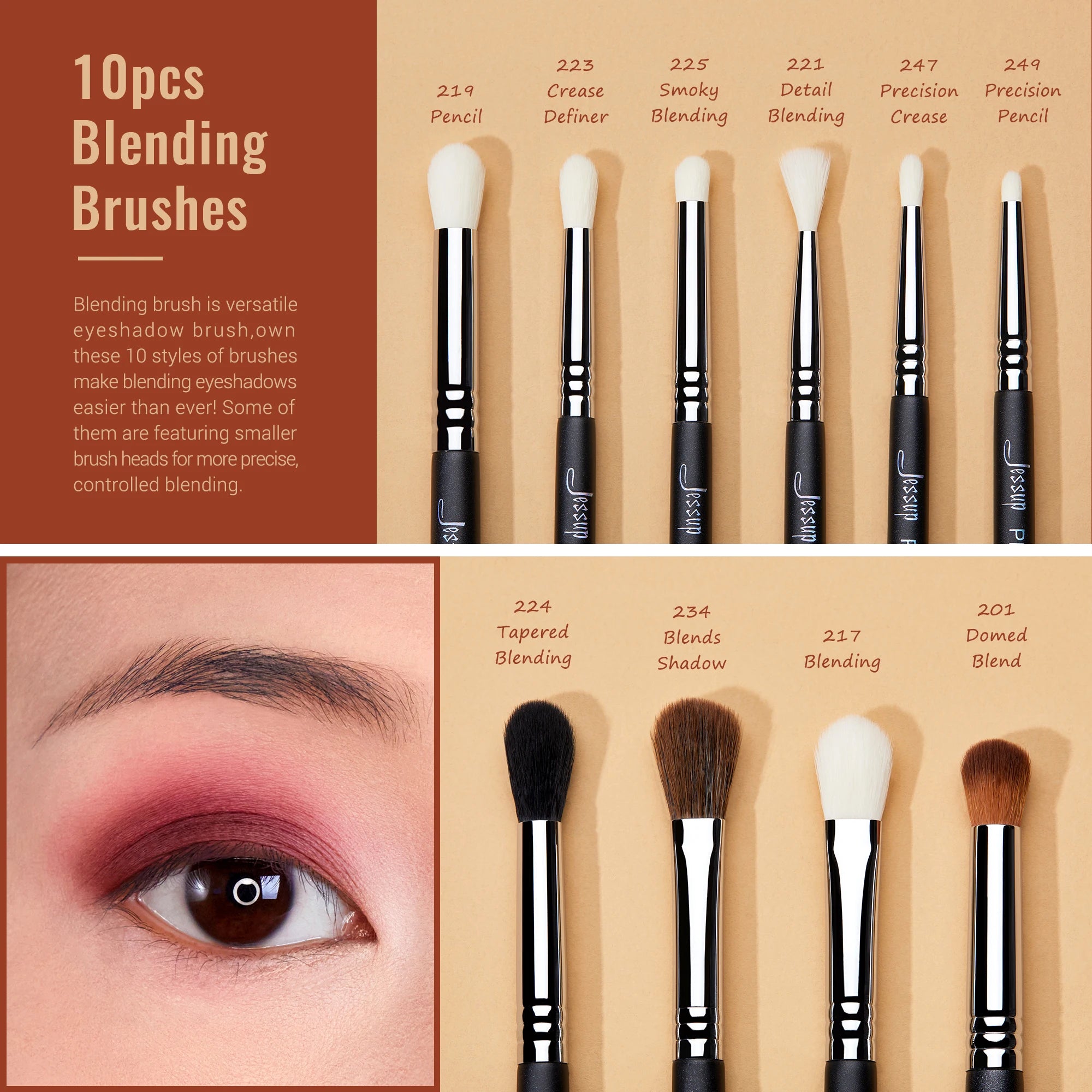
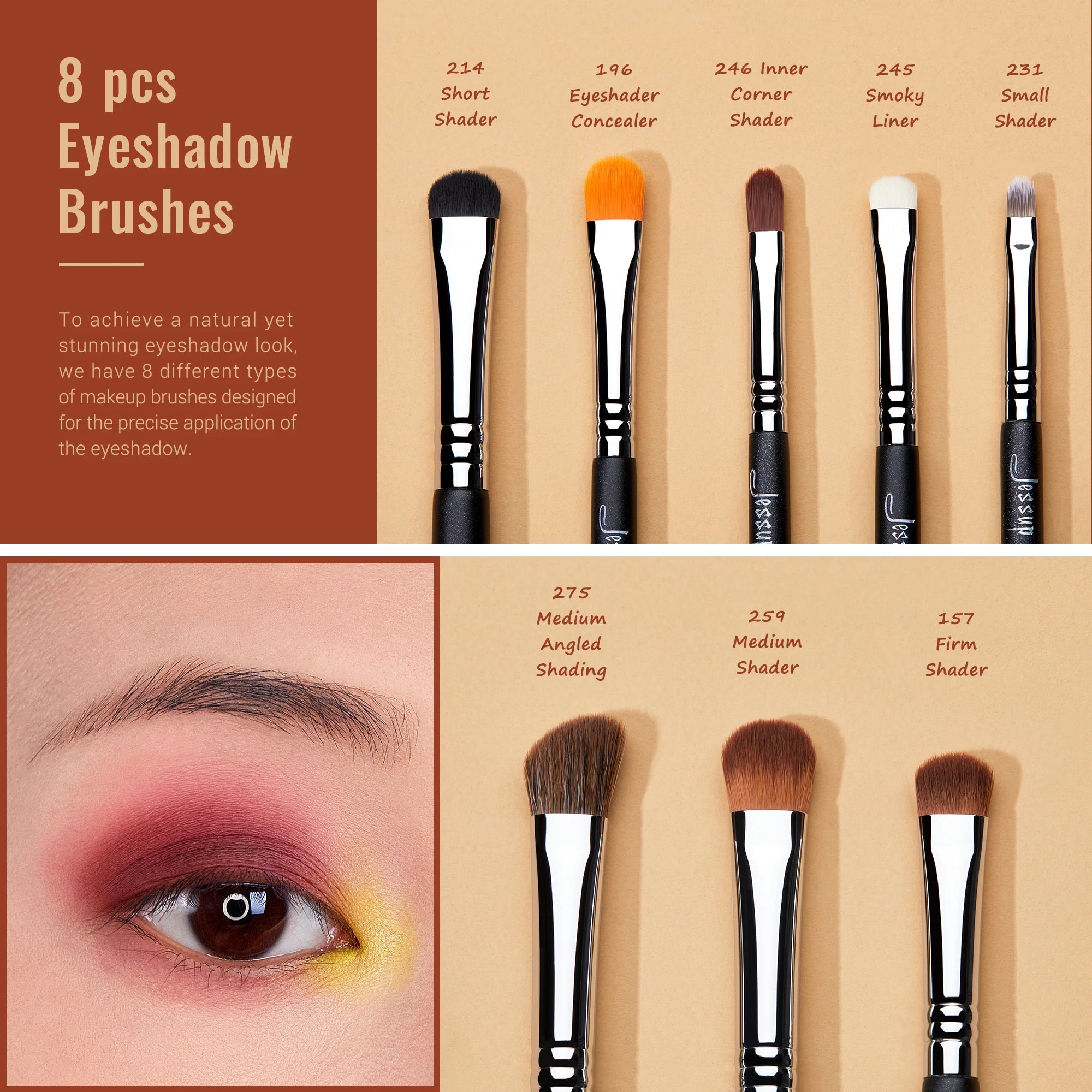
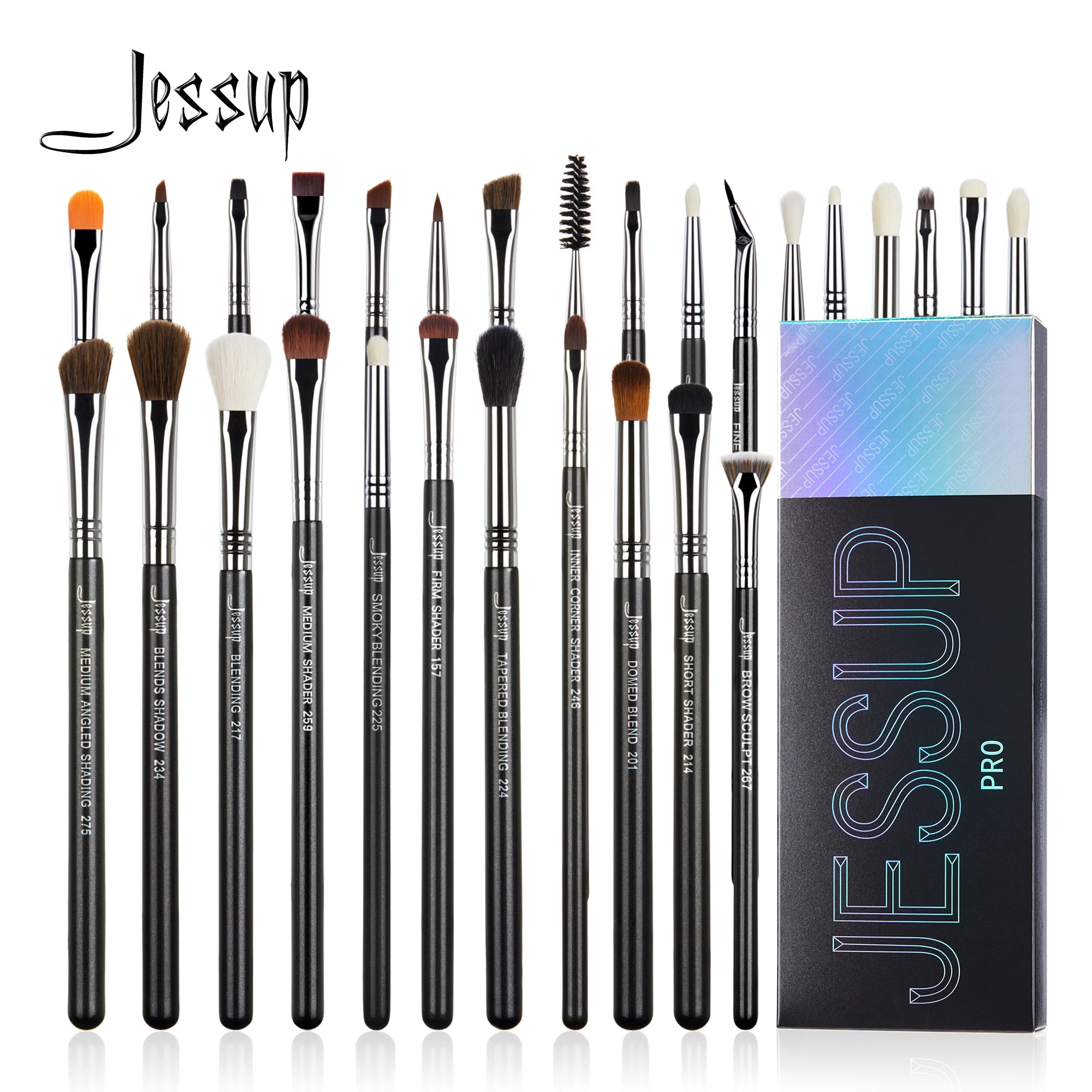
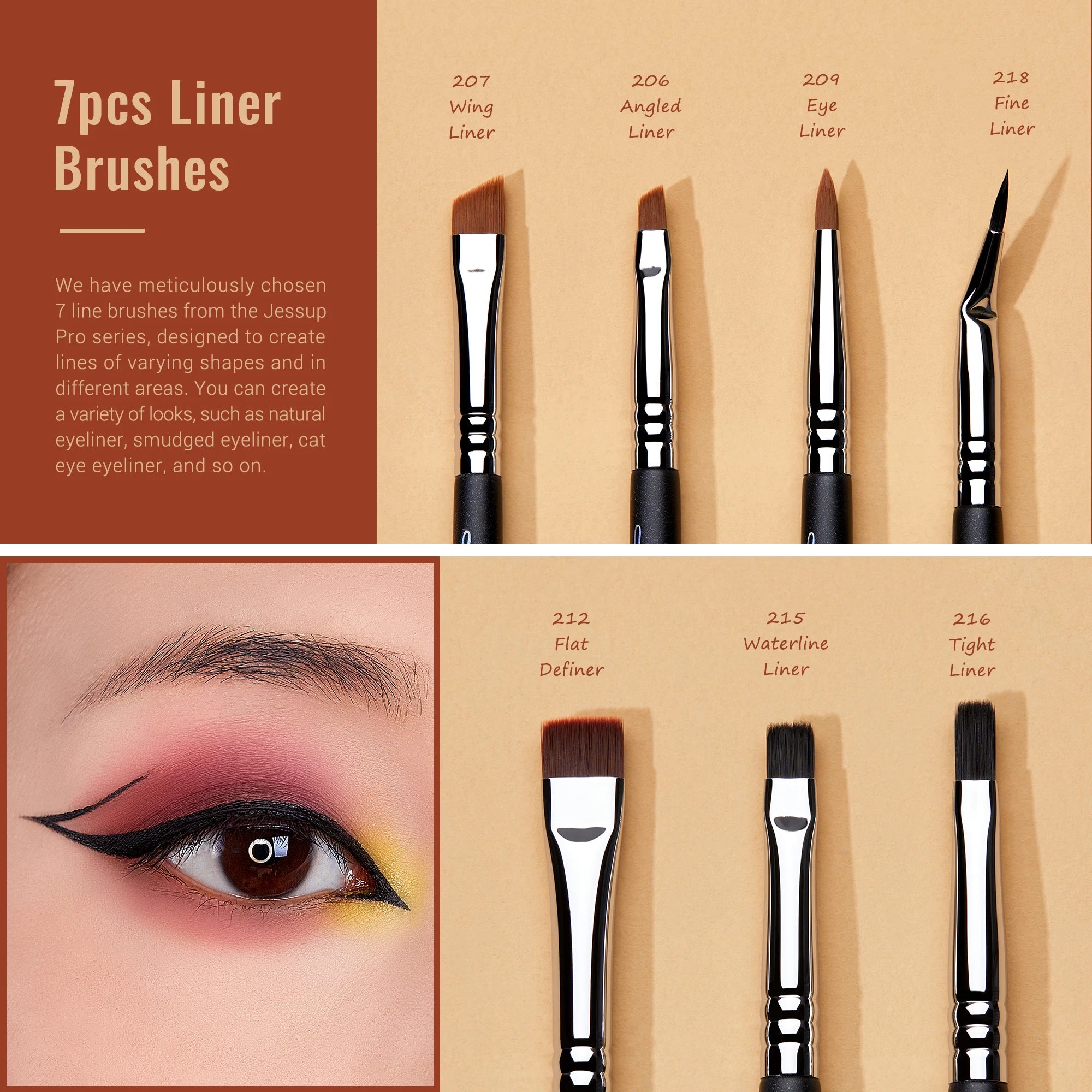
If you are building a broader makeup toolkit rather than buying a single brow brush, a complete 28pcs Eye Makeup Brushes Set can provide brow, eyeliner, shading, and blending brushes in one kit.
1. Best Firm Angled Brow Brush for Overall Definition
A firm angled brow brush is the strongest all-purpose option because the slanted edge gives you control over both broad filling and precise outlining. The shorter, firmer bristles can pick up concentrated product and deposit it where you want it without spreading too quickly.
This shape is particularly useful with eyebrow pomade because the angled edge can define the lower brow line, build the arch, and create a tapered tail. It also works well with powder when you want slightly stronger definition.
Why It Works
The angled profile creates a narrow working edge while the wider portion of the brush can fill larger areas. Firm bristles also resist bending, which makes pressure easier to control.
Pros & Cons
- Pros: Versatile, precise, effective with pomade, useful for outlining and filling.
- Cons: Can create overly sharp brows if too much pressure or product is used.
2. Best Precision Angled Brush for Sparse Brows
For sparse areas, a narrow precision brow brush can be more useful than a wider angled brush. Its small footprint makes it easier to place short, directional strokes between existing brow hairs.
Use a light hand and work in the same general direction as natural hair growth. Rather than drawing one continuous line, use small strokes and gradually build density. This approach helps preserve texture and avoids a block-like finish.
Best With Pomade, Powder, or Pencil?
A precision brush works especially well with pomade and cream formulas because the firm edge can control small amounts of product. It can also manipulate powder for softer detail. A pencil remains useful when you want the most direct hair-like drawing method, with the brush helping soften and integrate the marks afterward.
Pros & Cons
- Pros: Excellent control, ideal for sparse spots, supports detailed application.
- Cons: Slower for filling an entire brow and less forgiving for beginners.
3. Best Dual-Ended Brow Brush for Beginners
A dual-ended brow brush combines an application brush with a spoolie, making it particularly convenient for beginners. One end applies or defines the product while the spoolie distributes color through the hairs and softens visible edges.
The spoolie is important because brow makeup often looks harsher immediately after application than it does after blending. A few light passes can remove excess product and make the result appear more integrated with your natural hairs.
Why Beginners Benefit From a Spoolie
It provides a built-in correction step. If the brow becomes too dark or sharply outlined, brushing through the hairs can redistribute excess pigment before you add more.
Pros & Cons
- Pros: Convenient, forgiving, easy to control, combines application and blending.
- Cons: Dual-ended designs can require more careful storage to protect both ends.
4. Best Flat Brow Brush for Crisp Outlines
A flat brow brush has a straight working surface that can be useful when you want controlled product placement along the bottom or top edge of the brow. Its profile is particularly effective for users who prefer a sculpted finish.
Flat brushes can also work well for applying concealer around the brow after filling, although that is a separate use from applying brow color itself. For brow makeup, keep the brush relatively clean and use small amounts of product to prevent the edges from becoming too heavy.
When to Choose Flat Over Angled
Choose a flat profile when a straight, controlled edge is more important to you than versatility. An angled brush generally offers more flexibility, while a flat brush can feel more deliberate for outlining.
Pros & Cons
- Pros: Clean edge control, controlled placement, useful for sculpted brow styles.
- Cons: Less versatile for soft filling and rounded transitions.
5. Best Soft Angled Brow Brush for Natural-Looking Brows
A softer angled brush is a better match for people who dislike strongly outlined brows. Slightly more flexible bristles distribute powder or lightweight product with less concentration, making it easier to build color gradually.
Use light pressure, start with the areas that need the most definition, and avoid repeatedly packing product onto the front of the brow. Finish with a spoolie to soften transitions.
Best Technique for a Diffused Finish
Pick up a small amount of powder, tap off excess, and use short strokes rather than dragging the brush across the entire brow. This produces a more controlled gradient and reduces the chance of depositing too much pigment at once.
Pros & Cons
- Pros: Forgiving, natural-looking, effective for powder and softer formulas.
- Cons: Less effective for sharp pomade outlines.
6. Best Spoolie Brush for Grooming and Blending
A spoolie does not replace an application brush, but it is one of the most useful brow tools for finishing a look. It separates hairs, distributes gel, blends powder, and reduces excess pigment.
Use a spoolie before application to organize the brow hairs and identify sparse areas. After applying color, brush through again using light upward and outward movements. This can make even defined brows appear less painted-on.
When a Spoolie Is Enough
A spoolie can be enough if your main goal is grooming or applying a tinted brow gel. For filling gaps with powder, pomade, or cream, you will generally need a separate application brush.
Pros & Cons
- Pros: Excellent for blending, grooming, gel application, and softening excess color.
- Cons: Cannot provide the same precision as an angled or flat application brush.
7. Best Fine Detail Brush for Maximum Precision
A fine detail brow brush is designed for situations where even a narrow angled brush feels too broad. It is particularly useful for experienced users who want to create tiny strokes, sharpen a tail, or correct small gaps without disturbing surrounding makeup.
This is a specialist choice rather than the best first brush for everyone. Precision comes at the cost of speed, so it makes the most sense when detail matters more than fast application.
Pros & Cons
- Pros: Maximum control, excellent for detailed work, useful for experienced users.
- Cons: Takes longer to use and can be less forgiving of heavy application.
What Type of Eyebrow Brush Is Best for Different Products?
The best brush for eyebrows changes with the formula. A brush that performs well with powder may not give the same control with a dense pomade.
- Eyebrow pomade: Choose a firm angled or precision angled brush for controlled placement and sharp edges.
- Eyebrow powder: Choose a soft or moderately firm angled brush when you want buildable, diffused color.
- Eyebrow gel: A spoolie is usually the most useful choice for distributing gel through the hairs.
- Eyebrow pencil: Use the pencil for direct hair-like marks, then use a spoolie or soft brush to soften and blend them.
What Is the Best Brush for Eyebrow Pencil?
An eyebrow brush is primarily useful for blending and softening pencil marks rather than replacing the pencil itself. After drawing small strokes with a brow pencil, use a clean spoolie or soft angled brush to diffuse any lines that look too strong.
Best Brush for Eyebrow Gel
A spoolie is generally preferable for eyebrow gel because it separates hairs and distributes the formula evenly. A small angled brush becomes useful when you want targeted definition, such as filling a small gap or sharpening a particular section.
How Brush Shape Changes Your Brow Result
Brush shape affects how quickly pigment is deposited, how precisely it can be placed, and how easily the result can be softened. Understanding these differences is more useful than memorizing one universal “best” brush.
For Soft, Natural Brows
Use a softer angled brush, light pressure, and a spoolie. Build color gradually instead of trying to achieve full intensity in one pass. Keep the inner brow lighter and concentrate more definition toward the arch and tail.
For Defined, Sculpted Brows
Use a firm angled or flat brush with controlled product placement. A sharper edge makes it easier to create a clean outline, but use minimal product near the front of the brow to prevent an overly graphic result.
For Sparse Areas and Hair-Like Detail
Choose a narrow precision brush and work in short, directional strokes. The goal is not simply to fill the empty space but to mimic the direction and spacing of natural brow hairs.
Eyebrow Brush Buying Guide: 6 Features That Matter
1. Bristle Stiffness
Firm bristles provide more control and are usually better for pomade and precise edges. Softer bristles are more forgiving for powder and diffused finishes.
2. Brush Width
Narrow brushes favor precision, while wider brushes can fill larger sections faster. If you have thin brows, excessive width may make controlled application harder.
3. Edge Sharpness
A clean, sharp edge helps create defined outlines. Look for a brush that keeps its shape under light pressure rather than spreading widely.
4. Synthetic Bristles
Synthetic bristles are commonly useful for cream, gel, and pomade formulas because they can be cleaned efficiently and tend to provide consistent product pickup. They are also widely available in cruelty-free brush designs.
5. Dual-Ended Design
A brush paired with a spoolie can improve convenience and value, particularly for beginners. You get an application tool and a built-in blending tool without needing two separate handles.
6. Handle and Overall Durability
Look for a handle that feels balanced in your hand, a secure ferrule, and bristles that resist shedding or losing their shape. Comfort matters because brow application depends on small, controlled movements.
Best Eyebrow Brush by Brow Goal
Best for Natural-Looking Brows
Choose a soft angled brow brush paired with a spoolie. This combination makes it easier to build color gradually and diffuse edges before the brow becomes too defined.
Best for Bold, Defined Brows
Choose a firm angled or flat brush. These profiles provide the edge control needed for pomade and sculpted brow styles.
Best for Sparse Brows
Choose a precision angled brush. Its narrow edge gives you better control for small gaps and directional strokes.
Best for Beginners
Choose a dual-ended angled brush and spoolie. The two ends simplify the process by combining application with grooming and blending.
Best for Makeup Artists and Experienced Users
Choose a fine precision brush when maximum control is the priority. Experienced users can take advantage of the smaller working area for detailed shaping and correction.
If you want several eye and brow brush profiles rather than a single specialist tool, the 28pcs Eye Makeup Brushes Set includes synthetic eye brushes designed for blending, shading, eyeliner, and eyebrow work. Its 28-piece format makes more sense for someone who also needs a broader eye makeup toolkit.
Common Eyebrow Brush Buying Mistakes
Choosing a Brush That Is Too Soft for Pomade
Very soft bristles can bend under pressure and make a pomade harder to control. If crisp edges are important, choose a firmer angled profile.
Using a Brush That Is Too Wide
A wide brush may cover more area quickly, but it can make small corrections difficult. Narrower profiles are generally easier for thin brows, tails, and sparse areas.
Skipping the Spoolie
Even excellent application can look harsh if excess product is not blended. A spoolie helps redistribute pigment and integrate makeup with the natural brow hairs.
Buying a Large Set When You Only Need One Brow Brush
A large eye makeup brush set offers value only when you will use multiple brush types. If your only goal is brow application, a quality single angled brush may be the more efficient purchase. If you also need eyeliner, shading, and blending tools, a multi-piece set can be more practical.
How to Clean and Maintain an Eyebrow Brush
Regular cleaning removes accumulated makeup, oils, and residue while helping the bristles maintain their original shape. Cleaning frequency should increase when you use creamy or waxy brow formulas frequently.
How Often to Clean a Brow Brush
For frequent personal use, clean brow brushes regularly rather than allowing pomade or gel to build up. Cream and gel formulas generally need more frequent cleaning than dry powder because residue can accumulate between the bristles.
How to Wash an Angled or Flat Brow Brush
- Wet the bristles with lukewarm water while keeping unnecessary moisture away from the handle and ferrule.
- Apply a small amount of gentle brush cleanser or mild soap.
- Massage the bristles carefully without aggressively bending the angled edge.
- Rinse until the water runs clear.
- Gently squeeze out excess water with a clean towel.
- Reshape the brush and allow it to dry flat or with the bristles positioned so water does not collect inside the ferrule.
How to Keep a Precision Brush Sharp and Usable
Do not store a precision brush while the bristles are wet or compressed against another object. After washing, reshape the working edge and let it dry completely before placing it in a case or holder. Avoid repeatedly rubbing the brush against rough surfaces because this can distort the tip.
Final Verdict: Which Eyebrow Brush Should You Buy?
The best eyebrow brush for most users is a firm angled brush because it balances precision, speed, and versatility. It can handle pomade, powder, and many cream formulas while giving you enough control to outline, fill, and shape the brow.
For natural-looking brows, choose a softer angled brush and use a spoolie to diffuse the result. For sparse brows, a narrow precision brush gives you stronger control over small, directional strokes. Beginners will usually benefit most from a dual-ended brush with a spoolie, while experienced users can add a fine detail brush when maximum precision is required.
If you need more than a brow tool and also want brushes for eyeshadow, eyeliner, blending, and shading, a multi-piece option such as the 28pcs Eye Makeup Brushes Set offers broader functionality. Its synthetic bristles and multiple eye-focused brush profiles make it a practical choice when you want one kit rather than several individual brushes.
Ultimately, choose by formula, finish, and precision rather than simply selecting the most expensive brush or largest set. The right shape should make the result easier to control—not make your routine more complicated.
Pillar Article: Good Affordable Brush Set: Best Picks for Eye Makeup













