

Hot or Cold Compress for Stye: Which One Works Best?
Wondering whether a cold or hot compress for a stye on the eye actually helps it heal faster? Understanding when to use heat versus cold can make a big difference in reducing swelling, relieving discomfort, and helping the blocked gland heal properly. This expert guide explains what eye doctors recommend, how compress therapy works, and the safest way to treat a stye at home.
⏱ 7 min read

💡 Warm compresses are commonly recommended to help styes drain naturally.
Hot or Cold Compress for Stye — The Quick Answer
If you have a stye, a warm compress is the most recommended treatment. Eye doctors commonly advise applying a warm compress because heat helps soften and loosen the blocked oil gland that causes the stye, allowing it to drain naturally.
A cold compress for a stye can reduce swelling and discomfort temporarily, but it does not address the underlying blockage. For this reason, warm compress therapy is considered the best compress for stye treatment.
- Warm compress: Helps unblock oil glands and promote drainage
- Cold compress: Helps reduce swelling and pain
- Best approach: Use warm compresses several times per day
Most styes improve within a few days when treated with regular warm compresses and proper eyelid hygiene.
What Is a Stye and Why It Happens
A stye (also called a hordeolum) is a small, painful bump that forms on the eyelid when an oil gland becomes blocked and infected with bacteria. These glands normally produce oils that help keep the eyes lubricated.
When the gland opening becomes clogged with oil, debris, or bacteria, fluid builds up and inflammation develops. This results in the red, swollen bump commonly known as a stye.
How Oil Gland Blockages Cause Styes
The eyelids contain many tiny oil glands called meibomian glands. When one of these glands becomes blocked:
- Oil cannot drain normally
- Bacteria multiply inside the gland
- Swelling and tenderness develop
- A small pus-filled bump forms
This blockage is why warm compresses are typically recommended — heat helps soften the oil and reopen the clogged gland.
Maintaining proper eyelid hygiene is also important for eye health. You can explore additional tools in our general eye care collection.
Warm vs Cold Compress for Stye: What Doctors Recommend
When deciding between a warm or cold compress for stye treatment, most eye care professionals recommend warm compresses as the primary home remedy.
Heat helps liquefy the thickened oil inside blocked eyelid glands, allowing the stye to drain naturally. Cold compresses, on the other hand, mainly reduce inflammation but do not unblock the gland.
Why Warm Compresses Help a Stye Heal
A warm compress for stye treatment works by improving circulation and softening the oils trapped inside the eyelid gland.
- Loosens hardened oil blocking the gland
- Encourages natural drainage
- Improves blood flow to the area
- Reduces pain as pressure decreases
Because of these effects, warm compress therapy is considered the most effective home treatment for most styes.
When a Cold Compress Can Help
A cold compress on a stye may help reduce swelling, redness, or irritation, especially during the early stages when the eyelid feels inflamed.
- Helps reduce eyelid swelling
- Provides temporary pain relief
- May soothe irritation around the eye
However, cold compresses should usually be considered supportive care rather than the primary treatment.
How to Apply a Warm Compress for a Stye (Step-by-Step)
Applying a warm compress correctly helps the blocked gland open and allows the stye to drain naturally. Follow these simple steps:
- Wash your hands thoroughly before touching your eye.
- Soak a clean washcloth in warm (not hot) water.
- Wring out excess water.
- Place the warm cloth gently over the closed eyelid.
- Leave it in place for several minutes.
- Rewarm the cloth if it cools down.
Repeat this process several times per day to encourage healing.
How Long Should You Use a Hot Compress for a Stye?
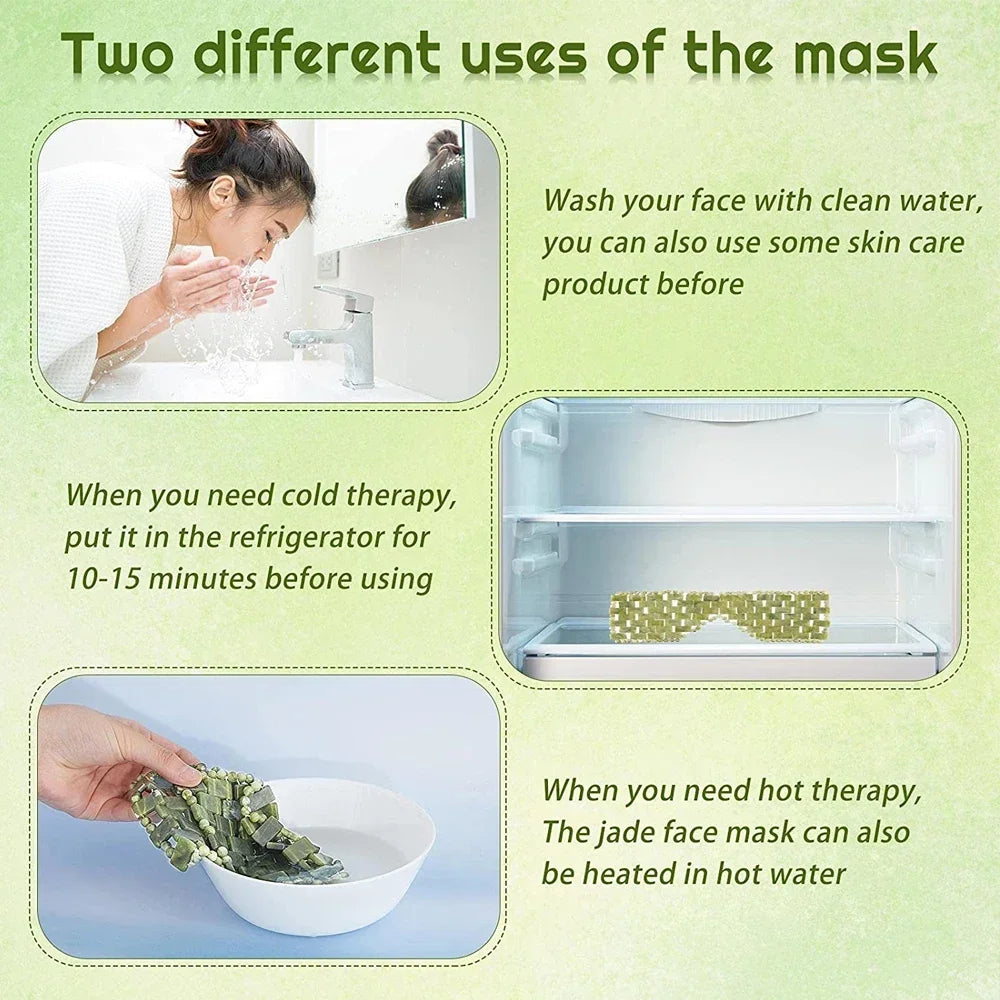
Most eye specialists recommend applying a warm compress for 10 to 15 minutes at a time, about 3 to 5 times per day. Consistency is more important than extreme heat, so the compress should feel comfortably warm rather than hot.
How to Make a Warm Compress for Stye at Home
You can easily make a warm compress using common household items:
- A clean washcloth soaked in warm water
- A microwaved damp towel wrapped in cloth
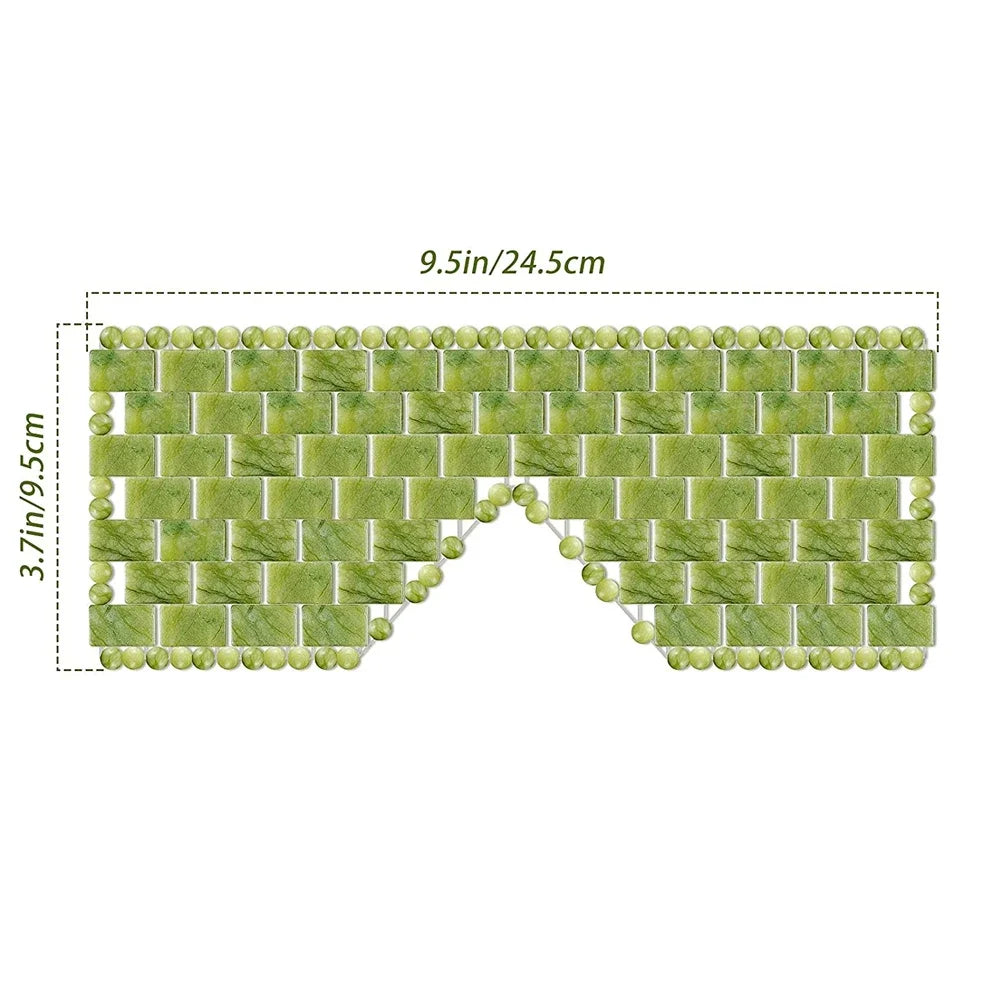
- A reusable heated eye mask such as the KentDO Cooling Jade Eye Mask
Always test the temperature first to avoid burning the delicate skin around the eye.
Can You Use a Cold Compress on a Stye?
Yes, you can use a cold compress for a stye if your main goal is reducing swelling or soothing irritation. However, cold therapy does not treat the root cause of a stye — the blocked oil gland.
When Ice Helps Stye Swelling
A cold compress may help in situations such as:
- Significant eyelid swelling
- Tenderness or throbbing pain
- Inflammation around the stye
Apply a cool compress for about 5 to 10 minutes while keeping the eye closed.
Situations When Cold Compress Is Not Ideal
Cold compresses are usually not recommended as the main treatment if the goal is to help the stye drain.
- They do not soften blocked oil glands
- They may slow drainage compared to heat
- They mainly provide temporary symptom relief
For most people, alternating occasional cold compresses with regular warm compress therapy works best.
Hot vs Cold Compress for Stye — Pros and Cons
Both warm and cold compresses can help with stye symptoms, but they serve different purposes.
-
Warm compress
- Helps unblock oil glands
- Encourages drainage
- Recommended by eye doctors
-
Cold compress
- Reduces swelling
- Relieves pain temporarily
- Does not address gland blockage
For most cases, the best compress for stye treatment is a warm compress used consistently several times per day.
Additional Stye Care Tips for Faster Healing
Along with using a warm compress, several simple habits can help a stye heal more quickly.
- Avoid touching or squeezing the stye
- Keep the eyelid clean
- Remove eye makeup until the stye heals
- Wash hands frequently
- Avoid wearing contact lenses temporarily
Most styes improve within a few days and clear completely within one to two weeks.
💡 Warm compress therapy helps soften blocked oil glands that cause styes.
When to See a Doctor for a Stye
Although most styes heal on their own, medical care may be necessary in some situations.
- The stye lasts longer than 1–2 weeks
- Swelling spreads across the eyelid
- Vision becomes affected
- Pain becomes severe
- Styes keep returning
An eye doctor may prescribe antibiotic ointment or perform a minor procedure to drain the stye if necessary.
How to Prevent Future Styes
Maintaining good eyelid hygiene can significantly reduce the risk of developing styes.
- Remove eye makeup every night
- Clean eyelids gently with warm water
- Replace old eye makeup regularly
- Avoid touching eyes with unwashed hands
- Practice proper contact lens hygiene
Regular eyelid care helps keep oil glands functioning properly and reduces the chance of blockages.
💡 Gentle compress therapy can help relieve swelling and support natural healing.
FAQ
Can I put a cold compress on a stye?
Yes. A cold compress can help reduce swelling and discomfort, but it does not treat the blocked oil gland that causes the stye.
Will a cold compress help a stye?
Cold compresses may relieve swelling and irritation temporarily. However, warm compresses are usually more effective because they help the gland drain.
Why does warm compress help a stye?
Heat softens thickened oil inside the eyelid gland, allowing the blockage to open and the stye to drain naturally.
How long should you put a hot compress on a stye?
A warm compress is typically applied for 10 to 15 minutes, three to five times per day.
Can I use both hot and cold compress in one day?
Yes. Many people use warm compresses for treatment and occasional cold compresses to reduce swelling.
How long until a stye heals with compress therapy?
Most styes begin improving within a few days and heal completely within one to two weeks.
Pillar Article: Hot or Cold Compress for Eye Redness: Which Is Best for Your Eyes?
Explore More:













