

Do Contact Lens Cleaning Machines Work? Science, Safety & Real Results
⏱ 8 min read
Quick Answer: Do Contact Lens Cleaning Machines Actually Work?
Yes, contact lens cleaning machines can help remove debris, protein buildup, and microorganisms from lenses — especially when ultrasonic technology is used. However, they are generally designed to complement traditional lens cleaning solutions rather than replace them entirely.
Ultrasonic contact lens cleaners work by generating microscopic bubbles in the cleaning liquid. When these bubbles collapse, they create tiny pressure waves that dislodge deposits from the surface of the lens. This process can improve cleaning efficiency, particularly for stubborn buildup.
That said, eye care professionals still recommend combining any contact lenses cleaning machine with approved disinfecting solutions to ensure proper hygiene and lens safety.
A contact lenses cleaning machine promises spotless lenses in minutes — no rubbing, no risk of scratching, and no more cloudy vision halfway through the day. But does the reality match the promise? In this in-depth contact lens cleaning machine review, we’ll examine the science behind these devices, how they compare with traditional cleaning methods, and whether investing in a portable contact lens cleaning machine is the right upgrade for your lens care routine.
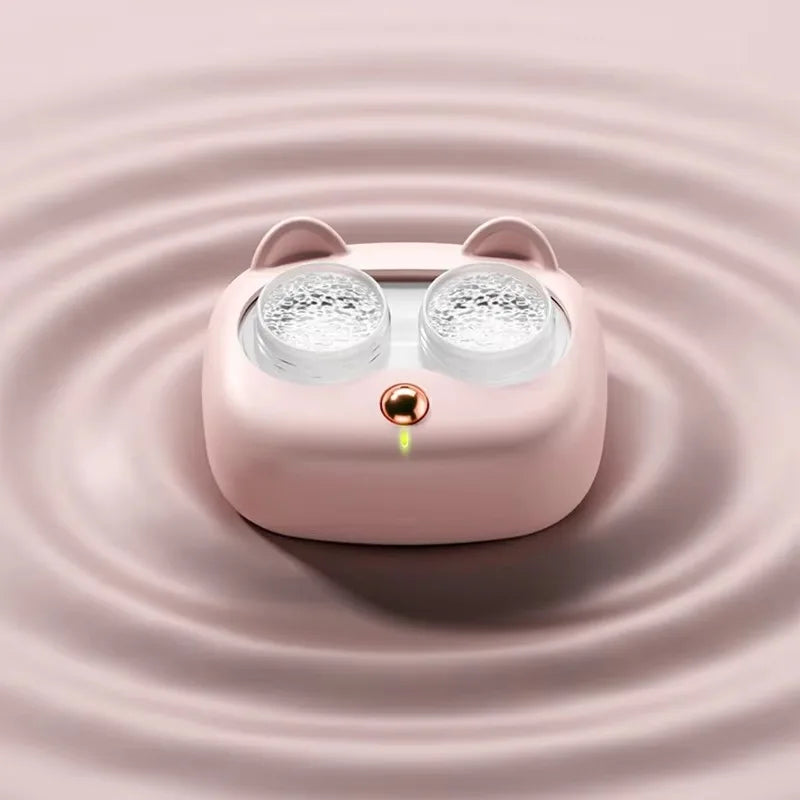
💡 Experience effortless lens hygiene with the KentDO Contact Lenses Cleaning Machine — see it in action.
What Is a Contact Lens Cleaning Machine?
A contact lens cleaning machine is a small device designed to help remove deposits, debris, and microorganisms from contact lenses using mechanical or ultrasonic motion. These devices typically use a cleaning solution and vibration to improve the effectiveness of lens hygiene.
Portable Contact Lens Cleaning Machines
A portable contact lens cleaning machine is compact, battery-powered, and designed for everyday convenience. Many models are small enough to fit in a travel bag, making them popular among frequent travelers or users who want a quick automated cleaning option.
Ultrasonic Contact Lens Cleaners
An ultrasonic contact lens cleaner uses high-frequency sound waves to create microscopic bubbles in the cleaning solution. This process, known as ultrasonic cavitation, helps loosen and remove buildup that may be difficult to eliminate with manual cleaning alone.
How Does an Ultrasonic Contact Lens Cleaner Work?
Most modern contact lens cleaning machines rely on ultrasonic vibration technology. These devices generate high-frequency sound waves that travel through the cleaning solution surrounding the lenses.
The Science Behind Ultrasonic Cavitation
When ultrasonic waves pass through liquid, they create microscopic bubbles. These bubbles rapidly form and collapse in a process called cavitation. As the bubbles collapse, they release tiny bursts of energy that help break apart deposits stuck to the lens surface.
This microscopic agitation allows the cleaning solution to reach small crevices on the lens where debris and protein buildup often accumulate.
What Deposits Ultrasonic Cleaning Removes
- Protein deposits from tears
- Lipid residue from the eye surface
- Dust and environmental debris
- Cosmetic particles such as makeup
By helping remove these deposits more thoroughly, ultrasonic cleaners may improve lens comfort and clarity.
Are Ultrasonic Contact Lens Cleaners Effective?
Ultrasonic contact lens cleaners can be effective at removing debris and buildup from lenses when used with proper cleaning solutions. Their performance is strongest when addressing physical deposits rather than full chemical disinfection.
Effectiveness for Protein Deposits and Debris
Protein buildup is one of the most common causes of cloudy or uncomfortable lenses. Ultrasonic vibration helps loosen these deposits so they can be washed away more easily by the cleaning solution.
Effectiveness for Bacteria and Microorganisms
Ultrasonic motion can help reduce microorganisms on the lens surface by disrupting their attachment to the material. However, the ultrasonic process itself does not replace disinfecting solutions designed to kill bacteria.
What They Cannot Do
- Replace disinfecting contact lens solution
- Sterilize lenses without proper chemicals
- Repair damaged or worn lenses
For this reason, most eye care professionals recommend using ultrasonic cleaners as a supplement to traditional lens cleaning routines rather than a complete replacement.
Contact Lens Cleaning Machine vs Traditional Cleaning Methods
Manual Rubbing Method
The traditional “rub and rinse” method remains one of the most widely recommended cleaning techniques. Gently rubbing the lens with disinfecting solution helps remove deposits before storing the lenses overnight.
Hydrogen Peroxide Systems
Hydrogen peroxide cleaning systems provide deep disinfection by chemically breaking down bacteria and microorganisms. These systems are often recommended for users with sensitive eyes or heavy deposit buildup.
Ultrasonic Cleaning Machines Compared
Ultrasonic contact lens cleaners add a mechanical cleaning step that may improve the removal of stubborn debris. They can be especially helpful for users who struggle with protein buildup or want a more automated cleaning process.
However, they work best when used alongside approved contact lens solutions rather than as a standalone cleaning method.
| Feature | Manual Cleaning | KentDO Ultrasonic Machine |
|---|---|---|
| Cleaning Time | 3–5 minutes per lens | 2–5 minutes for both lenses |
| Risk of Scratches | Moderate | None |
| Cleaning Consistency | Varies by user technique | Consistently thorough |
| Bacteria Removal | Good | Excellent |
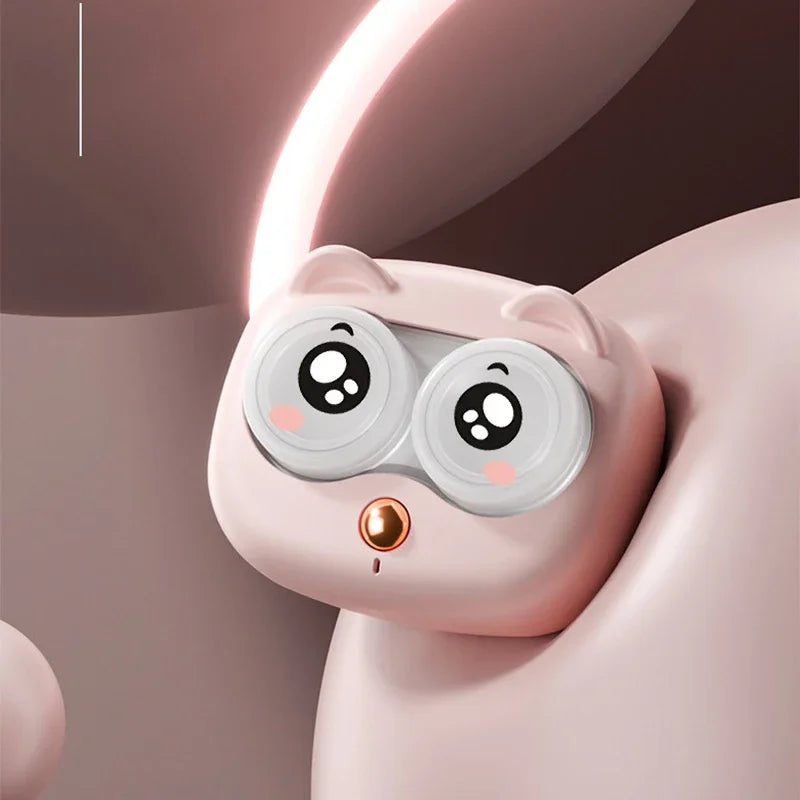
✨ Upgrade to the portable contact lens cleaning machine for hygiene you can see — shop now.
Pros and Cons of Contact Lens Cleaning Machines
| Pros | Cons |
|---|---|
| ✅ Fast, consistent cleaning | ❌ Requires electricity or USB charging |
| ✅ Helps remove stubborn deposits | ❌ Initial investment cost |
| ✅ Compact and travel-friendly | ❌ Needs regular solution refills |
| ✅ Reduces manual handling of lenses | ❌ Not compatible with some specialty lenses |
Are Ultrasonic Contact Lens Cleaners Safe for All Lens Types?
Most ultrasonic contact lens cleaners are designed to be safe for common lens materials when used according to the manufacturer’s instructions. However, compatibility may vary depending on the type of lens you wear.
Soft Contact Lenses
Soft lenses are generally compatible with ultrasonic cleaners. The vibration levels used in most devices are gentle enough to clean the lens surface without damaging the material.
Rigid Gas Permeable (RGP) Lenses
Rigid gas permeable lenses can also be cleaned with ultrasonic machines, although users should confirm compatibility with their specific lens care system.
When Eye Care Professionals Recommend Them
Eye care professionals may suggest ultrasonic cleaning devices for users who experience frequent protein buildup, allergies that increase debris on lenses, or difficulty maintaining consistent manual cleaning habits.
Best Situations to Use a Contact Lens Cleaning Machine
A contact lens cleaning machine may be particularly helpful in several situations:
- Users who frequently experience protein buildup on lenses
- People who wear lenses for long hours each day
- Travelers who prefer a portable contact lens cleaning solution
- Individuals seeking a more automated cleaning routine
While these devices can improve cleaning efficiency, they are most effective when combined with proper disinfecting solutions and recommended lens hygiene practices.
Contact Lens Cleaning Machine Review: What Real Users Say
User feedback on ultrasonic contact lens cleaners is generally positive, especially among people who wear lenses daily. Many users report clearer vision, improved comfort, and fewer deposits when incorporating an automated cleaner into their routine.
"I've been wearing contacts for 15 years, and the KentDO machine is the cleanest my lenses have ever been. No more end-of-day dryness!" — Sarah M.
"As someone who travels weekly, the portable design means my lenses are spotless wherever I go. Worth every penny." — Jason R.
Why a Portable Contact Lens Cleaning Machine Is Popular for Travel
A portable contact lens cleaning machine offers convenience for people who travel frequently or maintain busy schedules. Compact ultrasonic cleaners typically use USB charging and fit easily into small bags or toiletry kits.
- Lightweight and compact design
- Convenient USB charging
- Easy cleaning without manual rubbing
- Useful for hotel stays or travel routines
How to Use a Contact Lens Cleaning Machine Safely
Step-by-Step Cleaning Process
- Wash and dry your hands thoroughly.
- Fill the device with the recommended contact lens cleaning solution.
- Place each lens in the designated holder inside the machine.
- Activate the cleaning cycle according to the device instructions.
- Rinse lenses with fresh solution before storing them.
Common Mistakes to Avoid
- Using tap water instead of sterile lens solution
- Overusing ultrasonic cleaning cycles
- Skipping disinfecting solution
- Failing to clean the device regularly
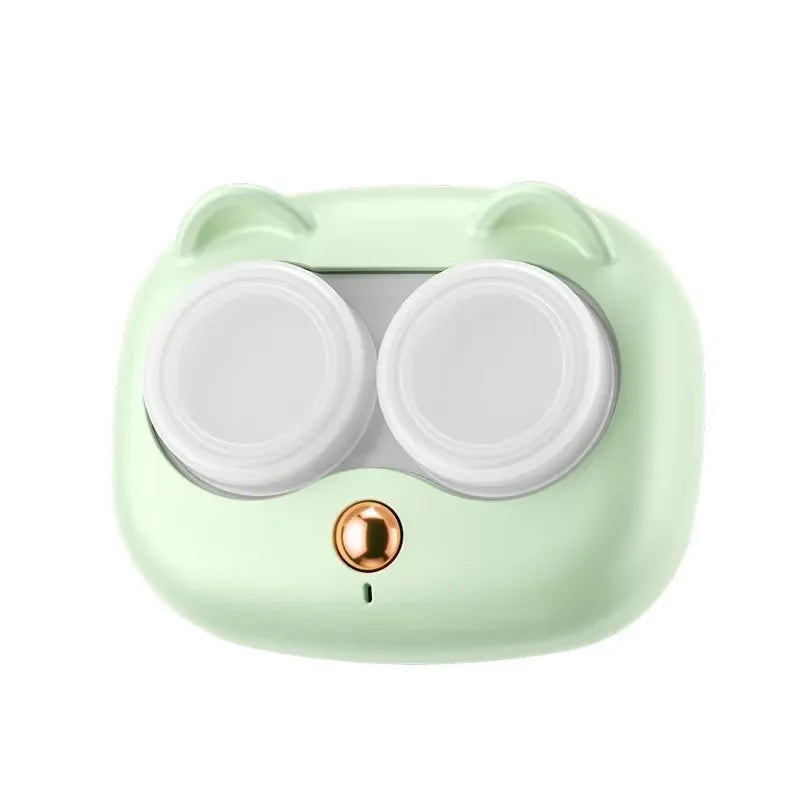
💡 Maintain lens clarity every day — shop KentDO now.
FAQ
Can I use tap water in my contact lenses cleaning machine?
No. Always use fresh multipurpose contact lens solution to avoid introducing harmful bacteria or minerals.
Is the KentDO suitable for all lens types?
It works best with soft and RGP lenses but is not recommended for scleral lenses due to size constraints.
How often should I clean my contact lens cleaning machine?
Rinse and wipe the chamber daily, and deep clean weekly for best hygiene.
Do ultrasonic contact lens cleaners work better than manual cleaning?
Ultrasonic cleaners can improve debris removal compared with manual rinsing alone. However, most experts recommend combining ultrasonic cleaning with the traditional rub-and-rinse method for the most thorough results.
Are ultrasonic contact lens cleaners worth it?
They may be worth it for people who experience frequent buildup on their lenses or want a more convenient cleaning routine. For occasional lens wearers, traditional cleaning methods may already be sufficient.
Explore more eye care devices and lifestyle tools designed to make your daily routine healthier, faster, and more enjoyable.













