

Cordless heated eye mask vs. electric — which is safer?
Both cordless and electric heated eye masks can be safe when used correctly. Cordless models offer portable warmth with rechargeable batteries, while electric models provide continuous heat through a power source. Safety depends mainly on temperature control, auto-shutoff features, proper cleaning, and recommended usage time rather than the power source itself.
Heated Eye Mask Side Effects: Safety, Risks, and How to Use Heat Therapy for Eyes Safely
A cordless heated eye mask can provide soothing warmth for tired eyes, dry eye discomfort, and relaxation routines. However, understanding heated eye mask side effects is important before adding heat therapy to your daily routine. When used properly, heated eye masks may support tear film stability and eyelid comfort, but excessive heat, long sessions, or improper use can lead to irritation or discomfort. This guide explains how heated eye masks work, their benefits, possible risks, and how to use eye heat therapy safely.
⏱ 7 min read
Heated Eye Masks: Quick Safety Overview (Are They Safe?)
What most users need to know before using heat therapy
Heated eye masks are generally considered safe when used correctly, especially for supporting comfort in people experiencing dry eye symptoms or eye fatigue. The main safety factors are temperature control, session length, and choosing a device designed for gentle heat therapy.
Most heated eye mask side effects are mild and temporary. Problems usually occur when the mask becomes too hot, stays on too long, or is used by someone with sensitive skin or an existing eye condition.
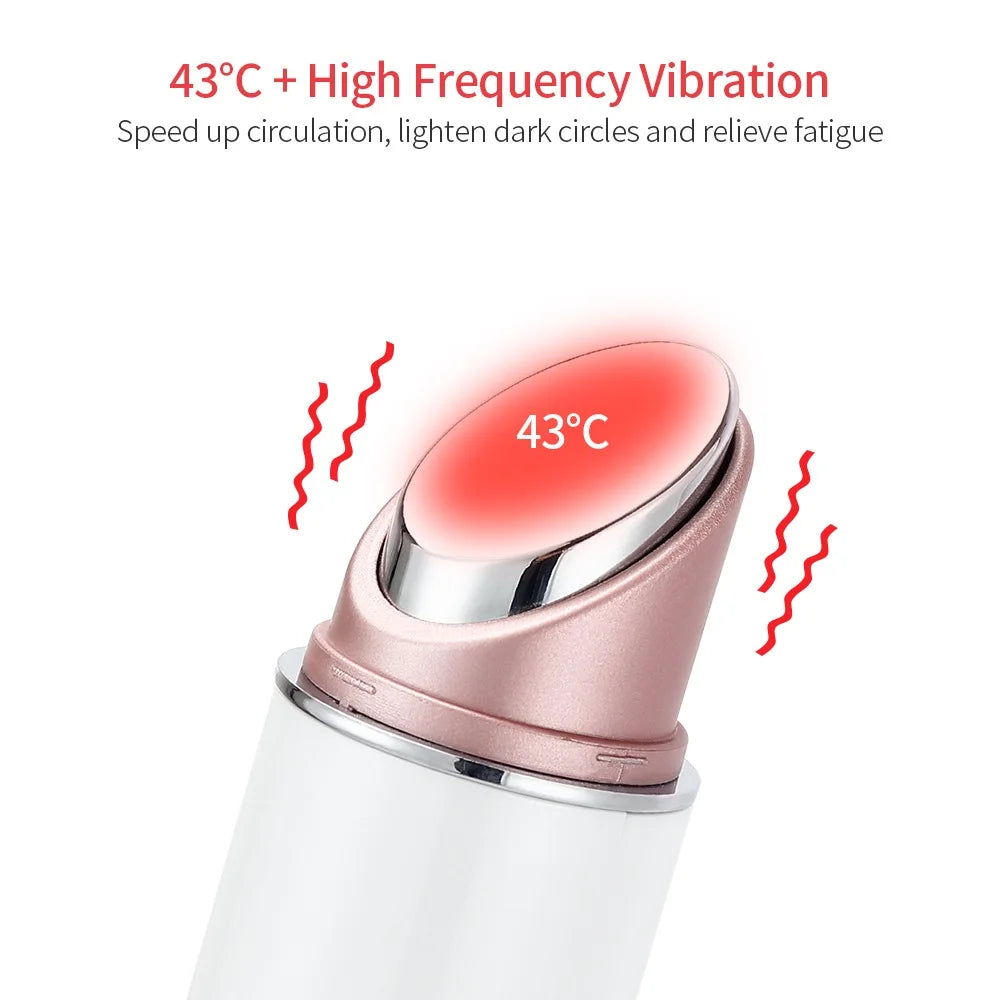
Cordless heated eye mask comfort without the wires — discover how it fits your lifestyle.
What Is a Heated Eye Mask and How Does It Work?
A heated eye mask is a warm compress device designed to deliver controlled heat around the eyelids and eye area. Many people use these masks to support dry eye comfort, relax tired eyes, and reduce discomfort caused by extended screen exposure.
Heat Therapy and the Meibomian Glands
A heated eye mask applies gentle warmth to the eyelids to help soften oils inside the meibomian glands. These tiny glands produce the oily layer of tears that helps prevent evaporation and maintain a stable tear film.
When these oils become thicker or blocked, tear quality may decrease. Controlled warmth helps improve oil flow, which may support better eye lubrication and comfort.
How Warming the Eyelids Supports Tear Film Stability
Consistent gentle heat helps improve circulation around the eyelids and supports normal tear film function. This is why warm compress therapy is commonly used as part of routines for dry eye management.
For more information, read our guide: The Hidden Reason Heated Eye Masks Beat Cold Compresses for Dry Eyes .
How heated eye masks compare to steam eye masks
Heated eye masks usually provide controlled dry or moist warmth through built-in heating technology, while steam eye masks create warmth through water vapor. Steam-based options may feel more hydrating, but regulated heated masks often provide more consistent temperature control.
Heated Eye Mask Benefits at Night
Using a heated eye mask before bedtime is popular because gentle warmth can support eye comfort while creating a relaxing nighttime routine.
Supporting Tear Film and Eye Moisture
A warm compress may help improve oil flow from the eyelid glands, supporting tear stability and reducing feelings of dryness or irritation.
Relief for Dry Eyes and Digital Eye Strain
Long periods of screen use can contribute to eye fatigue and reduced blinking. A portable heated eye mask can help relax the eye area and provide soothing comfort after extended device use.
Explore more tools designed to reduce eye fatigue in our Eye Care Devices collection.
Benefits of Eye Mask at Night: Sleep and Relaxation
Warmth around the eyes may help create a calming bedtime routine by reducing tension and encouraging relaxation before sleep. Many users include heated eye masks as part of their evening wellness habits.
Heated Eye Mask Side Effects to Know Before Using One
Heated eye masks are generally safe, but side effects can occur when heat exposure is excessive or the device is not used correctly.
Temporary Blurry Vision
Mild blurry vision can happen after use because heat temporarily changes tear film distribution across the eye surface. This usually improves within a short period after removing the mask.
Skin Irritation or Redness Around the Eyes
The skin around the eyes is thin and sensitive. Excessive warmth or prolonged exposure may cause redness, irritation, or a flushed feeling.
Overheating and Eye Sensitivity
High temperatures can increase discomfort, especially for people with sensitive eyes or reactive skin. A heated eye mask should feel comfortably warm, not hot.
Why side effects happen
Most heated eye mask side effects happen because of three main factors: excessive temperature, extended use time, or individual sensitivity. Adjusting heat settings and reducing session length often prevents discomfort.
Who Should Avoid Heated Eye Masks?
Although many people use heat therapy safely, some individuals should use caution or ask an eye care professional before using heated eye masks.
Rosacea or Sensitive Skin
People with rosacea or heat-sensitive skin may experience increased redness or irritation because warmth can trigger facial flushing.
Post-Eye Surgery Recovery
Anyone recovering from LASIK, cataract surgery, or another eye procedure should wait until their eye specialist confirms heat therapy is appropriate.
Glaucoma or Eye Pressure Concerns
People with glaucoma or concerns about intraocular pressure should consult an eye specialist before regular heat therapy. Medical guidance is important because eye conditions can vary significantly between individuals.
Contact Lens Wearers
Remove contact lenses before using a heated eye mask. Heat therapy should be applied with clean eyelids and without lenses that may trap discomfort or dryness.
Signs You May Be Using a Heated Eye Mask Incorrectly
- The mask feels too hot: Remove it immediately if warmth becomes uncomfortable.
- Using heat too long: Extended sessions may increase dryness or irritation.
- Sleeping with an electric heated eye mask: Avoid falling asleep with devices that lack reliable auto-shutoff protection.
Heated Eye Mask Safety: Temperature and Duration Guidelines
Safe temperature range
The mask should provide gentle warmth rather than intense heat. Many warm compress routines use temperatures around 40°C to 45°C (104°F to 113°F), depending on the device and comfort level.
Recommended duration
Typical sessions last around 5 to 20 minutes depending on the product design and purpose. Longer exposure may increase the chance of irritation.
Safe daily use guidelines
- Follow the manufacturer's temperature recommendations
- Clean the mask regularly
- Remove contact lenses before use
- Stop if discomfort develops
How to prevent side effects
Prevent irritation by checking temperature before applying the mask, avoiding excessive sessions, and choosing models with temperature regulation and automatic shut-off features.
Electric Eye Mask vs Cordless Heated Eye Mask: Safety Differences
Both electric and cordless heated eye masks can provide effective warmth. The main difference is how heat is delivered and controlled.
Temperature control differences
Electric heated eye masks usually provide continuous power, while cordless heated eye masks use rechargeable batteries. High-quality devices from both categories may include adjustable temperatures and timers.
Overheating risks
Overheating risk is usually related to poor temperature regulation rather than whether the mask is cordless or electric.
Cordless vs electric heated eye mask safety comparison
A cordless heated eye mask offers portability and convenience, making it useful for travel or relaxing anywhere. Electric models may provide longer continuous operation. The safest choice is a device with reliable heat control and automatic shut-off.
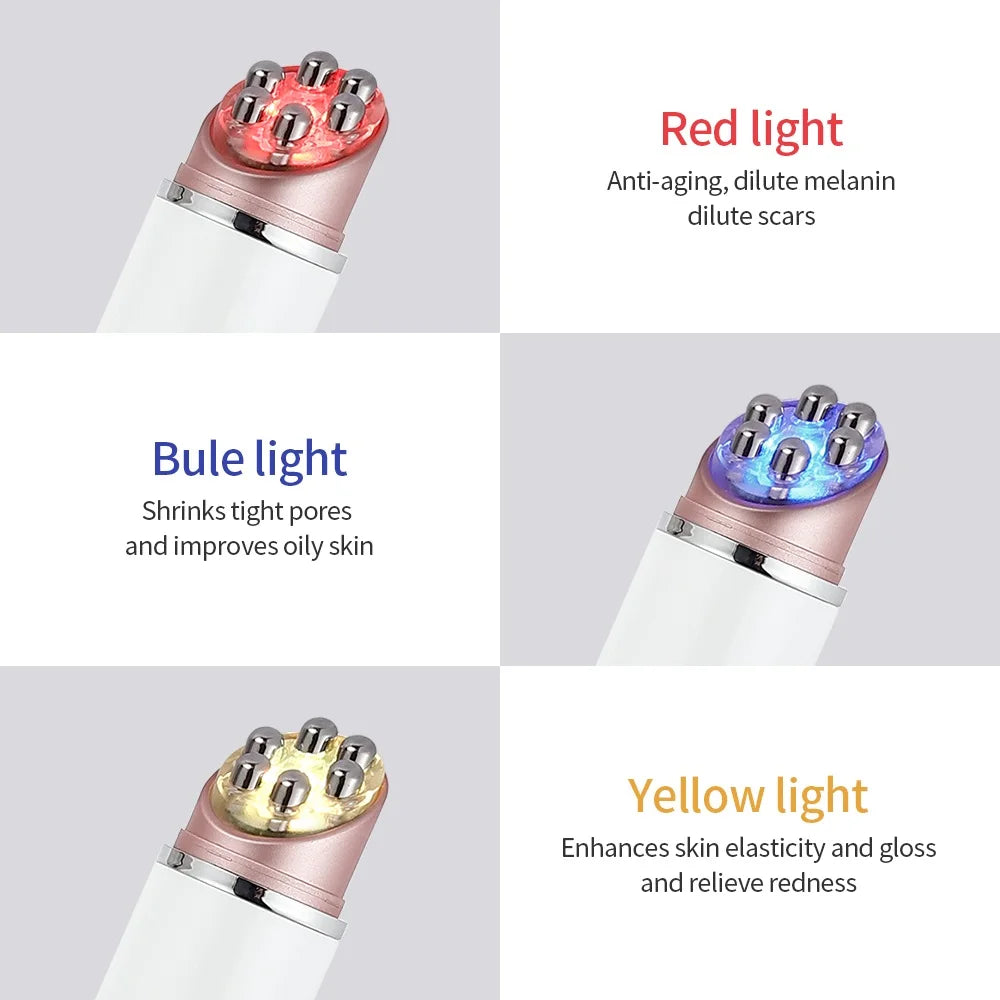
Portable cordless eye masks combine convenience with modern safety features.
Heated Eye Mask vs Steam Eye Mask: Safety Differences
Side effects comparison
Heated eye masks generally offer more predictable warmth, while steam eye masks provide humid heat that may feel soothing but can vary more depending on design and temperature control.
Which is safer for dry eyes?
For many users, controlled heated eye masks are preferred because they provide consistent warmth and easier temperature management when used correctly.
When to Stop Using a Heated Eye Mask and See an Eye Specialist
Persistent irritation or pain
Stop using the mask if burning, pain, or redness continues after normal short-term warmth exposure.
Vision changes
Persistent blurry vision or noticeable changes in vision should be evaluated by an eye care professional.
Worsening dry eye symptoms
If symptoms become worse despite correct use, an underlying eye condition may need professional evaluation.
FAQ: Heated Eye Mask Safety and Side Effects
Can I use a heated eye mask every night?
Many users can use a heated eye mask daily if it is comfortable and used according to instructions. People with eye conditions should follow professional guidance.
What temperature is safe for heated eye masks?
A comfortable warm range is typically recommended. Many devices operate around 40°C to 45°C (104°F to 113°F), but users should follow product instructions.
How long should you wear a heated eye mask?
Most sessions last about 5 to 20 minutes depending on the device and purpose.
Are cordless heated eye masks safer than electric ones?
Safety depends on temperature control, auto-shutoff, and proper use rather than the power source.
What are the most common heated eye mask side effects?
Common side effects include temporary blurry vision, mild redness, and irritation caused by excessive heat or prolonged use.
Experience cordless heated eye mask benefits — shop now.
Pillar Article: Heated Eye Mask Reviews: The Best Cordless Models Tested & Compared
Explore More:













