

Does deep tissue massage at home really work?
Deep tissue massage at home can effectively reduce muscle tension, improve circulation, and speed up recovery when done correctly. Using simple tools like cupping sets allows you to target tight areas, increase blood flow, and achieve results similar to professional treatments—without the cost or time commitment.
Deep Tissue Massage at Home: Cupping Techniques That Work
Deep tissue massage at home can transform how you handle daily muscle tension and recovery without expensive appointments. This guide to deep tissue relaxation at home reveals simple cupping techniques that double as at home therapy for muscle tension relief while showing how to improve circulation for muscle recovery faster than you expect. Curious how a few small changes can unlock deeper relief and lasting comfort?
⏱ 5 min read
Explore tools designed to simplify recovery and relaxation in your daily routine.
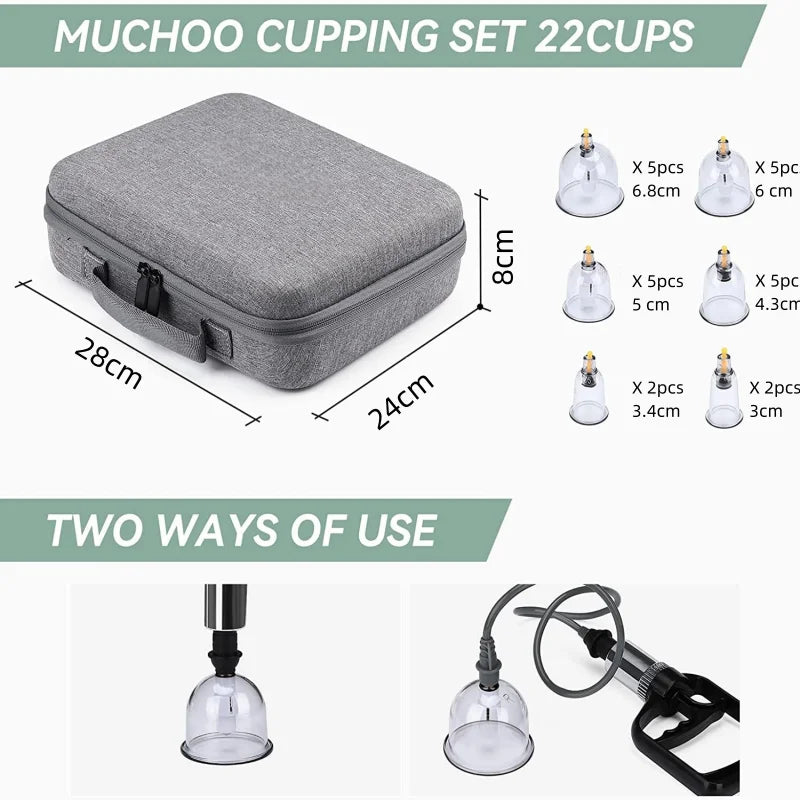
Deep tissue massage at home for faster muscle recovery 💡 See it in action
Why Deep Tissue Massage at Home Works Better Than You Think
Ever feel like your muscles never fully relax—even after rest?
The problem isn’t just tension. It’s poor circulation and trapped fascia.
Deep tissue massage at home solves this by targeting deeper muscle layers where stiffness builds up over time. Unlike surface-level techniques, it helps release knots, improve oxygen flow, and restore flexibility.
- ✅ Breaks down stubborn muscle tightness
- ✅ Improves blood circulation naturally
- ✅ Speeds up post-workout recovery
- ✅ Saves time and money vs spa visits
For those building a full recovery routine, explore Body Care and Health Devices to support consistent results.
Simple techniques anyone can follow—no experience needed.
How Cupping Boosts Circulation and Muscle Recovery Fast
Cupping therapy works differently than traditional massage—it pulls instead of presses.
This suction effect lifts the skin and fascia, creating space for blood to flow more freely. The result? Faster healing, reduced soreness, and visible relaxation.
Key Benefits of Cupping for Deep Tissue Relaxation
- ✔️ Enhances circulation for muscle recovery
- ✔️ Reduces inflammation and stiffness
- ✔️ Releases deep fascia restrictions
- ✔️ Promotes detox through lymphatic drainage
Many users report noticeable relief after just one session, especially when using tools like the vacuum cupping therapy set.
Step-by-Step Guide to Deep Tissue Massage at Home Using Cupping
Deep tissue massage at home becomes highly effective when combining proper technique with consistent practice. Using cupping tools helps target deeper muscle layers, improve circulation, and release tension faster than manual methods alone.
- Prep your skin: Apply massage oil to reduce friction and allow smooth cup movement.
- Create suction: Place the cup on your skin and gently squeeze or pump to create a vacuum.
- Glide slowly: Move the cup along muscle lines—especially tight areas like shoulders, back, and thighs.
- Focus on tension points: Pause briefly on knots to release deep stiffness.
- Limit session time: 10–15 minutes per area is enough for effective results.
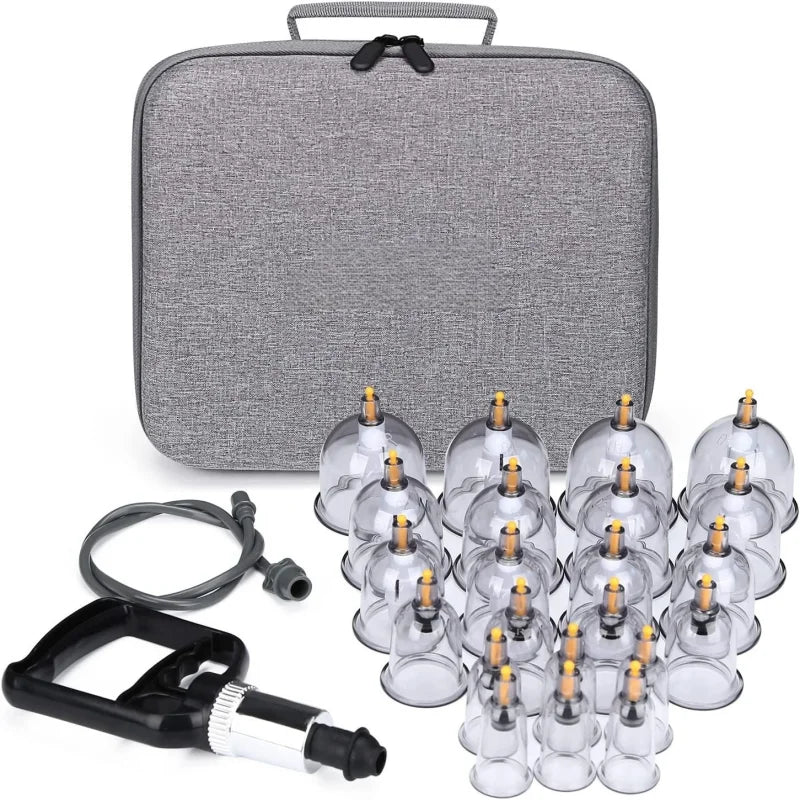
Guide to deep tissue relaxation at home with cupping 💡 Try it today
💬 Which area needs relief the most—neck, back, or legs? Start there and feel the difference immediately.
Common Mistakes That Block Results (And How to Fix Them)
| Mistake | Why It Fails | Fix |
|---|---|---|
| Too much suction | Causes discomfort and bruising | Use gentle pressure first |
| Dry skin | Creates friction and irritation | Always apply oil |
| Moving too fast | Reduces effectiveness | Slow, controlled movements |
| Inconsistent use | No lasting results | Follow a weekly routine |
Cupping vs Traditional Massage: Which Works Better?
| Method | Best For | Effectiveness |
|---|---|---|
| Cupping Therapy | Deep tension & circulation | ⭐⭐⭐⭐⭐ |
| Hand Massage | Surface relaxation | ⭐⭐⭐ |
| Foam Rolling | General recovery | ⭐⭐⭐⭐ |
Cupping stands out because it targets deeper layers without requiring intense pressure—making it ideal for at home therapy for muscle tension relief.
Build a Simple Weekly Routine for Lasting Relief
Consistency is where transformation happens.
- 2–3 times per week: Full cupping session (15–20 minutes)
- Daily: Light stretching + hydration
- Post-workout: Quick 5-minute targeted cupping
- Weekly: Focus on problem areas
Pair your routine with supportive tools from Skin and Beauty Care Devices to enhance results and maintain skin health.
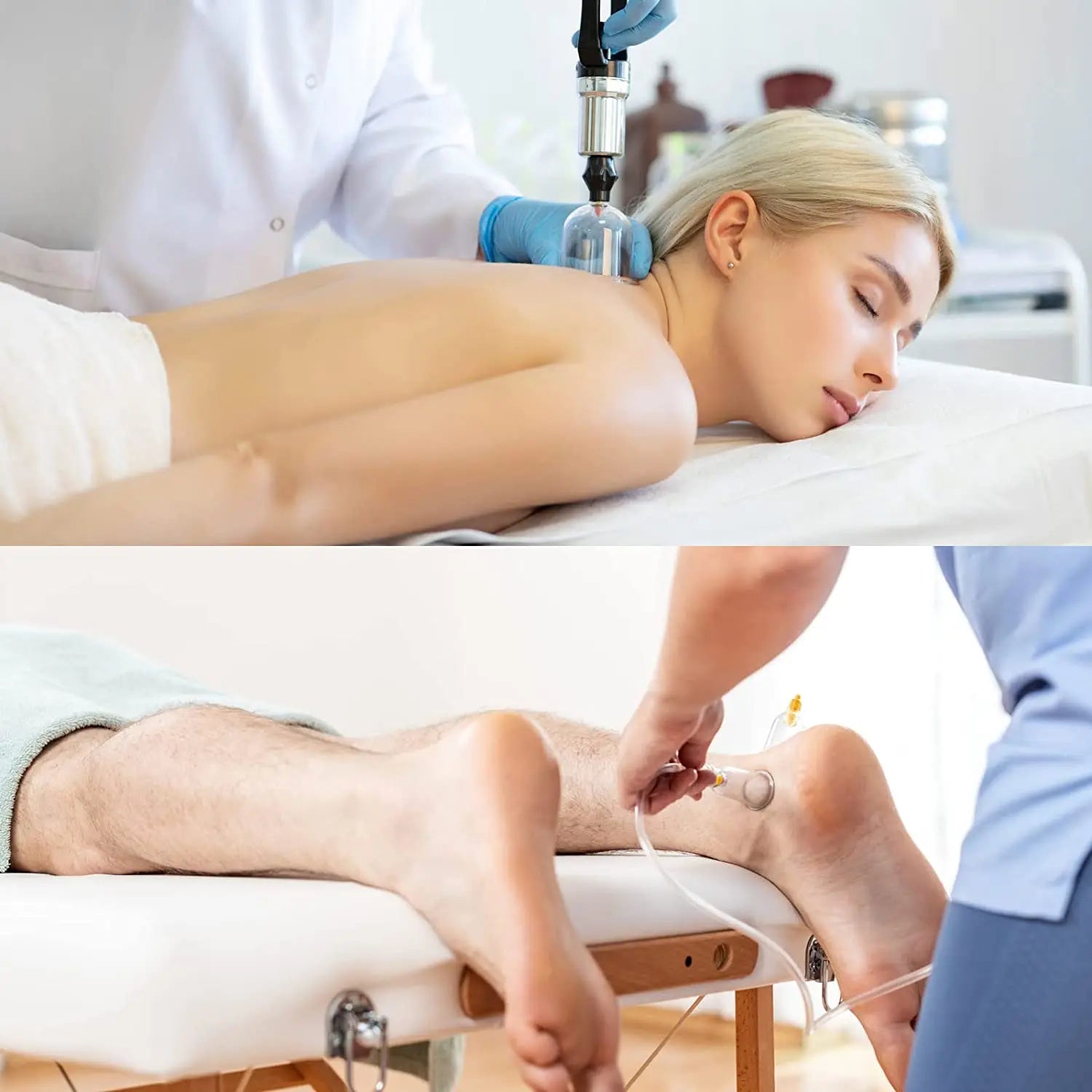
At home therapy for muscle tension relief 💡 Upgrade your routine now
Why the Right Tool Makes All the Difference
Not all recovery methods deliver consistent results.
The vacuum cupping therapy set simplifies the process, giving you control over pressure, precision, and comfort—without guesswork.
- ✔️ Easy to use for beginners
- ✔️ Adjustable suction levels
- ✔️ Portable for anytime use
- ✔️ Designed for effective deep tissue results
Start your deep tissue massage at home routine today and feel the difference instantly.
FAQs
1. Can deep tissue massage at home replace professional therapy?
Answer: Yes, for regular maintenance and mild to moderate tension, deep tissue massage at home using cupping can deliver comparable results. While severe conditions may still need professional care, consistent home use significantly improves flexibility, circulation, and recovery.
2. How often should I use cupping for muscle recovery?
Answer: Most people benefit from 2–3 sessions per week. For intense workouts or chronic tension, shorter daily sessions can help improve circulation for muscle recovery without overloading the muscles.
3. Is cupping safe for beginners?
Answer: Yes, cupping is safe when used correctly. Start with light suction, avoid sensitive areas, and limit sessions to 10–15 minutes per muscle group. Using beginner-friendly tools makes the process easier and more controlled.
Pillar Article: How to Do Cupping at Home Safely Step by Step
Other Related Articles:
- Suction Cups Therapy Guide: How to Use for Recovery
- Cupping Therapy for Muscle Knots: How to Target Pain
- At Home Cupping Kit: How to Use It for Fast Relief
Explore More:













