Do Cold Eye Masks Really Work? Science, Benefits, and the Right Routine
Cold eye masks are often recommended for puffiness, tired eyes, and dark circles. But do cold eye masks work as a quick fix or a real skincare tool? From gel eye mask benefits to the science behind cooling therapy, this guide explains what cold therapy can truly improve — and where it has limits.
⏱ 7 min read

💡 See it in action — best eye mask for puffy eyes and dark circles in your daily routine.
Quick Answer: Do Cold Eye Masks Work?
Yes, cold eye masks can work — especially for temporary puffiness, swelling, and tired eyes. Cooling the delicate under-eye area constricts blood vessels and slows fluid buildup, which helps reduce visible puffiness and inflammation.
However, cold therapy does not fix every under-eye concern. It works best for fluid retention and irritation but is less effective for dark circles caused by pigmentation or structural eye bags.
When Cold Eye Masks Help Most
- Morning puffiness caused by fluid buildup
- Eye swelling from allergies or irritation
- Fatigue after long screen time
- Mild inflammation around the eyes
When They May Not Work
- Genetic dark circles caused by pigmentation
- Permanent under-eye bags caused by fat pads
- Thin skin that naturally shows blood vessels
What Happens When You Apply Cold to the Eye Area?
Cold therapy affects the delicate skin around the eyes in several ways. The cooling temperature slows circulation, tightens tissue, and reduces inflammation — which is why cold compresses are commonly recommended for eye swelling.
Vasoconstriction: Why Swelling Shrinks
Cold temperatures cause blood vessels to constrict, a process called vasoconstriction. This temporarily reduces blood flow and fluid accumulation around the eyes, which is why puffiness often improves within minutes of applying a cold eye mask.
Reduced Inflammation Around Delicate Eye Skin
The skin around the eyes is extremely thin and prone to irritation. Cooling this area can calm inflammation, making cold eye masks useful after long screen time, allergies, or lack of sleep.
Temporary Tightening of Under-Eye Tissue
Cold exposure can also tighten skin temporarily, which helps the under-eye area appear firmer and less swollen. While this effect is short-term, it can noticeably refresh tired eyes.
Do Cold Eye Masks Work for Puffiness and Dark Circles?
The effectiveness of cold eye masks depends largely on the cause of the under-eye concern. Puffiness, dark circles, and eye bags can have very different underlying reasons.
Puffiness Caused by Fluid Retention
This is the situation where cold therapy works best. When fluid accumulates under the eyes — often overnight — cooling the area helps constrict blood vessels and reduce swelling. This is why many people see visible improvement within 5–10 minutes of using a cold eye mask.
Dark Circles Caused by Pigmentation
If dark circles are caused by excess melanin or genetic pigmentation, cold therapy usually has little effect. In these cases, treatments targeting pigmentation or skin brightness are more effective than cooling.
Under-Eye Bags Caused by Fat Pads
Some under-eye bags are caused by structural fat pads beneath the eye. Cold eye masks may reduce surrounding swelling temporarily but cannot eliminate the underlying cause.
Cold Eye Mask Benefits Explained
Cold eye masks are widely used in skincare routines because they provide fast relief for common eye concerns and help refresh the under-eye area.
Cooling Eye Mask Benefits for Tired Eyes
- Reduces morning puffiness
- Soothes irritated or tired eyes
- Refreshes the under-eye area after screen time
- Helps calm mild inflammation
Gel Eye Mask Benefits vs Ice Eye Mask Benefits
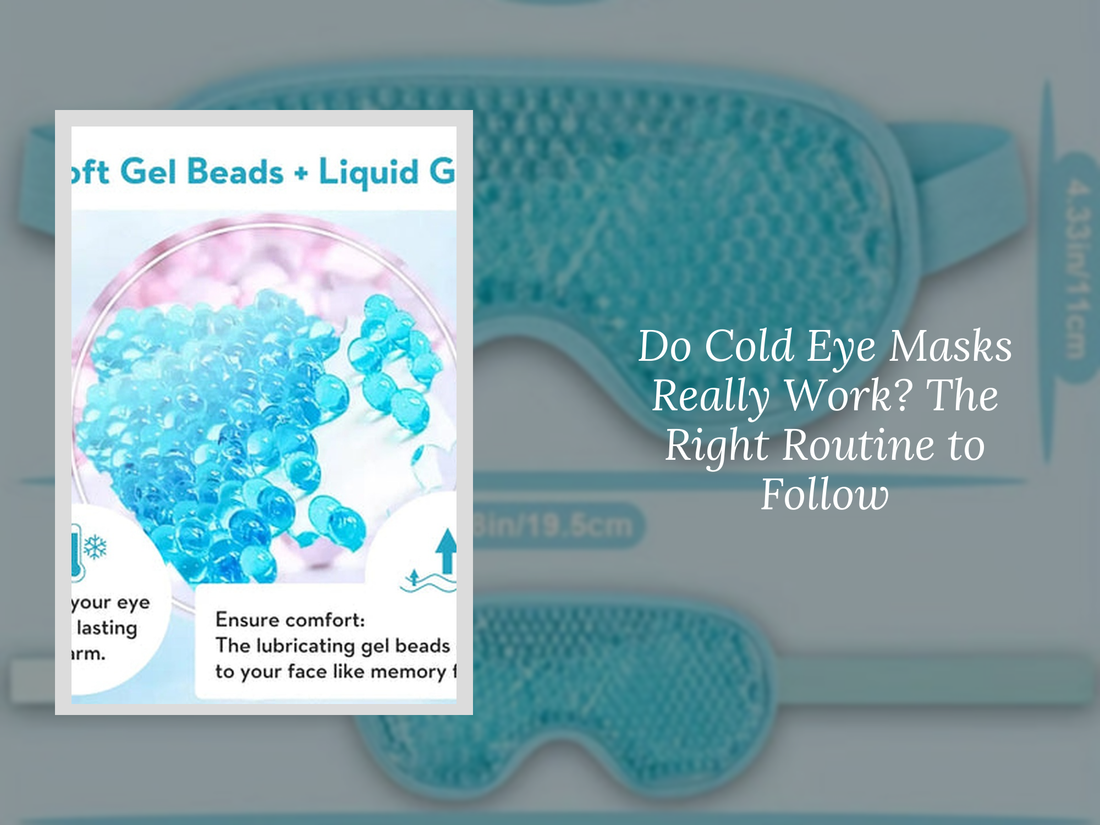
Gel masks are designed to stay cold longer and mold comfortably to the eye area. Ice-based eye masks or ice rollers can deliver stronger cooling but may feel too intense when applied directly to delicate skin.
Cold Eye Pads Benefits for Morning Swelling
Reusable cold eye pads are particularly helpful in the morning. Keeping them in the refrigerator allows quick use to reduce overnight fluid retention and wake up tired eyes.

💡 Gel eye mask for puffy eyes — Instant calm for screen-tired skin.
Cold Compress vs Gel Eye Mask vs Ice Roller
Several cooling tools can be used around the eyes. Although they all rely on cold therapy, they vary in convenience, intensity, and design.
Cold Compress
A cold compress such as a chilled cloth is the simplest option. It provides gentle cooling and quick relief but warms up faster than specialized tools.
Gel Eye Masks
Gel eye masks are designed specifically for the eye area. They retain cold temperatures longer and distribute cooling evenly across the under-eye region.
Ice Rollers
Ice rollers combine cooling therapy with light massage. Rolling across the skin may support lymphatic drainage and help reduce fluid buildup around the eyes.
How to Use a Cold Eye Mask Correctly (Step-by-Step)
- Place the eye mask in the refrigerator for about 20–30 minutes before use.
- Ensure the mask is cool but not frozen solid.
- Lie down and gently place the mask over closed eyes.
- Leave it on for 5–15 minutes.
- Use once daily or as needed for puffiness or eye fatigue.
How Cold the Mask Should Be
The mask should feel comfortably cool. Extremely cold temperatures may irritate delicate eye skin.
How Long to Leave It On
Most dermatology guidelines suggest 5–15 minutes of cold therapy for the eye area.
How Often to Use Cold Therapy
Cold eye masks can be used daily, particularly in the morning when puffiness is most noticeable.
For a full spa-like ritual, pair it with devices from our Eye Care Devices collection or incorporate tools from Lifestyle collections for wellness routines.
The Best Cold Eye Mask Routine for Visible Results
Consistency matters more than intensity. A simple routine using cold therapy a few times per week can help maintain a refreshed under-eye appearance.
- Morning: Use after waking to reduce overnight puffiness.
- After screen time: Soothe tired eyes after long device use.
- After eye serum: Apply to help lock in hydration.
- Before events: Refresh the eye area before photos or meetings.
Keeping a mask chilled in your fridge makes it easy to include in your daily Skin and Beauty Care Devices routine.
How to Choose the Best Eye Mask for Puffy Eyes and Dark Circles
Not all eye masks deliver the same results. When selecting the best eye mask for puffy eyes and dark circles, focus on comfort, cooling performance, and durability.
| Feature | Why It Matters |
|---|---|
| Gel-based cooling core | Maintains cold temperature longer and distributes cooling evenly |
| Adjustable strap | Provides a secure and comfortable fit |
| Reusable material | Eco-friendly and suitable for long-term use |
| Soft, skin-safe cover | Protects delicate under-eye skin |

💡 Reduce eye bags with cooling beauty tools that fit your routine. Shop smarter.
Cold Eye Mask FAQ
Do cooling eye masks work for puffiness?
Yes. Cooling eye masks can reduce puffiness by constricting blood vessels and slowing fluid accumulation around the eyes.
Do cold eye masks reduce puffiness quickly?
Many people notice improvement within 5–10 minutes because cold therapy temporarily tightens tissue and reduces swelling.
Do cold eye masks help with dark circles?
They may slightly improve dark circles caused by swelling or visible blood vessels, but they do not treat pigmentation-based dark circles.
How long should you use a cold eye mask?
Most experts recommend applying a cold eye mask for 5–15 minutes at a time.
Looking for more beauty insights? Explore our Eye Care Blog and Beauty & Self-Care Blog for expert guides on confidence-building routines.
Pillar Article: How to Use a Mask for Under Eye Bags Like a Pro
Other Related Articles:
- Your Under Eye Mask Isn’t Working? Here's Why and How to Fix It
- Use This Homemade Mask for Puffy Eyes Before Your Next Zoom Call
- What Is the Right Way to Use a Cold Eye Mask for Puffy Eyes?
- Stop Wasting Your Eye Mask! Do This One Thing First
Explore More: