

Do Ultrasonic Contact Cleaners Work? What Science Says
If you’ve ever wondered do ultrasonic contact cleaners work as well as the ads claim, you’re not alone. With promises of spotless lenses in seconds, ultrasonic technology sounds futuristic—but is it really worth your time and trust? In this guide, we’ll explore the science behind ultrasonic contact lens cleaning, share expert-backed usage tips, and help you decide if a portable contact lens cleaning machine deserves a place in your daily routine. By the end, you’ll know exactly how to use one safely and effectively for both contacts and glasses.
⏱ 8 min read
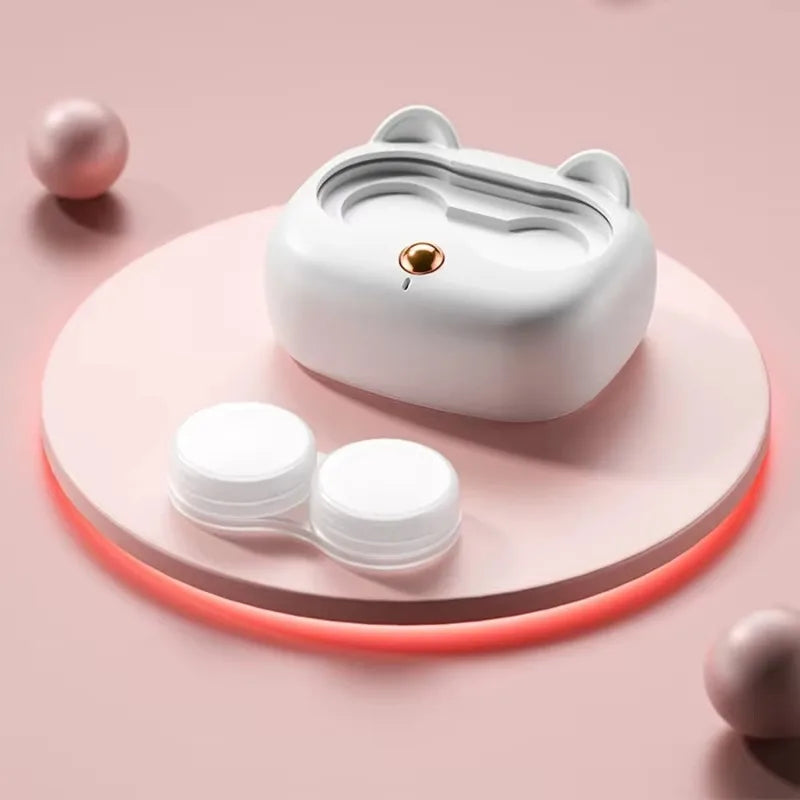
💡 Ultrasonic contact lens cleaning in action — spotless in minutes
How Ultrasonic Contact Lens Cleaners Work
Ultrasonic contact lens cleaners use high-frequency sound waves to remove debris, protein buildup, and microscopic contaminants from lenses. Instead of relying only on rubbing or soaking, these devices create tiny bubbles in a cleaning solution that gently lift deposits from the lens surface.
What Is Ultrasonic Cavitation?
The cleaning process is based on a phenomenon called ultrasonic cavitation. When high-frequency sound waves pass through liquid, they generate millions of microscopic bubbles. These bubbles rapidly form and collapse, releasing small bursts of energy that dislodge particles attached to surfaces.
In a contact lens cleaner, cavitation occurs within the lens solution, helping loosen protein deposits, dust, and oils without physically scrubbing the lens.
How Cavitation Removes Debris From Contact Lenses
As cavitation bubbles collapse near the lens surface, they create micro-currents in the cleaning solution. These currents reach tiny grooves and microscopic pores in contact lenses where debris can accumulate.
- Loosens protein and lipid buildup
- Helps remove dust and environmental particles
- Improves solution circulation around the lens
- Reduces the need for aggressive rubbing
Typical Ultrasonic Frequencies Used in Lens Cleaners
Most ultrasonic contact lens cleaners operate between 40 kHz and 60 kHz. This range is considered strong enough to remove deposits while remaining gentle enough for delicate materials like soft contact lenses.
Higher frequencies create smaller cavitation bubbles, which makes the cleaning action more precise and less abrasive for sensitive surfaces.
Ultrasonic Contact Lens Cleaner Effectiveness: What Research and Eye Care Experts Say
Ultrasonic cleaning can significantly improve the removal of debris from contact lenses, but its effectiveness depends on how it is used and whether proper disinfecting solutions are included.
Can Ultrasonic Cleaning Remove Protein and Lipid Deposits?
Protein and lipid buildup naturally accumulate on contact lenses during daily wear. Ultrasonic cavitation helps loosen these deposits by creating micro-currents in the cleaning solution.
Compared with soaking alone, ultrasonic cleaning may improve the removal of:
- Tear-film protein deposits
- Oily residue from cosmetics or skin
- Environmental particles such as dust
However, stubborn deposits may still require specialized lens cleaning solutions designed to break down proteins.
Effectiveness Against Bacteria and Microorganisms
Ultrasonic cleaning alone does not fully disinfect contact lenses. While cavitation can help dislodge microorganisms from the lens surface, it does not reliably kill bacteria, fungi, or parasites.
This is why eye care professionals recommend combining ultrasonic cleaning with a disinfecting lens solution.
Why Ultrasonic Cleaning Is Usually Combined With Disinfecting Solutions
Most ultrasonic contact lens cleaners are designed to work with multipurpose contact lens solutions. The ultrasonic action improves mechanical cleaning, while the disinfecting solution eliminates microorganisms.
Together, these steps help maintain proper lens hygiene and reduce the risk of eye infections.
Ultrasonic Cleaning vs Traditional Contact Lens Cleaning Methods
Ultrasonic cleaners are one of several methods used to maintain contact lens hygiene. Understanding how they compare with traditional cleaning techniques helps determine whether they are worth using.
Ultrasonic vs Rub-and-Rinse Cleaning
The traditional rub-and-rinse method involves gently rubbing lenses with cleaning solution to remove deposits.
- Rub-and-rinse: Effective and recommended by many eye care professionals
- Ultrasonic cleaning: Adds mechanical agitation that can reach microscopic lens pores
Some users combine both methods to maximize cleaning effectiveness.
Ultrasonic vs Hydrogen Peroxide Systems
Hydrogen peroxide systems disinfect lenses using a chemical reaction that neutralizes bacteria and other microorganisms.
- Hydrogen peroxide systems focus on deep disinfection
- Ultrasonic cleaners focus on physical debris removal
Because they serve different purposes, ultrasonic cleaning should not replace peroxide-based disinfection systems. Learn more in our guide on cleaning contact lenses with hydrogen peroxide.
Which Method Eye Care Professionals Recommend
Most optometrists recommend following the cleaning routine specified for your contact lenses. Ultrasonic cleaners may serve as an additional cleaning step, but they should not replace approved disinfecting systems.
Which Contact Lenses Can Be Cleaned With Ultrasonic Devices?
Not all contact lenses respond the same way to ultrasonic cleaning. Lens material, manufacturer guidelines, and cleaning solutions all affect compatibility.
Soft Hydrogel and Silicone Hydrogel Lenses
Most modern soft lenses, including silicone hydrogel lenses, can tolerate ultrasonic cleaning when used according to manufacturer instructions and with approved cleaning solutions.
Rigid Gas Permeable (RGP) Lenses
Rigid gas permeable lenses are generally durable and may benefit from ultrasonic cleaning because deposits are more likely to accumulate on their surfaces.
Lenses That Should Not Be Ultrasonically Cleaned
- Decorative or cosmetic lenses without cleaning approval
- Damaged or torn lenses
- Lenses that manufacturers specifically advise against ultrasonic cleaning
Always follow your eye care professional’s recommendations when choosing a cleaning method.
Pros and Cons of Ultrasonic Contact Lens Cleaners
Pros
- Removes microscopic debris effectively
- Reduces friction compared to manual rubbing
- Fast cleaning cycles (2–5 minutes)
- Travel-friendly and convenient
Cons
- Does not replace disinfecting solution
- Effectiveness depends on solution quality
- Low-quality devices may have weaker vibration output
- Requires proper maintenance to prevent residue buildup
Common Mistakes When Using Ultrasonic Contact Lens Cleaners
Using an ultrasonic cleaner incorrectly can reduce cleaning effectiveness or increase contamination risk.
Using Water Instead of Lens Solution
Tap water may contain microorganisms that can contaminate contact lenses. Ultrasonic cleaning should always be performed with sterile contact lens solution.
Overusing Ultrasonic Cleaning Cycles
Running excessive cleaning cycles can cause unnecessary wear on delicate lenses. Most devices require only a few minutes per cleaning session.
Skipping Proper Disinfection
Ultrasonic cleaning removes debris but does not fully disinfect lenses. Always combine it with an approved disinfecting solution.
Key Benefits of Ultrasonic Lens Cleaning
Ultrasonic contact lens cleaners provide several practical advantages for regular lens wearers:
- Improved hygiene: Helps remove more debris and surface buildup.
- Fast cleaning: Most devices clean lenses in just a few minutes.
- Reduced friction: Less rubbing may help protect delicate lenses.
- Portable convenience: Compact cleaners are easy to carry during travel.
How to Use an Ultrasonic Contact Lens Cleaner Safely
Step-by-Step Cleaning Process
- Wash and dry your hands thoroughly.
- Fill the cleaner tank with fresh multipurpose contact lens solution.
- Place each lens in its designated basket or holder.
- Activate the ultrasonic cycle (usually 2–5 minutes).
- Rinse lenses with fresh solution before wearing.
- Clean the device’s tank and basket after each use.
Recommended Cleaning Time and Frequency
Most ultrasonic cleaners require only a few minutes per cycle. Daily cleaning is typically safe for frequent lens wearers, but always follow the instructions for your device and lens type.
Hygiene Tips to Prevent Contamination
- Always use fresh disinfecting solution
- Replace lens solution after each cleaning session
- Clean the ultrasonic tank regularly
- Avoid touching lenses with unwashed hands
Safety Considerations and Limitations
What Eye Care Professionals Say
Many eye care professionals view ultrasonic cleaners as a helpful supplement to traditional lens care routines. However, they emphasize that ultrasonic cleaning should not replace approved disinfection systems.
Potential Risks if Used Incorrectly
- Using contaminated water instead of sterile solution
- Running excessive cleaning cycles
- Using devices not designed for contact lenses
Why Ultrasonic Cleaners Should Not Replace Disinfection
Ultrasonic energy helps remove debris but does not reliably kill microorganisms. Proper disinfecting solutions remain essential for safe contact lens hygiene.
Are Ultrasonic Contact Lens Cleaners Worth It?
Ultrasonic cleaners can provide meaningful benefits for many contact lens wearers, particularly those who experience frequent buildup or want faster cleaning routines.
When They Provide Real Benefits
- Users prone to protein buildup
- People wearing lenses for long hours
- Travelers needing compact cleaning tools
- Users seeking additional hygiene beyond manual cleaning
When Traditional Cleaning Is Enough
For many users, traditional rub-and-rinse cleaning with a high-quality disinfecting solution remains effective when performed consistently.

💡 Portable contact lens cleaning machine — perfect for travel or daily use
Choosing the Best Ultrasonic Contact Lens Cleaner
If you decide to use an ultrasonic cleaner, certain features can influence cleaning effectiveness and convenience.
Key Features That Affect Cleaning Performance
- Stable ultrasonic frequency
- Compatible contact lens trays
- Automatic cleaning cycles
- Compact travel-friendly design
Frequency Range and Cleaning Power
Devices operating around 40–60 kHz are commonly used for delicate items like contact lenses because they balance cleaning strength with material safety.
Portable vs Desktop Devices
Portable ultrasonic cleaners are convenient for travel, while larger desktop units may offer stronger and more consistent cleaning performance.
Using Ultrasonic Cleaners for Glasses and Other Items
Ultrasonic cleaners can also be used for glasses, jewelry, and small accessories. The cavitation process removes oils, dust, and residue from hard-to-reach areas without scratching delicate surfaces.
For glasses, fill the tank with water and a drop of mild dish soap, run the cleaning cycle, and dry the lenses with a microfiber cloth afterward.
Care Tips to Maximize Contact Lens Hygiene
- Always use fresh, appropriate cleaning solution for contacts.
- Never run the device without liquid.
- Clean the tank weekly to prevent residue buildup.
- Replace your contact lens case regularly.
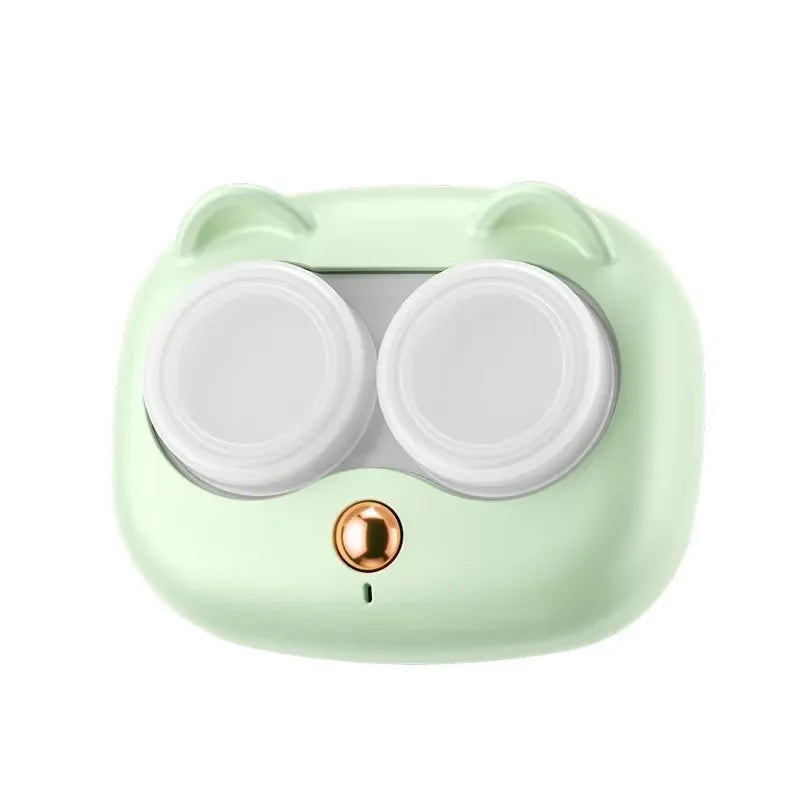
💡 Travel contact lens cleaner — your hygiene companion anywhere
FAQ
Is ultrasonic cleaning safe for all contact lenses?
Most soft and rigid gas-permeable lenses are compatible, but always check your manufacturer’s guidelines before using ultrasonic cleaning.
How often should I use an ultrasonic contact cleaner?
Daily use is safe and recommended for many lens wearers, especially those wearing lenses for extended periods.
Do I still need to disinfect lenses after ultrasonic cleaning?
Yes. Ultrasonic cleaning removes debris but does not fully disinfect lenses, so you should still use an approved disinfecting solution.
Can I use tap water in the cleaner?
No. Tap water may contain microorganisms that can contaminate lenses. Always use sterile contact lens solution.
Does frequency (kHz) affect cleaning effectiveness?
Yes. Most devices operate around 40 kHz, which balances cleaning power and material safety for delicate lenses.
Can ultrasonic cleaning remove protein buildup completely?
Ultrasonic cleaning helps loosen protein deposits, but complete removal depends on the cleaning solution used.
Are ultrasonic contact lens cleaners worth it?
They can be worthwhile for users who want faster cleaning and improved debris removal, but they should complement—not replace—proper lens disinfection.
What is the best ultrasonic cleaner for contact lenses?
The best devices maintain stable ultrasonic frequencies, include lens-specific trays, and offer short automatic cleaning cycles designed for delicate materials.
For more insights into modern eye care devices and hygiene tools, explore our Eye Care Blog for expert tips.
Pillar Article: How to Clean Contact Lenses Properly: Step-by-Step Guide for Beginners
Other Related Articles:
- How Do I Clean My Contact Lens Case Without Damaging It?
- Cleaning Contact Lenses with Hydrogen Peroxide: What You Must Know
- Travel Size Saline Solution for Contact Lenses: How to Use It Right
- Instantly Improve Your Lens Care with These Cleaning Tips
Explore More:













