

Good Eye Makeup Brushes: Expert Guide to the Best Picks
Good eye makeup brushes are not necessarily the ones that come in the biggest set. The right brush depends on what you want to do: pack pigment onto the lid, soften a crease, smudge the lower lash line, create a controlled wing, or place color precisely in a small area. A useful collection balances brush shape, size, density, softness, control, and durability rather than simply counting pieces.
For most people, three tools cover the majority of everyday eye makeup: a versatile blending brush, a flat shader brush, and a pencil or precision brush. From there, specialized crease, angled liner, and detail brushes become worthwhile when your technique or preferred eye looks demand more control.
What Makes a Good Eye Makeup Brush?
A good eye makeup brush should place or diffuse product predictably without feeling scratchy, losing excessive bristles, or making a simple technique unnecessarily difficult. For buying decisions, evaluate five things: bristle behavior, brush shape, pigment pickup, control, and long-term usability.
Bristle softness, density, and flexibility
Softness matters around the delicate eye area, but extremely soft bristles are not automatically better. A loosely packed brush with flexible fibers is useful for diffusing color, while denser fibers provide stronger pigment pickup and more concentrated application. The best density depends on the task.
Brush shape and size
Shape determines where the product goes. A flat shader has a broad surface for depositing eyeshadow, a rounded blending brush distributes color through the crease, and a pencil brush concentrates pigment along the lash line. Size matters too: a large brush can overwhelm a small lid, while a tiny brush may make blending unnecessarily slow.
Pigment pickup versus blending control
Good eyeshadow brushes strike a useful balance between pickup and diffusion. Dense, compact brushes tend to pick up more powder and place it precisely. Fluffier brushes hold less concentrated pigment and are better for transitions and soft edges. If one brush is expected to do everything, moderate density and a tapered shape are usually more versatile.
Comfort, durability, and ease of cleaning
Look for secure ferrules, comfortable handles, evenly cut fibers, and bristles that return to their original shape after washing. Brushes used near the eyes should also be easy to clean thoroughly. A brush that performs well but constantly sheds or develops a rough texture quickly loses its value.
Synthetic makeup bristles vs. natural makeup bristles
Synthetic fibers are a practical choice for many modern eye makeup routines because they can be soft, consistent, easy to clean, and effective with both powder and many cream formulas. Natural hair can provide a distinctive pickup and blending feel, but the performance difference is not universal. For most buyers, the brush's construction and intended use matter more than the label alone.
The Essential Eye Makeup Brushes You Actually Need
You do not need a separate brush for every eyeshadow shade. Instead, build around the jobs you perform most often.
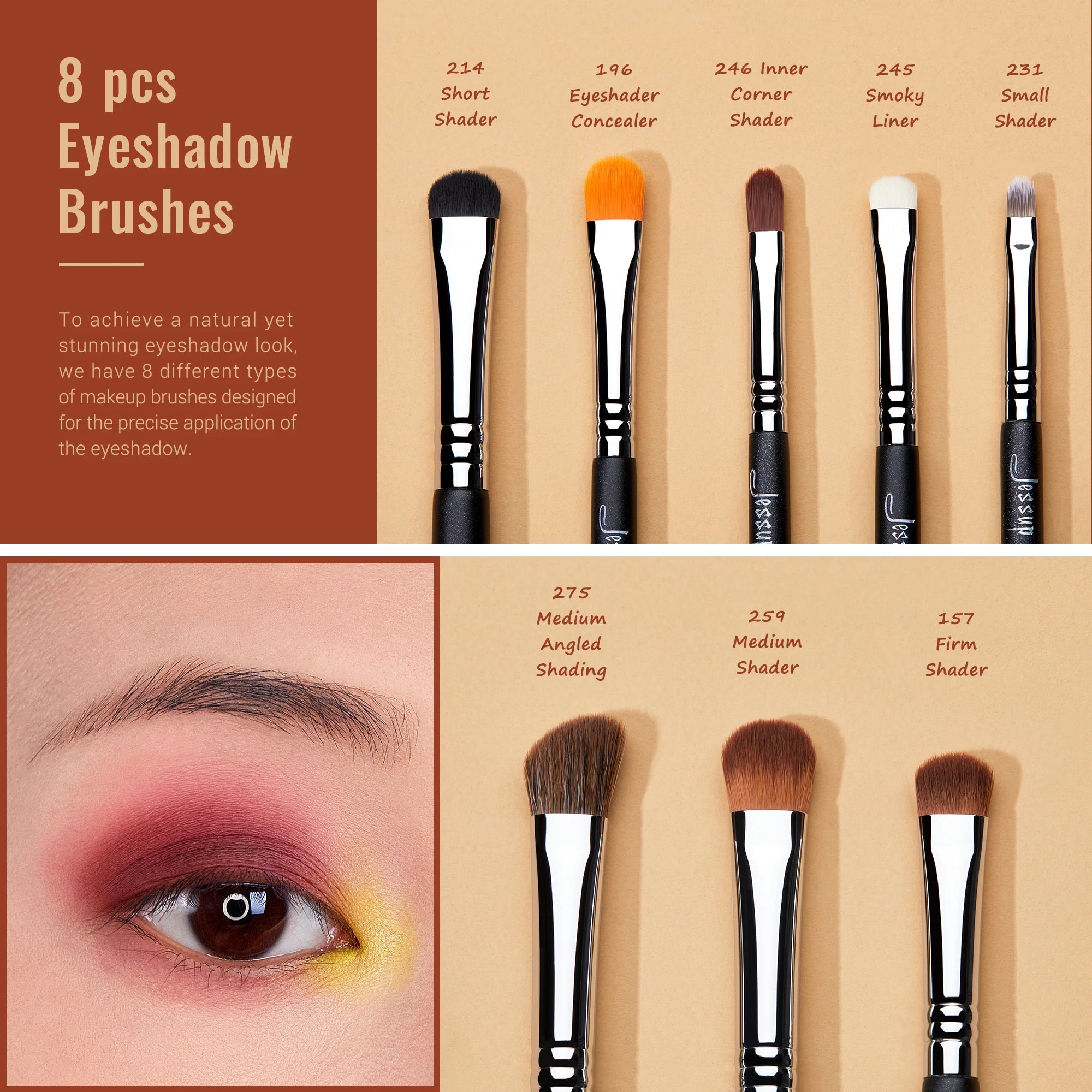
Flat shader brush for packing on eyeshadow
A flat shader brush has a relatively dense, flat head designed to press color onto the eyelid. It is especially useful for building opaque coverage, placing shimmer, and keeping a stronger color concentrated on the mobile lid rather than diffusing it too widely.
Blending brush for seamless transitions
A fluffy blending brush is the workhorse of an eye brush collection. Its flexible fibers help soften boundaries between shades and distribute transition colors through the crease. A medium-sized tapered blending brush is generally more versatile than an oversized brush.
Crease brush for definition and depth
A crease brush is typically smaller and more controlled than a general blending brush. It lets you place a deeper shade into the crease or outer corner before blending the edges. This distinction is particularly useful for soft glam looks where you want definition without losing a diffused finish.
Pencil or smudge brush for lower lash lines and smoky looks
A pencil brush has a compact, rounded or pointed head. Use it to smudge shadow along the lower lash line, deepen the outer corner, connect liner to shadow, or create concentrated smoky definition. Its small surface gives significantly more control than a fluffy brush.
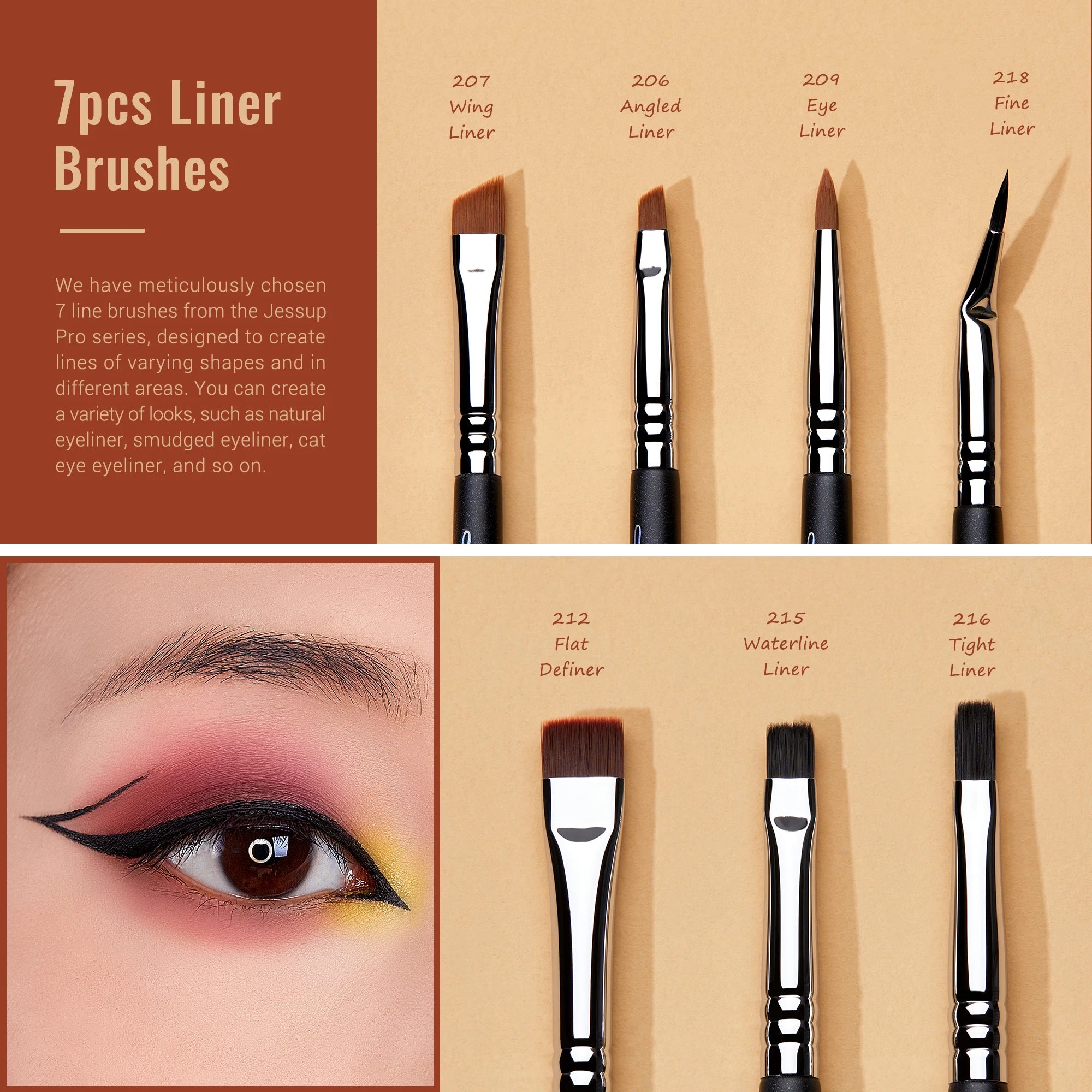
Angled eyeliner brush for controlled liner
An angled brush has a narrow, slanted edge that can guide gel, cream, or powder products along the lash line. It is particularly useful for building a wing gradually because the angled edge provides a clear direction for the stroke.
Precision brush for inner-corner and detail work
A small precision brush is optional for beginners but valuable for detailed makeup. It can place highlighter in the inner corner, deepen a very small section of the outer corner, sharpen a color boundary, or add controlled pigment beneath the lower lashes.
Best Eye Makeup Brush for Each Eye Look
Natural everyday eye makeup
Choose a medium blending brush for the transition shade and a flat shader for lid color. If you want subtle lower-lash definition, add a small pencil brush. This three-brush combination avoids excessive tools while covering the most common steps.
Soft glam and blended crease looks
A tapered blending brush and smaller crease brush provide the control needed to build depth gradually. Use the larger brush to diffuse the transition shade, then the smaller brush to place a deeper tone precisely in the crease or outer corner.
Smoky eye and lower-lash definition
A dense pencil or smudge brush is essential for smoky looks. Pair it with a fluffy blending brush so the concentrated color can be softened without spreading the darkest pigment across the entire eye.
High-pigment shimmer and metallic looks
A flat, dense shader brush is generally the better choice when you want concentrated lid color. Pressing rather than sweeping helps keep pigment focused. For particularly loose or intense formulas, a smaller dense brush can offer even more placement control.
Winged eyeliner and graphic definition
Use an angled eyeliner brush for a traditional controlled wing or a very fine precision brush when you need a narrower line. The smaller the brush, the less room there is for correcting a misplaced stroke, so beginners may find a slightly wider angled brush more forgiving.
Precise inner-corner and small-area detail work
A tiny precision brush is best when placement matters more than blending. Use it for inner-corner highlights, small pops of color, targeted deepening, and other areas where a full-size blending brush lacks control.
How to Choose the Right Eye Makeup Brush
Choose by the technique you use most
Start with the job rather than the set size. If you primarily wear neutral eyeshadow, prioritize blending and lid-placement brushes. If you create wings frequently, prioritize an angled liner or precision brush. If smoky looks are your signature, invest in a good pencil brush and a controlled blender.
Choose by eye size and lid space
Brush proportions should suit the area you are working on. Smaller lids often benefit from smaller heads because they reduce unwanted overlap. Larger lid space can accommodate broader blending brushes. The goal is not to find a brush labeled for a particular eye shape but to match the working surface to the amount of space available.
Choose by brush density and control
Think of density as a control dial. Looser fibers diffuse; medium-density fibers blend while retaining placement control; dense fibers deposit and define. If you are unsure, a medium-density tapered brush is usually a safer first purchase than an extremely fluffy or highly compact option.
Choose by bristle material
Synthetic fibers are a strong all-purpose option, especially when you want consistent texture and straightforward cleaning. More important than material alone are softness, uniformity, resilience, and how the brush behaves with the formulas you actually use.
Choose by beginner versus advanced skill level
Beginners generally benefit from forgiving shapes: medium blending brushes, flat shaders, and moderately dense pencil brushes. Advanced users may appreciate specialized crease, detail, angled, and ultra-precise brushes because these tools allow more deliberate placement and faster execution of complex looks.
Good Eye Makeup Brushes: Beginner vs. Advanced Picks
Best brush types for beginners
A beginner-friendly collection should prioritize versatility over specialization. Start with one medium blending brush, one flat shader, and one pencil or small precision brush. These tools teach the core skills of diffusing edges, depositing color, and controlling small areas without forcing you to learn a dozen brush shapes at once.
- Best beginner blending choice: medium, fluffy, tapered head with flexible fibers.
- Best beginner shader choice: flat, moderately dense head for controlled lid placement.
- Best beginner detail choice: small pencil or rounded precision brush for lower-lash and corner work.
Brushes worth adding as your technique improves
Once you regularly create more structured looks, add a dedicated crease brush, angled liner brush, and smaller detail brush. These are not necessarily better than versatile brushes; they simply reduce compromises when a technique requires a specific shape.
When specialized precision brushes are worth buying
Precision tools earn their place when you repeatedly perform precision-heavy techniques. If you rarely use graphic liner or intricate detail work, a dedicated ultra-fine brush may spend most of its time unused. A large set is valuable only when its extra shapes match your actual routine.
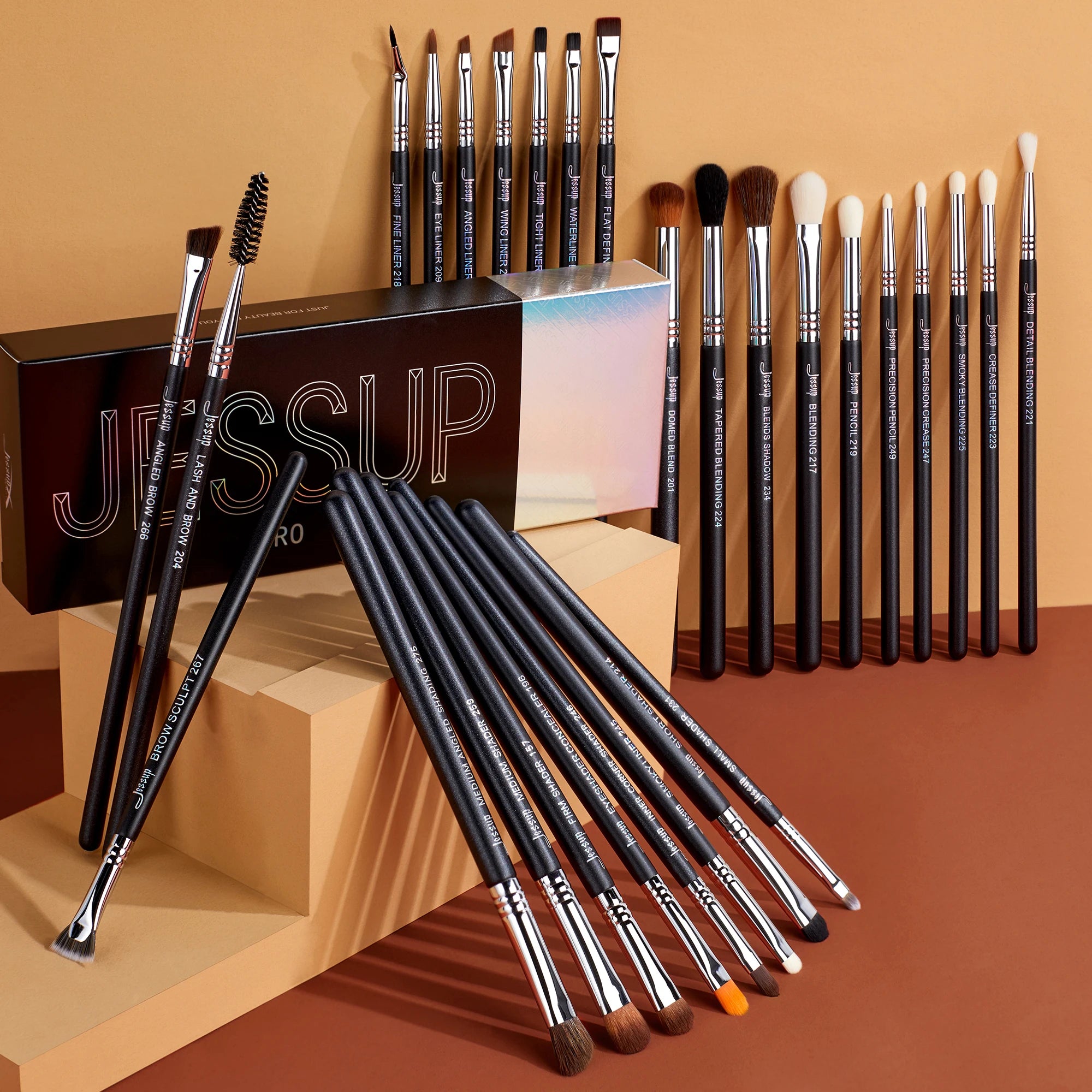
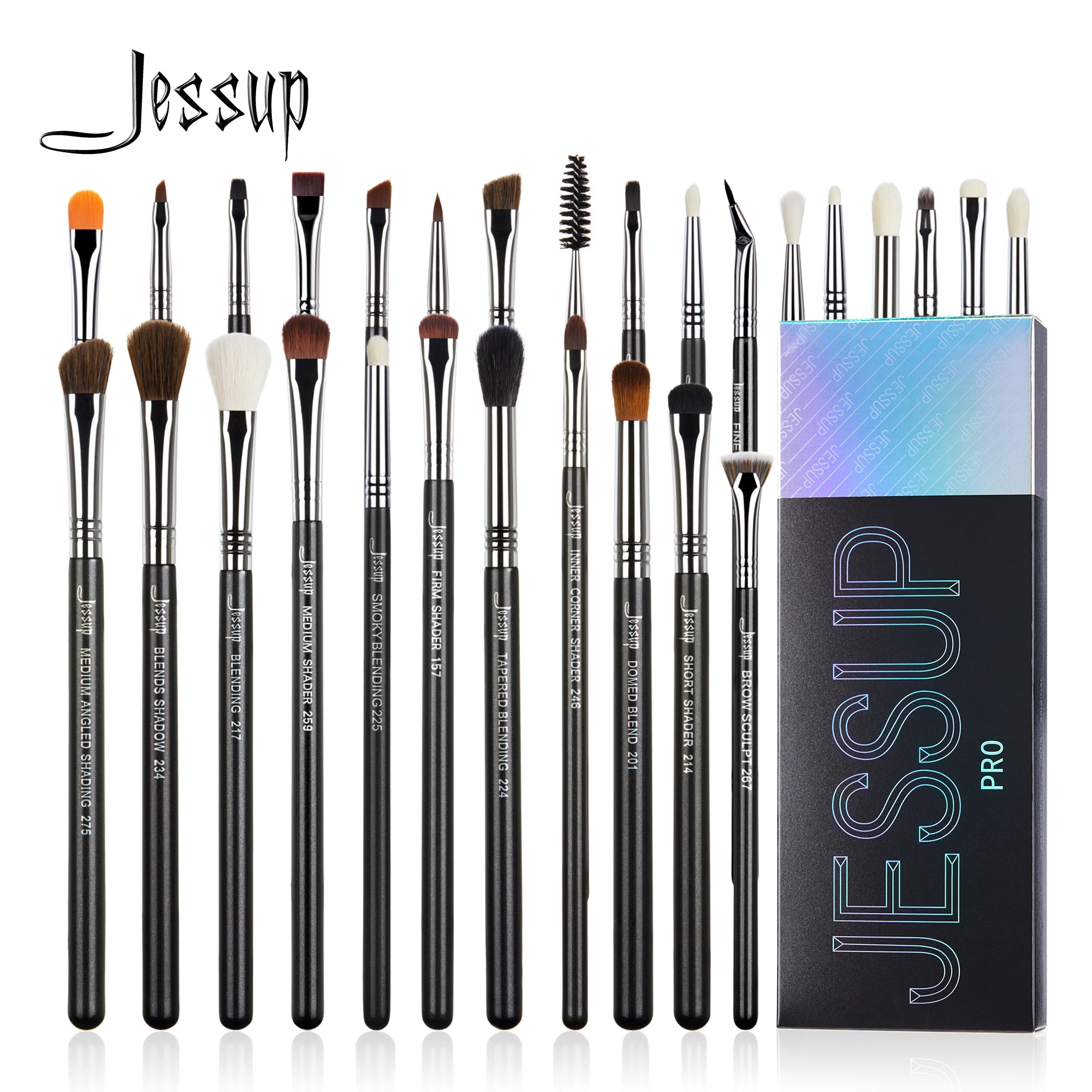
For readers who prefer having multiple specialized tools available in one collection, the 28pcs Eye Makeup Brushes Set combines synthetic fibers with wooden handles and includes brushes intended for blending, shading, eyeliner, and brow work. It is most useful for someone who wants variety rather than a minimalist three-brush setup.
- Pros: broad selection of eye-focused shapes; soft synthetic fibers; lightweight wooden handles; suitable for beginners building a complete collection.
- Cons: 28 brushes may be more than a minimalist user needs; specialized brushes are most valuable when you actually use the techniques they support.
If you are expanding beyond brushes into beauty tools, you can also explore the Skin and Beauty Care Devices collection for complementary beauty-care products.
Budget vs. Premium Eye Makeup Brushes: What Is Worth Paying For?
Budget brushes: what to look for
At a lower price, prioritize consistent fibers, secure construction, comfortable handles, and useful shapes. You do not need luxury materials to get good blending performance. A well-made synthetic brush with the right density can outperform a more expensive brush whose shape does not suit your technique.
Mid-range brushes: the value sweet spot
Mid-range brushes often make sense for frequent makeup users because construction, fiber consistency, and ergonomics can improve without requiring a premium price for every individual tool. This tier is especially attractive when you need several specialized shapes.
Premium brushes: when the upgrade makes sense
Premium pricing is easiest to justify when you use the brush frequently and notice a meaningful improvement in control, comfort, finish, or longevity. If a particular blending brush makes your daily routine faster and produces a finish you consistently prefer, paying more can be rational. Paying more simply because a brush is labeled professional is less useful.
What matters more than the price tag
Compare the actual performance characteristics: does the brush pick up enough pigment, blend without removing the color underneath, retain its shape after washing, feel comfortable around the eye, and maintain its fibers over time? These factors are more actionable than price alone.
When comparing options, think in terms of performance rather than brand prestige. A practical eye brush collection should give you the right balance of precision and diffusion for the looks you actually wear.
If You Only Buy 3 Eye Makeup Brushes, Start Here
1. Versatile blending brush
Make this your first purchase. A medium-sized blending brush can apply transition shades, soften edges, blend the crease, and diffuse the outer corner.
2. Flat shader brush
This handles concentrated lid color, including shimmer and metallic shades. Its flat surface makes packing pigment more controlled than using a large fluffy brush.
3. Pencil or precision brush
Choose a compact brush for lower-lash definition, smoky corners, inner-corner placement, and small areas that need extra precision.
Why these three cover most everyday eye makeup
Together, these brushes provide three fundamental functions: diffuse, deposit, and define. They are enough for many natural, soft glam, smoky, and everyday eyeshadow looks. Add an angled liner or dedicated crease brush only when your routine creates a clear need for one.
If you are ready for a larger collection rather than buying individual brushes, a complete 28-piece eye brush set can provide more specialized options without requiring you to build the collection one tool at a time.
Eye Makeup Brush Performance Checklist
Use this framework when comparing two brushes that appear similar. The best choice is the one that performs well for your specific application.
Blending performance
Check whether the brush diffuses edges evenly without creating patchy color or moving too much product away from the area where you placed it.
Pigment pickup
For lid and crease brushes, look at how efficiently the fibers pick up product. A brush that barely loads may require repeated applications, while one that grabs too much can make blending harder.
Precision and control
Small heads and firmer fibers generally provide more precise placement. For graphic liner, detailed corners, and lower-lash work, control should take priority over softness alone.
Fallout control
Brush technique and product formula both affect fallout. A controlled packing brush can help keep loose powder concentrated, while excessive sweeping can disturb pigment and create unnecessary fallout.
Comfort and eye-area sensitivity
Fibers should feel smooth rather than scratchy. Avoid brushes whose roughness or stiffness makes the eye area uncomfortable. Gentle pressure should be sufficient for effective application.
Cleaning, shedding, and long-term durability
A quality brush should tolerate routine cleaning without rapidly losing its shape or shedding large numbers of fibers. Inspect the ferrule, handle, and fiber attachment periodically. A brush that has become rough, misshapen, or difficult to clean may be past its useful life.
How to Use and Maintain Eye Makeup Brushes for Better Results
Use the right pressure for blending
Let the bristles do the work. Light pressure allows a fluffy brush to diffuse pigment, while firmer pressure can concentrate product. Pressing too hard with a blending brush can flatten the fibers and move color rather than softly distributing it.
Keep packing and blending brushes separate
A flat shader is designed to deposit product; a fluffy blender is designed to distribute it. Keeping those roles distinct makes it easier to control intensity. Use the packing brush to build color, then switch to a clean or lightly loaded blending brush to soften the boundary.
Clean eye makeup brushes regularly
Eye brushes collect makeup residue, oils, and particles during use. Clean them according to the manufacturer's care instructions and allow them to dry completely before storing them. Do not leave wet brushes compressed in a closed container, because trapped moisture can interfere with proper drying.
Know when a brush needs replacing
Replace a brush when its fibers remain rough despite cleaning, the shape no longer performs as intended, the ferrule becomes loose, or shedding becomes excessive. A damaged brush is not a bargain if it makes application less controlled.
For additional beauty-related guidance, the Beauty & Self-Care Blog provides a broader content hub, while the Body & Face Blog covers related beauty and personal-care topics.
Final Verdict: What Are Good Eye Makeup Brushes?
Good eye makeup brushes are the ones whose shape, density, softness, and control match the technique you actually use. A large brush count is not a substitute for the right tools. For most people, a versatile blending brush, flat shader, and pencil or precision brush form the strongest starting point. Add crease, angled liner, and specialized detail brushes as your makeup routine becomes more advanced.
When comparing sets, evaluate blending performance, pigment pickup, precision, fallout control, comfort, cleaning, and durability before considering the number of pieces. That approach makes it easier to choose a practical collection that performs well instead of paying for brushes that rarely leave the case.
If you want broader options for building a beauty routine, you can browse the Skin and Beauty Care Devices collection, or choose the 28pcs Eye Makeup Brushes Set when a wider range of eye-focused brush shapes fits your routine.
Pillar Article: Good Affordable Brush Set: Best Picks for Eye Makeup













