

Good Eyeliner Brush: Best Picks for Precise Eye Looks
A good eyeliner brush can make a bigger difference than changing your eyeliner formula. The right brush gives you better control over line thickness, placement, pressure, and the shape of a wing, while the wrong brush can make even a high-quality gel or cream liner look uneven. The best choice depends on what you want to create: a beginner-friendly line, sharp winged eyeliner, precise tightlining, bold definition, or a soft smoky effect.
Instead of treating eyeliner brushes as interchangeable, this guide matches each brush shape to a specific application problem. You will learn how angled, flat, tapered, bent, and smudging brushes differ, which formulas they work best with, and what to prioritize when buying a dedicated eyeliner brush or an eye makeup brush set with eyeliner.
What Is a Good Eyeliner Brush?
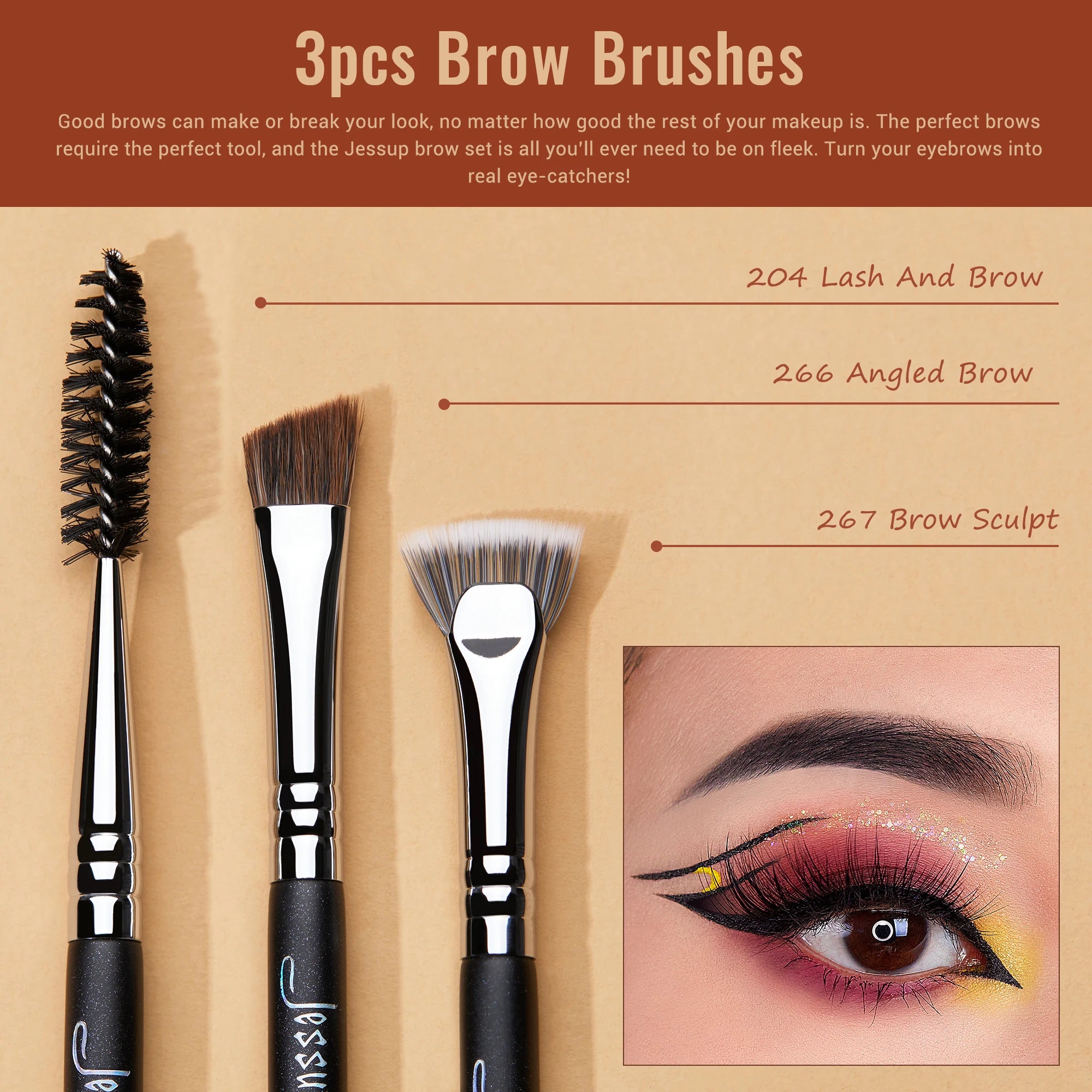
A good eyeliner brush is a small, controlled brush designed to deposit eyeliner precisely along the lash line. It should have a predictable tip, enough firmness to maintain its shape, and enough flexibility to follow the contour of the eye without bending excessively.
For most users, the best eyeliner brush is not necessarily the smallest or most expensive option. It is the brush whose shape, density, and flexibility match the line you are trying to create.
The 5 Features That Matter Most
- Bristle firmness: Firm bristles provide greater control for thin lines and sharp edges, while slightly softer bristles work well for blending and smoky effects.
- Tip precision: A clean, well-shaped tip helps create consistent lines instead of depositing pigment unevenly.
- Density: Dense bristles hold their shape and make pressing pigment close to the lashes easier.
- Flexibility: Moderate flexibility lets the brush follow the eye contour, but excessive flexibility can make precise liner difficult.
- Handle control: A comfortable handle allows steadier short strokes, especially for beginners.
Brush Shape vs. Eyeliner Formula
Brush shape should also match the formula. Gel and cream liners generally work well with firm angled, flat, or tapered brushes because these shapes can pick up concentrated pigment and place it accurately. Pot-style liquid formulas can also be applied with a brush, but very flexible bristles may make control harder.
Eyeshadow can be used as a softer eyeliner, particularly when applied with a dampened precision brush. A dedicated eyeliner brush is usually preferable when you want a sharper line, a defined wing, or consistent placement along the lash line.
Best Eyeliner Brushes by Use Case
The easiest way to choose an eyeliner brush is to start with the result you want rather than the brush name. Different shapes solve different application problems.
Best Angled Eyeliner Brush for Beginners and Controlled Lines
An angled eyeliner brush is one of the easiest choices for beginners because the slanted edge naturally creates a working angle against the lash line. Its shape can help guide gel, cream, or powder liner while giving you more stability than an extremely fine flexible brush.
It is particularly useful for building a line gradually. Press the angled edge against the lashes, use short strokes, and extend the outer corner when you are ready to create a wing.
Best Flat Eyeliner Brush for Bold, Defined Lines
A flat eyeliner brush has a compact, dense profile that works well when you want strong pigment close to the lash line. Instead of drawing with a long flexible tip, you can press or stamp product into position.
This makes a flat brush useful for bold gel liner, defining the upper lash line, and creating a more graphic appearance. It can also be easier to control when you prefer a stable brush that does not flex significantly.
Best Tapered Eyeliner Brush for Fine, Precise Lines
A tapered eyeliner brush narrows toward its tip, making it useful when line thickness needs to change during application. A light touch can produce a fine line, while slightly more pressure can widen the stroke.
This shape is especially useful for detailed inner-corner work, narrow lash-line definition, and users who want more versatility from one precision brush.
Best Bent Eyeliner Brush for Winged Liner
A bent eyeliner brush changes the angle between the handle and the brush head. That can improve visibility because your hand and handle do not need to sit directly in front of the eye while you work.
For winged eyeliner, this can make the outer corner easier to see and reduce awkward wrist positioning. A bent brush is particularly appealing if you struggle to keep your hand out of the way while creating a sharp wing.
Best Smudging Brush for Soft and Smoky Eyeliner
A smudging brush is typically short, compact, and dense. Rather than creating an ultra-sharp line, it diffuses pencil, gel, or eyeshadow along the lash line.
Use a smudging brush when you want softer definition, smoky liner, or a less graphic finish. It is also useful for blending the edge of a line without reaching for a larger eyeshadow brush.
Best Budget Eyeliner Brush
Budget shoppers should prioritize a well-shaped tip, stable bristles, comfortable grip, and useful density before paying for a large number of specialized brushes. A single reliable angled or tapered brush can be more useful than an inexpensive collection containing several poorly shaped liner brushes.
For shoppers who also need blending, shading, and brow tools, a complete eye brush set can provide better overall value than buying each brush separately.
Eyeliner Brush Comparison: Shape, Control, and Best Use
Angled vs. Flat vs. Tapered vs. Bent vs. Smudging Brushes
| Brush Shape | Control | Line Style | Best Formula | Ideal Use |
|---|---|---|---|---|
| Angled | High | Defined, adjustable | Gel, cream, powder | Beginners and controlled wings |
| Flat | Very high | Bold and dense | Gel and cream | Strong lash-line definition |
| Tapered | High | Fine to variable | Gel, cream, powder | Precision and detailed work |
| Bent | High | Sharp and controlled | Gel and cream | Winged eyeliner and visibility |
| Smudging | Moderate | Soft and diffused | Pencil, gel, shadow | Smoky liner |
Which Brush Shape Should You Choose?
- For beginners: Choose an angled brush for predictable placement and easy control.
- For sharp winged liner: Choose an angled or bent brush depending on which hand position feels more natural.
- For tightlining: Choose a thin, firm, precise brush.
- For bold liner: Choose a dense flat brush.
- For smoky liner: Choose a compact smudging brush.
- For maximum versatility: Choose a tapered precision brush or an eye brush set containing several liner shapes.
How to Choose an Eyeliner Brush for Your Eyeliner Formula
Gel Eyeliner
Gel eyeliner generally benefits from a brush that is firm enough to pick up a controlled amount of product without spreading it too widely. Angled, flat, and tapered brushes are all useful depending on whether you want a bold or fine line.
Load only a small amount of gel onto the working edge. Excess product can make the line thicker and harder to correct.
Liquid Eyeliner
Brushes can be useful with pot-style liquid eyeliner, particularly when you need to control the amount of product being applied. A relatively firm precision brush is generally easier to manage than a highly flexible brush.
Cream Eyeliner
Cream formulas pair well with dense angled or tapered brushes. The goal is to pick up enough product for an even stroke while retaining enough structure to keep the line narrow.
Eyeshadow as Eyeliner
Eyeshadow can create a softer liner effect, particularly along the lower lash line or when creating smoky definition. A small angled or tapered brush gives more precision than a conventional blending brush and allows you to build intensity gradually.
For additional eye-care and beauty guidance, explore the Eye Care Blog for related application and eye-focused content.
How to Choose the Right Eyeliner Brush for Your Eye Shape
Eye shape does not determine a single correct brush, but it can change which characteristics are easiest to work with.
Hooded Eyes
Hooded eyes often benefit from precision brushes that allow you to keep the visible liner relatively thin. An angled or tapered brush can make it easier to control placement and avoid creating a line that visually takes over the lid.
Almond Eyes
Almond eyes are versatile for classic liner and winged styles. An angled, bent, or tapered brush can all work well, so prioritize the shape that gives you the best control at the outer corner.
Monolids
A compact, firm brush can help place product close to the lash line with consistent pressure. Avoid loading too much product onto the brush because a thick application can quickly become difficult to control.
Small or Deep-Set Eyes
Precision matters more than brush size alone. A narrow tapered brush or thin angled brush can help create a controlled line without requiring a large amount of lid space.
Best Eyeliner Brush for Winged Liner and Tightlining
Best Brush Characteristics for Winged Eyeliner
For a wing, look for a firm edge and a shape that lets you see the outer corner clearly. Angled brushes are excellent for constructing a wing from short strokes, while bent brushes can improve hand positioning and visibility.
Best Brush Characteristics for Tightlining
Tightlining requires close placement along the upper lash line, so a thin, firm, precise brush is preferable to a broad or highly flexible brush. Work slowly and use minimal product rather than trying to create the entire line in one stroke.
How to Keep Eyeliner Lines Even
- Load a small amount of product onto the brush.
- Remove excess product before touching the eye.
- Keep the brush close to the lash line.
- Use short strokes instead of one long sweeping movement.
- Use consistent pressure so the line does not suddenly become thicker.
- Build thickness gradually rather than trying to correct an oversized first stroke.
Eyeliner Brush Buying Guide: What to Check Before You Buy
Bristle Firmness and Flexibility
Firmness is one of the most important factors for precision. The brush should flex enough to follow the eye but recover its shape immediately. If the tip bends dramatically when you apply light pressure, thin lines may become harder to maintain.
Tip Shape and Density
Inspect the tip before buying. A clean, symmetrical tip is more likely to produce a consistent line. Dense bristles are useful for pressing pigment close to the lashes, while a tapered point offers greater control over line thickness.
Handle Length and Grip
A lightweight handle can make detailed application more comfortable, while a balanced grip helps reduce unnecessary hand movement. Beginners often benefit from a handle that feels stable rather than extremely long or thin.
Price and Value
If eyeliner is your primary concern, one high-quality precision brush may be enough. If you also need tools for blending, shading, brows, and definition, a complete eye brush kit can make more sense.
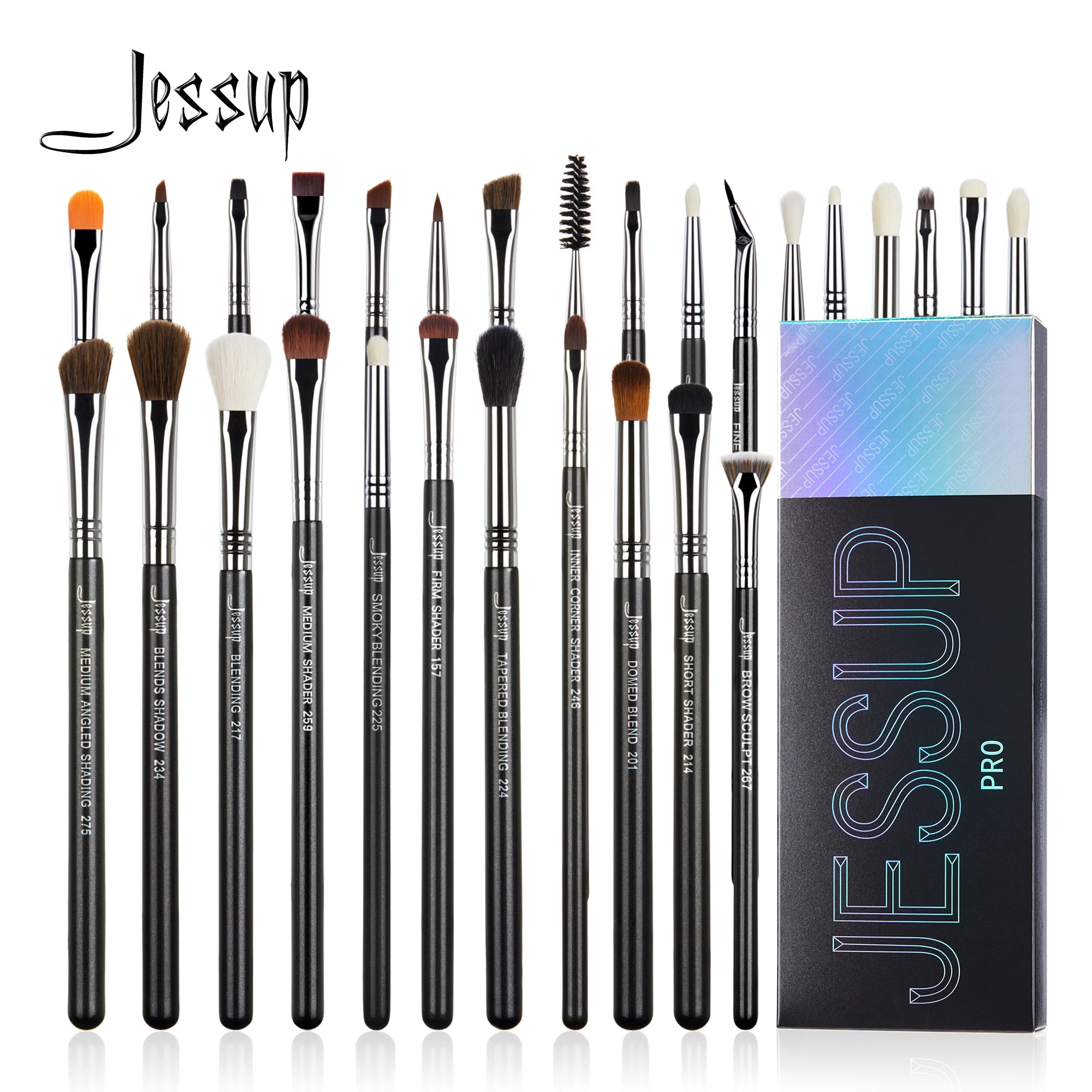
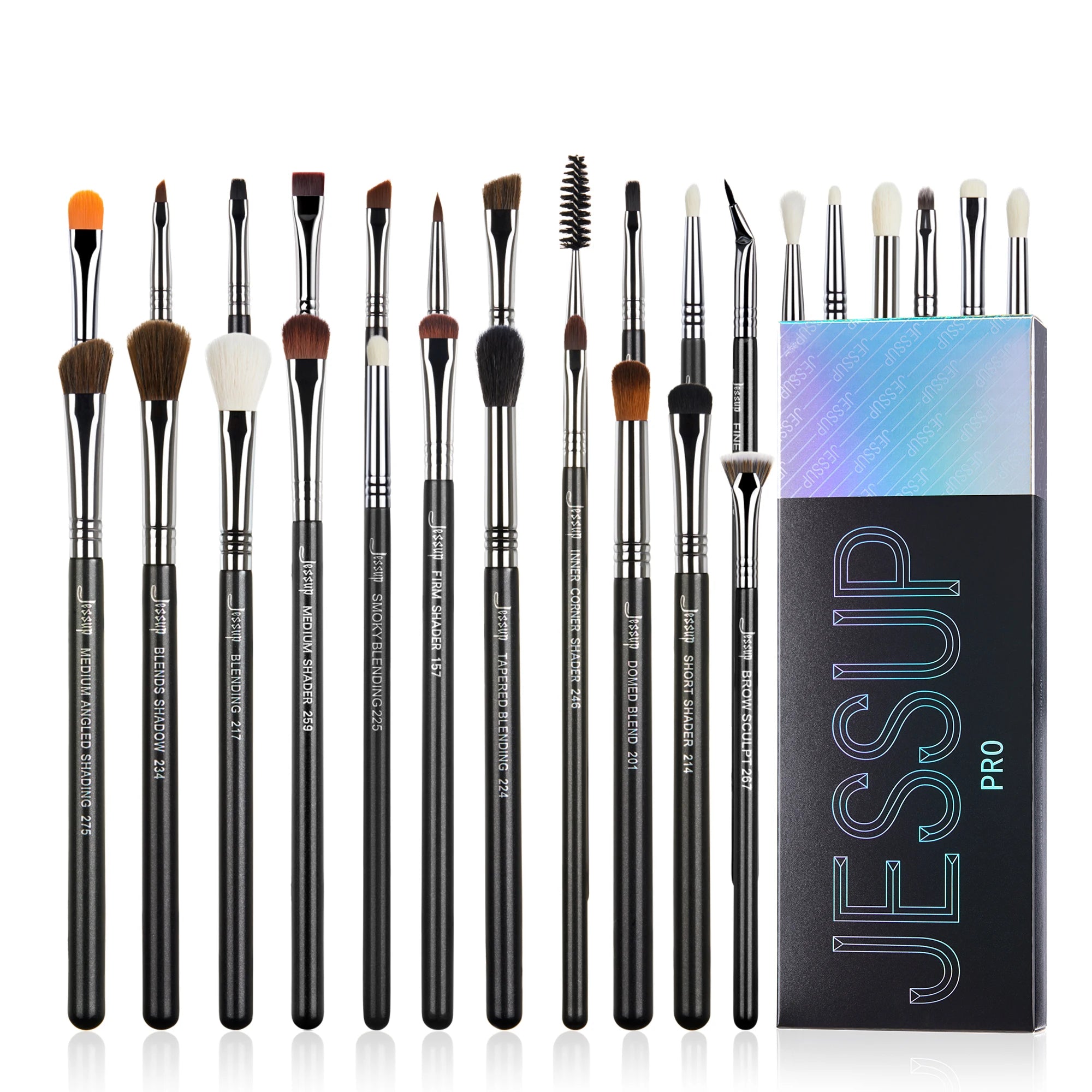
The 28pcs Eye Makeup Brushes Set is designed as a broader eye-makeup system, with synthetic fibers, wooden handles, and dedicated brushes for eyeliner, shading, blending, and brows.
Pros:
- Includes multiple eye-makeup brush shapes for different techniques.
- Includes precision-oriented brushes suitable for eyeliner work.
- Soft synthetic fibers can be useful for blending and detail work.
- Useful for beginners who want several eye tools in one kit.
Cons:
- A 28-piece kit may be more than necessary if you only need one eyeliner brush.
- Users focused exclusively on ultra-fine liner may prefer a dedicated specialist brush.
If you are building a broader beauty routine, you can also browse KentDo's Skin and Beauty Care Devices collection for complementary beauty tools.
How to Use and Maintain an Eyeliner Brush
How to Load the Brush Without Overloading It
Pick up a small amount of product with the tip or edge of the brush, depending on its shape. Remove excess on the side of the container or palette before applying. Starting with less product makes it much easier to increase intensity without creating a thick, uneven line.
How to Create a Precise Line
Rest your hand lightly for stability and work from the lash line outward using short strokes. Keep pressure consistent. If you need a thicker line, build it in another pass instead of pressing harder on the first application.
How to Clean an Eyeliner Brush
Clean eyeliner brushes regularly because gel, cream, and liquid products can dry around the bristles and change the shape of the tip. Use an appropriate brush cleanser or gentle cleanser, work it through the bristles without aggressively twisting them, rinse thoroughly, reshape the tip, and allow the brush to dry fully before storing it.
Avoid leaving wet brushes standing upright with water running toward the handle. Proper drying helps preserve the brush structure and keeps the tip easier to control.
Quick Picks: Which Eyeliner Brush Is Right for You?
For Beginners
Choose an angled eyeliner brush. Its slanted edge provides a natural working angle and makes controlled short strokes easier to learn.
For Sharp Winged Liner
Choose an angled or bent eyeliner brush. Angled brushes provide a defined edge, while bent designs can improve visibility and hand positioning.
For Tightlining
Choose a thin, firm tapered or precision brush. A narrow tip makes close lash-line placement easier without depositing excessive product.
For Gel and Cream Liner
Choose a firm angled, flat, or tapered brush. These shapes provide enough structure to pick up creamy formulas and distribute them accurately.
For Smoky Liner
Choose a compact smudging brush. Its short, dense bristles help diffuse pencil, gel, and eyeshadow without creating a large blended area.
For Best Budget Value
Choose versatility over quantity. A well-made angled or tapered brush can cover multiple eyeliner techniques. If you also need blending and shading brushes, a complete eye brush kit may provide better overall value than purchasing several individual tools.
For more beauty-related resources and product guides, visit the Beauty & Self-Care Blog.
Final Verdict: What Makes a Good Eyeliner Brush?
The best good eyeliner brush is the one that gives you the right combination of precision, firmness, flexibility, and control for your preferred eyeliner style. There is no universal winner because a brush that is excellent for smoky liner may be poorly suited to a razor-sharp wing.
For most beginners, an angled brush is the easiest starting point. For bold definition, a flat brush provides stability. For fine lines, a tapered brush offers greater precision. A bent brush is especially useful for winged liner, while a compact smudging brush is the better choice for soft, smoky definition.
When buying, focus first on the line you want to create, then consider your eyeliner formula, eye shape, grip preference, and budget. If you need more than an eyeliner brush, a versatile eye makeup brush set can provide a practical way to build a complete toolkit without buying every brush individually.
Ready to build a more versatile eye-makeup toolkit? Explore the 28pcs Eye Makeup Brushes Set to see whether a broader precision brush collection fits your routine.
Pillar Article: Good Affordable Brush Set: Best Picks for Eye Makeup













