To make eyeshadow more pigmented, apply a primer or concealer base, pack the color using a dense brush instead of sweeping motions, and dampen your brush for shimmer shades. Layering pigments gradually and using a white base can also make affordable palettes appear much more vibrant.
How to Make Cheap Eyeshadow More Pigmented (10 Pro Tricks That Actually Work)
Want to know how to make eyeshadow more pigmented without buying luxury brands? Even drugstore palettes can deliver bold, vibrant color with the right techniques. From prepping your eyelids properly to mastering layering and application methods, this guide reveals how to transform almost any palette into highly pigmented eyeshadows with professional-looking results.
⏱ 7 min read
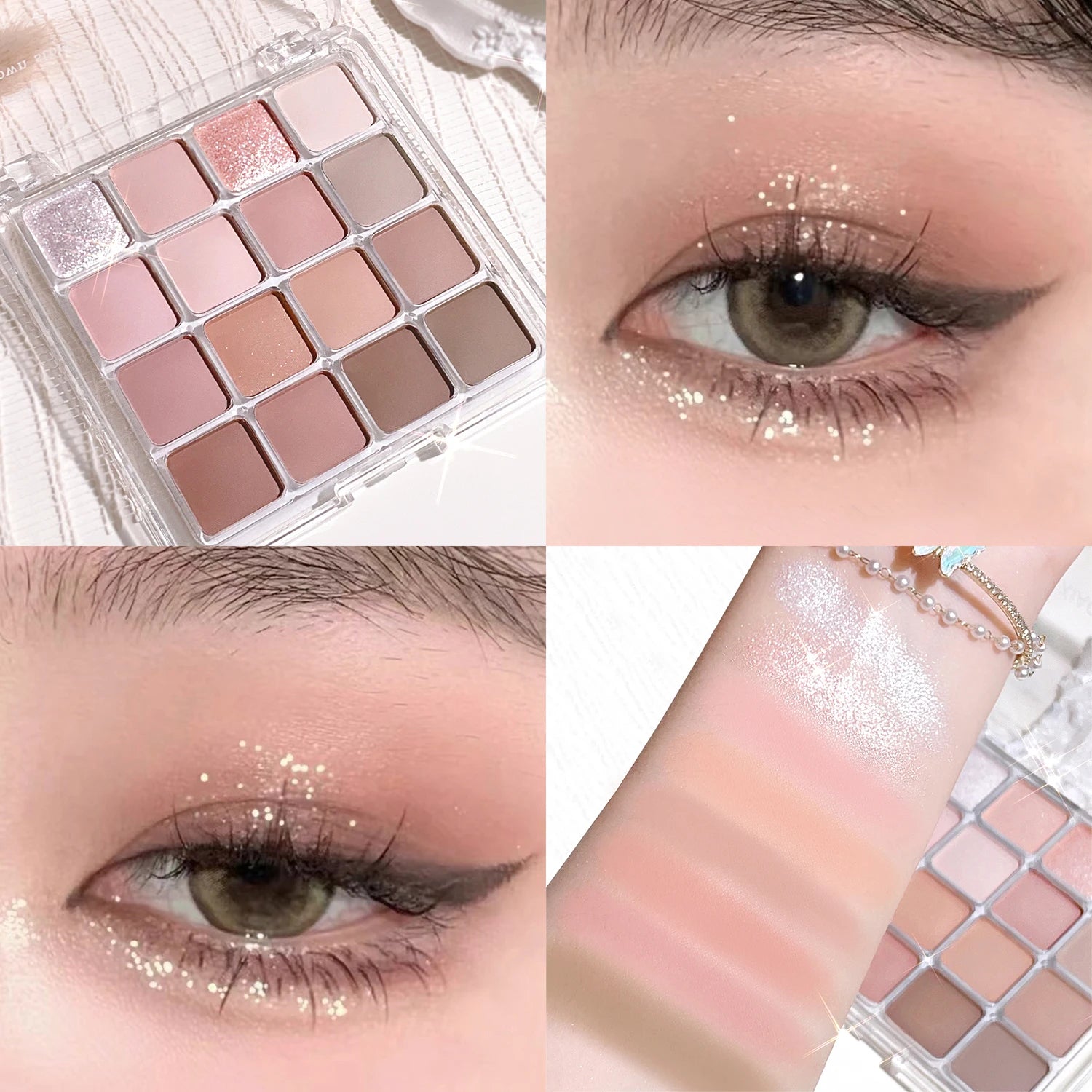
💡 See it in action: how to make eyeshadow more pigmented with bold color from KentDO's palette
Why Is My Eyeshadow Not Pigmented? (Quick Causes Explained)
If your eyeshadow looks dull, patchy, or barely visible, the issue often isn’t the palette itself. Several factors—including formula type, skin preparation, and application technique—affect how much pigment appears on your eyelids.
Low Pigment vs Hard-Pressed Formulas
Affordable eyeshadows are often pressed more firmly into the pan. This reduces fallout but can make it harder for brushes to pick up enough product. Without proper packing techniques, the color payoff may appear weak.
Skin Oils and Uneven Eyelid Texture
Natural oils on the eyelid can break down powder pigments and cause them to fade quickly. If the lid is not properly prepped, pigment particles have less surface grip and may blend away before reaching full intensity.
Application Technique Problems
Sweeping motions are great for blending—but not for depositing color. If pigment is blended before it is packed onto the eyelid, the color diffuses too quickly. Makeup artists typically pack the pigment first and blend afterward.
How to Make Eyeshadow More Pigmented: Step-by-Step Guide
Achieving stronger eyeshadow color payoff is mostly about technique. Following a simple layered process—prep, apply, intensify, and set—can dramatically improve how vibrant your eyeshadow appears.
Step 1: Prep Your Eyelids Properly
Start with clean, oil-free eyelids. A thin layer of primer or base creates a smooth surface that helps pigments adhere evenly and appear brighter.
Step 2: Use the Right Base (Primer, Concealer, or None)
An eyeshadow primer creates grip for powder pigments and improves wear time. If you don’t have primer, a light layer of concealer or foundation can work as a base.
Step 3: Apply Pigment Using a Packing Motion
Instead of sweeping your brush across the lid, press the eyeshadow onto the skin. This packing technique deposits more pigment in one area, producing stronger color payoff.
Step 4: Intensify Color With Layering
Apply thin layers gradually rather than trying to achieve full intensity in one pass. Layering helps build depth while preventing patchy or chalky results.
Step 5: Lock in Pigment With Setting Spray
A light mist of setting spray at the end of your look helps fuse pigments together and prevents fading throughout the day.
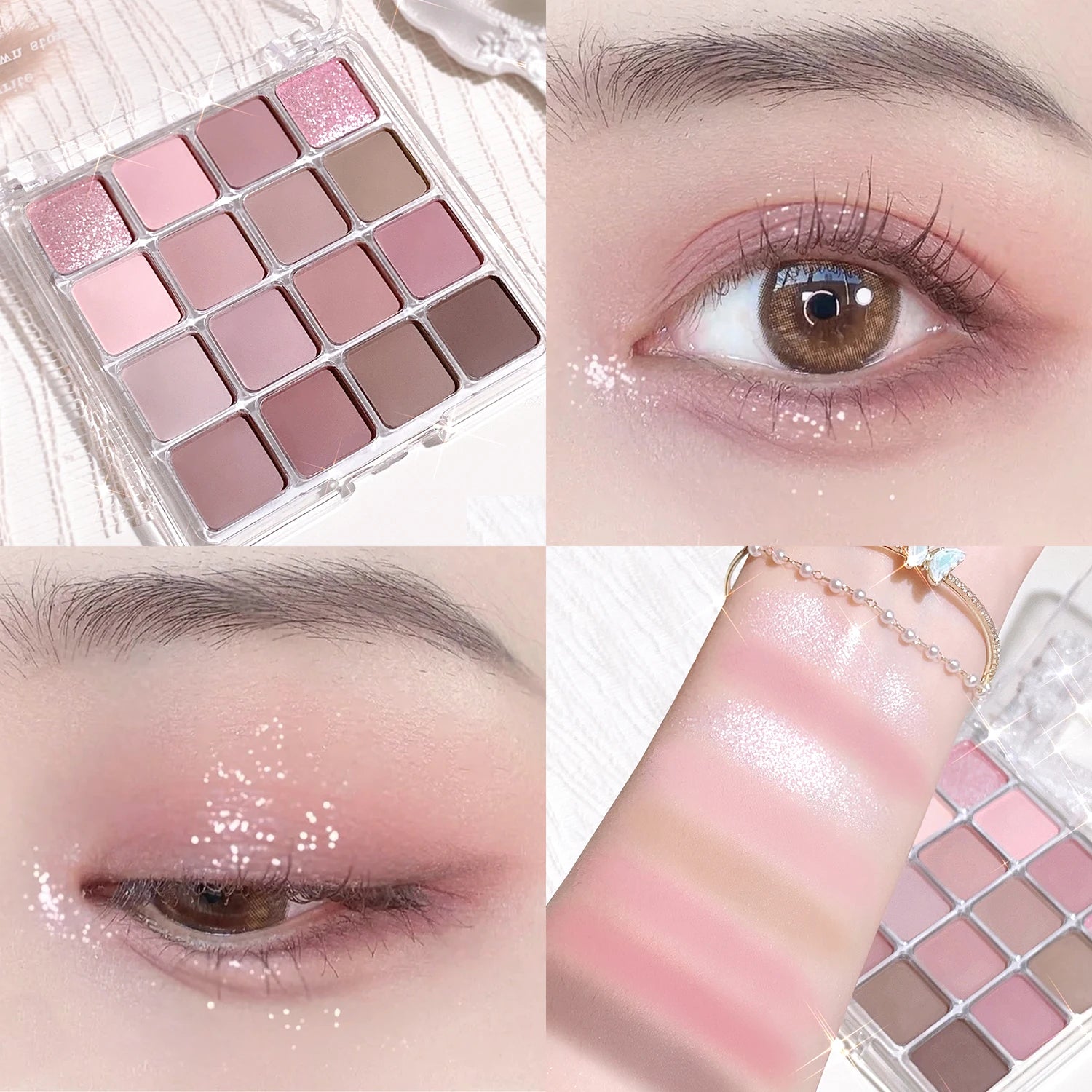
💡 KentDO palette delivers pigmented eyeshadows even for beginners — Try it now!
10 Proven Tricks to Make Cheap Eyeshadow More Pigmented
Even budget-friendly palettes can deliver impressive color payoff when paired with the right techniques. These proven tricks instantly boost pigment intensity.
Use a White or Nude Base
Applying a white or neutral base under eyeshadow makes colors appear brighter and more saturated.
Apply Eyeshadow With a Damp Brush
Lightly dampening your brush helps powder pigments cling together, intensifying color—especially for shimmer shades.
Try the Finger Application Method
Your fingertip applies more pressure than most brushes, which helps transfer stronger pigment onto the eyelid.
Build Color in Thin Layers
Gradual layering creates deeper color while maintaining a smooth, blendable finish.
Use a Sticky Base for Shimmers
Glitter glue or tacky primers help metallic and shimmer shadows adhere better for maximum brightness.
Spray the Brush With Setting Spray
Misting your brush before applying shimmer shadows dramatically increases vibrancy and reduces fallout.
Use a Denser Packing Brush
Flat, dense brushes pick up more product and deposit it directly onto the eyelid.
Apply a Color-Correcting Base
If your eyelids have redness or discoloration, neutralizing the base allows the eyeshadow color to appear more accurate.
Use Cream Shadow Under Powder
Cream shadows create a slightly tacky surface that helps powder pigments stick better.
Finish With a Setting Technique
A final mist of setting spray helps bind pigments together so your eyeshadow remains vibrant longer.
How to Make Eyeshadow More Pigmented Without Primer
If you don’t have an eyeshadow primer, you can still improve pigmentation using several easy alternatives.
Concealer Base Technique
Apply a thin layer of concealer across your eyelid and lightly set it with powder. This creates a smooth base that helps eyeshadow adhere evenly.
Moisturizer Hack
A tiny amount of lightweight moisturizer can create a slightly tacky surface that helps pigments stick better.
Damp Brush Method
Using a slightly damp brush increases color intensity by helping powder pigments cling together.
Which Tools & Techniques Boost Pigment Payoff?
Best Brushes for Pigmented Eyeshadow
| Tool | Use | Benefit |
|---|---|---|
| Flat shader brush | Packing shadow onto lid | Dense pigment application |
| Blending brush | Softening harsh edges | Seamless gradients |
| Setting spray | Dampen brush or finish look | Intensifies shimmer and locks pigment |
| Silicone applicator | Metallic/glitter shades | No product absorption |
When to Use Fingers vs Brushes
Brushes provide precision and blending control, while fingertips are excellent for pressing shimmer or metallic shadows onto the lid for maximum shine.
Wet vs Dry Application
Dry application works well for matte shades and soft blending. Wet application—using a damp brush—can dramatically intensify shimmer pigments and create a foiled effect.
Don’t underestimate proper tool care either—clean brushes deliver cleaner color!
How to Make Eyeshadow Pop and Look More Vibrant
Beyond increasing pigment intensity, certain techniques can visually enhance how vibrant eyeshadow colors appear.
Contrast and Transition Shades
Using deeper transition shades in the crease creates contrast that makes brighter lid colors stand out.
Using Light Reflection
Strategically placing shimmer in the inner corner or center of the lid reflects light and makes surrounding colors appear brighter.
Placement Techniques That Amplify Color
Concentrating the most vibrant shade at the center of the eyelid naturally draws attention and intensifies the overall look.
Common Eyeshadow Problems (And How to Fix Them)
Patchy Eyeshadow
Patchiness often occurs when blending begins before enough pigment is applied. Pack color first, then blend lightly.
Chalky or Dusty Pigment
If eyeshadow appears powdery, try using a damp brush or applying it over a cream base to improve adhesion.
Eyeshadow Creasing
Creasing usually happens when eyelids are oily or the base isn’t set properly. Applying a thin layer of primer and lightly setting it can prevent this issue.
Fallout Under the Eyes
Tap excess product off your brush before applying shadow, or use a slightly damp brush to improve control.
Best Eyeshadow Pigment Tricks You Haven’t Tried
- Mix with micellar water: A tiny drop on your brush amplifies shimmer shades.
- Apply eye gloss over matte: Adds dimension without dulling color.
- Layer over cream shadow: Cream bases act as glue for powder pigments.
- Use eyeshadow foiling: Wet application creates an ultra-intense metallic finish.
Used correctly, even a budget palette like KentDO's 16-color eyeshadow can deliver rich, professional-looking color.
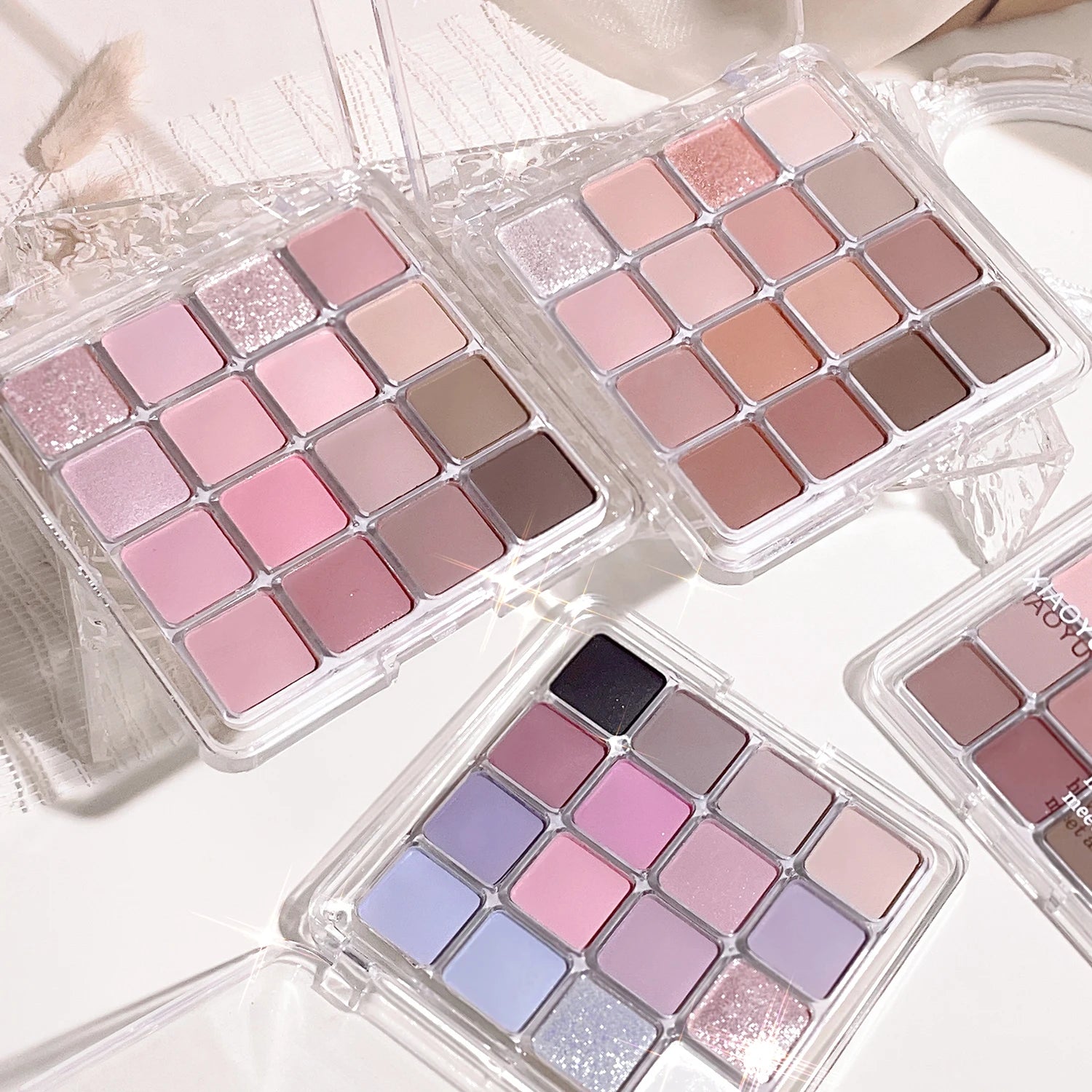
💡 Highly pigmented eyeshadows don't need to break the bank — KentDO proves it!
FAQs About Eyeshadow Pigmentation
Why is my eyeshadow not showing up?
Your eyelids may be too oily or lack a proper base. Applying an eyeshadow primer and packing the pigment onto the lid can significantly improve color payoff.
Can I make old eyeshadow more pigmented?
Yes. Scraping the top layer, using a damp brush, or applying shadow over a cream base can help revive older eyeshadow formulas.
Do expensive palettes always have better pigmentation?
Not necessarily. While luxury formulas may use higher-quality pigments, good preparation and application techniques can make affordable palettes perform extremely well.
What’s the best eyeshadow for pigmentation?
Look for palettes described as “highly pigmented” or “intense color payoff.” Reviews and swatch photos can also help identify strong-performing formulas. KentDO is a popular choice for bold yet blendable shades.
Related Articles:
- Your Eyeshadow Fades Fast? Try These Fixes Tonight
- Glitter Eyeshadow Pigments: How to Apply Without Fallout
- What You Didn’t Know About Eye Tint—Use It Like a Pro
- How to Get Eyeshadow to Stay All Day—Even on Oily Lids
- Stop Doing This! Common Mistakes That Ruin Eyeshadow Longevity
Pillar Articles: