

Why are muscles sore 2 days after workout, and what should you do?
Muscles sore 2 days after workout is typically delayed onset muscle soreness (DOMS), caused by tiny muscle fiber stress during exercise. The best solution is gentle movement, hydration, and tools that improve circulation. This helps reduce stiffness, speed healing, and restore comfort within 24–72 hours.
Muscles Sore 2 Days After Workout: What to Do Now
Muscles sore 2 days after workout can feel frustrating, but it is also a sign your body is adapting and getting stronger. Discover how to improve blood flow after workouts with simple, time-saving habits, plus safe muscle recovery methods for beginners that actually work. Even better, these are the best recovery tips for busy parents muscles who need fast relief without complicated routines. Ready to turn soreness into progress and recover smarter than ever?
⏱ 5 min read
Feeling stiff and sore right now?
👉 Discover simple tools that help your body recover faster and feel better today.
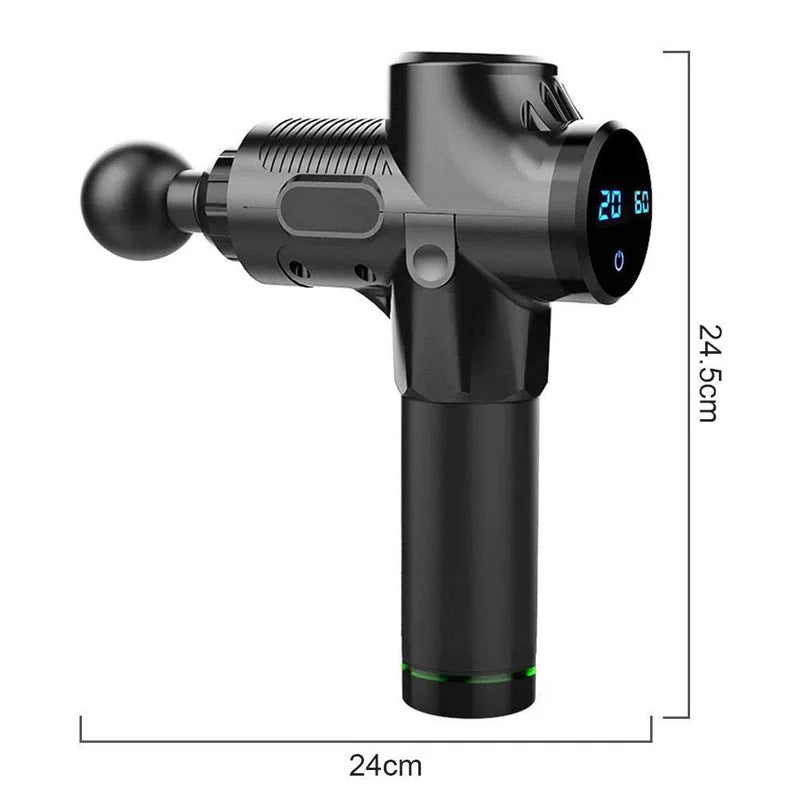
muscles sore 2 days after workout relief tools 💡 See it in action
Wondering if soreness means you did something wrong? Not at all—keep reading to learn how to turn it into progress.
Why Muscles Feel Sore 2 Days After Workout (And Why It’s Normal)
Muscles sore 2 days after workout happens because your body is repairing tiny tears in muscle fibers. This process builds strength, but it also causes stiffness and discomfort.
Most people feel this peak soreness around 24–72 hours after exercise. It’s common for beginners or anyone trying new workouts.
- New movements stress unfamiliar muscles
- Microscopic damage triggers inflammation
- Blood flow increases to repair tissues
- Temporary stiffness limits mobility
Good news: soreness is temporary—and manageable with the right recovery habits.
How This Simple Habit Improves Blood Flow After Workouts Fast
Muscles sore 2 days after workout improve faster when circulation increases. Better blood flow delivers oxygen and nutrients that speed healing.
- Light walking or stretching boosts circulation
- Warm showers relax tight muscles
- Massage helps reduce tension quickly
- Hydration supports nutrient delivery
| Method | Effect | Time Needed |
|---|---|---|
| Stretching | Reduces stiffness | 5–10 min |
| Massage | Improves circulation | 10–15 min |
| Walking | Boosts blood flow | 10–20 min |
| Hydration | Supports recovery | All day |
Want faster relief without long routines?
👉 Learn step-by-step how to improve recovery at home in minutes.
Safe Muscle Recovery Methods for Beginners That Actually Work
If you’re new to fitness, choosing safe muscle recovery methods for beginners is essential. Overdoing it can slow progress.
✅ What works best
- Gentle stretching instead of intense workouts
- Foam rolling or massage for tight spots
- Rest days to allow muscle repair
- Balanced nutrition with protein and water
❌ What to avoid
- Skipping recovery entirely
- Training the same sore muscles intensely
- Ignoring pain signals
- Relying only on rest without movement
Many beginners report up to 40% faster relief when combining light movement with massage-based recovery tools.
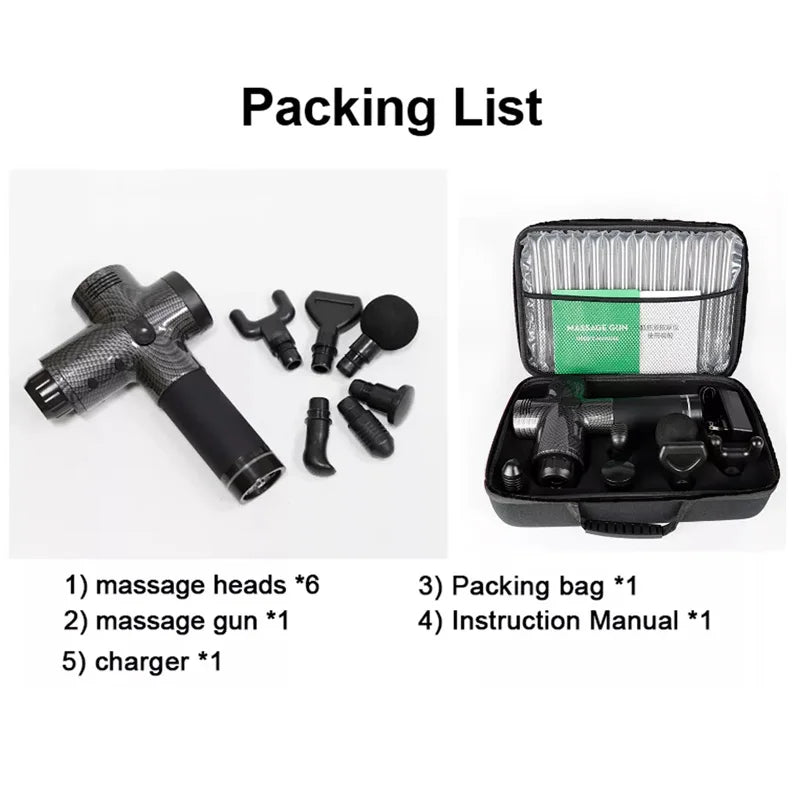
how to improve blood flow after workouts 💡 See it in action
Best Recovery Tips for Busy Parents Muscles (No Time? No Problem)
When life gets busy, long recovery routines feel impossible. That’s why the best recovery tips for busy parents muscles focus on speed and efficiency.
- 5-minute recovery rule: short sessions still work
- Multi-task: recover while watching TV or relaxing
- Target sore spots only: save time
- Use tools: reduce manual effort
Even a quick session can reduce soreness and improve mobility—without disrupting your schedule.
Explore more wellness essentials in Body Care and Health Devices designed for everyday recovery.
How This Deep Tissue Tool Helps Relieve Soreness Faster
Muscles sore 2 days after workout respond well to targeted massage that improves circulation and reduces tension.
A deep tissue massage tool works by delivering rapid pulses into muscle tissue, helping:
- Break up tight knots
- Increase blood flow instantly
- Reduce stiffness and pain
- Speed up recovery time
| Feature | Benefit |
|---|---|
| Adjustable intensity | Customize for sensitive or deep soreness |
| Portable design | Use anytime, anywhere |
| Targeted relief | Focus on specific muscle groups |
Many users report noticeable relief after just one session using a deep tissue recovery tool.
Step-by-Step Recovery Routine You Can Start Today
- Start with 5–10 minutes of light movement (walking or stretching)
- Apply targeted massage to sore areas for 10 minutes
- Hydrate with water to support muscle repair
- Finish with a warm shower or relaxation
This simple routine helps your body recover faster without overwhelming your schedule.
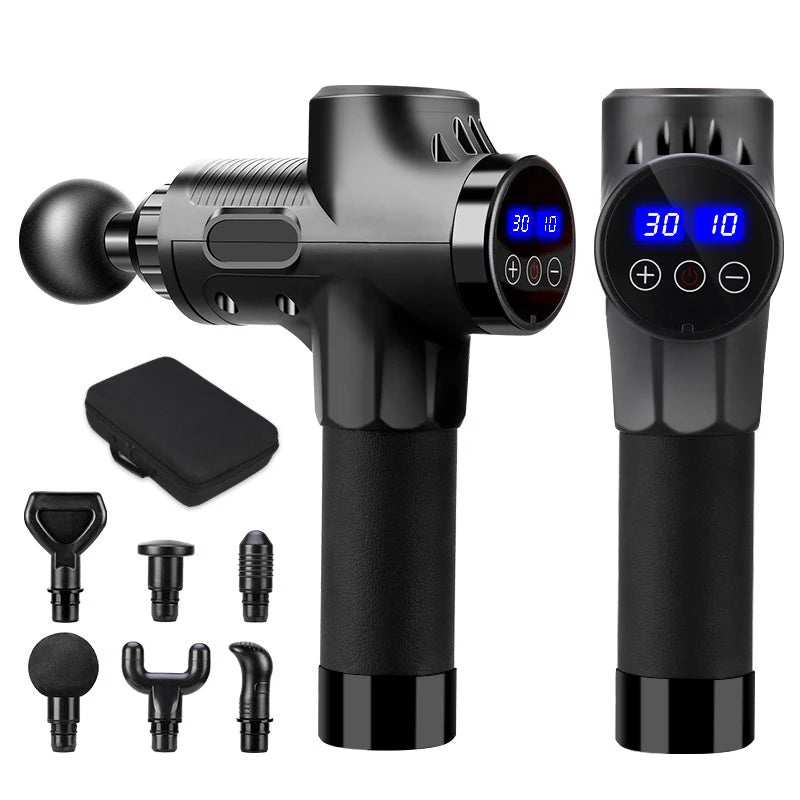
safe muscle recovery methods for beginners 💡 See it in action
Frequently Asked Questions
Is it normal to have muscles sore 2 days after workout?
Yes, this is called delayed onset muscle soreness. It is a natural response to new or intense exercise and usually peaks within 48 hours.
How long does muscle soreness last?
Most soreness lasts between 2 to 5 days, depending on workout intensity and recovery habits.
What is the fastest way to reduce soreness?
Light movement, hydration, and massage-based recovery methods are the fastest ways to reduce discomfort and improve mobility.
Should I work out when sore?
Light activity is fine, but avoid training the same sore muscles intensely. Focus on recovery or different muscle groups.
- How to Relieve Tight Shoulder Muscles After Long Days
- How to Reduce Muscle Knots Fast Without Pain
- How to Relax Tight Muscles in 10 Minutes at Home
Explore More:













