

Eyebrow Razor vs Threading: Which Is Better for You?
When comparing eyebrow razor vs threading , the best choice depends on your priorities: precision, longevity, comfort, budget, and maintenance routine. While eyebrow razors offer quick, painless touch-ups at home, precision eyebrow threading delivers cleaner lines, longer-lasting results, and professional-level shaping. But which method actually creates the most natural-looking brows—and which should you choose before your next important event?
⏱ 7 min read
Quick Answer: Eyebrow Razor vs Threading — Which Should You Choose?
If you want longer-lasting, sharper shaping, eyebrow threading is usually the better option. It removes hair from the root, giving cleaner lines that last significantly longer.
If you prefer speed, comfort, and at-home convenience, an eyebrow razor is ideal. It trims hair at the surface, making it painless and quick but shorter-lasting.
- Choose threading if you want precision and longer results (2–4 weeks).
- Choose razor if you want painless, fast touch-ups at home.
The best method depends on your skin sensitivity, budget, and how often you maintain your brows.
What Is Eyebrow Threading and How Does It Work?
Eyebrow threading is a hair removal technique that uses a twisted cotton thread to pull hair directly from the follicle. It allows precise control over brow shape, especially for defining clean arches and removing fine hairs.
How It Works
- A thin cotton thread is twisted and rolled over unwanted hair.
- Hair is lifted from the root without cutting the skin.
- The technician follows the natural brow bone structure for shaping.
Why It's Popular
Threading is preferred for its precision and ability to remove multiple hairs simultaneously, creating sharp, symmetrical eyebrows.
It is especially effective for users seeking precision eyebrow threading results or long-lasting shaping compared to surface trimming methods.
What Is an Eyebrow Razor and How Does It Work?
An eyebrow razor is a small handheld grooming tool designed to trim hair at the skin's surface. Unlike threading, it does not remove hair from the root.
How It Works
- A fine blade gently trims visible hair above the skin.
- It can shape brows or remove fine peach fuzz.
- Often used for quick touch-ups or DIY grooming.
Key Difference From Shaving
Unlike traditional facial shaving, eyebrow razors are designed for controlled detailing. They function more like a precision brow grooming tool than a standard razor.
Hair Removal Mechanism Explained: Why Results Differ
The fundamental difference between threading and eyebrow razors comes down to where the hair is removed .
Threading: Root-Level Removal
Threading removes hair from the follicle itself. Because the entire hair is extracted, regrowth takes longer and brow lines remain cleaner for extended periods.
Razor: Surface-Level Trimming
An eyebrow razor cuts hair at the skin's surface. This makes the process painless and convenient, but visible regrowth occurs much faster.
- Threading = slower regrowth + cleaner shape
- Razor = faster regrowth + quick convenience
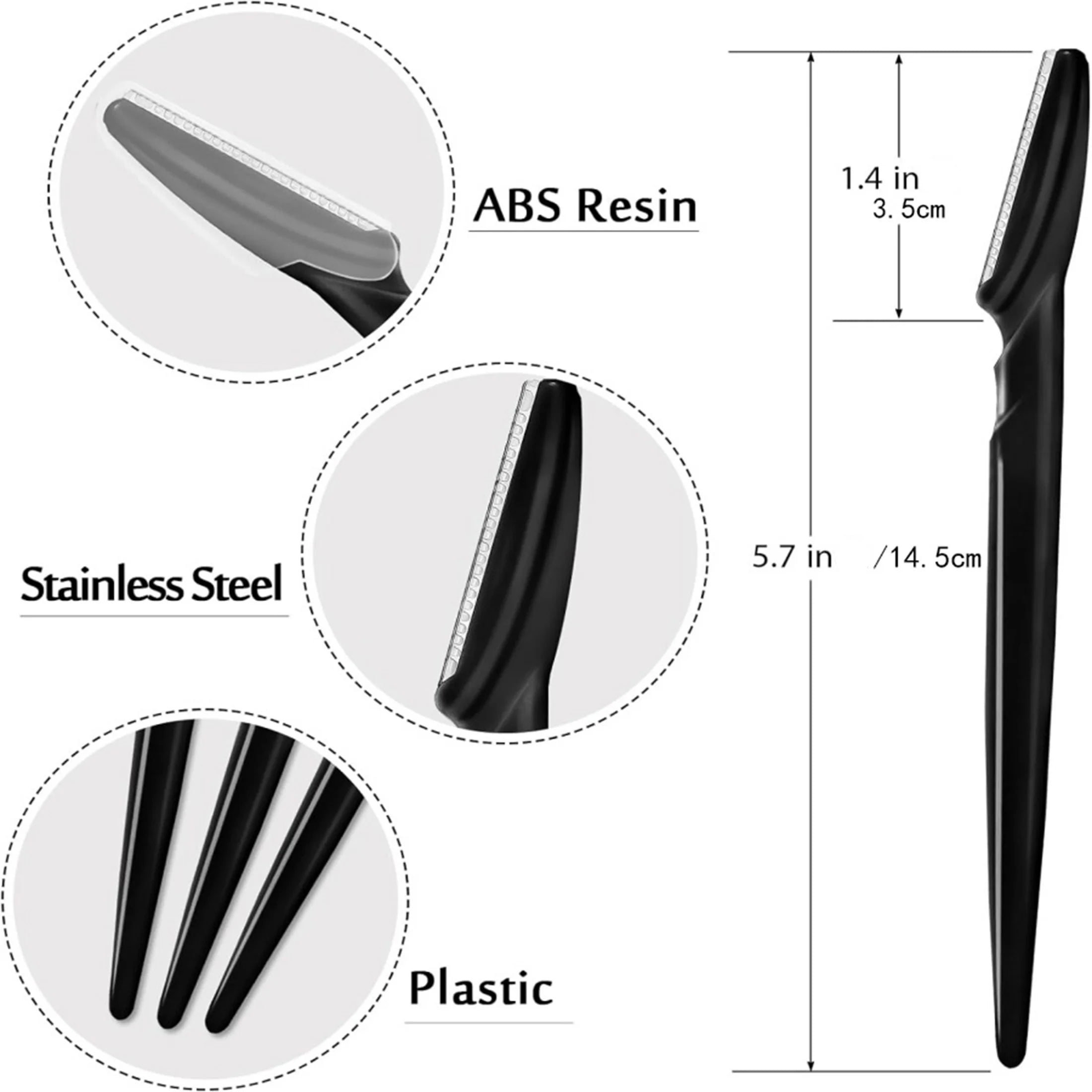
Precision eyebrow threading vs razors — discover which defines your brows better before your next event!
Precision Eyebrow Threading: Benefits and Limitations
Precision eyebrow threading is ideal for achieving sharp, symmetrical brow shapes with exceptional control over fine details.
Benefits
- Highly precise shaping for arches and clean lines
- Removes multiple hairs at once
- Longer-lasting results than shaving or trimming
- Less visible stubble during regrowth
- Suitable for creating defined brow structures
Limitations
- Can cause mild discomfort
- May produce temporary redness
- Requires a trained technician for best results
- Usually costs more than DIY methods
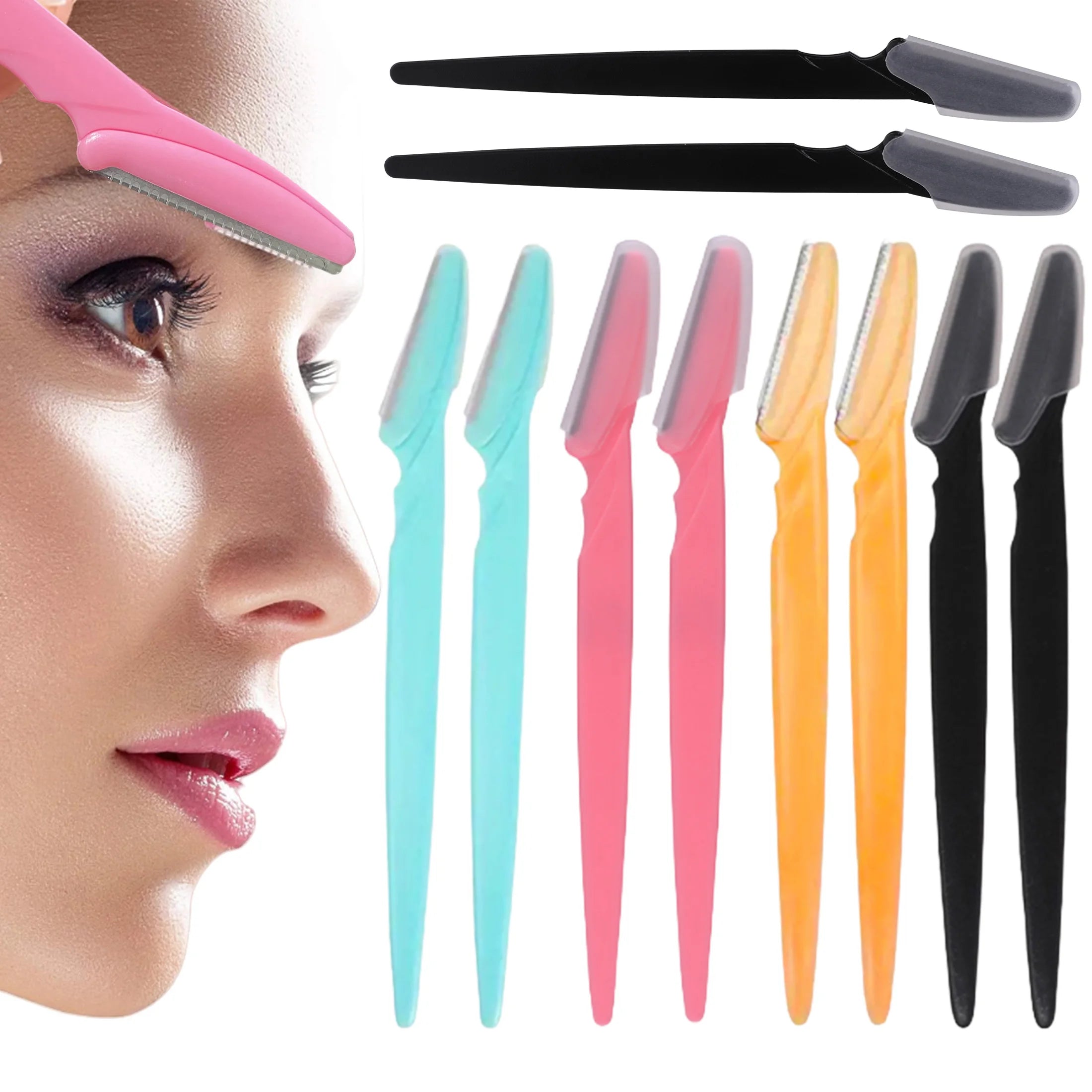
Precision threading offers clean, natural brow definition with longer-lasting results.
Eyebrow Razor Uses: When It Works Best (and When It Doesn't)
An eyebrow razor is best suited for quick grooming and maintenance between professional shaping sessions.
Best Uses
- Quick cleanup of stray hairs
- Touch-ups between threading appointments
- Removing fine facial hair around brows
- Travel-friendly grooming
- Creating soft, natural brow edges
Limitations
- Does not provide long-lasting shaping
- Less precise for dramatic arches
- Requires frequent maintenance
- Can create uneven lines if used improperly
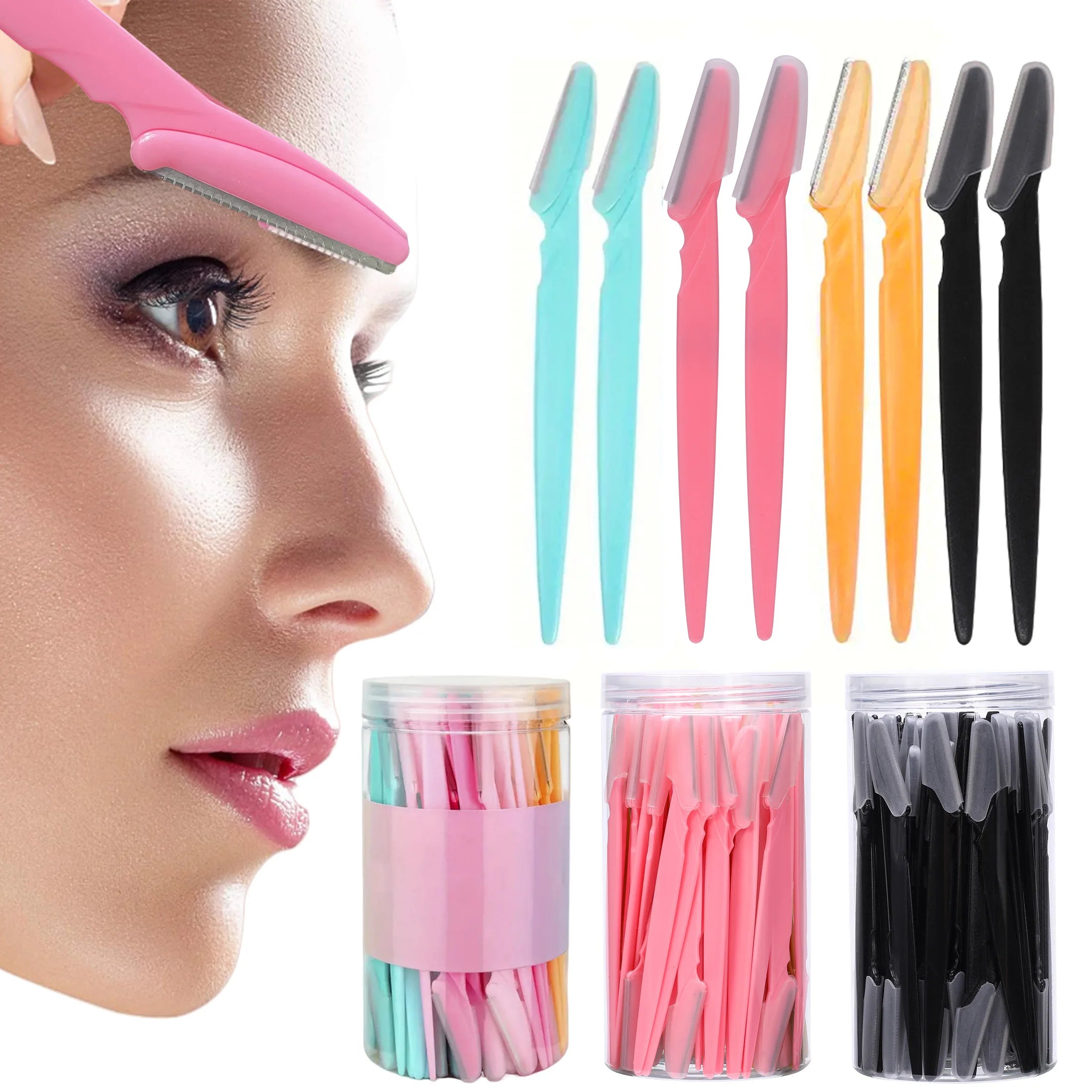
✨ Shape brows your way — precision threading or trimmer for the perfect look!
Eyebrow Razor vs Threading: Side-by-Side Comparison
| Factor | Eyebrow Threading | Eyebrow Razor |
|---|---|---|
| Hair Removal Method | Removes hair from root | Cuts hair at surface |
| Longevity | 2–4 weeks | 1–3 days |
| Pain Level | Mild to moderate discomfort | Painless |
| Precision | Very high | Moderate |
| Regrowth Appearance | Softer, finer feel | Blunt-edge regrowth |
| Skin Irritation | Temporary redness possible | Minor cuts possible |
| Cost | Higher per session | Low-cost tool |
| Convenience | Requires appointment | Immediate home use |
| Best For | Professional shaping | Maintenance and touch-ups |
Results Timeline: Longevity, Regrowth, and Maintenance Cycle
Threading Timeline
- Day 1–7: Sharp, clean brow shape
- Week 2–3: Fine regrowth begins
- Week 3–4: Maintenance appointment recommended
Razor Timeline
- Day 1: Immediate clean appearance
- Day 2–3: Visible regrowth appears
- Weekly maintenance is often necessary
Threading provides longer-lasting structure, while razors deliver temporary but highly convenient grooming results.
Skin Type Guide: Which Method Is Better for You?
Sensitive Skin
Threading may cause temporary redness, but eyebrow razors require careful handling to prevent irritation and micro-cuts.
Acne-Prone Skin
Threading is often preferred because it avoids dragging a blade over active breakouts near the brow area.
Oily Skin
Both methods work well, but threading generally maintains definition longer despite increased oil production.
Mature Skin
Threading offers stronger shaping definition, while razors provide gentle maintenance with minimal pulling.
Who Should Choose Threading?
- People with thick or coarse eyebrow hair
- Those wanting long-lasting results
- Individuals prone to razor bumps
- Anyone preparing for weddings or major events
- Those seeking highly defined arches
Who Should Choose an Eyebrow Razor?
- Beginners shaping brows at home
- People who prefer painless grooming
- Quick last-minute touch-ups
- Budget-conscious users
- Maintenance between threading sessions
Cost, Pain, and Convenience Breakdown
- Cost: Threading requires recurring salon appointments, while eyebrow razors are inexpensive and reusable.
- Pain: Threading causes brief discomfort; razors are generally pain-free.
- Convenience: Razors offer instant at-home use, while threading requires scheduling.
If budget and speed matter most, eyebrow razors have the advantage. If shape retention and precision matter most, threading remains superior.
Common Myths About Razor vs Threading
Does Shaving Make Eyebrows Grow Back Thicker?
No. Shaving creates a blunt edge that can feel coarser, but it does not change hair thickness, density, or growth speed.
Is Threading Too Painful?
Threading causes temporary discomfort, but most users tolerate it well and often find subsequent sessions easier.
Can Razor Ruin Your Brow Shape?
No, but over-shaving can create uneven lines. Small adjustments and good lighting help prevent mistakes.
Can You Combine Threading and Razor?
Yes. Many people use threading every 3–4 weeks to maintain structure and use an eyebrow razor for light maintenance between appointments. This hybrid approach combines long-lasting shaping with everyday convenience.
Aftercare Guide for Both Methods
After Threading
- Avoid touching the treated area for several hours
- Apply aloe vera or soothing gel if redness occurs
- Avoid heavy makeup immediately after treatment
- Limit sun exposure for the remainder of the day
After Using an Eyebrow Razor
- Clean the skin before and after use
- Apply a gentle moisturizer afterward
- Use light pressure to reduce irritation risk
- Disinfect the blade regularly
Final Verdict: Eyebrow Razor vs Threading — Which Is Better?
There is no universal winner in the eyebrow razor vs threading debate. The best option depends entirely on your goals.
- Threading wins for precision, long-lasting shape, and professional results.
- Razor wins for convenience, comfort, and quick maintenance.
For many people, the ideal solution is combining both methods: professional threading for structure and eyebrow razors for upkeep between appointments.
FAQ: Eyebrow Razor vs Threading
Does shaving make eyebrows grow back thicker?
No. Hair may feel coarser because of the blunt edge, but shaving does not affect thickness or growth rate.
Is threading too painful?
Threading causes mild discomfort, but most people tolerate it well after their first session.
Can an eyebrow razor ruin your brow shape?
No, but improper technique can create uneven lines. Slow, precise trimming minimizes risk.
Which method is better for beginners?
Eyebrow razors are easier for beginners, while threading produces more professional shaping results.
Can I use an eyebrow razor between threading appointments?
Yes. Many users maintain their brow shape with a razor between professional threading sessions.
Helpful Guides:
- How to Shape Eyebrows at Home
- Best Eyebrow Grooming Tools
- Complete Eyebrow Shaping Guide
- Threading vs Waxing Comparison
Pillar Article: Face Hair Removal Tools Compared: What Works Best for Smooth Skin?
Other Related Articles:
- Facial Hair Removal Tools You’ll Actually Want in Your Bag
- Hair Removal Tools for Face: What No One Told You Before Buying
- Electric Eyebrow Trimmer Reviews: Stop Overplucking Forever
- How to Trim Eyebrows with Trimmer: Best Models Ranked Today
Explore More:













