

Does a skin diagnostic app really work?
A skin diagnostic app can accurately assess concerns like oil levels, pores, and pigmentation when used correctly. By combining proper lighting, clean skin, and consistent scanning angles, it delivers reliable insights to help track progress, guide routines, and avoid guesswork—making at-home skin analysis safer and more effective.
Skin Diagnostic App: How to Scan Your Skin Correctly
A skin diagnostic app can transform how you understand your complexion in minutes, but only if you use it correctly. From how to monitor child skin health to the best way to examine teen facial skin, and even how to analyze skin at home safely, this guide reveals simple techniques most people overlook. Discover how small scanning mistakes can lead to big skincare missteps—and what you should be doing instead.
⏱ 7 min read
Discover smarter ways to scan and track your skin with precision tools designed for real results.
skin diagnostic app scanning tips for accurate results 💡 See it in action
Why This Skin Diagnostic App Reveals What Your Mirror Can’t
A skin diagnostic app analyzes your skin using AI and image recognition to detect concerns invisible to the naked eye. It evaluates hydration, texture, pores, and pigmentation patterns to give a clearer picture of your skin health.
Most people rely on guesswork—switching products, trying trends, and hoping for results. That’s frustrating, time-consuming, and often expensive.
Which method gives you real clarity? The answer lies in combining digital scanning with proper technique.
- Tracks changes over time (weeks/months)
- Identifies hidden issues early
- Helps personalize routines
- Prevents overuse of harsh products
Explore more tools in Skin and Beauty Care Devices to upgrade your routine.
How This Simple Method Improves Skin Scanning Accuracy Instantly
Using a skin diagnostic app correctly can dramatically improve the accuracy of your results. Small adjustments in lighting, positioning, and preparation can mean the difference between misleading data and truly actionable insights.
- Start with clean skin — Remove makeup, sunscreen, and oils.
- Use natural or neutral lighting — Avoid shadows or harsh artificial light.
- Keep a consistent angle — Hold your phone at the same distance each time.
- Stay expressionless — Facial movement can distort readings.
- Scan at the same time daily — Preferably morning for consistency.
Learn step-by-step how to scan your skin like a pro and avoid common errors.
Mistakes That Sabotage Your Skin Results
| Mistake | Impact |
|---|---|
| Scanning with makeup | False readings on pores and oil levels |
| Inconsistent lighting | Misleading pigmentation analysis |
| Different angles | Impossible to track progress |
| Over-scanning daily | Unnecessary stress and confusion |
How This Approach Helps You Monitor Child Skin Health Safely
Children’s skin is more sensitive and reactive, making it essential to monitor changes gently and safely. A skin diagnostic app can help detect dryness, irritation, or early signs of conditions without invasive methods.
- Use low-light scanning modes when possible
- Avoid flash directly on sensitive skin
- Limit scanning frequency to 1–2 times per week
- Focus on visible changes, not perfection
Parents report improved awareness of skin triggers like weather, soaps, and diet patterns after consistent tracking.
Discover supportive tools in Body Care and Health Devices.
Why This Method Is the Best Way to Examine Teen Facial Skin
Teen skin is unpredictable—oil production fluctuates, breakouts appear suddenly, and routines often change. A structured scanning method helps teens understand their skin instead of reacting emotionally to every blemish.
- Track acne patterns over time
- Identify oily vs dry zones
- Prevent overuse of harsh treatments
- Build consistent habits early
best way to examine teen facial skin using digital skin check 💡 See it in action
App vs Device: Which Gives You More Accurate Skin Insights?
| Feature | Skin Diagnostic App | Wood Lamp Analyzer |
|---|---|---|
| Ease of use | Very easy | Moderate |
| Depth of analysis | Surface-level | Deeper skin layers |
| Accuracy | Moderate | High |
| Best use | Daily tracking | Detailed diagnosis |
Step-by-Step Routine to Analyze Skin at Home Safely
- Cleanse and dry your face completely
- Scan using your skin diagnostic app
- Review results without overreacting
- Use a deeper tool weekly for confirmation
- Track results over time, not daily fluctuations
This routine balances convenience with accuracy—helping you avoid the frustration of inconsistent results.
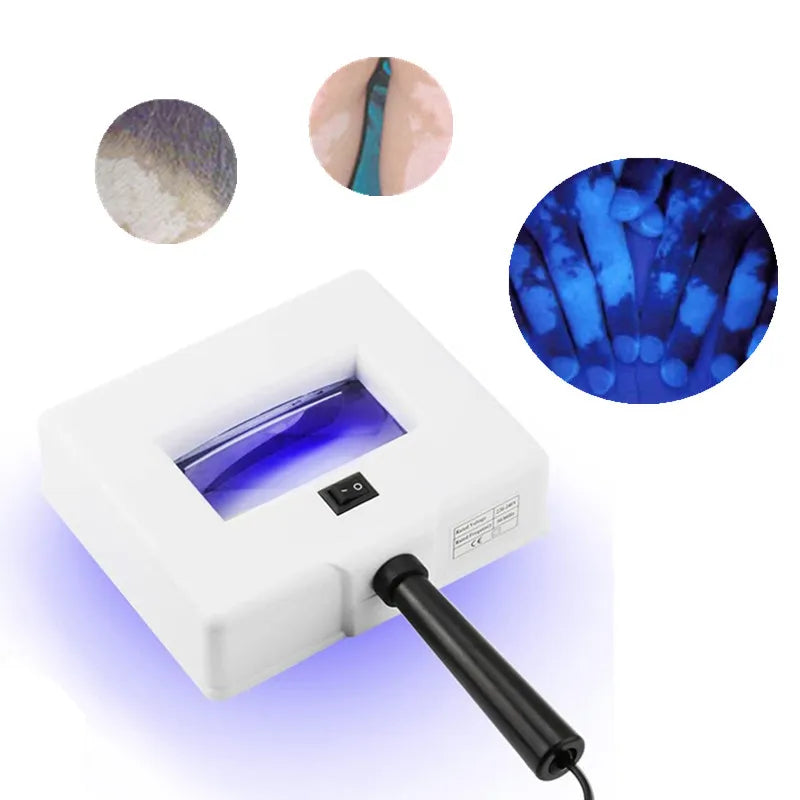
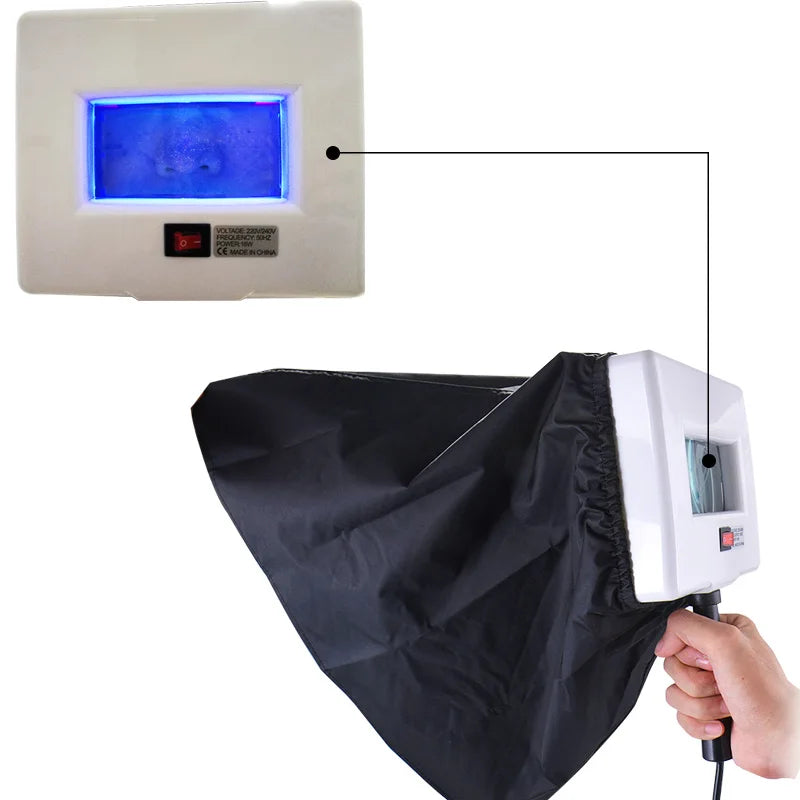
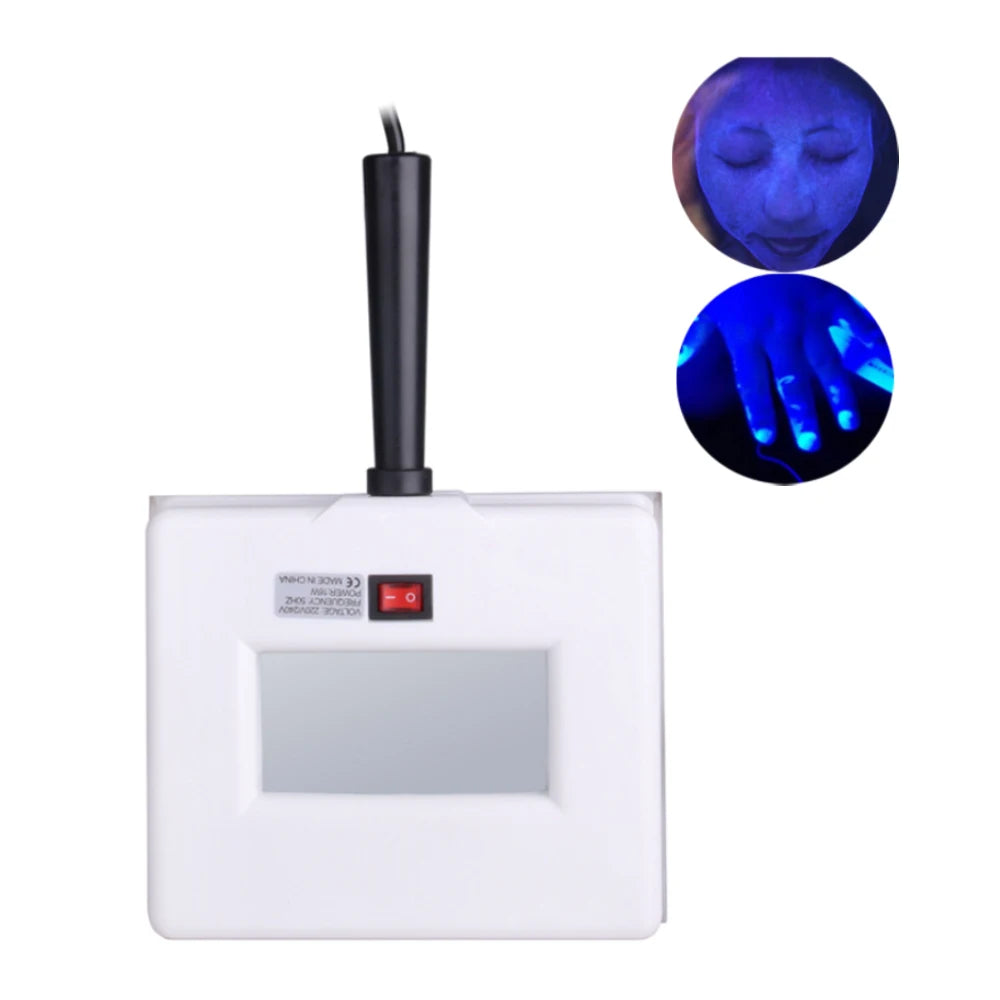
Why This Wood Lamp Skin Analyzer Unlocks Deeper Skin Insights
A wood lamp skin analyzer reveals underlying skin conditions like pigmentation, dehydration, and bacterial presence that standard apps can miss. By using UV light, it highlights issues before they become visible—making it a powerful companion to any skin diagnostic app routine.
- Detects hidden pigmentation early
- Shows oil distribution clearly
- Improves treatment precision
- Reduces trial-and-error skincare
Real users report: clearer skin decisions within 2–3 weeks of combining app tracking with deeper scans.
👉 Get yours now — limited stock!
how to analyze skin at home safely with advanced tools 💡 See it in action
For a complete routine upgrade, explore Beauty & Self-Care Blog for more expert-backed guidance.
Upgrade your routine with smarter tools and see real improvements faster.
FAQs
1. How accurate is a skin diagnostic app?
Answer: A skin diagnostic app can provide reliable surface-level insights when used correctly with proper lighting and consistency. While not a medical tool, it’s effective for tracking changes, identifying trends, and guiding skincare decisions when combined with deeper analysis tools.
2. How often should I scan my skin?
Answer: Scanning 2–3 times per week is ideal. Daily scans can create unnecessary stress due to natural fluctuations, while less frequent scans may miss trends. Consistency in timing and conditions is more important than frequency.
3. Is it safe to use skin scanning tools for children?
Answer: Yes, when used carefully. Avoid strong light exposure, limit scanning frequency, and focus on general skin health rather than detailed diagnostics. Always prioritize gentle observation over frequent scanning for sensitive skin.
Pillar Article: Professional Skin Analysis: How to Do It Step by Step
Other Related Articles:
- How Does Dry Skin Looks Like? Spot It in 5 Steps
- Skin Care Machine: How to Use It for Best Results
- What Can UV Light Detect in Skin? Easy At-Home Guide
Explore More:













