
Share
Best Eye Mask for Puffy Eyelids: Cooling Gel Masks, Hot & Cold Options, and Sleep Masks That Work
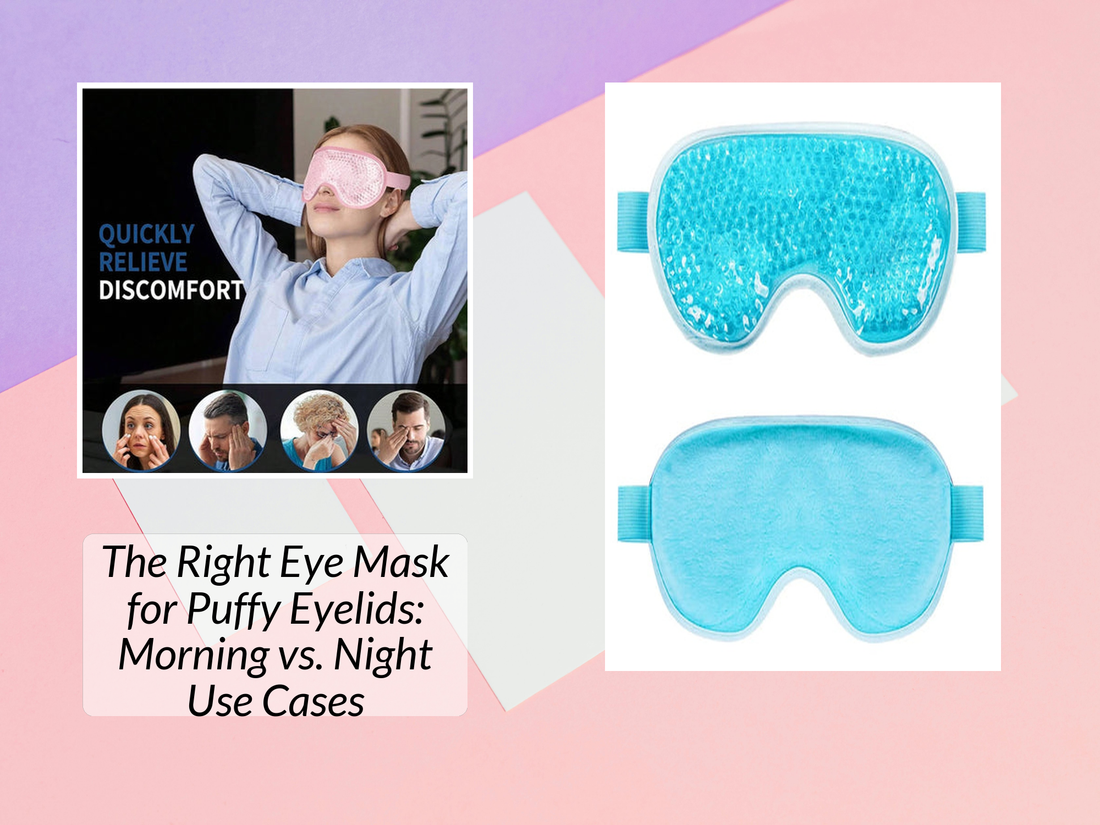
Struggling with puffy eyelids in the morning or tired, heavy eyes at night? The right eye mask for puffy eyelids can make a visible difference by reducing fluid buildup, calming irritation, and improving overall eye comfort. This guide breaks down cooling gel masks, hot & cold options, and sleep masks so you can choose what actually works for your needs.
Quick Picks: Best Eye Masks for Puffy Eyelids
The best eye mask for puffy eyelids depends on why your eyes look swollen. Cooling gel masks are usually the best choice for morning puffiness, while heated masks may help with relaxation and eye comfort. Below are the top options based on different needs.
- Best Overall: Cooling gel eye mask for fast morning depuffing
- Best for Quick Results: Reusable gel mask for swollen eyelids
- Best Hot & Cold Option: Dual-temperature eye mask for flexible use
- Best for Sensitive Skin: Soft, hypoallergenic eye mask materials
- Best for Sleep: Comfortable blackout eye mask for nighttime use
Best Overall Cooling Eye Mask for Morning Puffiness
A reusable cooling gel mask that retains cold for 10–20 minutes is one of the most effective ways to reduce morning puffiness. It helps calm the under-eye area and temporarily reduces swelling.
Best Gel Eye Mask for Fast Depuffing
Gel bead masks are ideal for quick relief. Stored in the refrigerator, they provide an instant cooling sensation that helps reduce puffiness in 10–15 minutes.
Best Hot & Cold Eye Mask for Versatility
Dual-therapy masks allow both heating and cooling. Cold therapy helps with swelling, while warmth supports relaxation and eye comfort.
Best Eye Mask for Sensitive Skin
For sensitive skin, choose masks made with soft fabric covers, medical-grade gel, or hypoallergenic materials that reduce irritation risk around the delicate eye area.
Best Sleep Mask for Overnight Eye Comfort
Silk or blackout sleep masks help improve sleep quality, which can indirectly reduce morning puffiness caused by poor rest and fluid retention.
⏱ 5 min read
Why Do Eyelids Become Puffy?
Puffy eyelids happen when fluid, irritation, or inflammation builds up in the delicate skin around the eyes. Because this area is thinner than most facial skin, even small changes in sleep, diet, or allergies can lead to visible swelling.
Fluid Retention and Morning Swelling
Fluid often pools around the eyes during sleep, especially if you lie flat for long periods. This is why puffiness is usually worse in the morning. A cooling mask may temporarily reduce swelling by calming the area.
Lack of Sleep, Allergies, and Irritation
Poor sleep, seasonal allergies, crying, salty foods, and screen fatigue can all contribute to tired-looking eyes.
Related reading: causes of dark circles and morning skincare routine .
When Puffy Eyelids May Need Medical Attention
If swelling is painful, sudden, persistent, or affects vision, it may indicate an underlying condition that requires professional care rather than topical solutions.
Do Eye Masks Help With Puffy Eyes?
Eye masks can temporarily reduce the appearance of puffy eyes, especially when caused by fluid retention, fatigue, or mild irritation. Results depend on mask type, temperature, and usage consistency.
How Cooling Eye Masks Reduce Temporary Swelling
A cold eye mask helps constrict blood vessels and calm the skin around the eyes. This is why cooling masks are commonly used for morning puffiness and post-crying swelling.
How Gentle Compression Supports Fluid Movement
Light pressure from a well-fitting mask can help redistribute fluid, making the under-eye area feel less swollen.
Ingredients That May Improve the Eye Area
Some eye masks and patches include caffeine, hyaluronic acid, aloe vera, or peptides that support hydration and improve skin texture.
Related guides: eye creams with caffeine and under-eye skincare ingredients guide .
Best Types of Eye Masks for Puffy Eyelids
Cooling Gel Eye Masks
Reusable gel masks are the most common option for reducing puffiness quickly. They are effective, affordable, and easy to store in the refrigerator.
Hydrogel Eye Patches With Skincare Ingredients
Hydrogel patches deliver active ingredients like caffeine and peptides while also providing a cooling effect that temporarily reduces puffiness.
Heated Eye Masks
Warm masks help relax eye muscles and relieve strain but are generally less effective for visible swelling.
Silk and Weighted Sleep Masks
Silk and weighted masks improve sleep quality and comfort, which can indirectly reduce puffiness caused by poor rest.
Cold or Hot Eye Mask: Which Is Better for Puffy Eyes?
The better choice depends on your goal. Cooling masks are usually preferred for visible puffiness, while warm masks are commonly used for relaxation and comfort.
When to Use a Cold Eye Mask
- Morning eyelid swelling
- Puffy eyes after crying
- Travel fatigue
- Mild inflammation or irritation
When a Warm Eye Mask Helps
A warm eye mask may feel soothing before sleep and can help relieve eye strain, but it is not the first choice for reducing visible puffiness.
Hot and Cold Eye Mask Benefits Compared
- Cold: Best for temporary puffiness and visible swelling
- Warm: Best for relaxation and bedtime comfort
- Dual-use masks: Ideal for users who want both benefits
Should You Use an Eye Mask in the Morning or at Night?
Morning Routine for Puffy Eyelids
Morning use is most effective for reducing visible puffiness. Cooling masks help tighten and refresh the eye area before starting your day.
Nighttime Eye Mask Benefits
At night, eye masks are better for relaxation, improving sleep quality, and relieving eye fatigue from screen exposure.
How to Use a Gel Eye Mask Correctly
How to Use a Cooling Gel Eye Mask
- Clean your face before use.
- Chill the mask in the refrigerator for 15–20 minutes.
- Apply gently over closed eyes.
- Relax for 10–15 minutes.
How Long Should You Wear an Eye Mask?
Most cooling sessions last 10–15 minutes. Longer use does not significantly increase benefits and may reduce cooling efficiency.
How to Clean and Store a Reusable Gel Mask
Wipe the mask after each use and store it in a clean, dry container to maintain hygiene and extend product lifespan.
Related guide: skincare tool cleaning guide and nighttime skincare routine .
Gel Eye Mask Benefits: What Results Can You Expect?
Immediate Cooling and Refreshing Effects
Cold therapy helps reduce the appearance of puffiness quickly by calming the skin and tightening the under-eye area.
Hydration and Skin Comfort Benefits
Some masks help improve skin comfort by reducing irritation and supporting hydration around the eye area.
Eye Mask Comparison: Gel Masks vs Hydrogel Patches vs Heat Masks
Best Option for Morning Puffiness
Cooling gel masks are the most effective for visible swelling and quick morning results.
Best Option for Relaxation and Sleep
Silk or heated masks are better suited for relaxation and improving sleep quality.
| Type | Best For | Pros | Cons |
|---|---|---|---|
| Gel Masks | Puffy eyelids | Reusable, fast cooling | Requires chilling |
| Hydrogel Patches | Hydration + puffiness | Ingredients + cooling | Single-use |
| Heat Masks | Relaxation | Soothing warmth | Not ideal for swelling |
Buying Guide: How to Choose the Best Eye Mask for Puffy Eyelids
Choose Based on Your Cause of Puffiness
Morning swelling benefits most from cooling masks, while fatigue-related strain may benefit from warm or weighted masks.
Look for Safe Materials and Comfortable Design
Soft fabrics, silicone covers, and medical-grade gel reduce irritation and improve comfort around sensitive eye skin.
Reusable vs Disposable Eye Masks
Reusable masks are more cost-effective long term, while disposable hydrogel patches are convenient for occasional use.
What Real Users Like and Dislike About Eye Masks
- Cooling comfort: Users report noticeable morning freshness
- Convenience: Quick to use before work or sleep
- Fit issues: Some masks slip during use if straps are loose
- Durability: Gel masks vary in long-term lifespan depending on quality
Frequently Asked Questions About Eye Masks for Puffy Eyelids
Do cooling eye sleeping masks help with puffy eyes?
Yes, cooling masks may temporarily reduce puffiness by calming the eye area and constricting surface blood vessels.
Is it better to use eye masks at night or morning?
Morning use is best for visible puffiness, while nighttime use supports relaxation and recovery.
Is a gel eye mask better hot or cold?
Cold is generally better for puffiness, while warm is better for relaxation and eye strain.
Looking for more tips on under eye care? Browse the Eye Care Blog or explore Beauty & Self-Care solutions tailored to your needs.
Related Articles:
- Should You Use a Face Mask for Puffiness or Just Under Eye?
- Best Under Eye Mask for Puffy Eyes from Allergies or Sleep Loss
Pillar Articles:













