
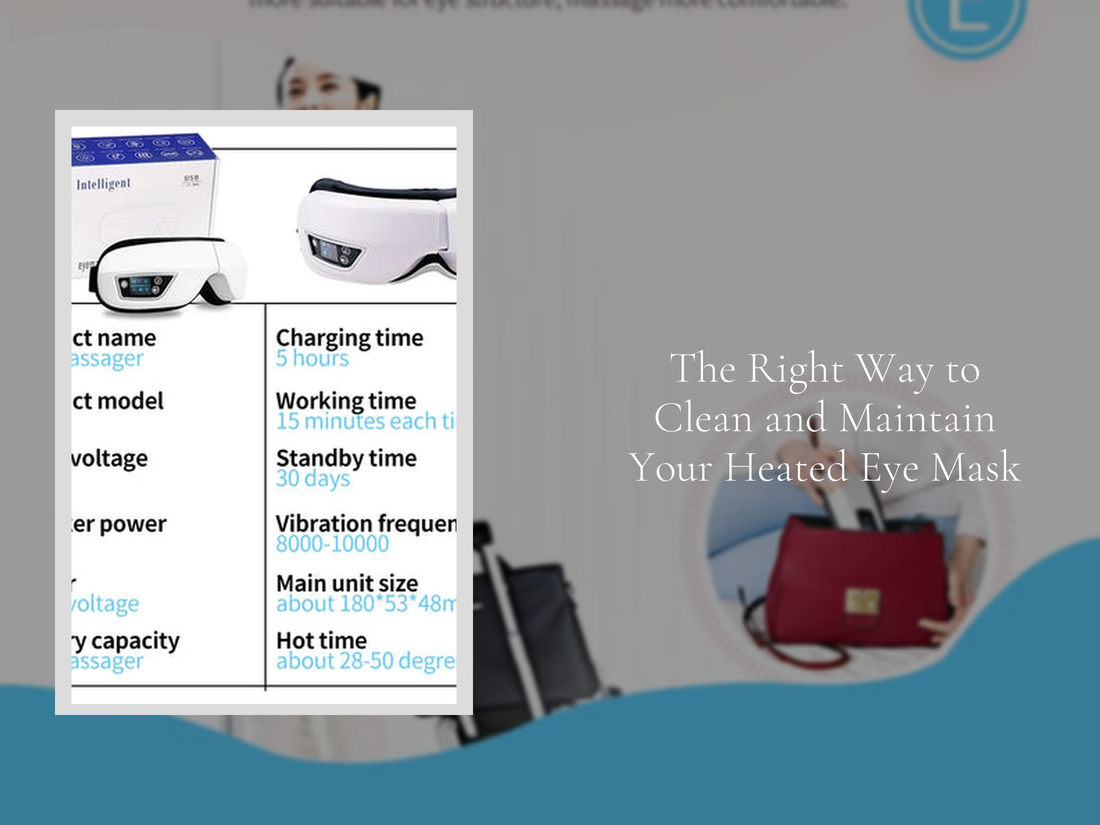
Q:
How do I properly clean and maintain my heated eye mask for long-lasting comfort and hygiene?
A:
Always unplug and let your mask cool before cleaning. Remove detachable covers, spot clean heating areas with a damp cloth, hand-wash fabric covers, and air-dry thoroughly. Regular care preserves the heating elements, prevents odor buildup, and ensures a hygienic, relaxing experience night after night.
The Right Way to Clean and Maintain Your Heated Eye Mask
Using a heated eye mask for sleeping? Learn how to properly clean and care for your rechargeable heated eye mask to extend its life and maintain hygiene. Whether it’s a USB heated eye mask or any heated mask for eyes, these simple tips will keep it fresh, safe, and ultra-relaxing night after night.
Quick Answer: How to Clean a Heated Eye Mask
The safest way to clean a heated eye mask is to unplug it, allow it to cool completely, remove any detachable cover, and gently hand-wash the fabric using mild soap and lukewarm water. The heating element should never be submerged in water—only spot cleaned with a damp cloth.
For best hygiene and long-term performance:
- Unplug and cool the mask before cleaning
- Remove washable covers or inserts
- Spot clean electrical or heating areas
- Hand-wash fabric covers with gentle detergent
- Air-dry completely before reheating
Cleaning methods may vary depending on the type of mask—USB heated masks, microwaveable masks, and gel masks all require slightly different care.
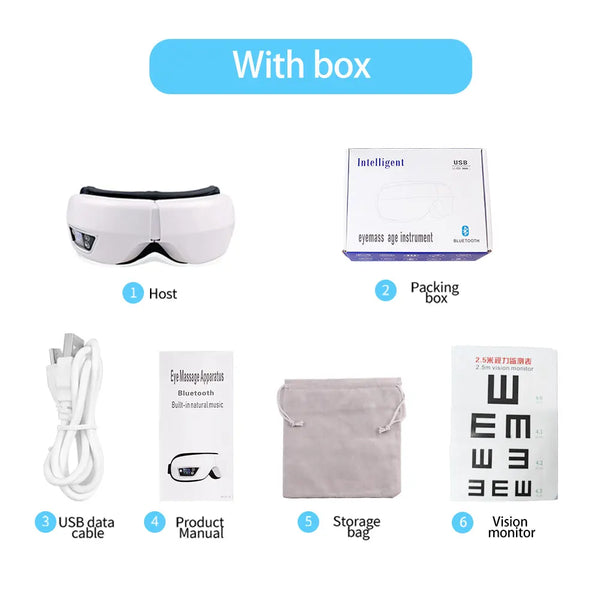
🎥 Watch the KentDO™ Heated Eye Massager in Action
Experience how the KentDO™ Heated Eye Massager soothes tension, relieves dry eyes, and promotes deep relaxation — your perfect companion for daily eye care.
💆♀️ Ready to upgrade your relaxation? Experience deep comfort with the Kentdo Heated Eye Massager — foldable, portable, and designed to relieve eye strain while promoting better sleep.
Why Proper Maintenance of Your Heated Eye Mask Matters
A heated eye mask sits directly against delicate skin around your eyes, which makes regular cleaning essential. Oils from your skin, makeup residue, sweat, and dust can quickly accumulate on the fabric.
If not cleaned regularly, a sleep mask may develop odors, bacteria buildup, or skin irritation. Proper cleaning helps:
- Maintain hygiene and reduce the risk of eye irritation
- Extend the lifespan of the heating element and fabric
- Preserve the mask’s comfort and softness
- Ensure consistent heat therapy performance
Learning how to clean a heated eye mask properly ensures you continue to get safe, soothing relief for dry eyes, eye strain, and better sleep. For deeper guidance on using heat therapy safely, see our step-by-step heated eye mask guide .
First Step — Identify Your Heated Eye Mask Type
Before cleaning your mask, identify which type you have. Different materials and heating methods require slightly different cleaning techniques.
USB or Electric Heated Eye Masks
These masks contain a built-in heating element powered by USB or a controller. Only the removable fabric cover can typically be washed, while the electrical portion must be spot cleaned carefully.
Microwaveable Heated Eye Masks
Microwave masks usually contain flaxseed, beads, or herbal fillings that generate heat after warming. Most should not be soaked or machine washed, but their removable covers can often be hand-washed.
Gel or Bead-Filled Eye Masks
Gel masks are commonly used for both heating and cooling therapy. These masks are usually wiped clean rather than fully washed to prevent damage to the gel insert.
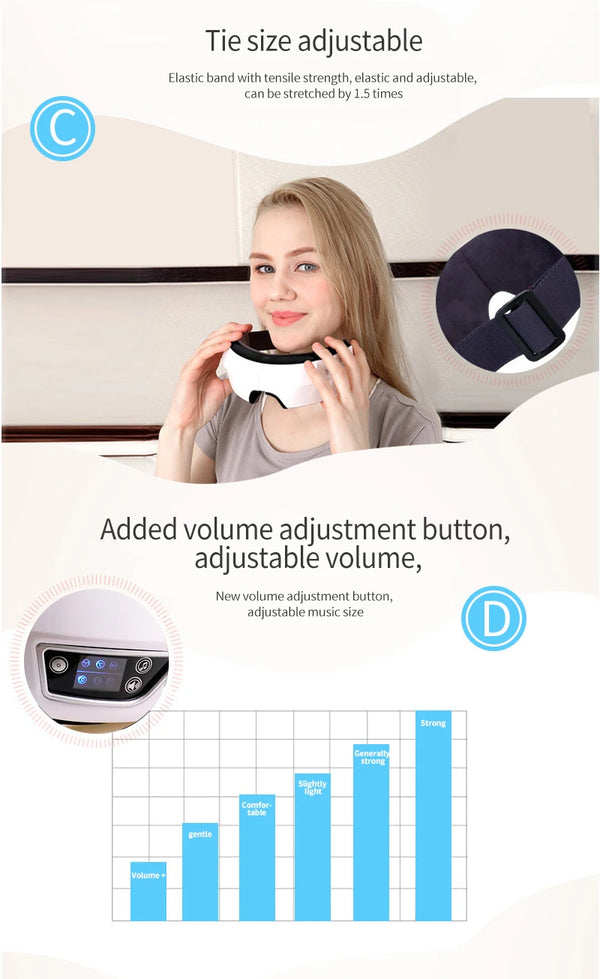
🌙 Give your eyes the comfort they deserve. Discover the Kentdo Foldable Heated Eye Massager — soothing warmth, air compression, and gentle vibration for refreshed eyes anytime, anywhere.
Step-by-Step: How to Clean a Heated Eye Mask Safely
1. Unplug and Let the Mask Cool
Always disconnect your heated eye mask from any power source and allow it to cool completely before cleaning. This prevents electrical damage and protects you from burns.
2. Remove Detachable Covers or Inserts
Many heated masks include removable fabric covers. Take these off before washing so you can clean them separately without affecting the heating element.
3. Spot Clean the Heating Area
If the heating component cannot be removed, gently wipe the surface with a soft cloth dampened with water and a small amount of mild soap. Avoid soaking or submerging the mask.
4. Hand-Wash the Fabric Cover
Use lukewarm water and a gentle detergent to wash the fabric cover by hand. Lightly rub the fabric to remove oils, sweat, or makeup residue.
5. Disinfect When Needed
If your mask develops odor or heavy buildup, use a diluted vinegar solution or a mild antibacterial detergent. Avoid harsh chemicals that could damage delicate fabrics.
6. Air-Dry Completely Before Reuse
Lay the mask or cover flat on a clean towel and allow it to air-dry completely. Never plug in or heat the mask until all components are fully dry.
Can You Wash Eye Masks in a Washing Machine?
Most heated eye masks should not be placed directly in a washing machine because the heating components may be damaged by water and agitation.
However, many masks include removable fabric covers that are machine washable. Always check the manufacturer’s care instructions before washing.
- Machine wash only removable covers
- Use cold or warm gentle cycles
- Avoid bleach or strong detergents
- Air-dry instead of using a dryer
If your mask does not have removable parts, hand-cleaning is the safest method.
How Often Should You Wash an Eye Mask?
Keeping your eye mask clean helps maintain hygiene and ensures a comfortable sleep routine.
- Daily use: Spot clean every 2–3 days and wash covers weekly.
- Occasional use: Clean after every 3–5 uses.
- Shared use: Wash thoroughly between users.
Regular cleaning helps prevent buildup of oil, dust, and makeup that can irritate sensitive eye skin.
How to Remove Makeup, Oil, and Odors From Eye Masks
Removing Makeup Stains
Apply a small amount of mild detergent directly to makeup stains and gently rub the fabric before rinsing with lukewarm water.
Eliminating Oil Buildup
Natural oils from your skin can accumulate on sleep masks. Washing the fabric cover with gentle soap once or twice per week usually prevents buildup.
Fixing Musty or Mildew Smells
If your eye mask develops a musty odor, soak the washable fabric cover in a mixture of water and white vinegar for about 15 minutes before rinsing and air-drying.
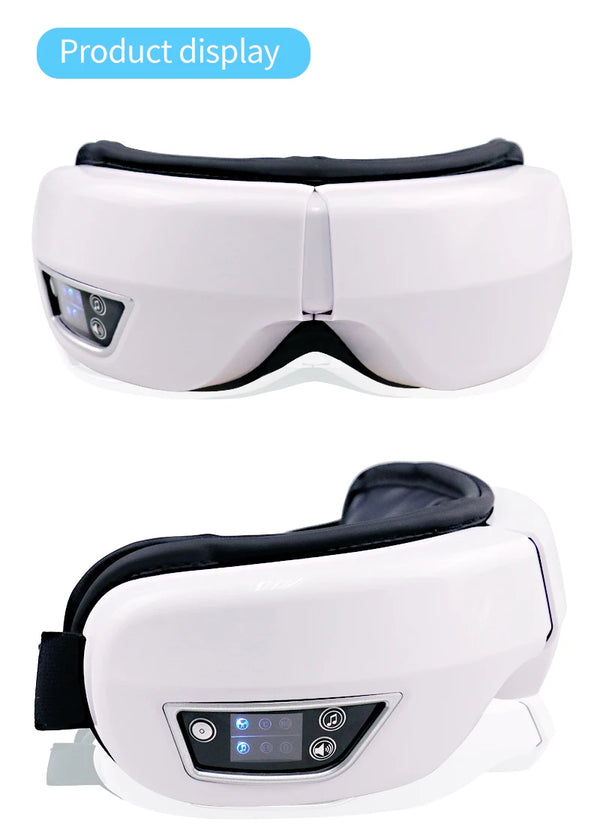
✨ Relax deeper every night with the Kentdo Heated Eye Massager . Designed for comfort, hygiene, and long-lasting eye health — your ultimate self-care upgrade.
Signs It’s Time to Clean or Replace Your Mask
- Unpleasant or persistent odors
- Visible stains or buildup
- Reduced heating effectiveness
- Discomfort or itchiness after use
If your mask shows wear or damage, consider browsing other options in our Eye Care Devices collection.
Additional Maintenance Tips to Extend Lifespan
Proper storage and care can help your heated eye mask last longer and continue providing safe heat therapy.
- Store the mask in a clean, dry place after use
- Avoid folding or bending heating elements
- Keep the mask away from moisture and humidity
- Follow manufacturer heating instructions
- Replace the mask if wires, fabric, or inserts become damaged
Frequently Asked Questions About Cleaning Eye Masks
Can you wash eye masks with heat inserts?
Usually no. Heating inserts should not be submerged in water. Only removable covers should be washed, while the insert is cleaned with a damp cloth.
How do you clean a sleep mask without damaging it?
The safest method is hand-washing with mild soap and lukewarm water, followed by air drying. Avoid machine washing unless the label specifically allows it.
What is the best way to clean a reusable heated eye mask?
The best method is to remove washable components, hand-wash the fabric cover, spot clean the heating area, and allow everything to dry completely before reuse.
How long should a heated eye mask last?
With proper cleaning and care, most heated eye masks can last between one and three years depending on usage and product quality.
👩⚕️ Expert Endorsement: Backed by Eye-Care Professionals
The American Academy of Ophthalmology emphasizes that maintaining clean eye-care devices helps reduce irritation and eyelid inflammation. Regular cleaning prevents bacteria buildup and supports healthier eye hygiene.
💚 Join the KentDO Wellness Community
Over 80,000 customers worldwide trust KentDO for self-care and eye relaxation. Share your routine with #KentDOrelax and connect with others prioritizing wellness and better sleep.
Pillar Article: How to Use a Heated Eye Mask for Dry Eyes: A Step-by-Step Guide
Other Related Articles:
- Using an Eye Massager for Dark Circles: What You Need to Know
- Morning vs. Night: When to Use a Heated Eye Mask for Best Results
- Tips to Maximize Relief from a Heated Eye Massager
- How Often Should You Use an Eye Massager? Dermatologist-Backed Advice
Quick Answer: How to Clean a Heated Eye Mask
To clean a heated eye mask safely, unplug the mask, allow it to cool completely, remove any detachable covers or inserts, and follow the cleaning instructions recommended by the manufacturer. Most heated eye masks should be spot cleaned around electrical components while removable fabric covers can often be hand washed.
6-Step Cleaning Summary
- Disconnect power and allow the mask to cool.
- Remove washable covers and inserts.
- Spot clean non-removable heated sections.
- Wash removable fabric components.
- Air dry all parts completely.
- Reassemble only when fully dry.
Safety Warning Before Cleaning
Never immerse electric heated eye masks in water unless the manufacturer specifically states they are machine washable. Water exposure may damage heating elements and create safety risks.
Check Manufacturer Instructions First
Cleaning requirements vary between USB-heated masks, microwaveable masks, gel masks, and reusable heat therapy masks. Always review the care label before cleaning.
=== Why Proper Maintenance of Your Heated Eye Mask Matters === Purpose: Adds topical depth and strengthens E-E-A-T through safety and hygiene coverage. Placement: Replace current section. HTML Block: HTMLWhy Proper Maintenance of Your Heated Eye Mask Matters
Hygiene and Eye Health Benefits
Eye masks collect skin oils, makeup, sweat, dead skin cells, and environmental debris over time. Regular cleaning helps reduce irritation and supports a more hygienic experience around the sensitive eye area.
Protecting Electrical Components
For electric heated eye masks, proper cleaning prevents moisture damage, connector corrosion, and unnecessary wear on heating elements.
Extending Product Lifespan
Routine maintenance can help preserve fabric quality, maintain heating performance, reduce odors, and extend the usable life of your eye mask.
=== First Step — Identify Your Heated Eye Mask Type === Purpose: Addresses a major content gap where competing pages differentiate cleaning methods by mask type. Placement: Replace existing section. HTML Block: HTMLFirst Step — Identify Your Heated Eye Mask Type
Before cleaning any eye mask, determine which type you own because cleaning methods vary significantly.
USB or Electric Heated Eye Masks
These masks contain electrical wiring, heating pads, or USB-powered components and usually require spot cleaning rather than full immersion.
Microwaveable Heated Eye Masks
Often filled with flaxseed, rice, herbs, or natural materials. Most require surface cleaning only.
Gel or Bead-Filled Eye Masks
Reusable gel packs and bead-filled masks can often tolerate more moisture but should still be cleaned according to manufacturer instructions.
Disposable Heated Eye Masks
Single-use warming eye masks are not designed to be washed or reused after disposal.
=== Step-by-Step: How to Clean a Heated Eye Mask Safely === Purpose: Creates a more comprehensive instructional process than competing articles. Placement: Replace existing section. HTML Block: HTMLStep-by-Step: How to Clean a Heated Eye Mask Safely
Step 1: Unplug and Cool Completely
Disconnect all power sources and allow the mask to cool before handling.
Step 2: Inspect for Damage Before Cleaning
Check for frayed cords, damaged connectors, torn fabric, or exposed heating elements.
Step 3: Remove Covers, Inserts, and Straps
Separate all removable components according to the manufacturer instructions.
Step 4: Clean the Heating Area Safely
Use a slightly damp cloth with mild soap to wipe non-removable heated sections.
Step 5: Wash the Fabric Components
Hand wash removable fabric parts using gentle detergent and lukewarm water.
Step 6: Sanitize When Necessary
For heavy use, sanitize washable fabric sections with approved fabric-safe cleaning methods.
Step 7: Dry Thoroughly Before Reassembly
Allow every component to air dry completely before reconnecting or storing.
Step 8: Test Before Reuse
Inspect the mask after drying and perform a brief functionality check before regular use.
=== Cleaning Instructions by Heated Eye Mask Type === Purpose: Directly targets missing SERP subtopics and captures long-tail searches. Placement: Immediately after the main cleaning process. HTML Block: HTMLCleaning Instructions by Heated Eye Mask Type
How to Clean USB Heated Eye Masks
Disconnect USB cables, wipe external surfaces with a damp cloth, and avoid exposing electrical connectors to water.
How to Clean Electric Eye Masks With Embedded Heating Elements
Spot clean only unless the manufacturer specifically approves machine washing.
How to Clean Microwaveable Eye Masks
Clean the exterior fabric with a lightly damp cloth and avoid soaking natural fillers.
How to Clean Gel Eye Masks
Wash the outer surface with mild soap and water and dry completely before storage.
How to Clean Bead-Filled Eye Masks
Use surface cleaning techniques and prevent moisture from reaching the internal filling material.
=== Preventing Mold, Mildew, and Bacterial Growth === Purpose: Addresses a major unanswered user concern frequently found in support forums and manufacturer documentation. Placement: After odor removal section. HTML Block: HTMLPreventing Mold, Mildew, and Bacterial Growth
Common Causes of Moisture Buildup
Improper drying, humid storage conditions, and repeated use without cleaning can encourage microbial growth.
Safe Storage Practices
Store eye masks in a cool, dry location with adequate airflow. Avoid sealed containers when the mask is not fully dry.
When Mold Makes a Mask Unsafe
If visible mold remains after cleaning or has penetrated internal components, replacement is generally safer than continued use.
=== What to Do If Your Heated Eye Mask Gets Wet === Purpose: Captures an overlooked but highly relevant support query. Placement: After mold prevention section. HTML Block: HTMLWhat to Do If Your Heated Eye Mask Gets Wet
Water Exposure for Electric Masks
Immediately disconnect power, stop using the mask, and allow it to dry completely before inspection.
Water Exposure for Microwaveable Masks
Dry the mask thoroughly and inspect filler materials for clumping, odors, or deterioration.
When Replacement Is Safer Than Reuse
Replace the mask if electrical components malfunction, corrosion appears, or internal materials cannot dry completely.
=== Signs It’s Time to Clean or Replace Your Mask === Purpose: Improves lifecycle coverage and user satisfaction signals. Placement: Replace current section. HTML Block: HTMLSigns It’s Time to Clean or Replace Your Mask
Signs Your Mask Needs Cleaning
- Visible stains
- Makeup buildup
- Unpleasant odors
- Skin irritation after use
Signs Your Mask Needs Replacement
- Torn fabric
- Damaged straps
- Persistent odors
- Worn-out filling materials
Electrical Safety Warning Signs
- Intermittent heating
- Damaged power cables
- Burning smells
- Overheating during use
Additional Maintenance Tips to Extend Lifespan
Proper Storage Between Uses
Store the mask flat in a clean, dry location away from direct sunlight.
Avoiding Heat Damage
Do not expose eye masks to excessive temperatures beyond manufacturer recommendations.
Protecting Cords and Connectors
Avoid tightly wrapping cables or placing heavy objects on power cords.
Travel and Storage Tips
Use a protective pouch to prevent contamination and reduce wear during transport.
=== Frequently Asked Questions About Cleaning Eye Masks === Purpose: Expands long-tail coverage and increases FAQ schema opportunities. Placement: Replace existing FAQ section. HTML Block: HTMLFrequently Asked Questions About Cleaning Eye Masks
Can you machine wash a heated eye mask?
Only if the manufacturer explicitly states that machine washing is safe. Most electric heated eye masks require spot cleaning.
Can mold grow inside an eye mask?
Yes. Moisture, poor ventilation, and incomplete drying can create conditions that encourage mold growth.
What happens if a heated eye mask gets wet?
Water may damage electrical components and create safety concerns. Follow manufacturer guidance before reuse.
How often should you wash an eye mask?
Most reusable eye masks benefit from regular cleaning every one to two weeks, with more frequent cleaning for daily users.
STEP 3 — Final Optimization Notes Internal Link Insertion Points After "Why Proper Maintenance of Your Heated Eye Mask Matters" Link to dry-eye relief article. After "Step-by-Step: How to Clean a Heated Eye Mask Safely" Link to heated eye mask usage guide. After "How Often Should You Wash an Eye Mask?" Link to eye-mask hygiene or eye-care routine article. After "Additional Maintenance Tips to Extend Lifespan" Link to heated eye mask storage or care article. Inside FAQ: Link to troubleshooting guide for heated eye masks. FAQ Schema Placement Place FAQ schema immediately below the FAQ section and above: HTML👩⚕️ Expert Endorsement: Backed by Eye-Care Professionals
This ensures all FAQ answers are visible before schema implementation. Suggested Paragraph Trimming Areas Reduce verbosity in: Expert Endorsement section Real Users, Real Results section Maintenance benefits introduction Existing FAQ answer explanations exceeding 80–100 words Target average paragraph length: 40–70 words Maximum 120 words before introducing bullets Sections to Reduce Fluff 👩⚕️ Expert Endorsement Remove promotional language. Keep evidence-based maintenance guidance. 📸 Real Users, Real Results Use concise testimonials. Remove repetitive emotional storytelling. Why Proper Maintenance Matters Focus on hygiene, safety, lifespan. Eliminate generic wellness claims. Any brand-focused CTA content Remove or significantly minimize. Preserve informational intent alignment. 💚 Join the KentDO Wellness Community Remove entirely to maintain informational SERP alignment and improve topical focus around cleaning heated eye masks. --- REAL PRODUCT RULES - Kentdo Heated Eye Massager (https://kentdohealthybeauty.com/products/kentdo-heated-eye-massager-foldable-eye-care) - Kentdo Foldable Heated Eye Massager (https://kentdohealthybeauty.com/products/kentdo-heated-eye-massager-foldable-eye-care) - Kentdo Heated Eye Massager (https://kentdohealthybeauty.com/products/kentdo-heated-eye-massager-foldable-eye-care) PRODUCT COMPARISON RULES If the article includes: • product comparisons • best product sections • top product lists • recommendation sections Then: 1. Use ONLY real-world products 2. Always include the products listed above 3. Use 3–5 real competitor brands 4. Only the products listed above must be clickable 5. Competitor products should NOT contain links unless already present in the original article 6. Do NOT use placeholders such as: - Model A - Model B - Product 1 IMPORTANT: • Only create a comparison table when it improves the article • Do NOT force a comparison table if not necessary • If a comparison table already exists, improve it • If no comparison is needed, skip table creation --- UPGRADE RULES 1. Preserve ALL existing product links. 2. Preserve ALL image URLs. 3. Preserve affiliate links exactly as they appear. 4. Do NOT remove existing images unless absolutely necessary. 5. Insert new sections from the upgrade plan at the correct locations. 6. Do NOT produce duplicate headings. 7. Maintain clean semantic HTML structure. 8. Preserve ALL internal blog links. 9. If the article contains sections such as: - Related Articles - Related Posts - Pillar Articles - Recommended Reading - You May Also Like - Internal Guides These sections MUST remain in the article. Do NOT remove or rewrite their links. 10. Internal blog link sections should remain near the end of the article, typically before the conclusion or after the FAQ section. 11. If the article already contains internal linking blocks, keep them unchanged to preserve the site's internal SEO structure. --- CONTENT QUALITY IMPROVEMENTS Enhance the article by: • Improving clarity and readability • Adding expert explanations • Expanding sections where competitors are stronger • Improving comparison sections • Adding helpful lists and structured content Ensure the article feels like a **professional expert guide**, not a promotional article. --- SEO OPTIMIZATION Apply the following SEO improvements: • Natural keyword placement • Add semantic variations • Improve heading hierarchy • Add comparison sections where needed • Add FAQ section for PAA queries • Improve internal linking opportunities --- TEMPORAL CONTENT UPDATE If the article text contains the year "2005", update it to the current year "2026". Rules: • Only update the year when it appears in the visible article text • Do NOT modify years that appear inside URLs or links • Do NOT change years that appear in image URLs or file names • Do NOT add a year if the article originally does not mention any year • Preserve all links exactly as they appear Example: Correct:Best beard styles in 2026
Do NOT modify: --- FORMAT REQUIREMENTS Return ONLY clean HTML. Do NOT include explanations. Use proper tags:














📸 Real Users, Real Results