

Are Skin Analyzer Devices Accurate for Oily vs Dry Skin Types?
Quick Answer
Yes, skin analyzer devices can be accurate for both oily and dry skin types—when used correctly and consistently. A quality skin analyzer measures surface hydration and oil levels using bioelectrical impedance or capacitance technology. While not a medical diagnostic tool, it provides reliable trend-based insights that help users adjust skincare routines more precisely.
A skin analyzer device might seem like a gimmick—but it’s actually a game-changer for tracking hydration levels in oily and dry skin alike. Whether you're using a moisture meter for skin or relying on a digital skin moisture meter, understanding your unique moisture level chart can reveal surprising patterns. Even a general moisture meter can show imbalances you never suspected. But are these readings truly accurate—or just clever tech illusions? Let’s unpack the science behind it.
What Is a Skin Analyzer Device?
A skin analyzer device is a handheld electronic tool designed to measure surface-level skin conditions— primarily hydration (moisture) and sebum (oil). Unlike guessing your skin type by touch or appearance, a skin analyzer provides numerical data that helps remove subjectivity from skincare decisions.
Modern skin analyzers are widely used by:
- Dermatology clinics
- Estheticians and skincare professionals
- Beauty retailers
- Home users serious about skincare optimization
At-home devices like digital skin moisture meters have become increasingly popular because they are:
- Affordable
- Portable
- Easy to use
- Non-invasive
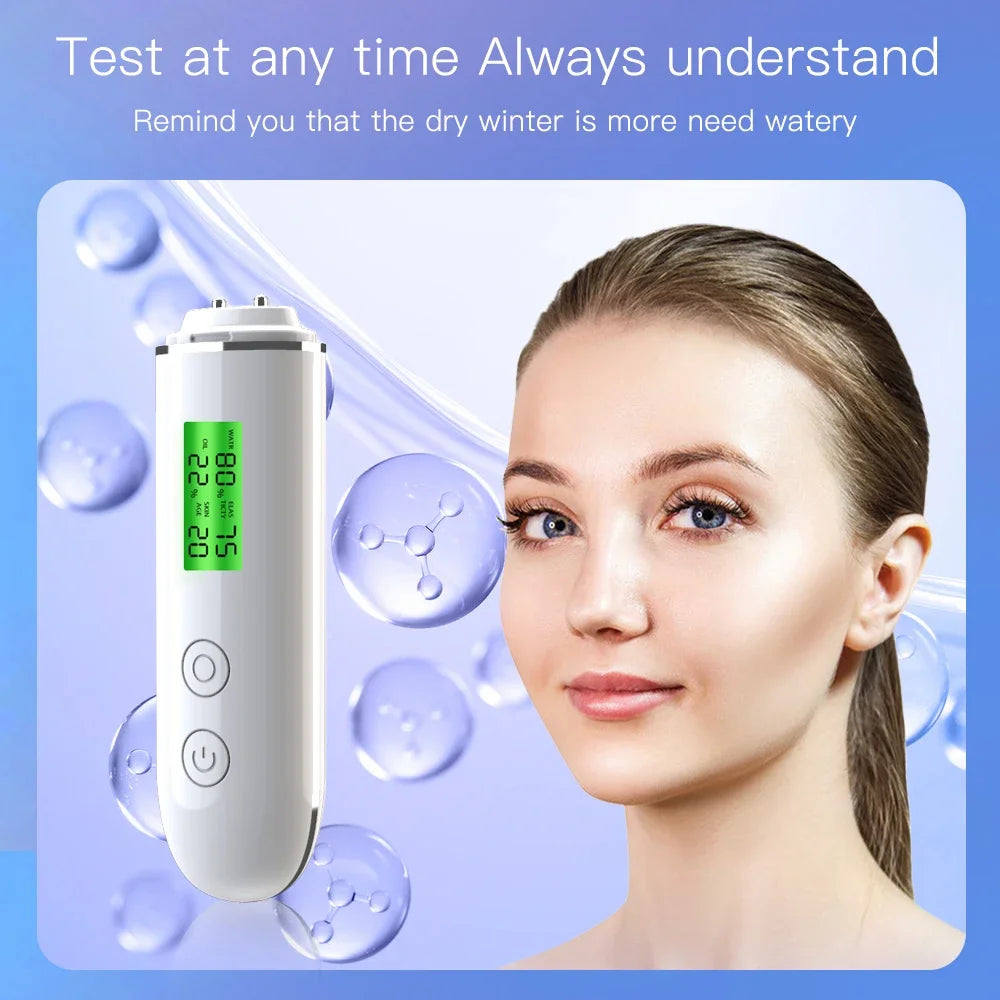
CTA: Want to stop guessing your skin type? Discover the KentDO™ Skin Analyzer here .
How Do Skin Analyzer Devices Work?
Most skin analyzer devices operate using one of two technologies:
1. Bioelectrical Impedance
This method sends a very low, safe electrical current through the skin. Because water conducts electricity better than oil or dry tissue, the device can estimate hydration levels based on resistance.
2. Capacitance Sensing
Capacitance-based meters measure how the skin stores an electrical charge. Higher moisture levels alter the skin’s dielectric constant, which the device converts into a readable value.
These technologies do not measure deep dermal hydration. Instead, they focus on the stratum corneum—the outermost layer of skin, which is exactly where skincare products work.
Oily vs Dry Skin: What’s Really Being Measured?
One of the biggest misconceptions is assuming oily skin equals hydrated skin. In reality, many people with oily skin are severely dehydrated.
Dry Skin
- Low moisture readings
- Higher electrical resistance
- Often feels tight or flaky
Oily Skin
- High sebum production
- Can still show low hydration levels
- Often overproduces oil to compensate for dehydration
A reliable skin analyzer device helps differentiate between:
- Oiliness
- True hydration
- Combination skin imbalances
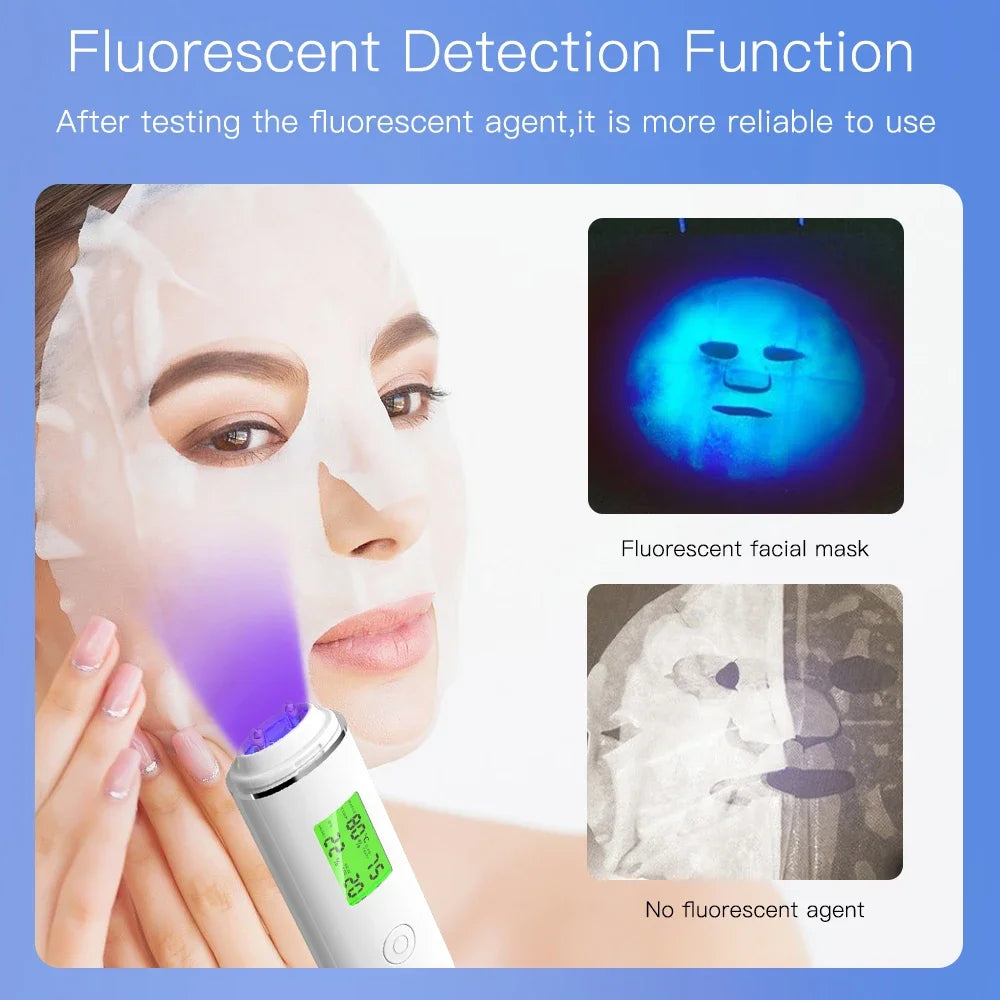
CTA: Track hydration accurately for oily and dry skin with the KentDO™ Digital Skin Moisture Meter .
Are Skin Analyzer Devices Truly Accurate?
The short answer: Yes—within their intended purpose.
Skin analyzers are not diagnostic medical devices, but they are highly effective for:
- Comparing hydration levels over time
- Evaluating product effectiveness
- Identifying dehydration in oily skin
- Preventing over-moisturizing or over-exfoliating
Accuracy improves significantly when readings are taken:
- At the same time of day
- On clean, makeup-free skin
- Before applying skincare products
- Consistently on the same facial area
Common Reasons Readings Feel “Wrong”
If your moisture meter gives unexpected results, it’s usually due to user error—not faulty technology.
- Measuring right after washing your face
- Testing over makeup or sunscreen
- Pressing the probe too hard
- Switching test locations frequently
- Ignoring room humidity and temperature
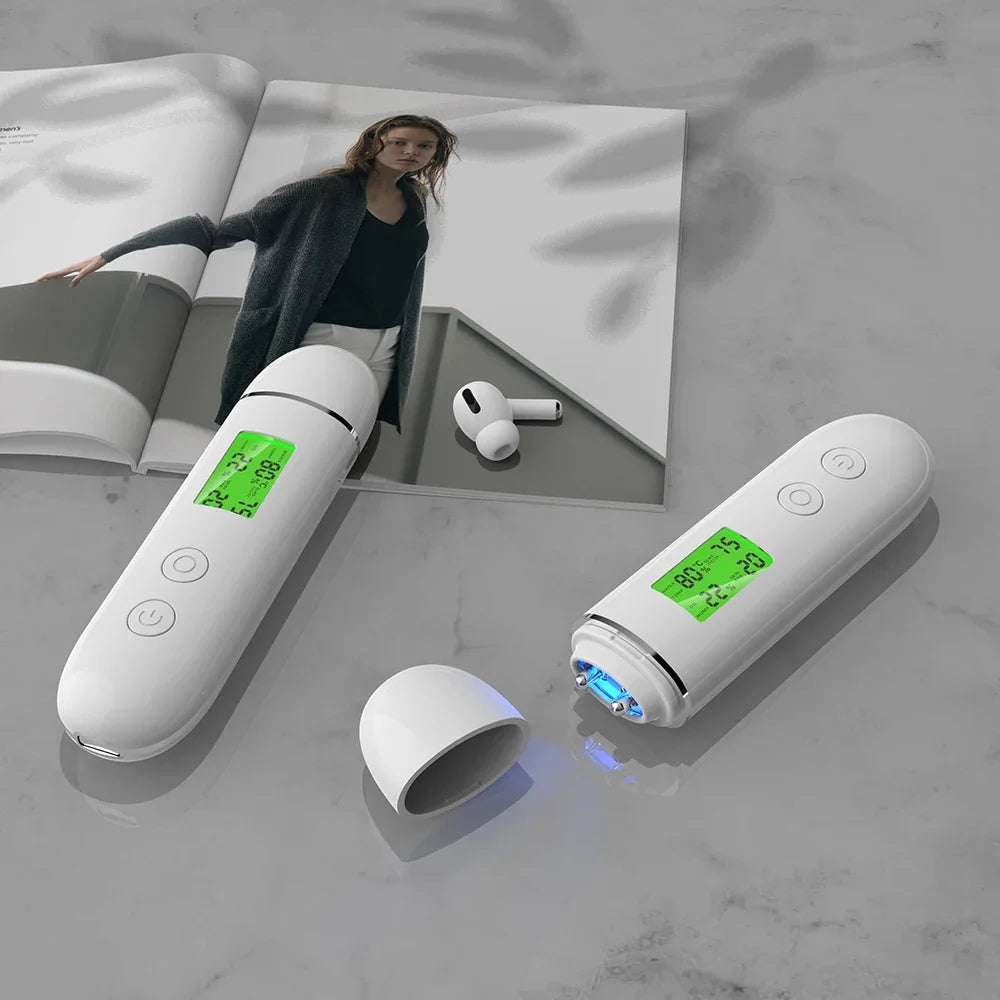
CTA: Ready to build a data-driven skincare routine? Shop the KentDO™ Skin Analyzer now .
Real Benefits of Using a Skin Moisture Meter
Using a digital skin analyzer consistently helps you:
- Choose products based on real data
- Avoid over-stripping oily skin
- Prevent chronic dehydration
- Track seasonal skin changes
- Save money on unnecessary products
Why the KentDO™ Skin Analyzer Stands Out
The KentDO™ Skin Analyzer Moisture & Oil Tester is designed for accuracy, simplicity, and everyday use.
- Instant digital readings
- Clear moisture level chart
- Suitable for oily, dry, and combination skin
- Compact and travel-friendly
- Perfect for home skincare routines
Who Should Use a Skin Analyzer?
A skin analyzer is ideal for:
- Skincare beginners
- Beauty enthusiasts
- People with acne or dehydration issues
- Professionals offering skincare consultations
- Anyone tired of guessing their skin type
How to Use a Skin Analyzer for Best Results
- Cleanse your face and wait 20–30 minutes
- Turn on the device
- Gently place it on the skin
- Hold still for a few seconds
- Record results and compare over time
Frequently Asked Questions
1. Can oily skin still be dehydrated?
Yes. Many people with oily skin have low hydration levels. A skin analyzer helps identify this imbalance accurately.
2. How often should I use a skin analyzer?
2–3 times per week is ideal for tracking trends without over-measuring.
3. Are home skin analyzer devices safe?
Yes. They use extremely low electrical currents and are completely non-invasive.













