Best Face Lifting Device: 10 Best Face Lifting Devices for Firmer, Tighter Skin (2026 Guide)
Face lifting devices aren’t just for salons anymore—they’re transforming at-home skincare routines. Whether you’re searching for the best face tightening device, a skin tight sculpting tool, or a powerful facial tightening machine, today’s beauty technology makes it possible to improve skin firmness and facial contours from home. Many modern devices combine microcurrent, RF skin tightening, EMS stimulation, and LED therapy to help support collagen production and deliver visible firming benefits.
Curious which device actually delivers results without needles, downtime, or expensive clinic visits? In this expert guide, we compare the most effective face lifting devices available in 2026, explain how the technologies work, and help you choose the right option for your skin concerns and budget.
Tags: face lifting devices, best face tightening device, skin tight sculpting tool, facial tightening machine, facial tightening procedures, anti-aging tools, home use devices, firming skincare, non-surgical facelift, skin rejuvenation
⏱ 7 min read
Quick Verdict: Best Face Lifting Devices at a Glance
If you're looking for the best face lifting device, these are the strongest options based on lifting performance, technology, ease of use, treatment time, and overall value.
- Best Overall: KentDO 3-in-1 RF EMS Face Roller
- Best RF Skin Tightening Device: Tripollar STOP VX Gold
- Best Microcurrent Device: NuFACE Trinity Pro
- Best for Sagging Jowls: KentDO 3-in-1 RF EMS Face Roller
- Best Budget Face Lift Device: EMS Sculpting Device Category
Continue reading for detailed reviews, technology comparisons, and guidance on choosing the best facial lifting device for your skin concerns.

See it in action: This face lifting device uses EMS & RF for visible lift
What Are Face Lifting Devices?
A face lifting device is an at-home beauty tool designed to improve skin firmness, facial contours, and overall skin tightness. Depending on the technology used, these devices can stimulate facial muscles, improve circulation, encourage collagen production, or temporarily tighten skin.
Today's best face lifting devices commonly use radio frequency (RF), microcurrent, EMS, LED light therapy, or a combination of technologies to target sagging skin, reduced elasticity, and age-related volume loss.
How At-Home Face Lift Devices Work
Most facial lifting devices work by stimulating deeper skin layers or facial muscles. The goal is to create a firmer appearance while supporting collagen and elastin production over time.
- Microcurrent stimulates facial muscles.
- RF heats tissue to encourage collagen remodeling.
- EMS activates muscle contractions.
- LED supports skin health and recovery.
Types of Face Lifting Technologies
Understanding the technology behind a device is one of the most important factors when choosing the best facial lifting device for your needs.
- Microcurrent: Focuses on facial muscle toning and contouring.
- Radio Frequency: Supports collagen production and skin tightening.
- EMS: Provides stronger muscle stimulation for sculpting.
- LED Therapy: Complements lifting treatments and promotes skin rejuvenation.
Best Face Lifting Devices in 2026: Top Picks Compared
Comparison Table of the Best Face Lifting Devices
| Device | Technology | Key Benefit | Ideal For | Price Range |
|---|---|---|---|---|
| KentDO 3-in-1 RF EMS Roller | RF + EMS + Red LED | Lift, tone, firm skin | Jowls, mature skin, facial contouring | Mid-range |
| NuFACE Trinity Pro | Microcurrent | Lift & sculpt | Jawline, cheeks, forehead | Premium |
| ZIIP Halo | Nanocurrent | Glow + tighten | Younger skin, mild sagging | Premium |
| Tripollar STOP VX Gold | RF | Skin tightening | Loose skin and wrinkles | Premium |
| FOREO BEAR | Microcurrent | Facial toning | Preventative anti-aging | Premium |
How We Tested and Evaluated These Devices
To identify the best face lifting devices, products were evaluated using the following criteria:
- Lifting and firming effectiveness.
- Technology quality and innovation.
- Ease of use and treatment time.
- Comfort during treatments.
- Safety features.
- Value for money.
- User satisfaction and consistency of results.
Devices that combined multiple technologies, required minimal maintenance, and delivered visible improvements in skin firmness received higher rankings.

See the best face tightening device in action — customer favorite in 2026
KentDO 3-in-1 RF EMS Face Roller Review
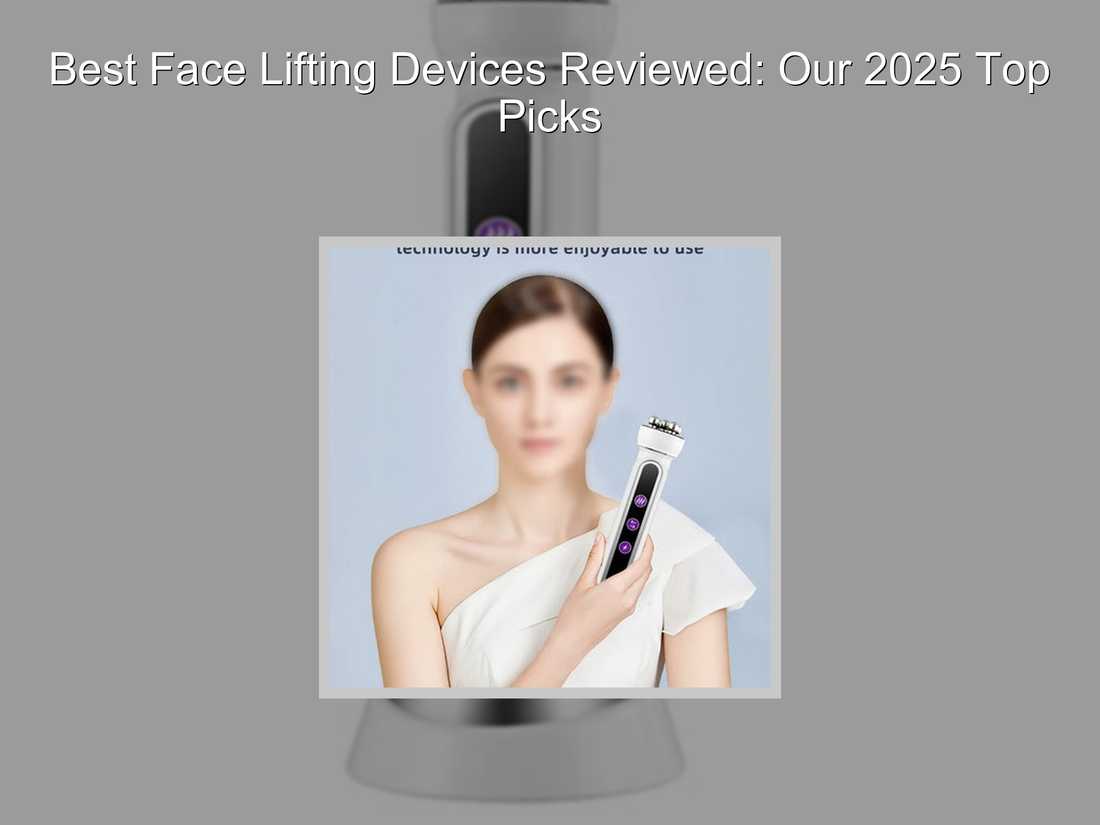
The KentDO 3-in-1 Face Lifting Device is a standout for 2026. It combines radio frequency (RF), electrical muscle stimulation (EMS), and red LED therapy in a sleek, easy-to-use roller designed for home use.
Why the KentDO Device Stands Out
The KentDO device stands out among face lifting devices due to its 3-in-1 technology that targets collagen support, muscle stimulation, and skin rejuvenation simultaneously.
- 3-in-1 RF, EMS, and red light for multi-depth stimulation
- Visible lift in jawline and cheeks in 2–4 weeks
- Gentle rolling design — no tugging or pulling
- Rechargeable, portable, and pain-free
- Suitable for beginners and experienced skincare users
Other Top Face Lifting Devices Worth Considering
Best Microcurrent Face Lifting Device
NuFACE Trinity Pro remains one of the most recognized microcurrent devices for lifting facial muscles and enhancing contour definition with consistent use.
Best RF Skin Tightening Device
Tripollar STOP VX Gold is designed specifically for radio frequency treatments that support collagen remodeling and gradual skin tightening.
Best Budget Face Tightening Device
Entry-level EMS facial sculpting devices can provide muscle stimulation and circulation benefits at a more affordable price point.
Best Device for Sagging Jowls
Combination RF and EMS devices often produce the most noticeable improvements for jawline definition and jowl appearance.
Best Device for Mature Skin
Mature skin often benefits most from radio frequency technology because collagen support becomes increasingly important with age.
Best Device for Face Sculpting
Microcurrent devices are often preferred for facial sculpting because they focus on muscle toning and contour enhancement.
Face Lifting Technology Comparison
Microcurrent Technology
Microcurrent devices use low-level electrical currents to stimulate facial muscles. They are popular for temporary lifting effects, facial contouring, and maintenance treatments.
Radio Frequency (RF)
RF devices generate controlled heat beneath the skin surface to stimulate collagen production and improve skin firmness over time.
EMS Technology
Electrical Muscle Stimulation targets facial muscles with stronger contractions than traditional microcurrent devices, helping improve tone and definition.
LED Light Therapy
LED technology supports skin rejuvenation and may complement lifting treatments by improving overall skin quality and appearance.
Which Technology Works Best for Your Goals?
- Jowls and sagging skin: RF + EMS
- Facial contouring: Microcurrent
- Mature skin: RF
- Preventative anti-aging: Microcurrent + LED
- Overall skin tightening: RF devices
Do Face Lifting Devices Actually Work?
Yes, many at-home face lifting devices can produce visible improvements in skin firmness and facial definition when used consistently. However, results vary based on the technology used, age, skin condition, and treatment frequency.
What Clinical Studies Show
Research on radio frequency and microcurrent technologies suggests improvements in skin elasticity, collagen production, and facial contouring when treatments are performed regularly.
What Dermatologists Say
Most dermatologists view at-home devices as supportive tools rather than replacements for cosmetic procedures. Consistent use generally produces better outcomes than occasional treatments.
Expected Results Timeline
- Immediate: Temporary tightening and improved circulation.
- 4–6 weeks: Visible firmness improvements.
- 8–12 weeks: More noticeable contouring and tightening.
- 3–6 months: Cumulative collagen-support benefits.
Realistic Expectations vs Marketing Claims
Even the best at-home face lifting device will not replicate surgical facelift results. The goal is gradual firming, contour improvement, and maintenance of youthful skin quality.
Who Should Use a Face Lifting Device?
Face lifting devices are best suited for people experiencing mild to moderate skin laxity who want non-invasive improvements at home.
Early Signs of Skin Laxity
Users noticing mild facial sagging may benefit from preventative collagen-support treatments.
Sagging Jawline and Jowls
RF and EMS devices are commonly chosen for jawline definition and jowl improvement.
Mature Skin Concerns
Users experiencing age-related collagen loss often prefer radio frequency skin tightening devices.
Preventative Anti-Aging Users
Younger users may use facial lifting devices to support skin firmness before significant sagging develops.
Pros & Cons Comparison of At-Home Face Lifting Devices
-
Pros:
- Non-invasive treatments.
- No recovery time.
- More affordable than professional procedures.
- Convenient home use.
- Can improve skin firmness with consistent use.
-
Cons:
- Require ongoing maintenance.
- Results develop gradually.
- Less dramatic than professional treatments.
- Effectiveness varies by device quality.
| Feature | KentDO | NuFACE | ZIIP |
|---|---|---|---|
| Technology | RF + EMS + LED | Microcurrent | Nanocurrent |
| Multi-Zone Coverage | ✔️ | ✔️ | ✔️ |
| Visible Lift Time | 2–4 weeks | 4–6 weeks | 3–5 weeks |
| Price | $$ | $$$ | $$$ |
| Ease of Use | ★★★★★ | ★★★★ | ★★★★ |
How to Choose the Best Face Lifting Device
Choose Based on Skin Concern
Identify whether your primary concern is sagging skin, loss of facial definition, wrinkles, puffiness, or overall skin laxity.
- Sagging jowls: RF or EMS devices
- Fine lines: Microcurrent devices
- Loose skin: RF technology
- Puffiness: Massage-based lifting tools
Choose Based on Technology
Microcurrent focuses on muscle toning, RF focuses on collagen stimulation, and EMS focuses on muscle activation. Combination devices often provide the broadest benefits.
Choose Based on Treatment Time
Some devices require only 5–10 minutes per session, while others recommend longer treatment schedules. Choose a routine you can realistically maintain.
Choose Based on Budget
Budget face lifting devices typically cost between $40 and $100, while premium home devices often range from $200 to $600 depending on features and technology.
Choose Based on Maintenance Costs
Consider whether the device requires conductive gels, replacement heads, app subscriptions, or other ongoing expenses.
Real User Results & Before-and-After Expectations
Typical Results After 4 Weeks
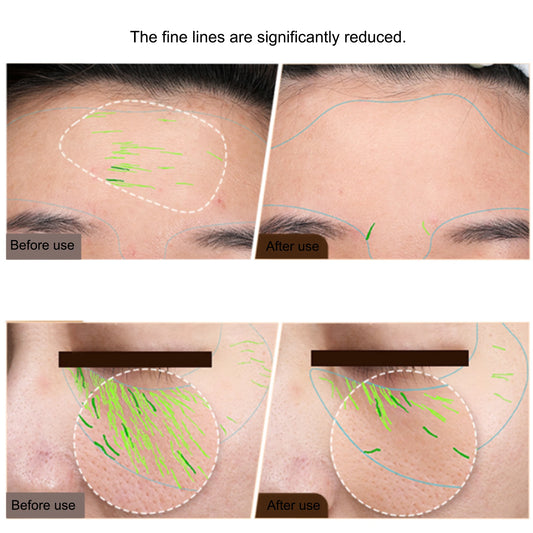
Many users report improved skin firmness, reduced puffiness, and better facial definition after one month of consistent treatments.
Typical Results After 8–12 Weeks
Longer-term use may result in more noticeable contour improvements, smoother skin texture, and enhanced skin elasticity.
Factors That Affect Results
- Age and collagen levels
- Consistency of device use
- Technology type
- Overall skincare routine
- Sun protection habits
Thousands of users report a firmer jawline, plumper cheeks, and less puffiness after 3–4 weeks of using the KentDO 3-in-1 Face Roller.
- “It feels like a mini facelift at home!” — Julia P., 57
- “My sagging cheeks are visibly lifted — even my husband noticed.” — Monica L., 63
- “No more salon appointments. I’ve saved hundreds.” — Grace T., 49

Want results like this? Start your at-home firming journey today
How to Use a Face Lifting Device Correctly
Step-by-Step Face Sculpting Routine
- Cleanse and dry your face thoroughly.
- Apply a conductive or firming gel.
- Turn on the device and select your desired mode.
- Glide the roller upward across cheeks, jawline, and forehead.
- Spend around 5 minutes per side of the face.
- Finish with moisturizer or serum.
Common Mistakes That Reduce Results
- Using the device inconsistently
- Skipping conductive gel when required
- Applying too much pressure during treatment
- Expecting instant results without regular use
For a complete skin transformation, pair your lifting routine with devices from our Skin and Beauty Care Devices collection.
At-Home Face Lifting Devices vs Professional Treatments
Professional treatments like RF microneedling, Ultherapy, and thread lifts deliver deeper structural tightening. However, at-home face lifting devices provide a more affordable and convenient option for maintaining skin firmness between professional treatments.
RF Devices vs Ultherapy
RF devices stimulate collagen gradually over time, while Ultherapy uses focused ultrasound to target deeper tissue layers during a clinical treatment.
RF Devices vs Thread Lifts
Thread lifts provide immediate lifting effects but involve an invasive procedure, whereas home RF devices offer gradual improvements without downtime.
RF Devices vs In-Office RF Treatments
Professional RF treatments generally use higher energy levels, but home devices provide greater convenience and lower long-term costs.
Which Option Offers the Best Value?
For many users with mild to moderate skin laxity, at-home devices offer the best balance of affordability, convenience, and ongoing maintenance benefits.
| Feature | Home Device | Professional Procedure |
|---|---|---|
| Cost | $100–$300 | $1,500–$5,000+ |
| Invasiveness | Non-invasive | Minimally invasive |
| Results | Visible in 2–4 weeks | 1–2 sessions, longer results |
| Downtime | None | 2–5 days |
Safety Considerations for Home Face Lifting Devices
Most home face lifting devices are safe when used according to manufacturer instructions. However, certain precautions should be taken to avoid irritation or injury.
Who Should Avoid Skin Tightening Devices
- People with pacemakers or implanted medical devices
- Pregnant individuals
- Users with severe skin conditions or active infections
How to Prevent Skin Irritation
- Always start with the lowest intensity level
- Use conductive gel if required
- Avoid using the device on broken or irritated skin
- Follow the recommended treatment schedule
Frequently Asked Questions
What is the best face lifting device?
For users seeking a combination of lifting, firming, and skin rejuvenation, RF and EMS combination devices are among the most versatile options available.
What is the best at-home face lifting device?
Many users prefer combination devices that include RF, EMS, and LED therapy because they target multiple aspects of skin aging simultaneously.
What is the best skin tightening device?
Radio frequency devices are widely regarded as the leading technology for supporting collagen production and improving skin firmness.
Which device works best for sagging jowls?
RF and EMS combination devices tend to deliver the most noticeable improvements in jawline definition and facial contouring.
How long does it take to see results?
Most users begin noticing subtle improvements within 2–4 weeks, with more visible results appearing after 8–12 weeks of consistent use.
Are RF or microcurrent devices better?
RF is generally better for skin tightening and collagen support, while microcurrent is often preferred for muscle toning and facial sculpting.
Can face lifting devices replace a facelift?
No. Home devices can improve firmness and facial definition but cannot replicate the results of surgical facelift procedures.
Are face lifting devices safe for sensitive skin?
Yes, many modern devices include adjustable intensity settings suitable for sensitive skin. Always perform a patch test and follow manufacturer recommendations.
Related Articles:
Pillar Articles: