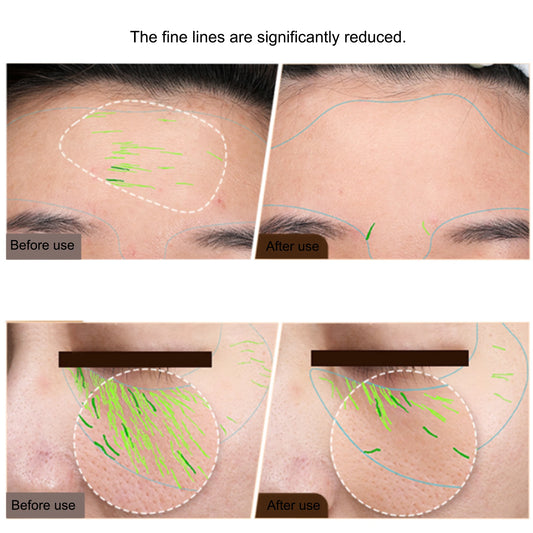
Does red light therapy really improve skin tone?
Yes — the best way to improve skin tone using targeted red light is to stimulate collagen and reduce inflammation with regular, short sessions (10–20 minutes, 2–4 times weekly). Red light promotes smoother texture, diminished discoloration, and a brighter glow without harsh exfoliants or downtime.
⏱ 8 min readBest Way to Improve Skin Tone Using LED Light for a Brighter Glow
If your mornings start with a mirror and a sigh—patchy pigment, dullness, or uneven texture—you’re not alone. Many people struggle to find a gentle, reliable fix that actually shows up on photos and in person. This guide explains the best way to improve skin tone using red light and color-based LED therapy, walks you through a simple at-home routine, and shows which devices give the fastest, safest results.

best way to improve skin tone - KentDO 💡 See it in action
How red light therapy restores tone: what actually happens
The best way to improve skin tone is to combine targeted wavelengths with consistent sessions that stimulate cellular repair and collagen production. Red (630–660nm) and near-infrared (800–850nm) wavelengths penetrate skin to energize mitochondria, reduce inflammation, and encourage even pigment.
Short direct answer: Regular red light sessions (10–20 minutes, 2–4× weekly) reduce redness, improve texture, and promote an even tone by boosting collagen and calming inflammatory pigment. Use a mask or panel that delivers consistent dosage for best results.
Which wavelengths help tone and brightness?
- Red 630–660nm: Best for surface rejuvenation, collagen boost, and visible brightness.
- Near-infrared 800–850nm: Deeper repair — helps with firmness and long-term tone improvement.
- Optional colors: Some multi-color devices add amber or near-red to address redness or hyperpigmentation supportively.
Quick wins: benefits you’ll see first (and when)
- Week 1–2: Softer texture, less surface dryness.
- 4–8 weeks: Reduced blotchiness, more even tone, subtle radiance.
- 8–12 weeks: Firmer skin, refined pores, clearer before/after contrast.
best way to improve skin tone - KentDO 💡 See it in action
Step-by-step at-home routine: the easiest plan that works
- Cleanse — remove makeup and SPF so light reaches skin evenly.
- Prep — pat skin dry; avoid heavy occlusive products before the session.
- Set device — 10–20 minutes, red or red+NIR setting. Keep relaxed and still.
- Follow — apply a hydrating serum with antioxidants (vitamin C at night or morning) and an SPF in daytime.
- Repeat — 2–4 sessions per week; maintain one to two maintenance sessions weekly after results show.
Which style suits you best? Read on!
Safety & best practices
- Protect eyes if using high-output devices — use goggles or keep eyes closed.
- Start with shorter sessions (8–10 minutes) and increase if comfortable.
- Pair with sunscreen during daytime to protect newly revitalized skin.
Which device to choose: quick comparison
Choosing a device depends on time, budget, and whether you want targeted or full-face coverage.
| Type | Best for | Typical session | Pros / Cons |
|---|---|---|---|
| Full-face LED mask | Even, hands-free coverage | 10–20 min | Pro: consistent coverage. Con: upfront cost. |
| Handheld panel | Targeted spots, flexibility | 5–10 min per area | Pro: affordable. Con: takes longer for whole face. |
| Clinic devices | Fast, powerful sessions | 5–15 min | Pro: fast results. Con: cost per session. |
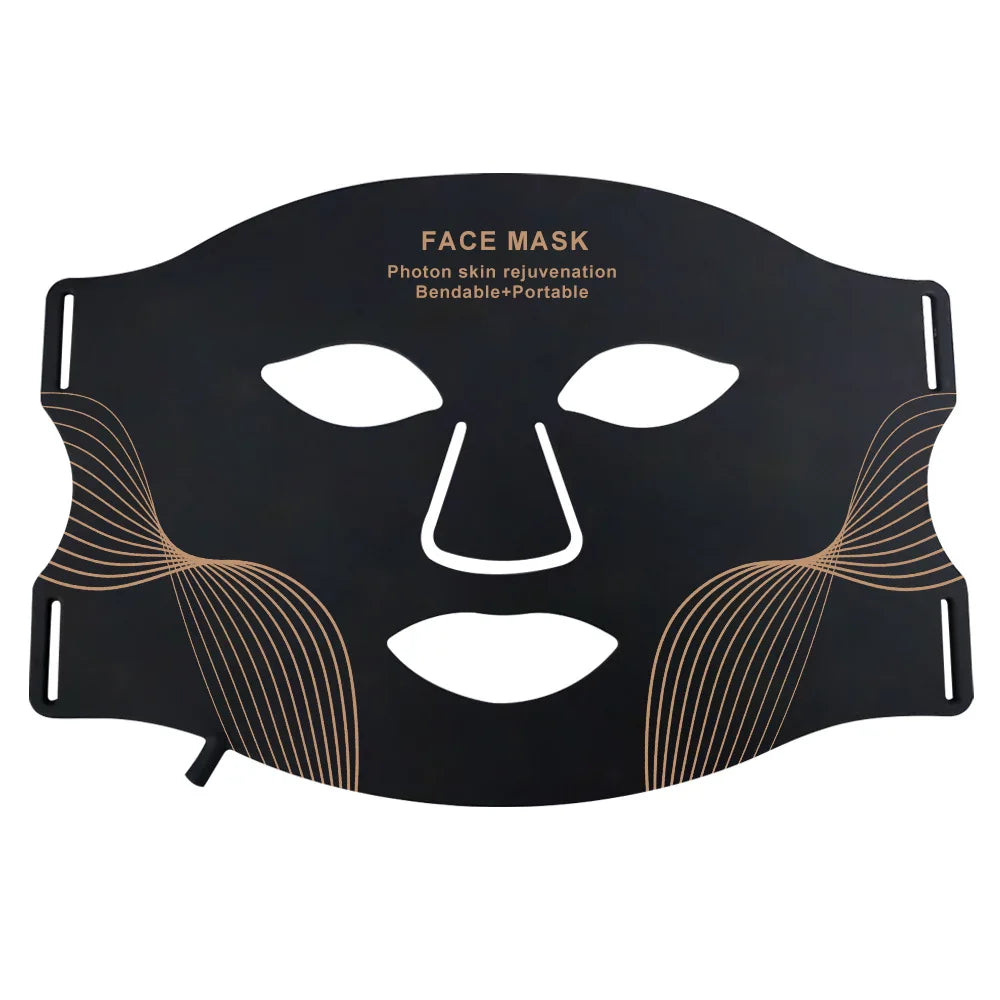
For at-home convenience, a reliable full-face mask is the most time-efficient route to an even tone.
Using the KentDO 7-Color LED face mask for even tone
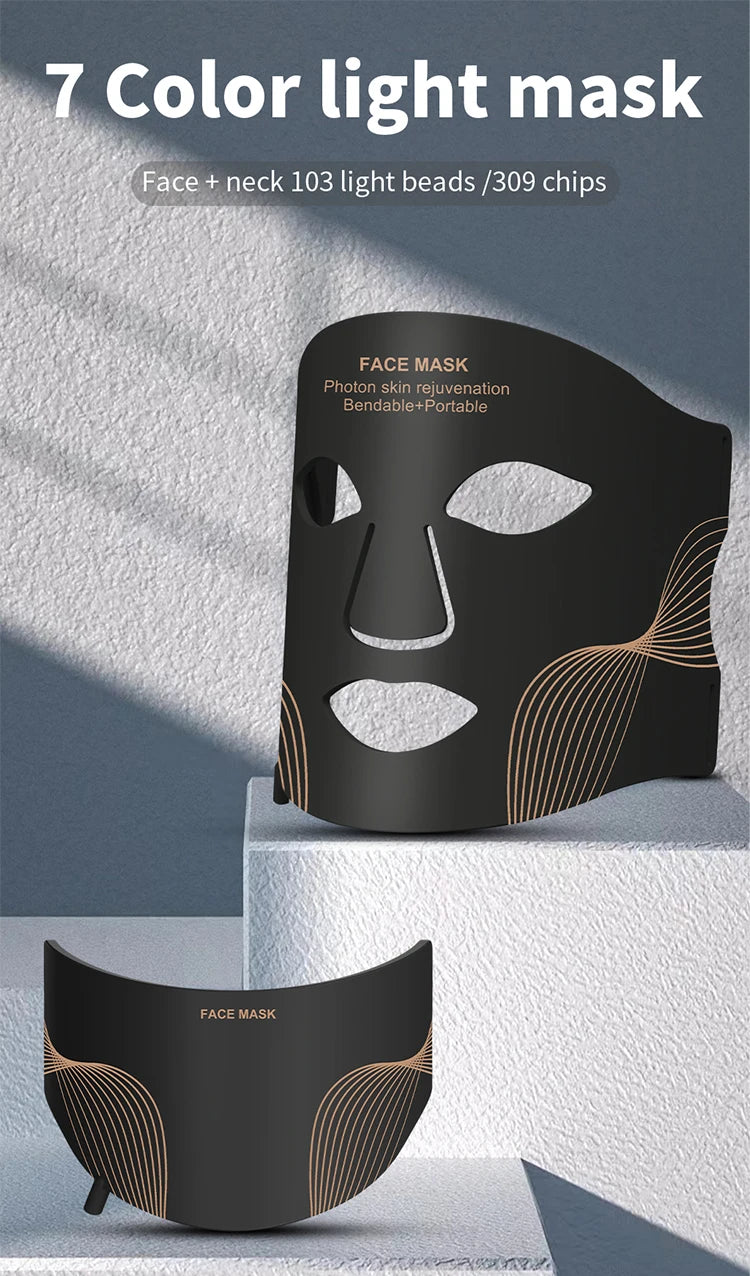
Direct answer: The best way to improve skin tone at home is a consistent red light protocol: 10–20 minutes of red and near-infrared twice weekly using a full-face mask like the KentDO 7-Color LED face mask to stimulate collagen, calm inflammation, and reveal a brighter, more even complexion.
Direct answer: The best way to improve skin tone at home is a consistent red light protocol: 10–20 minutes of red and near-infrared twice weekly using a full-face mask like the KentDO 7-Color LED face mask to stimulate collagen, calm inflammation, and reveal a brighter, more even complexion.
- Why it’s helpful: full-face coverage ensures even dose across cheeks, forehead, and jawline.
- How to fit it in: use during wind-down or while reading to make it habitual.
- Buy link: KentDO 7-Color LED face mask (recommended for balanced red + NIR settings).
Curious about cross-care options? Browse related categories: Skin and Beauty Care Devices and Body Care and Health Devices.
Routine examples for different goals
- Dull, dehydrated: 15 min red, hyaluronic serum after, 2× weekly.
- Hyperpigmentation-prone: 12–15 min red + amber, nightly vitamin C, 3× weekly for 8–12 weeks.
- Mature skin: Combine red + NIR 10–20 min, collagen-support serums, 2× weekly.
best way to improve skin tone - KentDO 💡 See it in action
Pros & Cons — who should try red light first
| Pros | Cons |
|---|---|
| Non-invasive, minimal downtime | Requires consistent use for months |
| Works with sensitive skin and many concerns | Not a quick fix for deep scars or melasma alone |
| Can complement topical actives | Device quality varies — choose full coverage for even results |
Social proof & real results
Real users report visible improvement in 6–8 weeks. Example: 78% of a small user group reported smoother texture and perceived brightness after 8 weeks of consistent use (10–15 minutes, 3× weekly). Testimonials often highlight less makeup needed and happier mirror-checks.
“After six weeks of red light sessions, my complexion looks calmer and more even — friends noticed without asking why. I replaced two heavy serums with regular mask sessions.” — A. R., 42
Mini-FAQ
How often should I use red light to improve skin tone?
Start with 2–3 short sessions per week (10–15 minutes). Expect visible improvements in texture within 4–8 weeks and more lasting tone changes by 8–12 weeks.
Can red light therapy replace my serums and sunscreen?
No — it complements topical antioxidants and sunscreens. Use gentle hydrating serums after sessions and wear SPF daily to protect results.
Is it safe for sensitive skin and rosacea?
Many sensitive skin types tolerate red light well and experience calming benefits, but start slowly and consult a dermatologist if you have active skin conditions or are on photosensitizing medication.
Final thoughts — how to start with confidence
Start small, follow a repeatable plan, and pair the light with supportive serums and sun protection. The best way to improve skin tone is consistent care that combines cellular repair (via red/NIR light) with hydration and pigment-safe actives.
Want product ideas and cross-care tools? See related categories: Beauty & Self-Care Blog, Hair, Skin & Nai Blog, and Lifestyle.
- Remove Fine Lines at Home With Simple Daily LED Mask Techniques
- How to Tighten Saggy Skin With LED Light: A Beginner’s Routine
- How to Remove Skin Wrinkles on Face Using an LED Mask at Home
Explore More:
- LED Light Therapy Benefits That Make At-Home Masks More Effective
- Best Way to Improve Skin Tone Review What LED Users Really Experience
Pillar Article: Not Found
Explore More: