Best Nail Drill Reviews: 10 Electric Nail Drills Tested for Gel, Acrylic & Home Use (2026)
⏱ 12 min read
These nail drill reviews are based on hands-on evaluation criteria including RPM consistency, torque retention, vibration control, heat generation, ergonomics, bit compatibility, and long-term usability. Whether you're removing gel polish, reducing acrylic overlays, or maintaining natural nails at home, choosing the right electric nail drill can dramatically improve both safety and results.
- 10 nail drills evaluated across gel, acrylic, and natural nail tasks
- RPM stability measured under load
- Heat and vibration monitored during extended sessions
- Standard 3/32-inch bit compatibility verified
- Battery runtime and portability assessed for cordless models
Nail Drill Reviews: Quick Comparison Table
If you're comparing electric nail drill reviews before buying, start here. This quick overview highlights the most important differences between the top-performing nail drills we tested.
- Best Overall: KentDO Electric Nail Drill Pen
- Best for Beginners: MelodySusie Scamander
- Best for Gel Removal: KentDO Drill Pen
- Best for Acrylic Nails: Kiara Sky Beyond Pro
- Best Professional Nail Drill: Medicool Pro Power 35K
- Best Budget Nail Drill: MelodySusie Scarlet
- Best Rechargeable Model: KentDO Electric Nail Drill Pen
- Quietest Nail Drill: Makartt JD700
Our rankings are based on RPM consistency, torque performance, vibration levels, heat generation, bit compatibility, portability, and overall value.
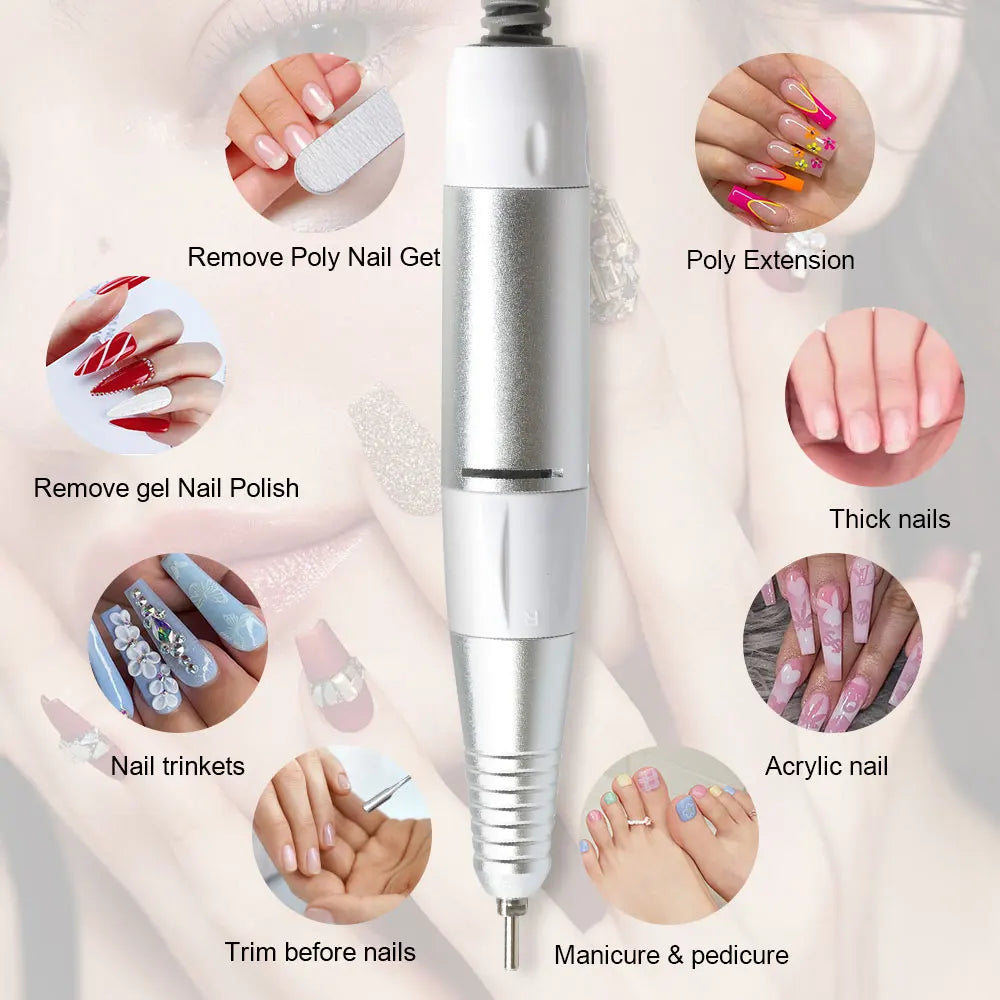
Discover how to choose the right nail drill before you buy.
Which Nail Drill Is Best for Your Needs?
The best nail drill depends on how you use it. A beginner removing gel polish occasionally needs very different performance than a nail technician removing acrylic enhancements all day.
Best Nail Drill for Beginners
Look for low vibration, adjustable speed controls, lightweight handpieces, and forgiving torque output. Beginner-friendly drills should allow precise control without feeling overly aggressive on natural nails.
Best Nail Drill for Gel Polish Removal
Gel removal requires stable RPM delivery and efficient carbide or ceramic bit compatibility. Models that maintain speed under pressure reduce removal time and improve consistency.
Best Nail Drill for Acrylic Nails
Acrylic work demands stronger torque than basic gel removal. Professional-grade motors maintain cutting power without excessive heat generation.
Best Portable Rechargeable Nail Drill
Rechargeable drills prioritize convenience, mobility, and battery life. The best units balance portability with enough torque for real-world salon and home use.
Best Quiet Nail Drill
Noise and vibration significantly affect comfort. Premium handpieces often operate more smoothly and quietly than budget alternatives.
Best Professional Nail Drill
For heavy daily use, prioritize motor durability, long operating hours, low heat generation, and consistent RPM output under continuous workloads.
How We Tested These Electric Nail Drills
To create reliable nail drill reviews, we evaluated each model using practical manicure and enhancement-removal tasks rather than relying solely on manufacturer specifications.
Motor Torque & RPM Stability Testing
We monitored speed consistency during gel polish removal and acrylic reduction to identify drills that lose power under load.
Heat Generation & Noise Testing
Each drill was operated continuously to assess handpiece temperature and noise levels during extended use.
Vibration and Hand Fatigue Evaluation
Excessive vibration often signals poor balancing and can lead to discomfort during longer manicure sessions.
Bit Compatibility Testing
We tested standard 3/32-inch bits from multiple manufacturers to verify fit, retention, and ease of swapping.
Gel Removal Performance Test
Drills were evaluated on removal speed, control, and consistency when removing cured gel coatings.
Acrylic Removal Performance Test
We measured cutting efficiency and RPM retention while reducing acrylic overlays and extensions.
Long-Term Reliability Assessment
Build quality, cooling efficiency, controls, battery durability, and overall construction were assessed to estimate long-term ownership value.
Best Nail Drill Reviews
Below are the top-performing electric nail drills based on our testing criteria, overall usability, and value.
1. KentDO Electric Nail Drill Pen
Best For: Overall performance, gel removal, home and professional use.
- Pros: 35,000 RPM motor, low vibration, excellent cooling, rechargeable design.
- Pros: Consistent torque under load.
- Pros: Comfortable ergonomic handpiece.
- Cons: Higher investment than entry-level drills.
- Cons: Advanced features may exceed beginner needs.
Who Should Buy This Drill? Users wanting one drill capable of handling natural nails, gel polish, and acrylic maintenance.
Performance Score: Torque 9.5/10 | Heat 9/10 | Noise 9/10 | Value 9.5/10
Bottom Line: KentDO Electric Nail Drill Pen delivered the strongest balance of power, comfort, and reliability during testing.
2. MelodySusie Scamander
Best For: Beginners.
Easy controls, moderate torque, and predictable speed behavior make it beginner-friendly.
3. MelodySusie Scarlet
Best For: Budget shoppers.
Affordable and capable for occasional manicure maintenance, though torque falls behind premium models.
4. Kiara Sky Beyond Pro
Best For: Acrylic nail technicians.
Excellent cutting power and premium construction suitable for daily salon use.
5. Medicool Pro Power 35K
Best For: Professional nail technicians.
Strong long-session performance with minimal RPM fluctuation.
6. Makartt JD700
Best For: Quiet operation.
Balanced motor design reduces vibration and noise.
7. Belle Electric Nail Drill
Best For: Home manicure enthusiasts.
Simple operation and respectable battery life.
8. AIRSEE Portable Nail Drill
Best For: Travel.
Compact design with convenient portability.
9. Beurer MP64
Best For: Natural nail care.
Gentle operation and beginner-safe controls.
10. Lavinda Professional Nail Drill
Best For: Mixed gel and acrylic work.
Offers solid performance at a mid-range price point.
Common Problems Found During Testing
RPM Drop Under Load
Budget drills frequently slowed during acrylic reduction, increasing removal time.
Excessive Heat Build-Up
Poor cooling design often caused uncomfortable handpiece temperatures during prolonged sessions.
Poor Bit Fitment
Loose or inconsistent collets reduced precision and introduced vibration.
High Vibration Levels
Unbalanced motors negatively affected comfort and accuracy.
Battery Performance Issues
Some rechargeable drills experienced noticeable power reduction as battery levels decreased.
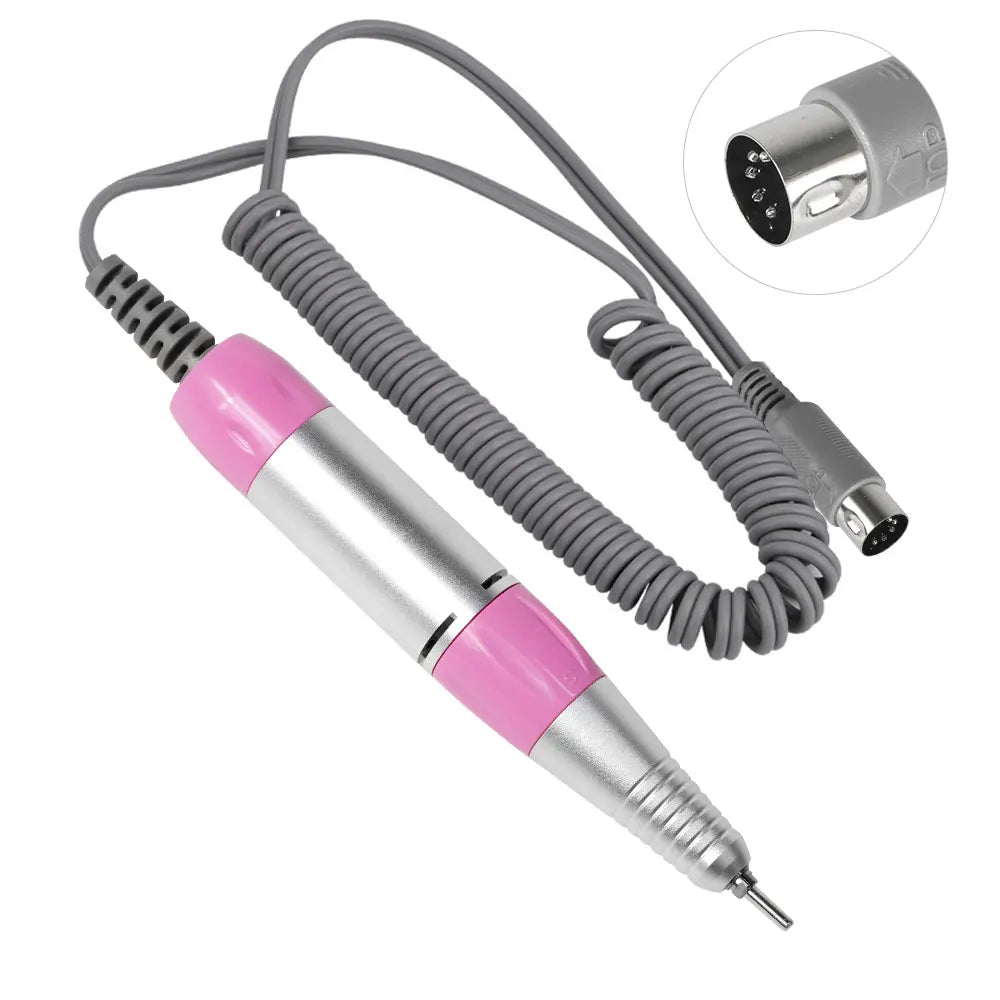
Find your perfect nail drill — see the KentDO model in action.
Side-by-Side Nail Drill Comparison
Not every nail drill serves the same purpose. Comparing categories helps narrow down the right option faster.
| Category | Typical RPM | Best Use | Key Priority |
|---|---|---|---|
| Beginner Home Drills | 15,000–20,000 | Natural nails | Control |
| Mid-Range Gel Drills | 20,000–30,000 | Gel removal | Torque |
| Professional Acrylic Drills | 30,000–35,000+ | Acrylic reduction | Power |
| Rechargeable Models | 20,000–35,000 | Portable use | Battery life |
Beginner Home Nail Drills
Prioritize ease of control, lower vibration levels, and safer speed ranges.
Mid-Range Gel Nail Drills
These models balance affordability with enough power for regular gel polish maintenance.
Professional Acrylic Nail Drills
High-torque motors, advanced cooling systems, and superior durability make these suitable for daily salon use.
Corded vs Rechargeable Models
Corded drills offer unlimited runtime while rechargeable models prioritize portability and convenience.
What to Look for in a Nail Drill
RPM vs Torque Explained
RPM determines speed while torque determines cutting power. Both matter, but torque has a larger impact on real-world performance.
Why Torque Matters More Than RPM
A drill with strong torque maintains speed under pressure and delivers smoother removal performance.
Bit Compatibility (3/32" Standard)
Most quality drills support universal 3/32-inch bits, providing access to a wider selection of accessories.
Battery Life and Portability
Rechargeable models should provide enough runtime to complete multiple manicure sessions between charges.
Heat Control Features
Effective ventilation and motor efficiency reduce overheating risks during extended use.
Low-Vibration Ergonomics
Comfortable handpieces improve precision and reduce fatigue.
Forward and Reverse Rotation
Bidirectional operation benefits both left- and right-handed users.
Electric Nail Drill Maintenance Tips
Cleaning Your Handpiece
Regular cleaning prevents dust accumulation that can impact cooling and performance.
Replacing Worn Bits
Dull bits increase friction, heat, and operating effort.
Storage Best Practices
Store drills in a clean, dry environment away from excessive humidity.
Extending Motor Life
Avoid continuous operation beyond manufacturer recommendations and allow cooling periods during heavy use.
Are Nail Drills Bad for Your Nails?
Nail drills are not inherently damaging. Most issues result from excessive pressure, incorrect RPM settings, or improper bit selection.
Do Nail Drills Damage Nails?
Used incorrectly, nail drills can remove excessive nail plate material and cause thinning.
Electric Nail File Damage Causes
The most common causes include high speed, prolonged contact, and aggressive bits.
Safe RPM Settings for Natural Nails
For natural nails, 5,000–10,000 RPM generally provides better control and reduces accidental over-filing.
Safe Bit Selection Guide
Fine-grit sanding bands and beginner-friendly ceramic bits are safer for routine maintenance.
Common Beginner Mistakes
- Using excessive pressure
- Holding bits in one location too long
- Using coarse bits on natural nails
- Operating at unnecessarily high RPMs
Best Nail Drills Worth Buying Instead
Best Overall
KentDO Electric Nail Drill Pen
Best Budget Option
MelodySusie Scarlet
Best for Beginners
MelodySusie Scamander
Best for Professionals
Medicool Pro Power 35K
Best for Gel Removal
Best for Acrylic Nails
Kiara Sky Beyond Pro
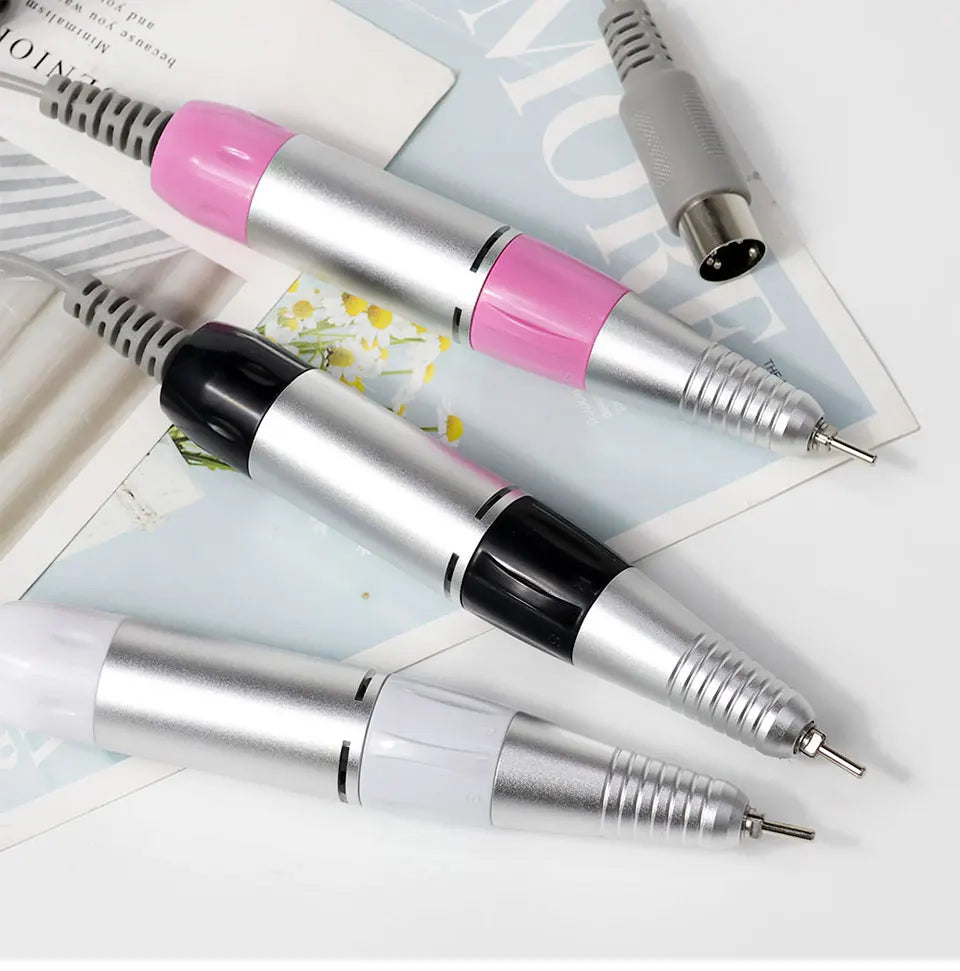
See the KentDO Electric Nail Drill Pen — smooth results with excellent control.
FAQs About Nail Drill Reviews
Can an Electric Nail Drill Damage Natural Nails?
Yes, improper technique can damage natural nails, but correct speed settings and bit selection significantly reduce risk.
What RPM Should I Use for Gel Polish Removal?
Most users achieve good results between 20,000 and 25,000 RPM depending on bit type and experience.
What RPM Is Safe for Natural Nails?
Lower RPM ranges generally provide greater control and reduce accidental over-filing.
What Are the Disadvantages of an Electric Nail File?
Potential disadvantages include a learning curve, maintenance requirements, noise, vibration, and the possibility of nail damage if used incorrectly.
How Often Should Drill Bits Be Replaced?
Replacement frequency depends on material quality, cleaning practices, and usage volume.
Can Beginners Use Nail Drills Safely?
Yes. Beginner-friendly models combined with proper training can be used safely.
What Is the Best RPM for Acrylic Removal?
Acrylic removal generally requires higher RPM ranges and stronger torque than natural nail maintenance.
Pillar Article: Top 7 Cordless Electric Nail Drill Picks That Outperform Salons
Other Related Articles:
- Portable Electric Nail Drill Machine Review: Why It’s Worth the Hype
- Electric Nail Dril Showdown: Budget vs Pro Models Compared
- Ceramic Drill Bit for Nails Tested: Does It Really Cut Faster?
- Electric File for Nails Comparison: Which One Gives the Smoothest Finish?
Explore More: