

❓ What’s the difference between vibrating and electric scalp massagers?
✅ A vibrating scalp massager uses gentle silicone tips and vibrations to boost blood flow and relaxation, making it ideal for stress relief and mild hair growth support. An electric scalp stimulator adds technologies like red light or microcurrent for deeper follicle activation, better suited for thinning hair and targeted regrowth.
Does Vibration Stimulate Hair Growth? Science, Evidence & Realistic Expectations
Wondering if a vibrating scalp massager for hair growth really works better than an electric scalp stimulator? Discover the key differences, how each tool supports hair health, and what current research says about scalp vibration, circulation, and follicle stimulation. Whether you're trying to maintain thicker hair or improve scalp health naturally, this evidence-based guide explains what vibration can—and cannot—do for hair growth.
Quick Answer: Does Vibration Stimulate Hair Growth?
Yes—vibration may help stimulate hair growth through mechanical stimulation and improved scalp circulation. Gentle vibration can activate mechanoreceptors in the scalp and temporarily increase blood flow around hair follicles, which may support a healthier follicle environment.
However, research suggests vibration primarily improves scalp health and follicle activity rather than reversing advanced genetic hair loss. It may help maintain hair thickness and support growth cycles when used consistently, but it is not considered a standalone treatment for conditions like androgenetic alopecia.

Looking for a practical way to apply scalp vibration safely? Explore this electric scalp massage comb here .
What Happens Inside a Hair Follicle?
To understand whether vibration can stimulate hair growth, it's important to understand how hair follicles grow, shrink, and respond to physical stimulation. Hair production is controlled by a complex interaction between follicle cells, hormones, blood vessels, growth factors, and signaling pathways.
The Hair Growth Cycle Explained
Every hair follicle continuously cycles through three primary stages:
- Anagen: The active growth phase that can last several years.
- Catagen: A short transitional phase when growth slows.
- Telogen: The resting phase before shedding occurs.
Healthy hair density depends on keeping follicles in the anagen phase for as long as possible.
Why Hair Follicles Miniaturize and Stop Producing Thick Hair
In common forms of hair loss, especially androgenetic alopecia, follicles gradually shrink over time. This process is known as miniaturization. As follicles become smaller, they produce thinner, shorter hairs until visible growth becomes minimal.
Reduced follicle size is influenced by genetics, hormones, inflammation, aging, and local signaling changes within the scalp.
The Role of the Dermal Papilla in Hair Growth
The dermal papilla is a cluster of specialized cells located at the base of each follicle. These cells help regulate hair growth by communicating with surrounding follicle structures and controlling growth-factor activity.
Researchers believe that mechanical stimulation, including massage and vibration, may influence cellular signaling around the dermal papilla. However, the degree to which this translates into measurable hair regrowth remains uncertain.
How Scalp Vibration May Influence Hair Growth
Scalp vibration does not directly create new hair follicles. Instead, researchers believe it may influence several biological processes that support follicle function.
Increased Blood Flow and Nutrient Delivery
Mechanical stimulation can temporarily increase local circulation. Improved blood flow may help deliver oxygen and nutrients to scalp tissues, although blood flow alone does not guarantee increased hair growth.
Mechanical Stimulation and Mechanotransduction
Mechanotransduction refers to the process by which cells convert physical forces into biological signals. Hair follicles contain cells that respond to stretching, pressure, and mechanical movement.
Some researchers believe scalp massage and vibration may influence signaling pathways involved in follicle maintenance through this mechanism.
Effects on Scalp Tension and Tissue Mobility
Another theory suggests that reducing scalp tension may create a healthier environment around follicles. Gentle vibration may temporarily improve tissue mobility and reduce stiffness in scalp tissues, although evidence remains limited.
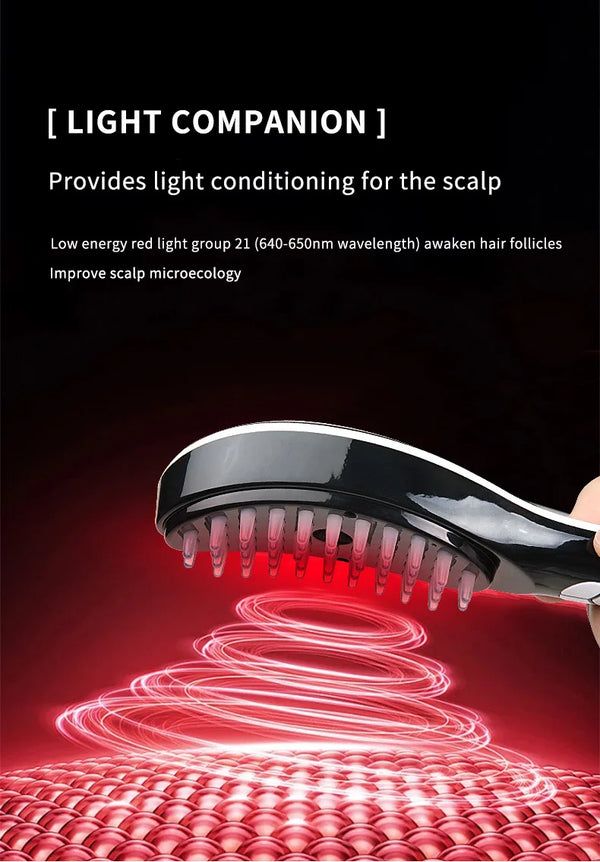
When used consistently, controlled vibration may help support scalp circulation. See how this device works .
What Does the Research Actually Say?
Research on vibration and hair growth remains limited. Most available evidence comes from studies examining scalp massage rather than vibration-specific devices.
Evidence from Manual Scalp Massage Studies
Several small studies have reported increases in hair thickness following consistent scalp massage routines. Researchers propose that mechanical stimulation may influence dermal papilla cells and follicle-supporting tissues.
However, these studies are generally small and do not prove that scalp massage can reverse significant hair loss.
Evidence on Vibrating Scalp Massagers
Currently, there is very little direct clinical research evaluating vibrating scalp massagers specifically for hair regrowth. Most claims are based on theoretical mechanisms rather than large controlled trials.
What Researchers Still Don't Know
- Optimal vibration frequency
- Ideal treatment duration
- Long-term effects on follicle growth
- Differences between device types
- Effectiveness for different causes of hair loss
Because of these uncertainties, vibration should be viewed as a supportive scalp-care practice rather than a proven hair-loss treatment.
Scalp Massage vs Scalp Vibration: What's the Difference?
Similarities
Both methods provide mechanical stimulation to scalp tissues and may temporarily increase circulation, improve scalp comfort, and encourage relaxation.
Key Differences
- Manual massage applies pressure and stretching.
- Vibration applies rapid oscillating movements.
- Massage affects deeper tissue movement.
- Vibration offers more consistent stimulation.
Which Has More Scientific Support?
Manual scalp massage currently has more published research supporting potential improvements in hair thickness. Evidence specifically supporting vibration remains limited.
Do Vibrating Scalp Massagers Help Hair Growth?
Many consumers use vibrating scalp massagers as part of their hair-care routine, but expectations should remain realistic.
Potential Benefits
- Temporary increases in scalp circulation
- Mechanical stimulation of scalp tissues
- Improved scalp comfort and relaxation
- Support for scalp cleansing routines
- Potential maintenance of a healthier follicle environment
Limitations of Current Devices
Most vibrating scalp massagers have not been evaluated in large clinical hair-growth trials. As a result, claims about significant regrowth should be viewed cautiously.
Realistic Expectations
For individuals with mild thinning or scalp tension, vibration may provide supportive benefits. However, it is unlikely to produce dramatic regrowth in areas affected by advanced follicle miniaturization.
Vibrating Scalp Massager Benefits Beyond Hair Growth
Relaxation and Stress Reduction
Many users find scalp vibration relaxing. Reduced stress may indirectly support overall hair health because chronic stress can contribute to excessive shedding in some individuals.
Scalp Cleansing and Product Distribution
Some vibrating scalp devices help distribute shampoos, scalp serums, and cleansing products more evenly across the scalp surface.
Temporary Improvement in Scalp Comfort
People experiencing scalp tightness, tension, or mild discomfort may notice temporary relief after gentle vibration sessions.
When Vibration May Help — And When It Won't
Situations Where It May Support Scalp Health
- Mild hair thinning
- Stress-related shedding
- Scalp tension or tightness
- Scalp buildup affecting comfort
- General scalp wellness routines
Situations Where It Is Unlikely to Regrow Hair
- Advanced pattern baldness
- Permanently miniaturized follicles
- Untreated hormonal hair-loss conditions
- Medical causes of hair loss requiring diagnosis and treatment
Myth vs Fact: Common Claims About Hair Vibration
Myth: More Blood Flow Automatically Means More Hair
Improved circulation alone does not guarantee follicle regeneration. Hair growth depends on many biological factors beyond blood flow.
Myth: Vibration Can Reverse Baldness
There is currently no strong evidence showing that scalp vibration alone can reverse advanced pattern baldness.
Fact: Scalp Health and Hair Growth Are Related but Different
A healthier scalp environment may support follicle function, but improved scalp health should not be confused with clinically proven hair regrowth.
Can Vibration Damage Hair or the Scalp?
Safe Usage Guidelines
When used gently, vibration is generally considered safe for most people. Use light pressure, avoid prolonged sessions, and discontinue use if irritation develops.
When to Avoid Scalp Vibration
- Active scalp infections
- Open wounds or irritation
- Recent hair-transplant procedures
- Severe inflammatory scalp conditions
Individuals with medical scalp concerns should consult a healthcare professional before using mechanical stimulation devices.
How to Use a Vibrating Scalp Massager for Hair Growth
Recommended Technique
- Start with a clean scalp.
- Apply gentle pressure.
- Move the device slowly across the scalp.
- Avoid aggressive rubbing or scraping.
- Focus on thinning areas without overworking them.
Frequency and Duration
A practical starting point is 5–10 minutes per session, several times per week. Consistency is generally more important than intensity.
Common Mistakes to Avoid
- Using excessive pressure
- Expecting rapid regrowth
- Using damaged or poorly designed devices
- Replacing proven treatments with vibration alone
Are Electric Scalp Massagers Good for Hair Growth?
Electric scalp devices vary considerably in design and intended purpose.
Vibrating Devices
These use oscillating movements to stimulate the scalp and improve comfort while providing consistent mechanical stimulation.
Rotating Massage Devices
Rotating scalp massagers create kneading motions that may provide deeper tissue movement than vibration alone.
Electrical Stimulation Devices
Some advanced devices combine vibration with technologies such as red light therapy, microcurrent stimulation, or heat-based treatments designed to support scalp-care routines.
Vibration vs Proven Hair Growth Treatments
Minoxidil
Minoxidil has substantially stronger clinical evidence for promoting hair growth than scalp vibration.
Finasteride
For male pattern hair loss, finasteride targets hormonal mechanisms that vibration cannot address.
Low-Level Laser Therapy
Laser devices have more published clinical research supporting hair-growth outcomes than vibrating scalp massagers.
Where Scalp Vibration Fits
Scalp vibration may be best viewed as a complementary practice that supports scalp comfort and routine adherence rather than a primary treatment for hair loss.
FAQ: Vibration and Hair Growth
Does vibration on the scalp help hair growth?
It may support scalp health and mechanical stimulation, but current evidence does not prove that vibration alone produces significant hair regrowth.
Can I use a vibrating massager on my head every day?
Most people can use gentle scalp vibration daily, provided it does not cause irritation, soreness, or discomfort.
Are electric scalp massagers good for hair growth?
They may provide supportive benefits, but scientific evidence remains limited compared with established hair-loss treatments.
Does vibration help hair grow in bald spots?
There is currently no strong evidence showing that vibration alone can regrow hair in completely bald areas.
How long does it take to see results?
If any benefits occur, they generally require months of consistent use because hair growth cycles operate slowly.
Can scalp vibration replace medical hair-loss treatments?
No. Scalp vibration should be considered complementary rather than a replacement for clinically validated treatments.
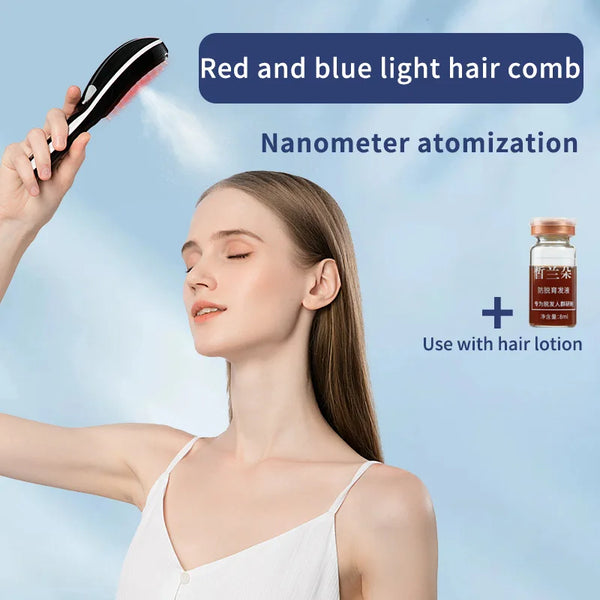
If you decide to incorporate vibration into your routine, this electric scalp massage comb combines gentle vibration with advanced stimulation technology.
Pillar Article: Top 7 Electric Scalp Massagers for Hair Growth: Which One is Right for You?
Other Related Articles:
- Red Light vs LED Therapy for Hair Loss: Which Works Better?
- Top 5 Nano Brushes for Frizz-Free Hair: Which One Should You Buy?
- Electric Scalp Stimulators Ranked: Pros, Cons & Real Results
- Best LED Hair Growth Combs Reviewed: Red Light Therapy Showdown
Final Verdict: Is Vibration Good for Hair Growth?
Scalp vibration may support a healthier scalp environment through mechanical stimulation, temporary circulation improvements, and relaxation benefits. However, current research does not prove that vibration alone can significantly regrow hair or reverse pattern baldness.
The strongest evidence currently supports manual scalp massage rather than vibration-specific devices, and even that evidence remains limited. For people interested in improving scalp health, a vibrating scalp massager may be a useful addition to a broader hair-care routine, but it should not be viewed as a standalone hair-growth solution.
In short: vibration may help support scalp health, but clinically proven hair-growth treatments remain far more effective for meaningful hair regrowth.













