High Frequency vs LED Light Therapy: Which Is Better for Acne, Wrinkles, and Skin Health?
High frequency facial side effects aren’t always discussed, yet they’re important to understand before choosing a treatment. If you’re wondering whether high frequency or LED light therapy works faster for wrinkles, acne, or dull skin, this guide explains the science, safety considerations, and real before-and-after expectations for both technologies.
Both treatments are widely used in professional facials and at-home skincare devices. However, they differ fundamentally: high frequency relies on electrical stimulation and oxygenation effects, while LED light therapy uses precise wavelengths of light to trigger cellular repair through photobiomodulation.
⏱ 7 min read

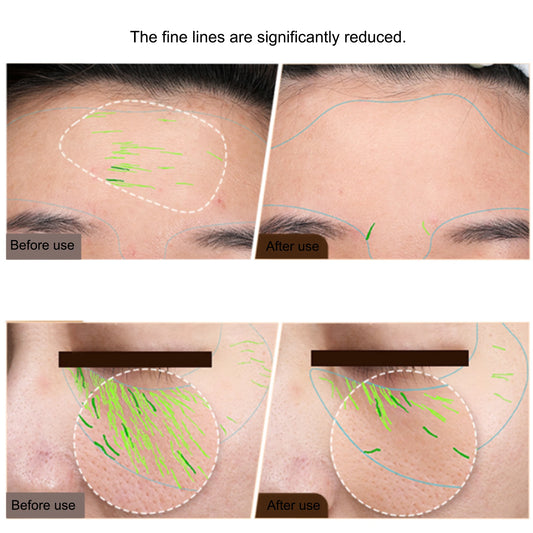
See it in action: high frequency facial side effects + wrinkle-reducing LED therapy
High Frequency vs LED Light Therapy: Quick Comparison
Both high frequency facial therapy and LED light therapy are non-invasive skincare treatments, but they work through completely different biological mechanisms. High frequency uses electrical currents and ozone generation, while LED therapy uses specific wavelengths of light to stimulate cellular activity.
Key Differences at a Glance
- High frequency therapy: Uses electrical currents and oxygenation to target acne, circulation, and temporary skin tightening.
- LED light therapy: Uses photobiomodulation to stimulate healing, collagen production, and inflammation reduction.
- Best for acne: Both can help through different mechanisms (bacterial reduction vs light-based antibacterial action).
- Best for wrinkles: Red and near-infrared LED show stronger clinical support.
- Best for redness: LED therapy generally produces better anti-inflammatory outcomes.
- Downtime: Neither treatment typically requires recovery time.
Side-by-Side Comparison Table
- Technology: Electrical stimulation vs light wavelengths
- Main mechanism: Ozone generation vs photobiomodulation
- Evidence level: Moderate vs strong
- Treatment frequency: 2–4 times weekly vs 3–5 times weekly
- Best candidates: Acne-prone skin vs aging or inflamed skin
- Cost: Low–moderate vs moderate–high (device dependent)
Which Treatment Is Best for Your Skin Goal?
If your primary concern is active acne or congestion, high frequency may provide faster visible improvement. If your goals involve anti-aging, inflammation reduction, or long-term skin health, LED therapy generally has stronger scientific support.
What Is High Frequency Therapy?
High frequency facial therapy is an aesthetic treatment that uses low-current, high-frequency electrical energy delivered through glass electrodes. The treatment creates mild thermal stimulation and generates ozone when the electrode contacts air.
How High Frequency Facial Therapy Works
The electrical current stimulates local circulation, increases oxygen delivery, and temporarily enhances skin metabolism. The ozone produced may also exhibit antimicrobial effects that can help acne-prone skin.
The Science Behind High Frequency Light Therapy
Despite the term “high frequency light therapy,” traditional devices do not primarily use therapeutic light wavelengths. Instead, they rely on electrical stimulation applied to the skin surface through gas-filled glass electrodes.
Ozone Generation and Electrical Stimulation Explained
When electrical energy interacts with oxygen molecules, small amounts of ozone form at the skin’s surface. This has been historically used in esthetic treatments for acne-prone and congested skin.
What Does “High Frequency Light” Actually Mean?
The phrase is misleading: high frequency devices do not function like LED light therapy. The key mechanism is electrical current, not photonic light energy.
What Is LED Light Therapy?
LED light therapy uses specific wavelengths of visible and near-infrared light to influence biological processes within skin cells. This process is known as photobiomodulation.
How LED Light Therapy Works
Light energy penetrates the skin and interacts with mitochondrial activity, increasing ATP production and supporting collagen synthesis, repair, and inflammation regulation.
Red Light vs Blue Light vs Near Infrared
- Blue light (415 nm): Targets acne-causing bacteria.
- Red light (633–660 nm): Supports collagen production and skin rejuvenation.
- Near infrared (830 nm+): Penetrates deeper tissues for healing and repair.
What Is NP Frequency for LED Lights for Skincare?
The term “NP frequency” is a common misconception. LED devices are defined by wavelength (nanometers), not frequency. Clinical skincare devices typically use 415 nm, 633 nm, and 830 nm ranges.
High Frequency vs Red Light Therapy: How the Science Differs
Electrical Energy vs Photobiomodulation
High frequency devices use electrical energy to stimulate oxygenation and circulation, while red light therapy uses photons to activate cellular repair pathways.
Cellular Mechanisms Compared
High frequency mainly affects surface-level circulation and antimicrobial effects. Red light therapy influences mitochondrial function, collagen synthesis, and inflammatory signaling pathways.
Clinical Evidence Comparison
Red light therapy has stronger clinical support for anti-aging, wound healing, and inflammation reduction. High frequency remains widely used in aesthetic practice, especially for acne management and temporary skin revitalization.
Benefits by Skin Concern
High Frequency vs LED for Acne
High frequency may reduce surface bacteria and congestion quickly, while blue LED targets acne-causing bacteria through light-activated mechanisms.
High Frequency vs Red Light Therapy for Wrinkles
Red LED light therapy has significantly stronger evidence for stimulating collagen and reducing fine lines compared to high frequency treatments.
High Frequency for Skin Redness and Inflammation
LED therapy is generally more effective for calming inflammation, rosacea-like symptoms, and persistent redness.
Healing, Recovery, and Barrier Support
Red and near-infrared LED therapies support post-treatment recovery, wound healing, and barrier repair more effectively than high frequency.
Pigmentation and Post-Acne Marks
Neither treatment is a primary solution for pigmentation, though LED therapy may gradually improve post-inflammatory discoloration.
High Frequency Facial Side Effects and Contraindications
Common High Frequency Machine Side Effects
- Temporary redness
- Mild tingling sensation
- Dryness after use
- Increased sensitivity if overused
High Frequency Facial Contraindications
- Pregnancy
- Pacemakers or electronic implants
- Epilepsy
- Severe rosacea
- Active skin infections
LED Therapy Safety and Contraindications
LED light therapy is generally considered very safe. However, individuals with light sensitivity disorders or those taking photosensitizing medications should consult a professional before use.
Which Treatment Is Safer for Sensitive Skin?
LED therapy is typically safer for sensitive or inflamed skin due to its non-invasive, non-thermal mechanism and lower irritation risk.
High Frequency Facial Before and After Results
Typical Treatment Timeline
Visible improvements often begin after 2–4 weeks of consistent use.
Expected Acne Results
Reduced congestion, fewer active breakouts, and improved surface clarity.
Expected Anti-Aging Results
Mild tightening and improved skin tone, though collagen changes are limited compared to LED therapy.
| Before | After (4 weeks) |
|---|---|
| Visible fine lines | Smoother appearance |
| Dull skin tone | Brighter complexion |
| Frequent breakouts | Reduced acne activity |
LED Light Therapy Before and After Results
Typical Treatment Timeline
Most visible improvements occur after 4–6 weeks of consistent use.
Expected Red Light Results
Gradual reduction in fine lines, improved elasticity, and enhanced skin tone.
Expected Blue Light Results
Reduction in acne-causing bacteria and fewer inflammatory breakouts.

LED face mask before and after wrinkles: Red light supports long-term skin rejuvenation
Professional vs At-Home Devices
Professional High Frequency Treatments
Professional treatments deliver higher intensity and are typically performed in clinical or spa environments.
Professional LED Treatments
Medical-grade LED systems provide higher irradiance and more precise wavelength targeting.
At-Home Device Limitations
Home devices are safer but require consistent use over time for visible results.
Cost Comparison
- Professional high frequency: $50–$150 per session
- Professional LED therapy: $30–$300 per session
- At-home devices: $50–$500+
High Frequency vs LED Light Therapy Comparison Table
Technology
- Electrical stimulation vs photobiomodulation
Benefits
- Acne control vs anti-aging and inflammation reduction
Treatment Frequency
- 2–4 times weekly vs 3–5 times weekly
Downtime
- None for both treatments
Clinical Evidence
- Moderate vs strong
Cost
- Low–moderate vs moderate–high
Best Candidates
- Oily, acne-prone skin vs aging, sensitive, or inflamed skin
Which Treatment Should You Choose?
Choose High Frequency If...
You have active acne, clogged pores, or want quick surface-level improvement.
Choose LED Therapy If...
You want anti-aging benefits, inflammation reduction, or long-term skin health improvements.
Choose Both If...
You want a combined approach targeting acne (high frequency) and collagen repair (LED).
Can You Combine High Frequency and LED Therapy?
Yes. Many professional facials combine both modalities for synergistic effects.
Recommended Treatment Order
High frequency first, followed by LED light therapy for calming and repair.
Dermatologist and Esthetician Perspectives
What Dermatologists Prefer for Acne
Dermatologists often prioritize LED-based protocols due to stronger clinical evidence, especially for blue and red light combinations.
What Estheticians Prefer for Combination Treatments
Estheticians frequently combine both technologies for immediate acne control and long-term skin rejuvenation.
How KentDO Enhances Your Results
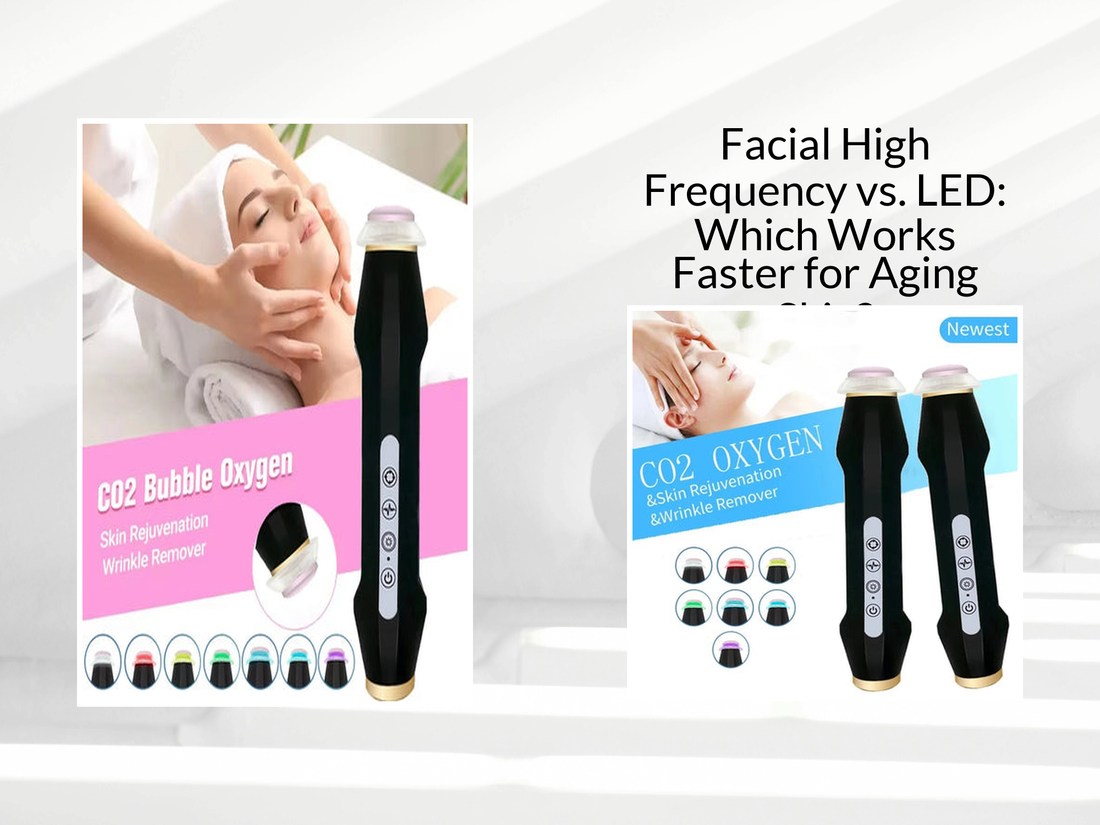
The KentDO CO2 Oxygen Facial Device combines multiple skincare technologies designed to support hydration, skin renewal, and barrier improvement.
- CO2 oxygen bubbles support absorption
- LED modes enhance collagen activity
- Microcurrent helps improve firmness
- Hydration infusion reduces dryness

Transform your skincare routine with KentDO technology
FAQ: High Frequency vs LED Light Therapy
Is high frequency or LED better for acne?
Both help acne, but through different mechanisms. High frequency targets surface bacteria, while LED (especially blue light) targets acne-causing microbes more directly.
Is red light therapy better than high frequency for wrinkles?
Yes. Red and near-infrared LED light therapy has stronger clinical evidence for collagen stimulation and wrinkle reduction.
Can high frequency cause skin damage?
When used correctly, it is generally safe. Overuse or improper settings may cause temporary irritation or dryness.
Are there long-term high frequency facial side effects?
No long-term side effects are known when used properly and within recommended frequency limits.
Can I use high frequency and LED therapy together?
Yes. They are often combined in professional facials for complementary benefits.
How often should I use each treatment?
High frequency: 2–4 times weekly. LED therapy: 3–5 times weekly depending on device strength.
Which treatment produces faster results?
High frequency often shows faster short-term acne improvements, while LED delivers slower but longer-lasting anti-aging results.
Is LED therapy safer for sensitive skin?
Yes. LED is generally gentler and better tolerated by sensitive or reactive skin types.
Pillar Article: The Real LED Light Therapy Skin Benefits You Don’t Hear About
Other Related Articles:
Explore More: