Gel Polish Not Curing: 9 Causes + Step-by-Step Fixes for UV & LED Lamps
If your gel polish is not curing under a UV or LED lamp, you're not alone. Many at-home nail artists run into problems like gel polish staying sticky, wrinkling, or sliding off the nail instead of hardening.
The issue usually comes down to a few common causes: incorrect lamp wattage, applying layers too thick, expired gel polish, or incompatibility between your gel formula and lamp type.
This troubleshooting guide explains why gel nail polish won’t cure, how UV and LED curing actually works, and the exact steps you can take to fix the problem and prevent it from happening again.
Tags: gel polish not curing, gel polish not curing properly, best way to cure gel nail polish, curing times for gel nails, best uv lamp gel nails, gel nail care, gel manicure tips, uv lamp guide, gel polish troubleshooting, nail curing mistakes
⏱ 7 min read
Quick Diagnosis: Why Your Gel Polish Won’t Cure
If your gel polish is not curing properly, the symptoms usually point to a specific problem. Use this quick guide to identify the most likely cause.
Common Symptoms of Gel Polish Not Curing
- Gel polish stays soft or rubbery after curing
- The surface wrinkles or ripples under the lamp
- The polish slides or pools on the nail
- Only the top layer cures while the bottom stays wet
- Dark colors remain tacky even after multiple curing cycles
Fast Fix Checklist
- Apply thinner layers of gel polish
- Increase curing time slightly
- Check lamp wattage and bulb strength
- Ensure your gel polish is compatible with your lamp type
- Replace old or expired gel formulas
Why is my gel polish not curing properly?
When your gel polish is not curing, it usually means the formula isn’t getting enough UV or LED light exposure. Common causes include using the wrong lamp wattage, applying thick layers, or expired products. To fix it, follow the best way to cure gel nail polish—thin coats, proper lamp strength, and full exposure time.
How Gel Polish Curing Actually Works (UV vs LED Explained)
Gel polish does not “dry” like traditional nail polish. Instead, it hardens through a chemical process called polymerization.
The Polymerization Process
When gel polish is exposed to UV or LED light, special molecules called photoinitiators activate and trigger a chain reaction that links gel molecules together. This reaction transforms the liquid gel into a solid, durable coating.
If the light energy is too weak or cannot penetrate the gel layer, the reaction cannot fully complete — which is why gel polish sometimes remains soft or sticky.
Why Lamp Wavelength Compatibility Matters
Different gel formulas require specific wavelengths of light. LED lamps typically emit narrow wavelengths, while UV lamps produce a broader spectrum. If your gel formula requires a wavelength your lamp does not produce, the gel may not cure correctly.
If your gel polish not curing properly even after minutes under the lamp, you’re not alone. From choosing the wrong lamp to skipping crucial prep steps, small mistakes can ruin your shine and durability. Let’s fix that. This guide reveals the best way to cure gel nail polish, ideal curing times for gel nails, and how to pick the best UV lamp for gel nails—so your manicure finally stays flawless.
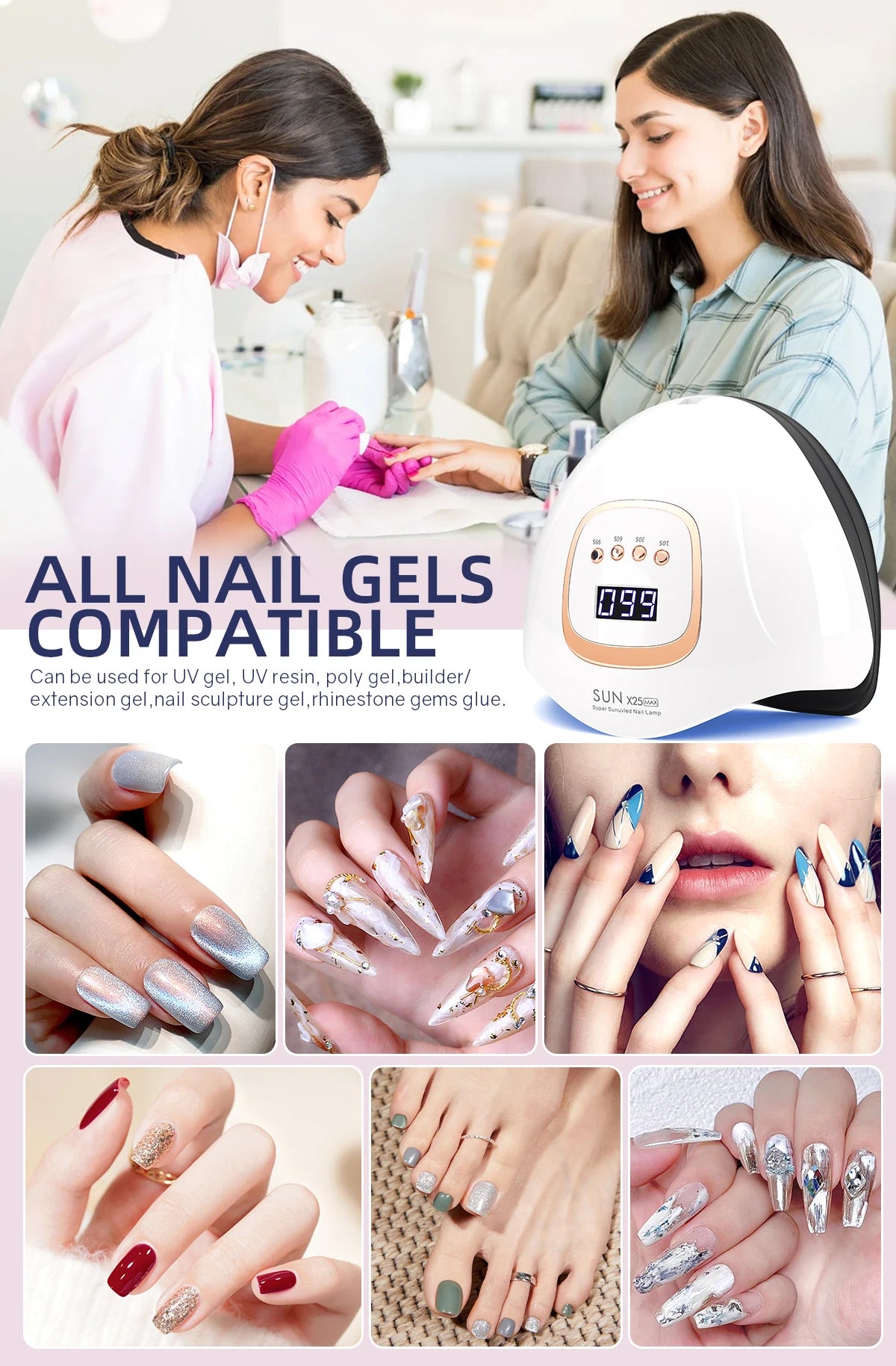
💡 Gel polish not curing? Learn how to fix it fast with the right UV lamp.
1. Using the Wrong Lamp Wattage or Lamp Type
One of the most common reasons gel nails are not curing is using a lamp that does not provide enough power or the correct light wavelength.
UV vs LED Compatibility
Some gel polishes are designed specifically for UV lamps, while others cure best under LED lamps. If the gel formula is not compatible with your lamp type, it may remain soft or uncured.
Minimum Wattage Myths
While many lamps advertise high wattage numbers, curing efficiency depends more on LED quality and light distribution than raw wattage alone. However, most gel systems cure best under lamps rated between 24W and 48W.
Quick Fix: Always check your gel polish label. If it says “LED only,” use a 36W or higher LED lamp. For UV gels, opt for a professional UV lamp with at least 48W for full cure coverage.
| Lamp Type | Recommended Wattage | Best Use |
|---|---|---|
| LED Lamp | 36W–54W | Quick cures for LED-only gels |
| UV Lamp | 48W–72W+ | Thicker or darker UV gels |
2. Applying Gel Too Thick
Thick layers trap heat and block light from curing the inner layers, leaving a sticky, soft finish. The gel might look fine on top but stay uncured underneath.
- Apply 2–3 thin coats instead of one thick layer.
- Cure each coat fully before applying the next.
- Use a high-watt lamp for opaque or glitter gels.
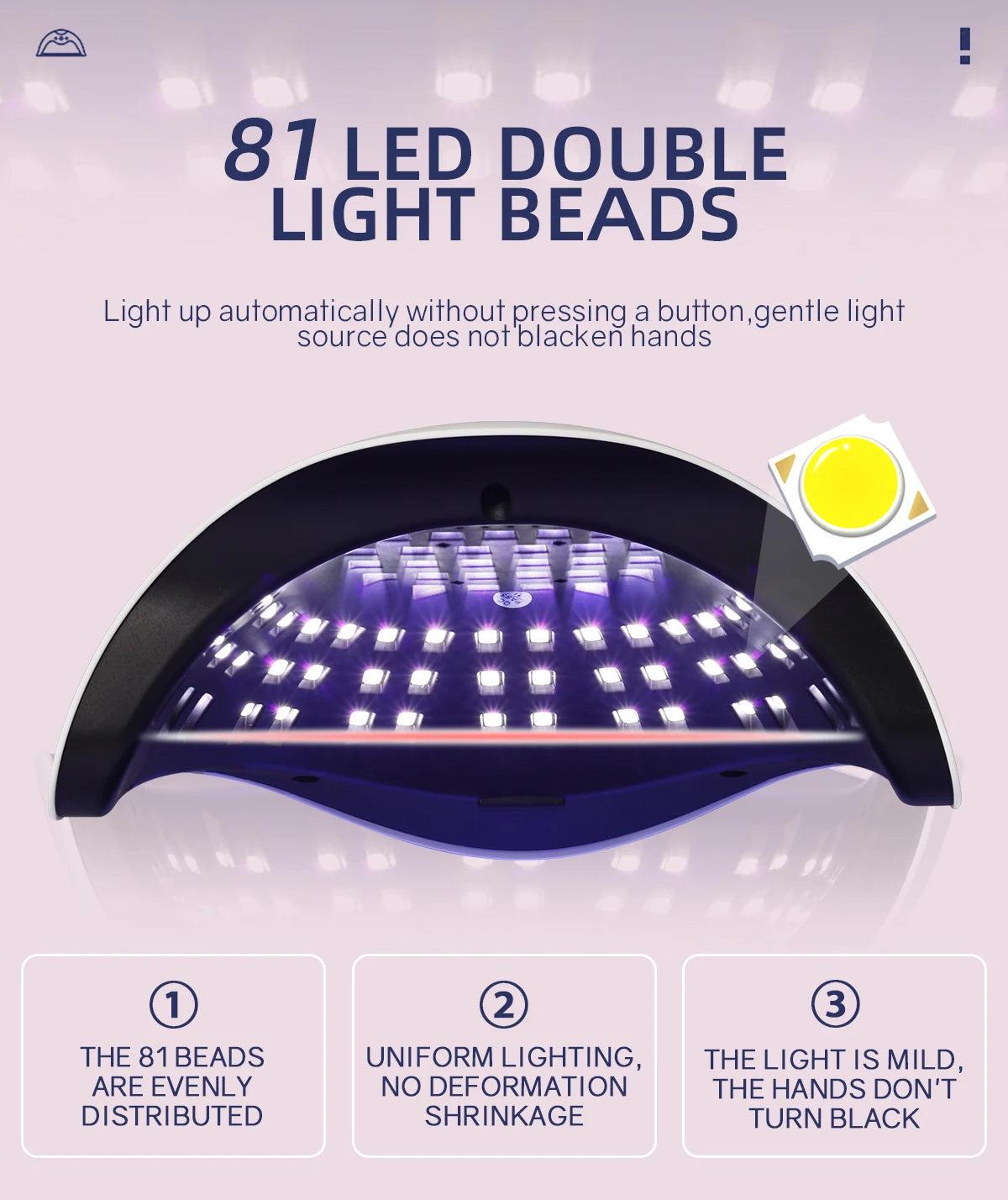
💅 Thin, even coats + the best UV lamp = a flawless gel finish.
3. Nail Surface Was Not Prepared Properly
If the nail plate still contains oils, moisture, or residue, gel polish may fail to bond and cure correctly.
How Oils and Moisture Affect Gel Curing
Natural nail oils can create a barrier between the gel and nail surface. This prevents the gel layer from stabilizing during the curing process, leading to peeling or soft spots.
- Buff gently to remove shine.
- Clean with alcohol or nail cleanser.
- Use a dehydrator and primer before base coat.
Neglecting these steps leads to peeling, uneven curing, and premature chipping. Explore Nail Care Devices to prep efficiently before polishing.
4. Expired or Low-Quality Gel Polish
Gel polish formulas degrade over time. If your gel nail polish is not curing, the product itself may be the problem.
Signs Your Gel Polish May Be Expired
- The formula looks unusually thick or stringy
- Pigments appear separated inside the bottle
- The gel cures unevenly across the nail
- The polish remains soft after recommended curing time
Most gel polishes last between 12 and 24 months once opened, depending on storage conditions.
5. Incorrect Curing Times for Gel Nails
Every gel brand has different curing times for gel nails. Curing too short can leave polish soft, while curing too long may cause brittleness.
| Product Type | LED Curing Time | UV Curing Time |
|---|---|---|
| Base Coat | 30 sec | 60 sec |
| Color Coat | 45–60 sec | 90 sec |
| Top Coat | 60 sec | 120 sec |
Invest in a reliable UV/LED combo lamp to cover all gel types and ensure even curing.
6. Skipping or Misusing Base and Top Coats
Base coats anchor the color while top coats seal and protect the gel manicure.
Why the Gel Base Coat May Not Cure
If the base coat layer is too thick or incompatible with the lamp type, it may remain rubbery and prevent color layers from curing properly.
Why the Gel Top Coat May Not Cure
Some top coats require slightly longer curing times. If the top coat is not fully cured, the manicure may remain tacky or lose shine quickly.
- Use a compatible base and top coat set.
- Don't mix brands unless specified.
- Cap free edges for chip resistance.
7. Dark or Highly Pigmented Colors Cure Slower
Deep shades such as black, navy, or burgundy often cure more slowly than lighter colors.
Why Dark Colors Struggle to Cure
Highly pigmented gel polish blocks light from reaching the lower layers of the gel. If coats are too thick, the top layer may cure while the bottom remains wet.
Applying very thin layers and curing each coat fully helps ensure proper polymerization.
8. UV/LED Lamp Problems or Poor Maintenance
Dirty bulbs or low battery output cause uneven curing. Wipe your lamp surface weekly and replace bulbs every 6 months for consistent performance.
Old Bulbs and Weak LEDs
Over time, lamp output decreases. If your lamp takes longer to cure gel polish than it used to, the LEDs or bulbs may be weakening.
Dirty Lamp Sensors
Dust, spilled gel, or residue inside the lamp can block light and interfere with sensors, reducing curing performance.
For portable ease, explore Lifestyle gadgets that simplify at-home beauty routines.
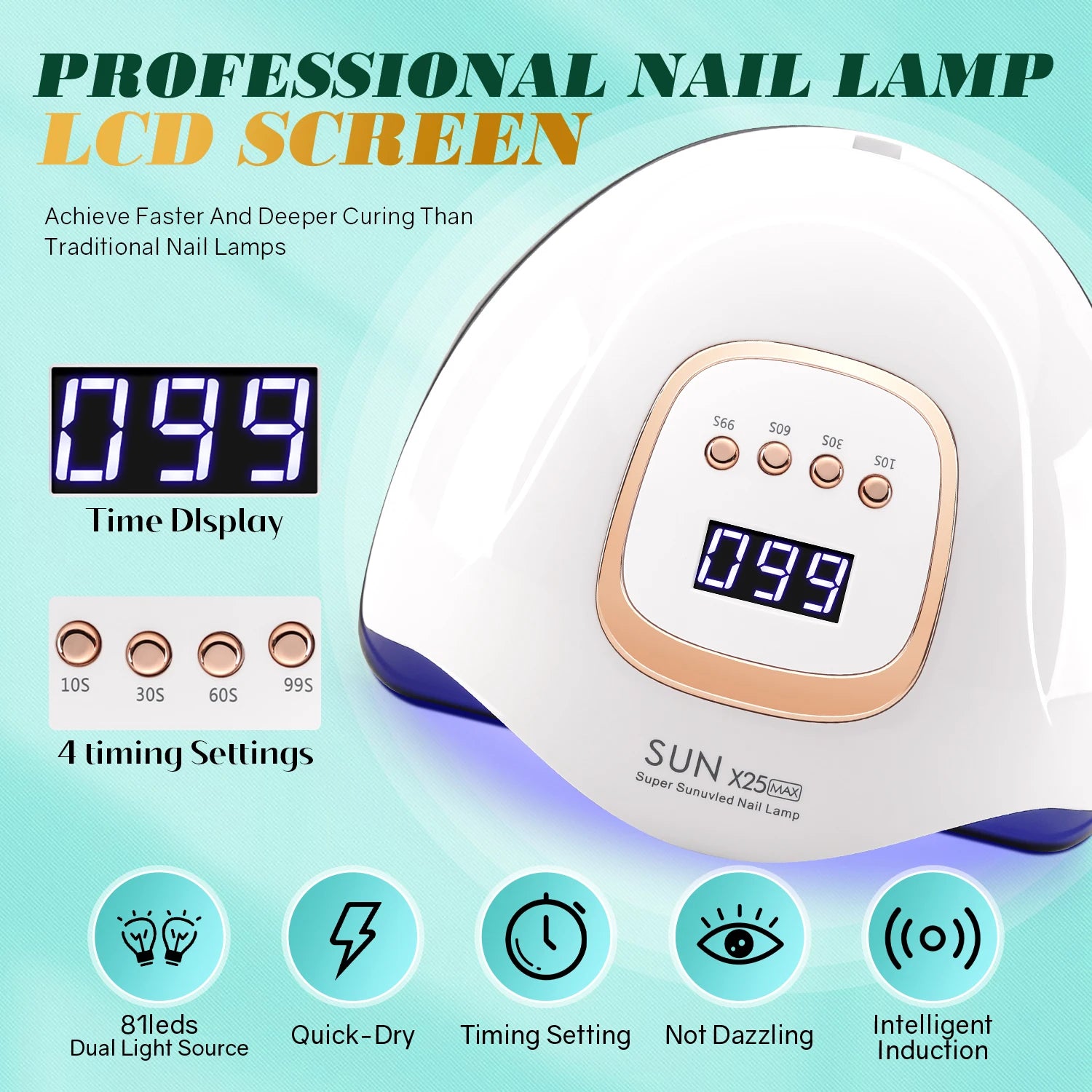
💡 Consistency = cure perfection. Maintain your UV lamp for lasting results.
9. Gel Polish Brand and Lamp Incompatibility
Some gel systems are optimized for specific lamps produced by the same brand. Mixing brands can occasionally lead to curing problems.
If your gel polish won’t cure under LED light, check the manufacturer’s instructions to confirm the recommended lamp type and curing time.
How to Fix Gel Polish That Isn’t Curing (Step-by-Step)
Follow this proven routine to make sure every layer cures flawlessly:
Correct Gel Application Method
- Prep nails: clean, buff, and dehydrate.
- Apply a thin base coat and cure fully.
- Apply 2–3 thin color layers, curing each one.
- Seal with a top coat, then wipe tacky layer (if needed).
- Moisturize cuticles and enjoy long-lasting shine.
Ideal Curing Routine
- Place your hand fully inside the lamp
- Avoid moving fingers during curing
- Follow the recommended curing time for each layer
- Allow the lamp to complete the full cycle
Preventing Gel Polish Curing Problems in the Future
- Apply multiple thin layers instead of thick coats
- Follow manufacturer curing times
- Clean your UV/LED lamp regularly
- Store gel polish away from heat and sunlight
- Replace old lamps or bulbs when curing performance drops
FAQ: Gel Nail Polish Not Curing
- Why is my gel polish not curing under LED light?
It may be incompatible with LED wavelengths or applied too thick for light to penetrate properly. - Why does my gel polish stay sticky after curing?
A tacky layer after curing is normal for many gel systems. It helps the next layer bond and can be wiped off after the final top coat cures. - Can I overcure gel polish?
Yes. Excessive curing may cause discoloration or brittleness. Always follow recommended curing times. - Why is my gel base coat not curing?
Base coats may remain soft if applied too thick or if the lamp output is too weak. - What’s the best UV lamp for gel nails?
Choose a high-power, even-distribution model like the 380W UV/LED Gel Dryer for salon-quality results at home.
Still unsure which tools to choose? Explore our curated selection of Nail Care Devices and Hair, Skin & Nail tips to upgrade your beauty routine.
Pillar Article: Best UV Lamp for Nails: Top 7 Models That Deliver Salon-Perfect Cures
Other Related Articles:
- UV LED Nail Dryer Review: 5 Picks That Cut Your Curing Time in Half
- Best UV Nail Lamp for Home Use: What the Pros Don’t Tell You
- UV vs LED Nail Lamp Showdown: Which One Truly Lasts Longer?
- 36 Watt Nail Lamp Review: Is It Still Worth Buying in 2025?
Explore More: