

Why does gel polish ruin nails?
When people say “gel polish ruined my nails,” the real cause is usually improper removal—not the polish itself. Overusing a nail drill to remove gel polish or peeling layers off weakens the nail plate, causing brittleness, thinning, and peeling. Safe removal and hydration restore nail health effectively.
⏱ 7 min read
Does Gel Ruin Your Nails? Dermatologists Explain the Real Cause
If you’ve ever thought “gel polish ruined my nails,” you’re not alone—but the real culprit is usually the removal process, not the gel itself. Improper techniques like aggressive buffing, peeling polish off, or misusing a nail drill to remove gel polish can thin the nail plate and cause temporary weakness. Understanding how gel manicures affect your nails—and how to remove them safely—can help prevent long-term damage.
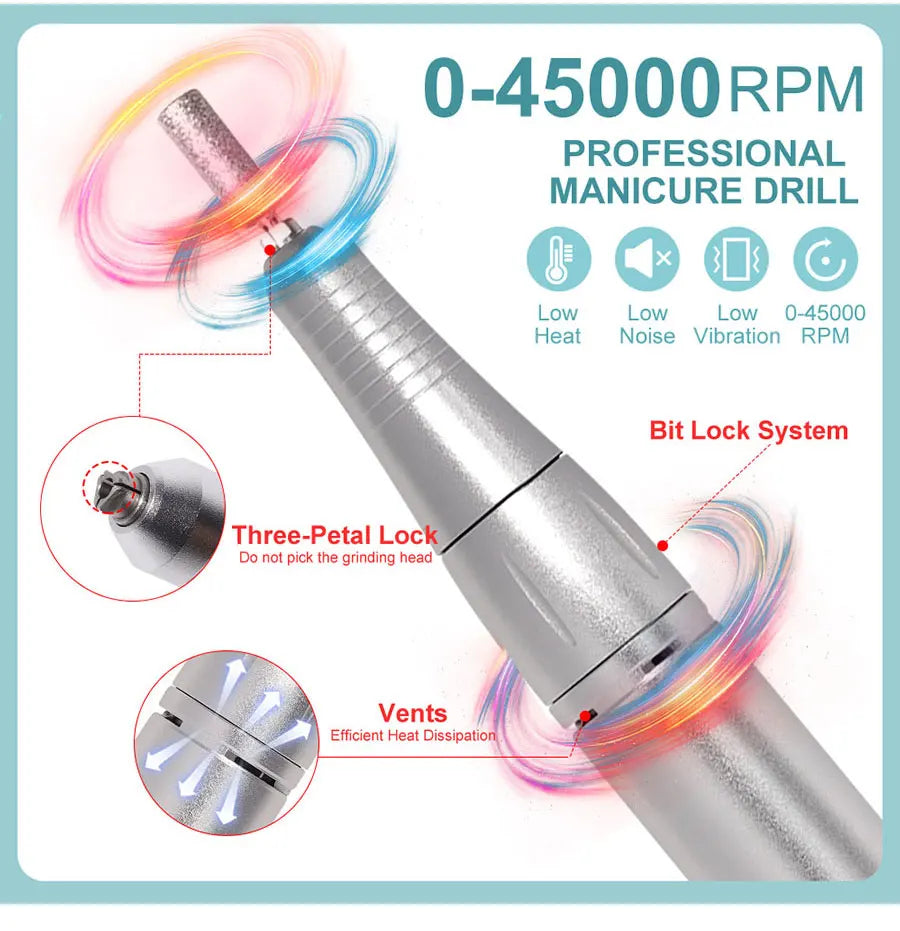
💡 Learn how to prevent damaged nails from drill misuse and restore shine safely.
Does Gel Polish Ruin Your Nails? (Short Answer)
No, gel polish itself does not permanently ruin your nails. However, the gel manicure process can weaken the nail plate if it is applied or removed improperly.
Most nail damage people associate with gel manicures comes from:
- Excessive buffing before gel application
- Peeling gel polish off instead of removing it properly
- Over-soaking nails in acetone
- Improper use of nail drills during removal
When gel manicures are applied and removed correctly, most people can wear them without long-term nail damage. Problems usually occur when the nail plate becomes repeatedly thinned or dehydrated during removal.
Why Gel Polish Sometimes Ruins Nails
What Happens to the Nail Plate During a Gel Manicure
Your nails are made of layers of hardened keratin cells called the nail plate. During a gel manicure, technicians lightly buff the nail surface so the gel polish can adhere properly.
Gel polish is then cured under UV or LED light, creating a durable coating that bonds tightly to the nail plate.
The stronger this bond becomes, the more important proper removal is to prevent lifting layers of the natural nail.
Why Nails Feel Thin After Gel Removal
If gel polish is removed incorrectly, parts of the nail plate can be lifted along with the polish. This makes nails feel:
- Thin
- Flexible or bendy
- Rough or peeling
- Sensitive to pressure
In most cases, the nail itself is not permanently damaged. The affected layers simply need time to grow out and be replaced by new keratin cells.
What Actually Causes Nail Damage During Gel Manicures
Most gel manicure problems come from the preparation and removal process rather than the gel polish itself.
Aggressive Buffing Before Gel Application
Light buffing helps gel polish adhere to the nail surface, but excessive filing can remove too many layers of the nail plate. Over time, repeated aggressive buffing can leave nails thinner and weaker.
Acetone Soaking and Dehydration
Removing gel polish typically requires soaking nails in acetone. While effective, acetone strips natural oils from the nail plate and surrounding skin, which can leave nails dry and brittle when done frequently.
Peeling Off Gel Polish
Peeling or picking at gel polish is one of the most common causes of nail damage. Because gel bonds tightly to the nail plate, pulling it off can remove layers of keratin from the nail surface.
Overuse of Nail Drills
Electric nail drills can safely remove gel polish when used correctly. However, high speed or heavy pressure can file into the natural nail, thinning the nail plate and causing weakness.
Learning how to remove gel polish safely can significantly reduce this type of damage.
Does a Nail Drill Damage Nails?
When Nail Drills Cause Damage
Nail drills can damage nails when used incorrectly. The most common mistakes include:
- Using drill bits designed for acrylic removal on natural nails
- Operating the drill at excessively high speeds
- Holding the drill in one spot too long
- Applying heavy pressure during filing
These mistakes can quickly remove layers of the nail plate and leave nails thin or sensitive.
How Professionals Use Nail Drills Safely
Professional nail technicians usually follow safer techniques when using a nail drill to remove gel polish:
- Lower drill speeds
- Fine or medium grit drill bits
- Light pressure with continuous movement
- Stopping before reaching the natural nail
When used this way, nail drills remove the gel coating without significantly affecting the nail plate.
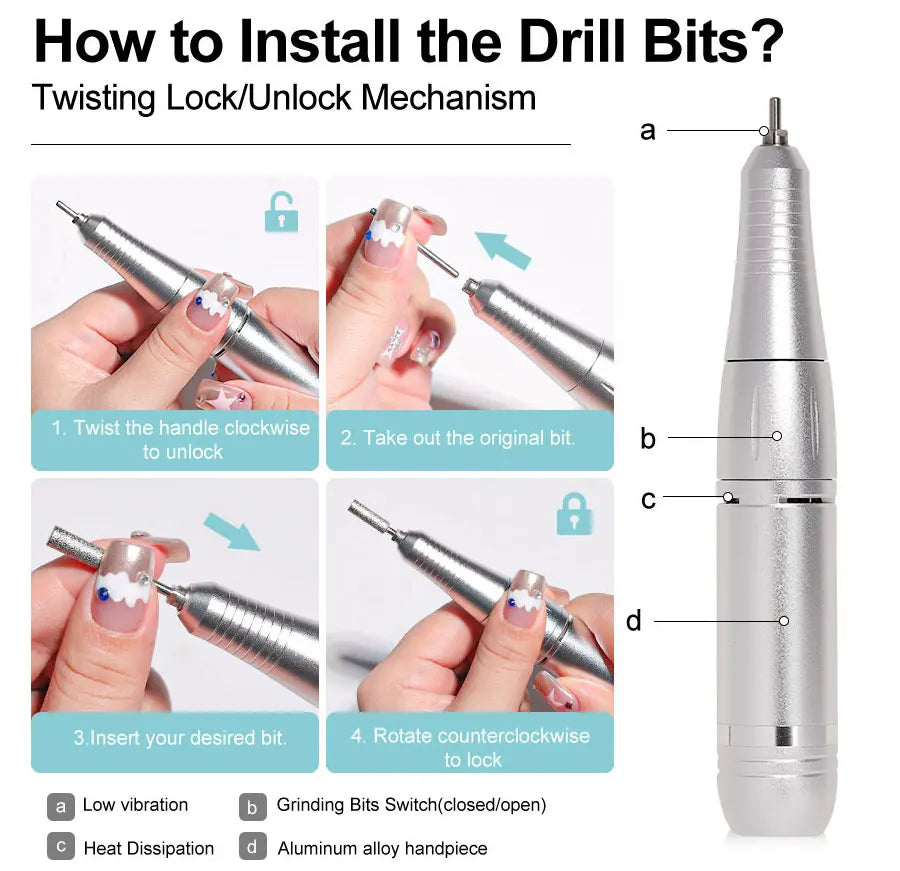
💅 Gentle technique and proper tools help prevent nail thinning during gel removal.
Step-by-Step: Safe Gel Polish Removal
Proper removal is the most important step in protecting your natural nails. Follow this process to minimize damage when removing gel polish at home.
- Lightly file the top gel layer using a fine-grit bit.
- Soak cotton pads in acetone and wrap each finger with foil for 10–15 minutes.
- Gently lift softened gel using a wooden pusher.
- Buff lightly, wash hands, and apply cuticle oil.
This method reduces friction and prevents unnecessary thinning of the nail plate.
Signs Your Nails Are Damaged From Gel Polish
If gel manicures are applied or removed incorrectly, your nails may show several warning signs.
- Thin or flexible nails that bend easily
- Peeling or splitting nail layers
- White patches on the nail surface
- Rough or uneven nail texture
- Sensitivity when pressing on the nail plate
These symptoms usually indicate that the top layers of the nail plate were removed. Fortunately, this type of damage is temporary in most cases.
How Long Nails Take to Recover After Gel Damage
Fingernails grow slowly—about 3 millimeters per month—so recovery takes time.
The timeline depends on how much of the nail plate was affected:
- Mild thinning: 2–4 weeks
- Peeling layers: 4–8 weeks
- Severely thinned nails: 2–3 months
Keeping nails moisturized and avoiding aggressive filing helps speed up the recovery process.
How to Repair Damaged Nails From Gel Polish
If your nails feel weak after gel manicures, the good news is that nail damage is usually temporary.
The key is protecting the nail while new layers grow out.
- Keep nails short to prevent splitting
- Apply cuticle oil daily to restore moisture
- Use strengthening base coats between manicures
- Avoid peeling or picking polish
- Take breaks between gel manicures
Learning how to strengthen weak nails can also help restore nail resilience.
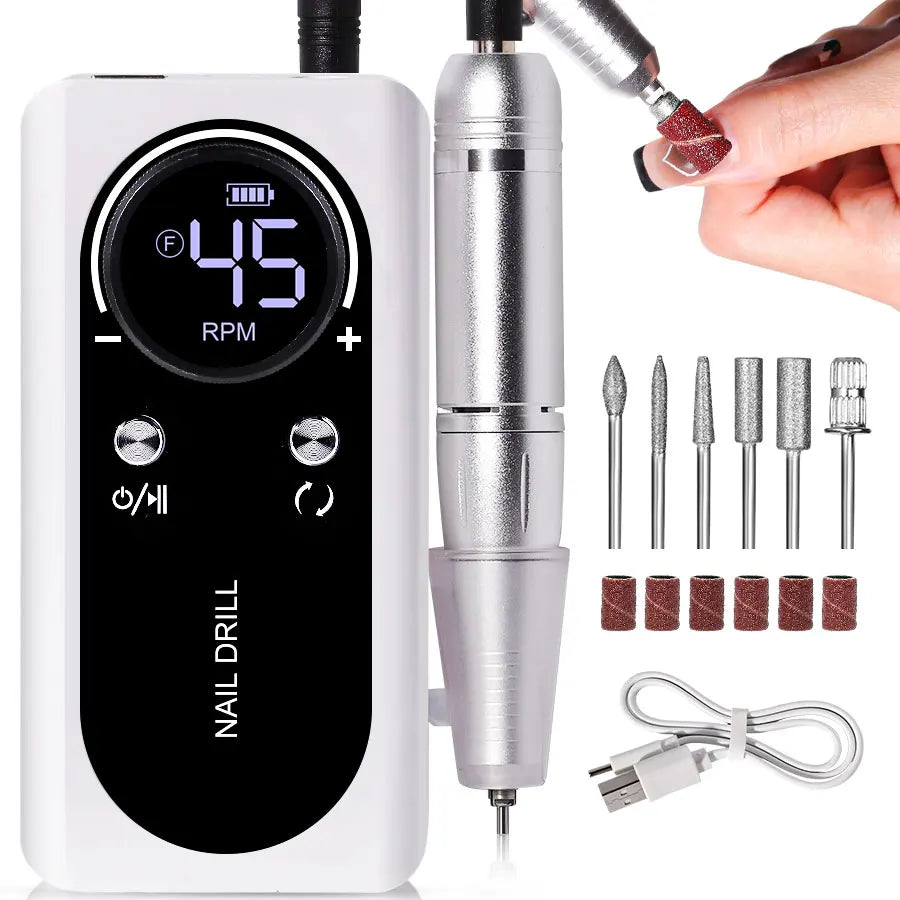
✨ Healthy nails return as new keratin layers grow.
How Often Is It Safe to Get Gel Manicures?
Dermatologists often recommend occasional breaks from gel manicures to allow the nail plate to recover.
A balanced routine may include:
- Limiting gel manicures to every 3–4 weeks
- Taking a one-to-two week break between sets
- Avoiding gel if nails show signs of peeling or thinning
This helps prevent cumulative thinning caused by repeated buffing and removal.
Frequently Asked Questions
1. Do gel manicures ruin your nails permanently?
No. Most nail damage from gel polish is temporary and improves as the nail grows out.
2. Why do my nails feel thin after gel polish?
Thin nails usually occur when layers of the nail plate are removed during aggressive buffing, peeling, or improper gel removal.
3. Does a nail drill damage nails?
Nail drills can cause damage if used incorrectly. However, when operated with low speeds and gentle technique, they mainly remove the gel layer rather than the natural nail.
4. How long does it take nails to recover from gel damage?
Mild damage may improve within a few weeks, while more severe thinning can take two to three months to grow out fully.
5. Is gel polish worse than regular nail polish?
Gel polish lasts longer and bonds more strongly to the nail plate. Because of this, improper removal is more likely to cause temporary nail thinning.
Tags: gel polish ruined my nails, damaged nails from drill, does a nail drill damage nails, nail drill to remove gel polish, gel polish damage, nail care tips, manicure mistakes, healthy nails, nail drill safety
Pillar Article: Nail Drill Bit Uses Explained: From Gel Removal to Buffing
Other Related Articles:
Explore More:













