

Glove for Removing Pet Hair: How to Choose the Right One
Pet hair can quickly collect on couches, clothing, bedding, carpets, and car seats, but the right glove for removing pet hair can make everyday cleanup much easier. A good pet hair removal glove should collect loose dog or cat hair instead of simply pushing it around, feel comfortable during repeated use, work across the surfaces you clean most often, and be easy to wash and reuse.
This guide explains how pet hair removal gloves work, what to look for before buying, where they perform best, how they compare with lint rollers and vacuum attachments, and how to use and clean one effectively.
What Is a Glove for Removing Pet Hair and How Does It Work?
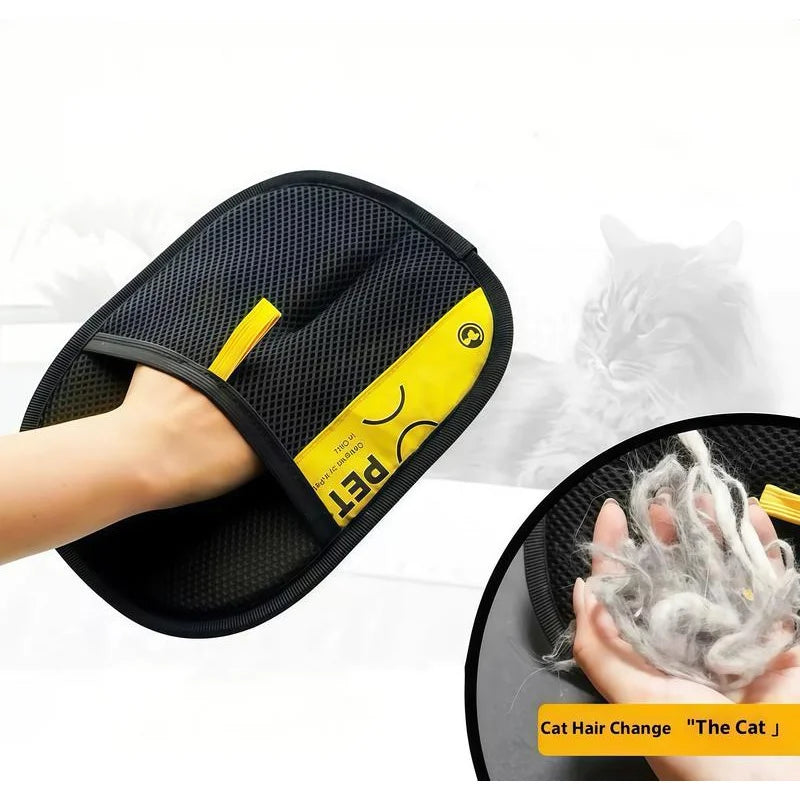
A glove for removing pet hair is a hand-worn cleaning or grooming tool designed to gather loose fur from pets and fabric surfaces. Depending on the construction, the working surface may use texture, rubberized material, or static-powered cleaning to help lift hair as you wipe or stroke across a surface.
How the Glove Lifts and Collects Pet Hair
The basic action is simple: move the glove across the hair-covered surface using consistent strokes. A textured or static-powered surface helps gather loose fur into a concentrated area rather than leaving individual strands scattered across the fabric.
For everyday shedding cleanup, this can be particularly useful when hair is sitting on upholstery, bedding, clothing, or other fabric surfaces. The hand-shaped design also lets you reach corners, seams, cushions, and other areas where a larger cleaning tool can be awkward.
Pet Hair Types It Can Remove
Pet hair gloves are generally most useful for loose short, medium, and long dog or cat hair. Short hair may require several passes because individual strands can be less visible and may cling closely to fabric. Longer hair can often gather into more noticeable clumps as you wipe.
There is an important limitation: surface-level loose fur is easier to collect than hair that has become deeply embedded in dense carpet or upholstery. When hair is heavily embedded, a rubber brush or vacuum attachment may provide more aggressive removal.
Pet Grooming Glove vs Pet Hair Removal Glove
A pet grooming glove is primarily designed for use on the animal, while a household pet hair removal glove focuses on collecting fur from surfaces. Some products combine both functions. The KentDo Pet Hair Remover Glove is described as a 2-in-1 tool for grooming pets and cleaning surrounding fabrics.
How to Choose the Right Pet Hair Removal Glove
The best glove for removing pet hair depends less on a generic feature list and more on how you plan to use it. Consider the hair your pet sheds, the surfaces you clean, how frequently you clean, and whether you also want to use the glove for grooming.
1. Hair-Collection Performance
Look for a glove that gathers loose hair rather than simply moving it from one part of a couch or garment to another. Static-powered cleaning can help lift loose pet hair, lint, and dust, while a textured working surface can provide additional grip.
If your home has frequent shedding, test the glove on the actual surfaces where hair accumulates most. A glove that works well on a smooth shirt may behave differently on upholstery or a dense rug.
2. Surface Material and Texture
Surface construction affects both hair pickup and compatibility. Silicone, rubber, fabric, and textured surfaces can produce different levels of friction and hair collection.
For furniture and bedding, you want enough texture to collect loose fur without being unnecessarily harsh on the fabric. For clothing, a gentler approach may be preferable, especially with delicate materials. Always use appropriate pressure for the surface being cleaned.
3. Right-Hand or Left-Hand Fit
A glove should remain secure while allowing your fingers and wrist to move naturally. Pay attention to the glove's shape, wrist fit, flexibility, and whether it is designed specifically for one hand or can accommodate either hand.
This becomes more important during longer cleaning sessions. A flexible construction can make repeated wiping more comfortable than a rigid tool that requires a tight grip.
4. Reusable and Washable Design
If you clean pet hair regularly, reusable construction can be more convenient than repeatedly replacing disposable sheets. A washable glove can be rinsed or machine washed according to its care instructions and returned to use.
The KentDo Pet Hair Remover Glove is specified as reusable and washable, with care instructions indicating that it can be rinsed or machine washed for repeated use.
5. Pet Comfort and Safety
If you intend to use a glove during grooming, comfort matters as much as cleaning performance. Use gentle pressure and avoid irritated, damaged, or particularly sensitive skin. The glove should not be used aggressively simply because it is effective at collecting loose hair.
6. Ease of Cleaning
A hair remover is much more practical when the collected fur can be removed without creating another difficult cleanup task. Consider whether hair can be peeled, shaken, brushed, or rinsed away easily and whether the material tends to trap fur.
Where Can You Use a Pet Hair Removal Glove?
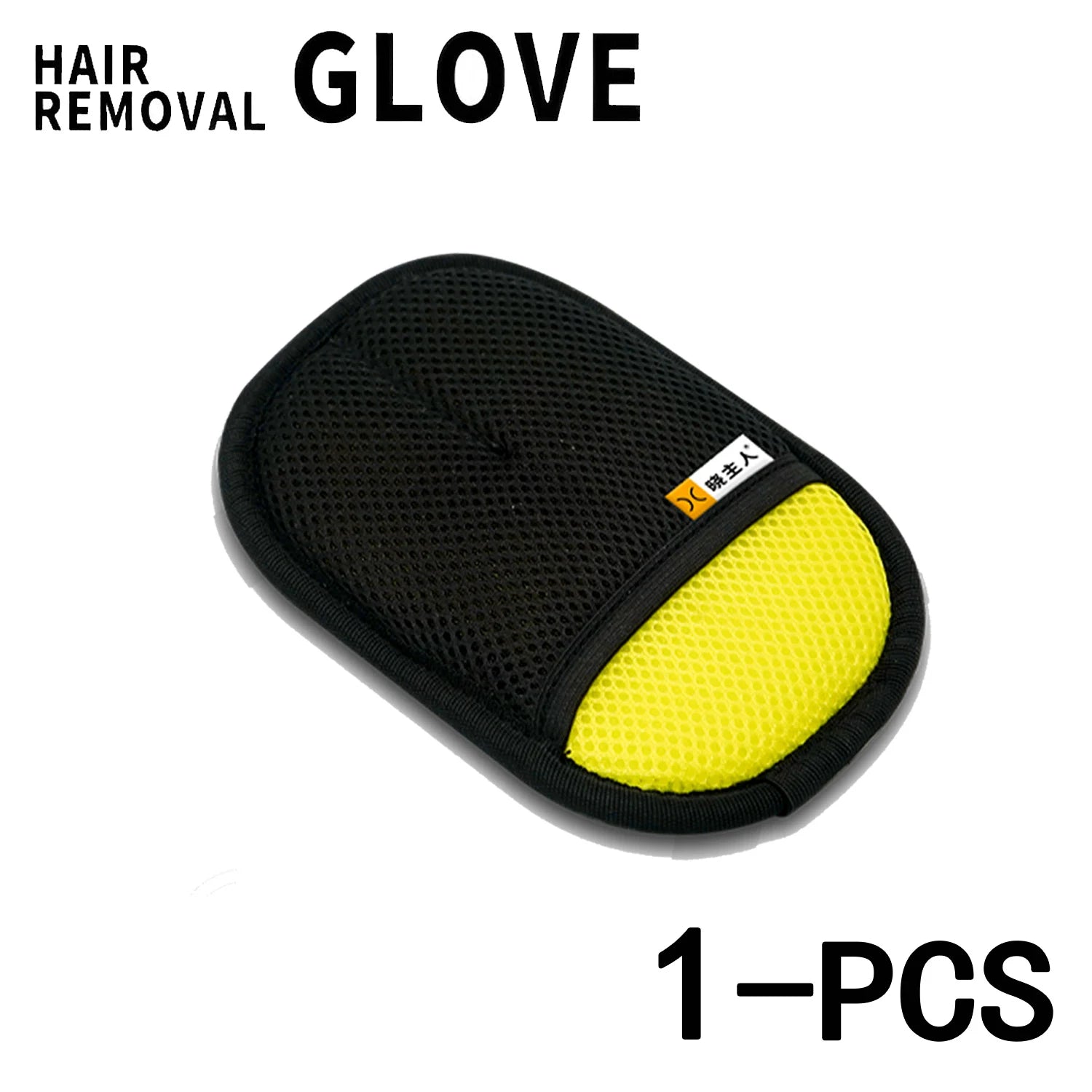
A pet hair removal glove is particularly useful when hair is spread across fabric surfaces that are easier to wipe by hand than to vacuum individually.
Furniture and Upholstery
Use controlled strokes across sofas, chairs, cushions, and other upholstery. Work around seams and corners where loose dog hair or cat hair tends to collect. Avoid excessive pressure on delicate upholstery.
Clothing and Fabric
A glove can help collect loose pet hair from everyday clothing and fabric items. It is especially useful when you need a quick reusable alternative to disposable lint rollers. For delicate garments, test an inconspicuous area first and use light pressure.
Pet Bedding
Blankets, beds, and washable pet bedding can accumulate concentrated amounts of fur. A glove can gather loose hair before the bedding goes into the wash, reducing the amount of loose fur that needs to be handled later.
Carpet and Rugs
Gloves can handle surface-level pet hair on carpets and rugs, but they are not necessarily the best choice for deeply embedded fur. Dense carpet may require a rubber brush or vacuum attachment to loosen and remove hair more effectively.
Car Interior
Car seats, floor mats, and fabric panels can collect pet hair in seams and textured areas. A hand-sized glove can be useful for working around these smaller areas where a larger cleaning tool may be inconvenient.
Before-and-After: How Well Does a Pet Hair Removal Glove Work?
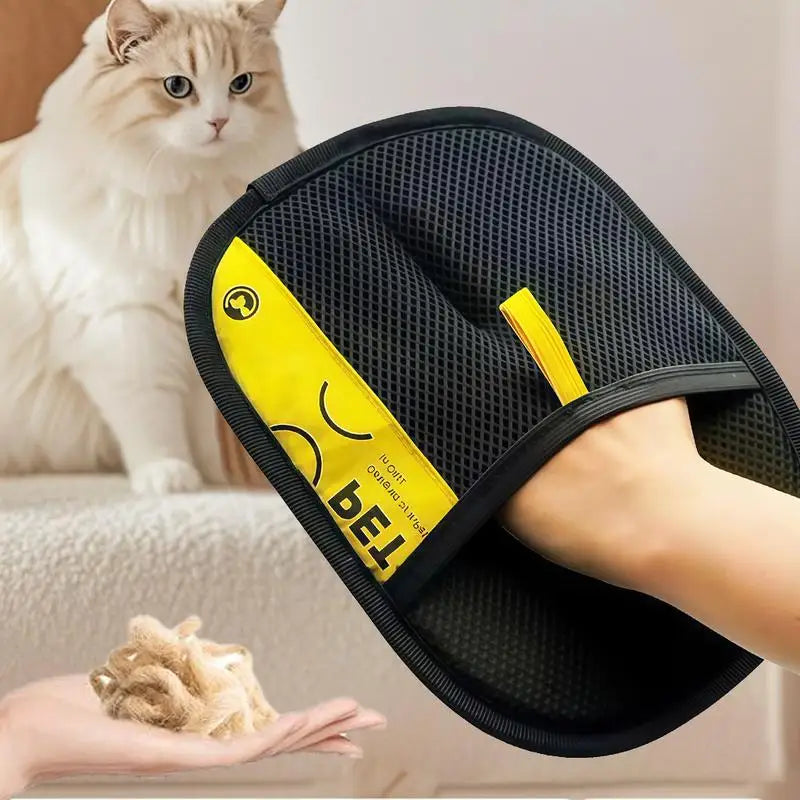
The most useful way to evaluate a glove is by looking at the complete workflow: how easily it gathers hair, whether the hair forms manageable clumps, and how much cleanup remains afterward.
Short-Haired Dog Hair Test
Start with a fabric surface containing loose short dog hair. Move the glove in consistent strokes and observe whether the hair gathers into a concentrated area. Short hair may require several passes, particularly when individual strands are closely attached to fabric.
Long-Haired Dog or Cat Hair Test
Longer fur can be easier to see as it accumulates on the glove. Repeated strokes should help gather loose strands into clumps that are easier to remove from the surface and dispose of.
Furniture and Bedding Test
Furniture and pet bedding provide a practical test because they often contain concentrated shedding. Focus on cushions, seams, corners, and areas where pets regularly rest. A before-and-after comparison should look at both visible hair reduction and how much effort was required.
What the Glove Does Not Remove Well
No manual glove should be treated as a universal replacement for every cleaning tool. Deeply embedded hair, heavy accumulations, dense carpet, and unsuitable delicate materials may require another method. A realistic buying decision should account for these limitations rather than expecting one glove to handle every type of pet-hair problem.
The KentDo Pet Hair Remover Glove is designed for cats and dogs and uses static-powered hair removal. Its listed applications include clothing, carpets, couches, bedding, and car seats.
Pet Hair Removal Glove vs Other Hair Removal Tools
Quick Comparison
| Tool | Hair Pickup | Reusable | Furniture | Clothing | Car Interior | Deep Embedded Hair |
| Pet hair removal glove | Good for loose hair | Yes | Good | Good | Good | Limited |
| Lint roller | Good for surface hair | Usually no | Good | Very good | Good | Limited |
| Rubber pet hair brush | Good to strong | Yes | Good | Variable | Good | Good |
| Vacuum attachment | Strong with suction | Yes | Good | Usually unsuitable | Good | Strong |
Glove vs Lint Roller
A lint roller is convenient for quickly removing hair from clothing and other surfaces, but many lint rollers rely on disposable adhesive sheets. A reusable glove can be a better fit for frequent household cleanup when you want one washable tool that can be used repeatedly.
Glove vs Rubber Pet Hair Brush
A rubber pet hair brush generally provides more aggressive friction and can be useful when hair is embedded in upholstery or carpet. A glove offers a more hand-directed approach and can be convenient when you need to work around seams, corners, furniture edges, or smaller areas.
Glove vs Vacuum Cleaner Attachment
Vacuum attachments are useful when there is a large amount of hair or when fur is embedded deeply enough to require suction. A glove can be faster for small areas, quick touch-ups, and situations where setting up a vacuum is unnecessary.
How to Use a Glove for Removing Pet Hair
Using the glove correctly can make the difference between collecting hair efficiently and simply spreading it around the surface.
Step 1: Put On and Adjust the Glove
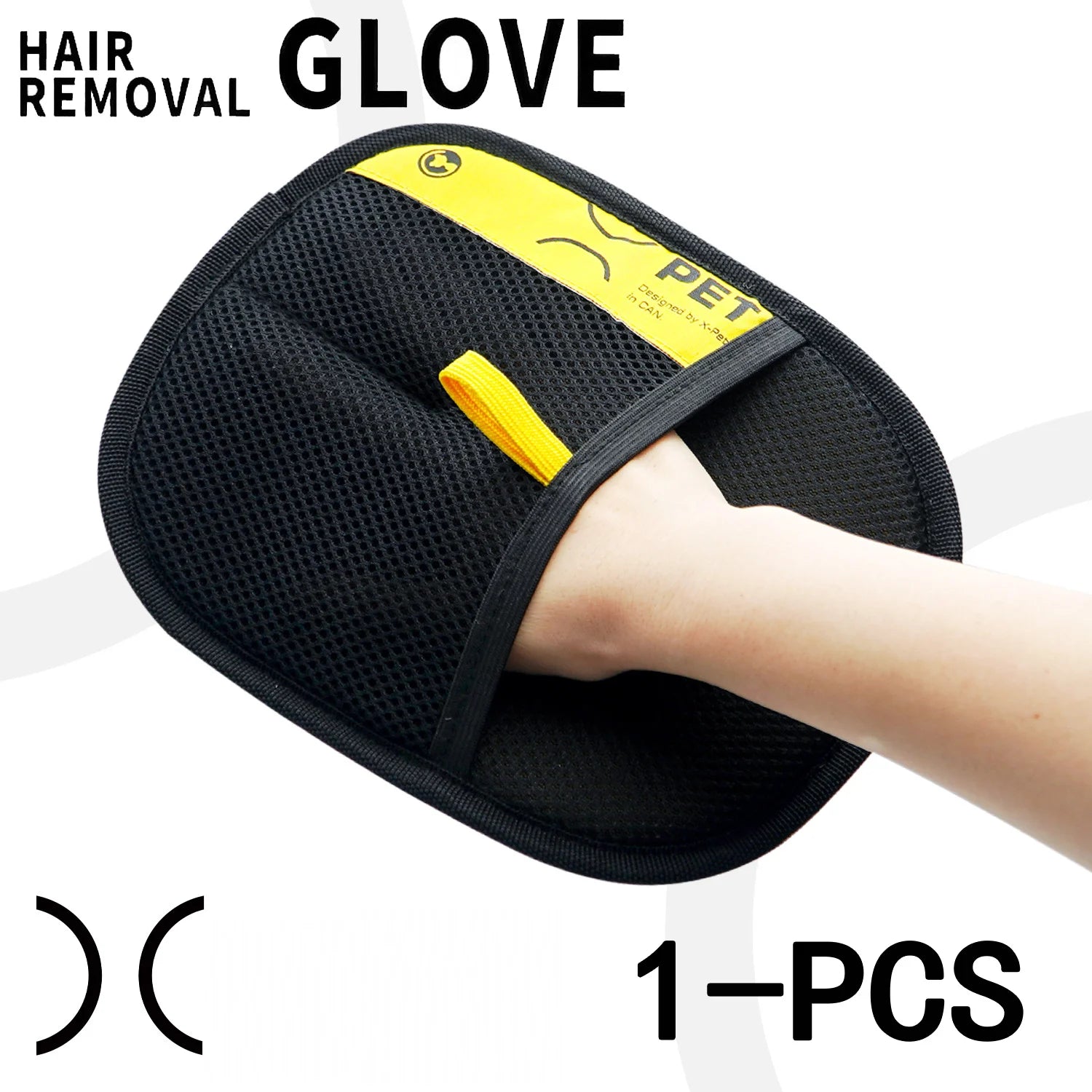
Put the glove on your preferred hand and adjust it so it feels secure without restricting movement. A comfortable fit makes it easier to maintain consistent strokes during larger cleaning jobs.
Step 2: Wipe in One Direction
Use controlled strokes in one direction rather than rapidly rubbing back and forth. Consistent movement helps gather loose fur into a concentrated area.
Step 3: Form Hair Into Clumps
Continue working across the surface until the collected hair begins forming manageable clumps. Remove concentrated fur periodically instead of allowing it to accumulate excessively on the glove.
Step 4: Pick Up Remaining Hair
Make a final pass around seams, corners, edges, and other areas where loose hair remains. These small finishing passes can make furniture and fabric appear noticeably cleaner.
How to Clean and Reuse a Pet Hair Removal Glove
How to Remove Hair From the Glove
After cleaning, remove the accumulated fur before storing the glove. Depending on the material and construction, this may involve peeling or shaking off collected hair followed by rinsing.
When and How to Wash It
Wash the glove according to the manufacturer's care instructions. The KentDo Pet Hair Remover Glove is described as reusable and washable, and its product information states that it can be rinsed or machine washed and reused as needed.
How to Dry and Store the Glove
Allow the glove to dry completely before storing it. Keeping a washable cleaning tool dry between uses can help prevent unwanted moisture buildup and makes it ready for the next cleanup session.
Pet Hair Removal Glove Buying Checklist
Choose a Glove With These Features
- Effective pickup of loose dog and cat hair
- A comfortable fit that allows natural hand movement
- A texture appropriate for the surfaces you clean
- Reusable and washable construction
- Easy removal of collected hair
- Compatibility with the furniture, clothing, bedding, carpet, or car surfaces you clean most often
- Suitable construction if you also intend to use it for pet grooming
Red Flags to Avoid
- Poor fit that makes repeated cleaning uncomfortable
- Weak hair pickup that only moves fur around
- Material that traps collected hair and is difficult to clean
- Rough construction that is inappropriate for the intended surface or grooming use
- Unclear care instructions
Pros: Reusable, washable, hand-friendly, suitable for cats and dogs, and designed for both pet grooming and household fabric cleaning.
Cons: Manual cleaning takes more effort than vacuuming large areas, and a glove may be less effective than a rubber brush or vacuum attachment for deeply embedded or heavily accumulated hair.
Is a Reusable Pet Hair Removal Glove Worth Buying?
A reusable pet hair removal glove is worth considering if you regularly deal with loose fur on furniture, clothing, bedding, carpets, or car interiors and want a washable alternative to disposable lint rollers. The strongest reason to choose this type of tool is convenience: one flexible glove can be used for recurring touch-ups without requiring a new adhesive sheet each time.
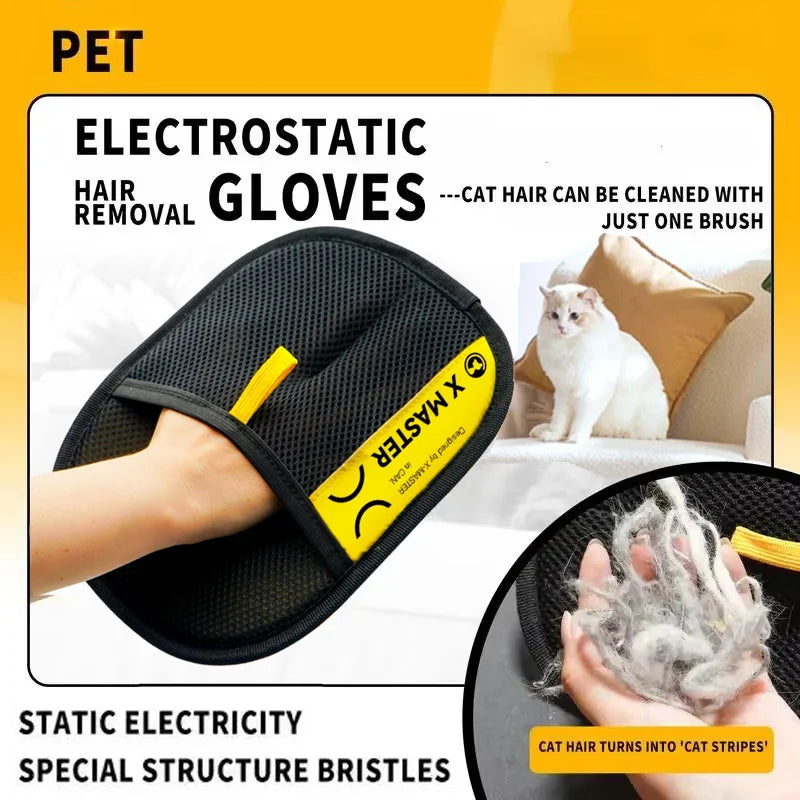
Best Choice for Frequent Pet-Hair Cleanup
The KentDo Pet Hair Remover Glove is designed around frequent everyday cleanup. It uses static-powered cleaning to help lift loose pet hair, lint, and dust, while its reusable and washable construction is intended for repeated use. It is listed for cats and dogs and for surfaces including clothing, carpets, couches, bedding, and car seats.
For shoppers looking for a glove for removing pet hair, the product's 2-in-1 design is particularly relevant when grooming and household cleanup are both part of the routine.
Learn more about the Pet Hair Remover Glove for Dogs & Cats – Reusable & Washable and consider whether its static-powered, washable design matches your cleaning needs.
When Another Tool May Be Better
A glove is not automatically the best tool for every situation. Choose a lint roller when portability and quick clothing cleanup are the priority. Choose a rubber pet hair brush when you need stronger friction on upholstery or carpet. Choose a vacuum attachment when large amounts of hair or deeply embedded fur require suction.
Final Takeaway
The best glove for removing pet hair is the one that matches your pet's hair type, the surfaces you clean, your hand fit, and your cleaning frequency. Prioritize hair-collection performance, surface compatibility, comfort, washable construction, easy cleanup, and realistic limitations.
For frequent shedding cleanup, a reusable pet hair removal glove can be a practical everyday tool for collecting loose fur from cats, dogs, furniture, clothing, bedding, carpets, and car interiors. When deeper cleaning is necessary, pairing the glove with a rubber brush or vacuum attachment can provide a more complete approach.
Pillar Article: Electrostatic Pet Hair Remover Glove: Hands-On Comparison













