

How to Use a Facial Steamer Properly (Step-by-Step Guide for Beginners)
Facial steaming can boost hydration, support deeper cleansing, and improve how skincare is applied—but only when used correctly. From proper preparation to post-steam care and pairing with tools like a nano facial mist or a 7 color LED mask , this guide explains the exact facial steamer steps for healthier-looking, glowing skin.
Excerpt: Learn how to use a facial steamer properly with step-by-step instructions, prep tips, and post-steam care to maximize glow and hydration.
Meta Description: Discover the correct facial steamer steps, prep routine, and post-steam care to get glowing skin safely at home.
⏱ 7 min read
See price — stock low!
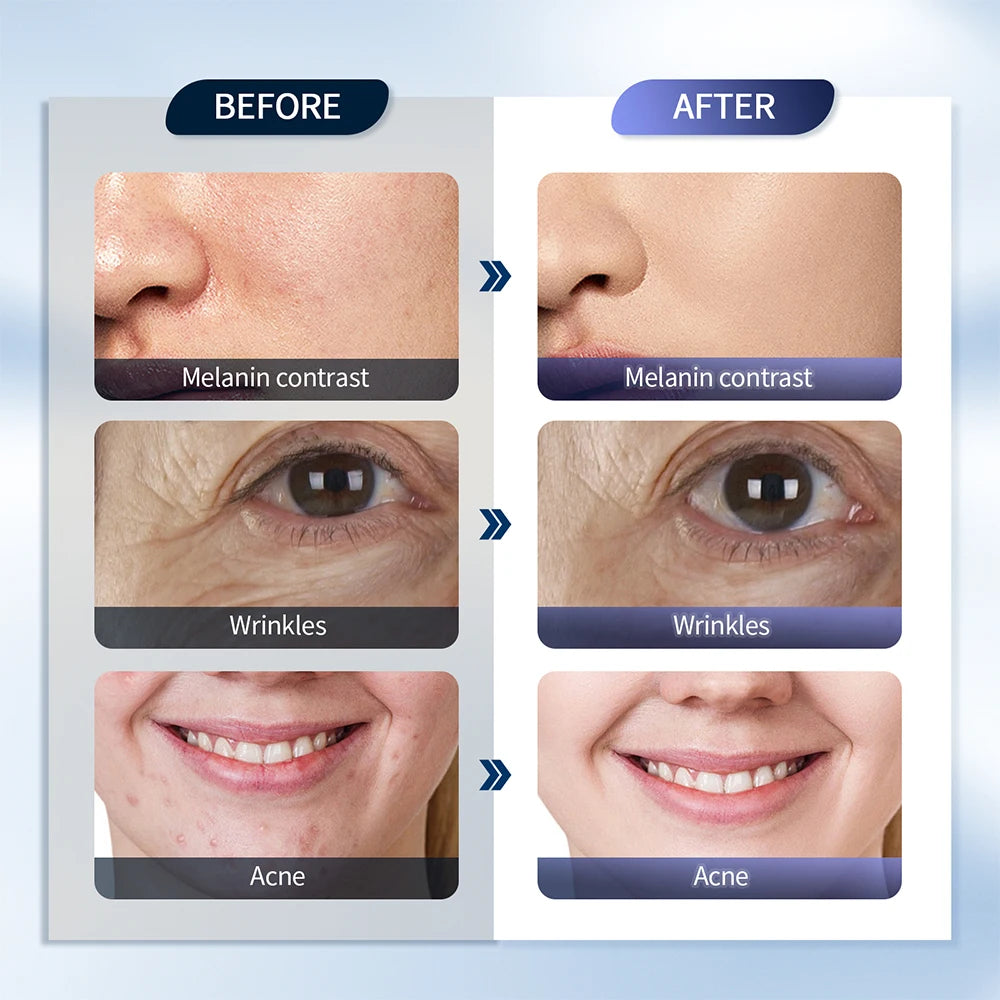
See it in action: nano facial steamer + 7 color LED mask = ultimate prep
Why Facial Steaming Works for Your Skin
Facial steaming gently warms the skin and increases surface hydration for a short period. The warmth softens hardened sebum, dead skin cells, and debris inside pores, making cleansing easier. Steam does not permanently change your pores, but it can make removing impurities more effective when used as part of a complete skincare routine.
How Facial Steam Affects Your Skin
Steam increases moisture on the skin's surface while improving flexibility of the outer skin layer. This can help skincare products spread more evenly after steaming, although it does not dramatically increase absorption. Regular steaming should always be paired with cleansing and moisturizing for balanced results.
- Softens oil and debris
- Supports more effective cleansing
- Temporarily hydrates the skin surface
- Promotes relaxation through warm vapor
The Truth About "Opening Pores"
Pores do not open or close because they lack muscles. Heat simply softens the material inside pores and increases surface circulation. This helps cleansing work more effectively, but does not physically change pore size.
Who Should (and Shouldn't) Steam Their Face
Most people with normal, combination, or oily skin can safely steam occasionally. Those with rosacea, eczema, sunburn, very sensitive skin, or active irritation should avoid or consult a dermatologist before using steam, as heat may worsen symptoms.
How to Prep Skin Before Steaming (Essential First Step)
Proper preparation helps reduce irritation and improves how effectively facial steaming works.
Cleanse Your Face Properly
Always begin with a gentle cleanser to remove sunscreen, makeup, dirt, and excess oil before steaming.
Should You Exfoliate Before Steaming?
Avoid strong exfoliation immediately before steaming. Combining acids or scrubs with heat may increase sensitivity.
What Products to Avoid Before Steam
- Retinoids
- Strong AHAs or BHAs
- Benzoyl peroxide (if skin is easily irritated)
- Alcohol-heavy toners
Steam Face Before or After Cleansing?
You should always cleanse before steaming. Clean skin allows steam to work more effectively on residual oil and debris without pushing impurities deeper into pores.
How to Prep Skin Before Steaming Based on Skin Type
- Oily skin: Use a gentle foaming cleanser.
- Dry skin: Choose a hydrating cleanser.
- Sensitive skin: Avoid exfoliation before steaming.
- Acne-prone skin: Clean gently without scrubbing.
Facial Steamer Steps: How to Steam Your Face Properly at Home
-
Step 1 – Fill and Prepare Your Facial Steamer
Use clean, preferably distilled water and allow the device to fully warm up before starting.
-
Step 2 – Position Your Face at the Correct Distance
Keep your face approximately 6–10 inches (15–25 cm) away. Move farther if the heat feels uncomfortable.
-
Step 3 – Steam for the Recommended Time
Steam for 5–10 minutes depending on skin type. Beginners should start with shorter sessions.
-
Step 4 – Pat Skin Dry Without Rubbing
Gently blot your face with a clean towel to avoid irritation.
-
Step 5 – Continue With Your Skincare Routine
Apply hydrating skincare while the skin is slightly damp, then follow with moisturizer to lock in hydration.
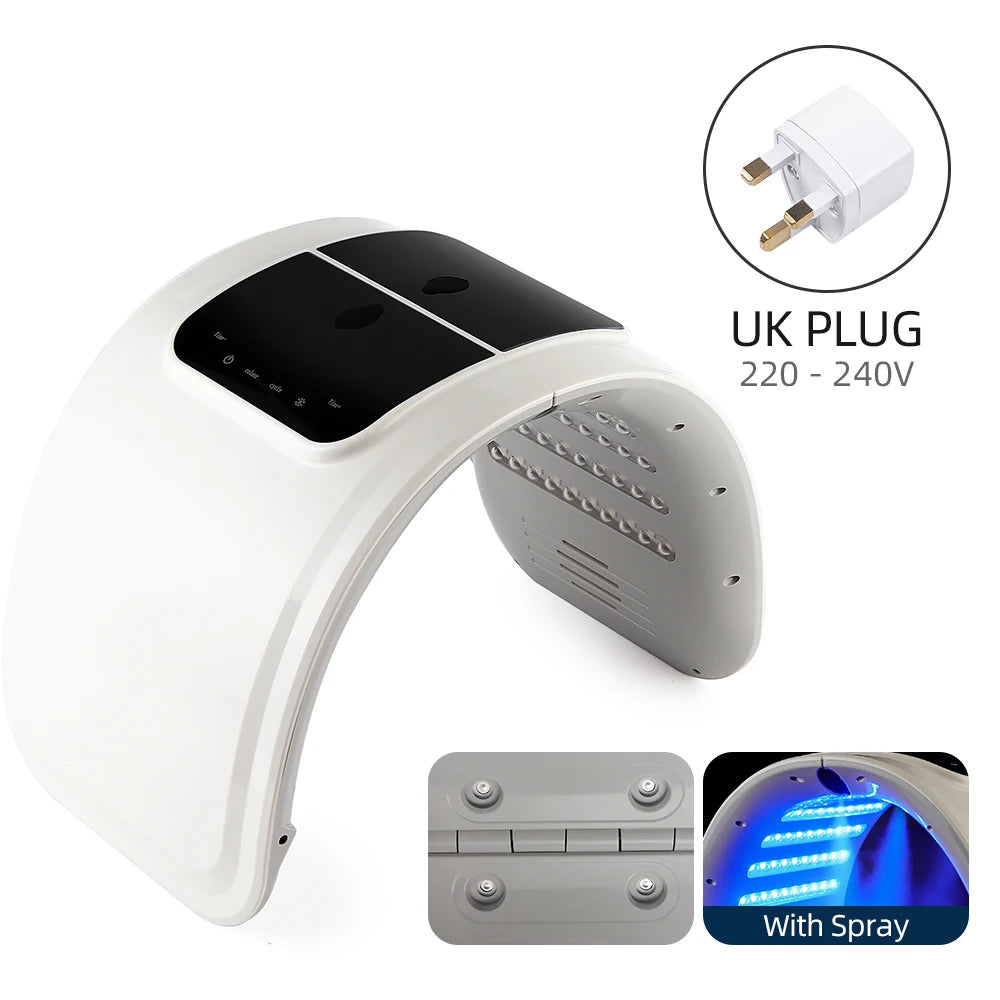
Pair your nano facial steamer with LED skincare tools for enhanced routine support
Try the full KentDO system now
What to Do After Steaming Your Face
After steaming, your skin is more receptive to hydration-focused skincare, making post-care especially important.
Apply a Hydrating Serum First
Use ingredients like hyaluronic acid, glycerin, or panthenol to replenish moisture after steaming.
Steam Face Before Mask or After Mask?
Steaming is typically done before wash-off masks to help soften surface buildup. Avoid steaming before strong exfoliating masks if your skin is sensitive.
Moisturize to Reduce Water Loss
Apply a moisturizer suited to your skin type to reduce transepidermal water loss and maintain hydration.
How to "Close Pores" After Steaming
Pores do not physically open or close. Instead of focusing on closing them, use cool (not ice-cold) water and calming skincare to soothe the skin.
Facial Steaming Routine by Skin Type
Oily & Acne-Prone Skin
Steam once weekly for 5–10 minutes, followed by gentle cleansing and lightweight, non-comedogenic hydration.
Dry Skin
Steam every 1–2 weeks for short sessions and prioritize rich hydration afterward.
Sensitive Skin, Rosacea & Eczema
Heat may aggravate these conditions. Avoid steaming unless advised by a skincare professional.
Combination Skin
Steam occasionally and adjust post-care based on dry and oily zones.
Mature Skin
Use short steaming sessions followed by antioxidant-rich serums and barrier-supporting moisturizers.
How Often Should You Steam Your Face?
Recommended Frequency by Skin Type
- Oily skin: 1–2 times per week
- Combination skin: Once weekly
- Dry skin: Every 1–2 weeks
- Sensitive skin: Only if well tolerated
Signs You're Steaming Too Often
- Redness or irritation
- Dry or tight skin
- Increased sensitivity
- Flaking or discomfort
Common Mistakes When Using a Facial Steamer
Over-Steaming
Too much steaming can weaken the skin barrier and cause dryness.
Standing Too Close
Always maintain a safe distance to avoid irritation or burns.
Using Steam That Is Too Hot
Steam should feel warm and comfortable, not painful.
Skipping Post-Steam Hydration
Not moisturizing afterward reduces the benefits of steaming.
Ignoring Skin Irritation
Stop immediately if redness or discomfort occurs.
Professional Facial Steamers vs Home Steamers
Key Differences
Professional steamers provide more consistent output and adjustable settings, while home devices are designed for convenience and daily skincare routines.
Which One Is Right for You?
Most users achieve excellent results with a quality home facial steamer when used correctly and consistently.
Shop now — limited stock!
FAQ: Facial Steamer Steps & Safety Tips
Do you steam your face before or after cleansing?
Always cleanse before steaming.
When should you steam your face in your skincare routine?
Steam after cleansing and before applying serums or wash-off masks.
Can facial steaming help acne?
It may help soften debris but is not an acne treatment. Follow a consistent acne skincare routine for results.
Is it okay to steam your face every day?
Daily steaming is not recommended as it may irritate the skin barrier.
Can steaming damage your skin?
Yes, excessive heat or overuse may cause dryness or irritation.
Do you steam your face before or after cleansing?
Always before skincare steps but after cleansing.
How long should you steam your face?
5–10 minutes depending on skin sensitivity.
Should you wash your face after steaming?
No, simply pat dry and continue skincare.
Pillar Article: How to Use a 7 Color LED Mask Safely and Effectively at Home













