

How to Remove Pet Hair: 10 Easy Methods That Work
Pet hair has a way of showing up everywhere: on the couch after your dog naps, on black clothes after your cat brushes past you, in carpet fibers, and even on car seats. Regular vacuuming helps, but it is not always the fastest or most effective way to remove loose fur from every surface.
The best way to remove pet hair depends on where the hair has collected and how tightly it is stuck. Rubber and reusable hair-removal tools work well on upholstery, lint rollers are convenient for clothing, vacuums handle floors and rugs, and microfiber cloths are useful for hard surfaces. The key is matching the method to the surface instead of using one cleaning tool for everything.
Below are 10 practical pet hair removal methods, followed by surface-specific routines and simple ways to prevent excessive buildup.
The Best Ways to Remove Pet Hair at a Glance
10 Pet Hair Removal Methods Compared
| Method | Best For | Ease | Best Use |
| Rubber grooming glove | Couches and upholstery | Easy | Loosening and gathering loose fur |
| Lint roller | Clothing and bedding | Very easy | Quick surface cleanup |
| Vacuum cleaner | Floors and rugs | Easy | Large amounts of accumulated hair |
| Microfiber cloth | Hard surfaces | Easy | Loose fur, lint, and dust |
| Damp rubber glove | Embedded fabric hair | Easy | Stubborn hair on upholstery |
| Reusable pet hair remover | Couches and carpets | Easy | Repeat cleaning without disposable sheets |
| Brush and shake | Clothing and bedding | Easy | Removing loose hair before washing |
| Fabric softener | Some washable fabrics | Easy | Helping loosen hair during laundry |
| Vacuum attachment | Furniture and tight spaces | Easy | Seams, cushions, edges, and corners |
| Regular pet grooming | Loose fur prevention | Moderate | Reducing hair released around the home |
10 Easy Methods to Remove Pet Hair
1. Use a Rubber Grooming Glove on Upholstery
A rubber or textured grooming glove can be an effective way to remove dog hair from furniture and cat hair from couches. Move your hand across the fabric in short strokes rather than pressing hard. The friction helps gather loose hair into small clumps that are easier to pick up or vacuum.
This approach is particularly useful when pet hair has accumulated on couch cushions, chair backs, blankets, and other upholstery. Work in one direction first, gather the loosened fur, and then vacuum any remaining debris.
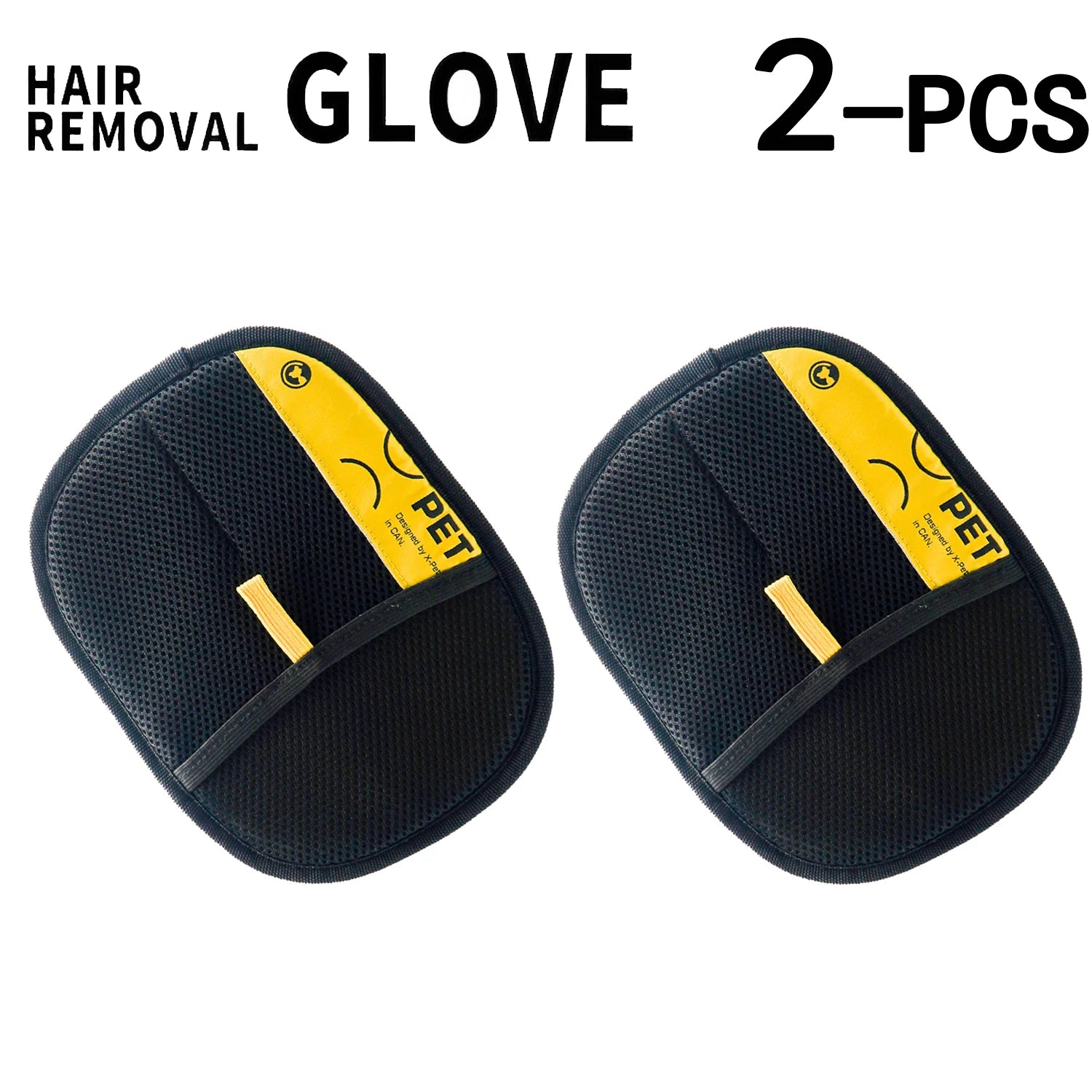
A reusable pet hair remover glove can make this routine more convenient because the same flexible tool can be used for pet grooming and fabric cleanup.
2. Run a Lint Roller Over Clothes and Small Surfaces
A lint roller is one of the quickest solutions when cat hair is stuck to clothes or dog hair has collected on a jacket, cushion, or small blanket. Roll over the fabric in overlapping passes, paying extra attention to sleeves, seams, pockets, and areas where your pet regularly makes contact.
Lint rollers are convenient for last-minute clothing cleanup, although disposable sheets can become less practical when you are dealing with pet hair throughout the house every day. A reusable pet hair remover can be a useful alternative for people who want a washable cleaning tool.
3. Vacuum Floors, Rugs, and Pet Hair Hotspots
For floors and carpets covered in pet hair, vacuuming remains one of the most useful methods. Start with areas where your pet sleeps, eats, or spends the most time. Then work along baseboards, underneath furniture, around corners, and across rugs.
If hair is deeply embedded in carpet fibers, loosen it first with an appropriate pet hair removal tool or brush. Vacuuming afterward can then collect the loosened fur more efficiently.
4. Use a Microfiber Cloth on Hard Surfaces
Pet hair does not only collect on fabrics. Loose fur and dust can settle on tables, shelves, baseboards, cabinets, and other smooth surfaces. A dry microfiber cloth can help collect this debris instead of simply pushing it from one area to another.
Use gentle strokes and clean the cloth regularly as it becomes covered with hair. For larger areas, work from higher surfaces downward so you can clean up anything that falls onto the floor afterward.
5. Dampen a Rubber Glove for Stubborn Fabric Hair
When dry rubbing does not remove stubborn pet fur, a slightly damp rubber glove can provide additional friction. Lightly dampen the glove, squeeze out excess water, and run it across the fabric in one direction.
The goal is to collect the hair, not soak the upholstery. Always check the manufacturer's care instructions before using moisture on furniture or other delicate materials.
6. Use a Pet Hair Removal Tool on Couches and Carpets
Reusable pet hair removal tools are useful when disposable lint sheets are not practical for the amount of fur in your home. Many are designed to gather loose hair from fabrics through friction, static, or textured surfaces.
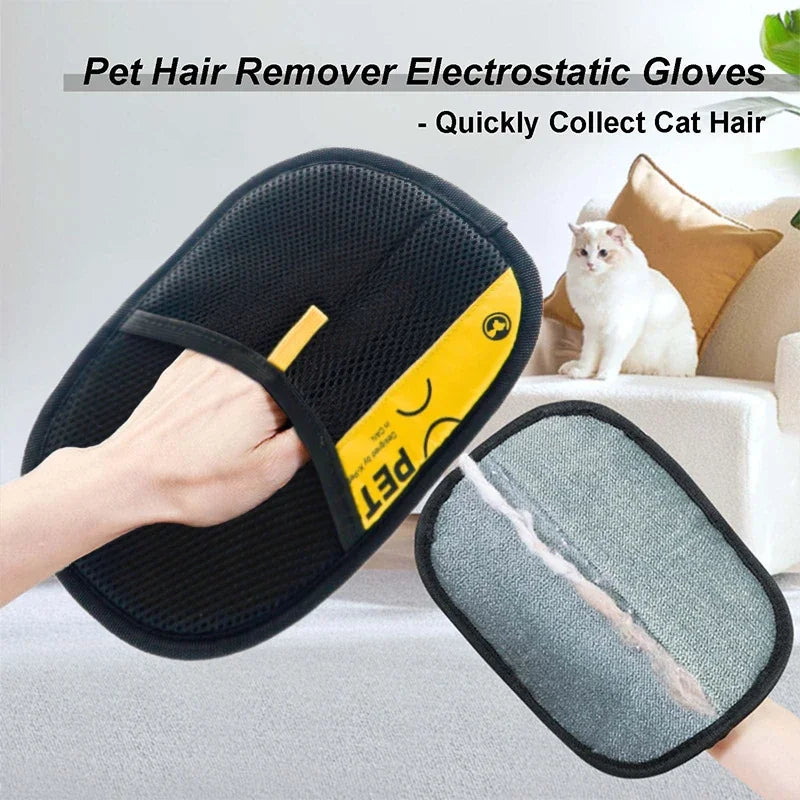
The KentDO Pet Hair Remover Glove is designed as a reusable hair-removal mitt for cats and dogs. Its static-powered cleaning action helps lift loose pet hair, lint, and dust, while its flexible glove design can be used on clothing, couches, carpets, bedding, and car seats.
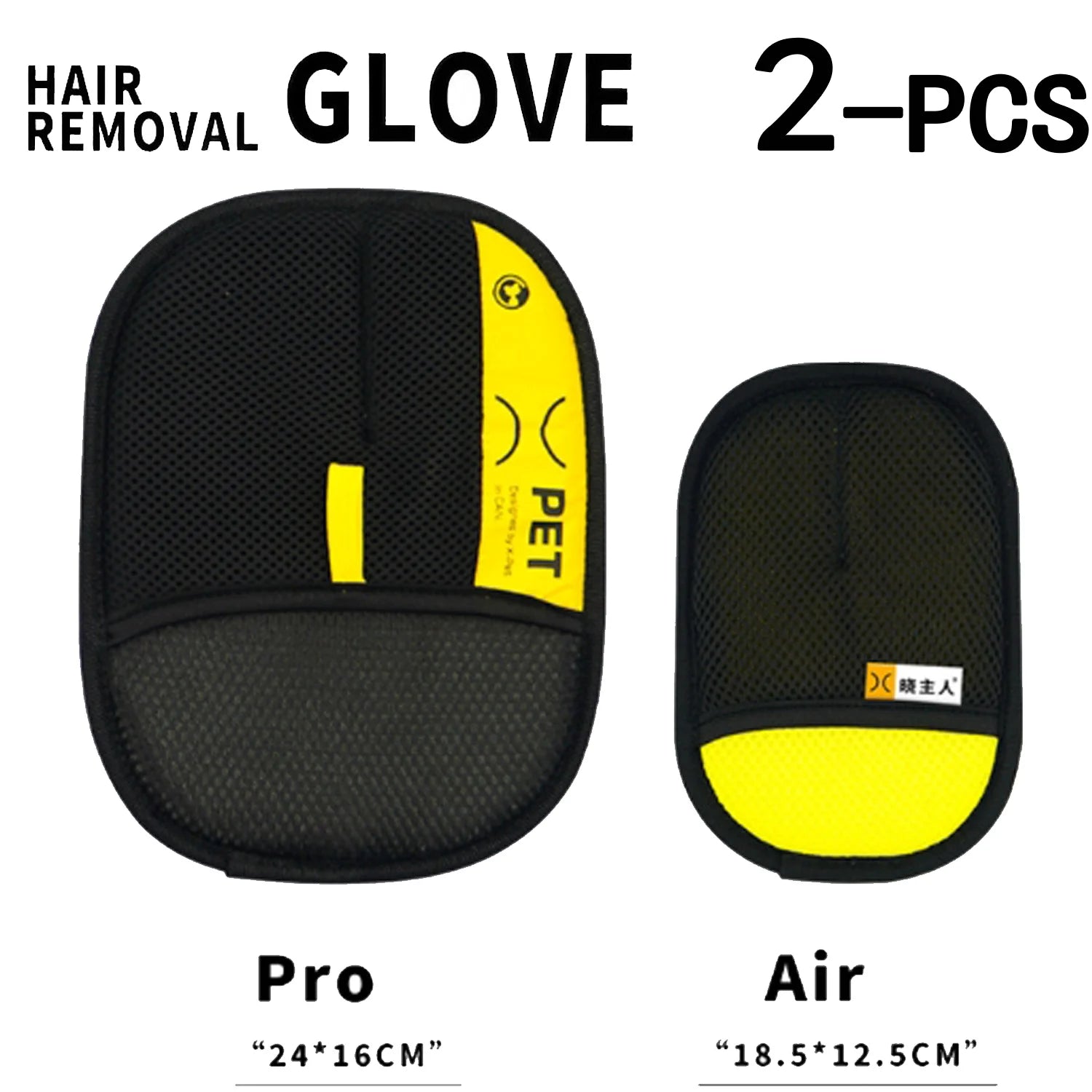
Because it is washable and reusable, it can fit into a routine where pet hair cleanup happens frequently rather than only during occasional deep cleaning.
7. Shake and Brush Fabrics Before Washing
Do not automatically put heavily hair-covered clothes or bedding straight into the washing machine. First shake the item outdoors or over an easy-to-clean area, then brush or roll away as much loose fur as possible.
Removing excess hair before laundering helps keep large amounts of fur from circulating through the wash. Pay particular attention to blankets, pet bedding, coats, and clothing that your pet frequently touches.
8. Use Fabric Softener Carefully for Laundry Hair
Fabric softener may help loosen pet hair from some washable fabrics, but it should never override the garment's care instructions. Follow the directions for the specific product and fabric, and avoid assuming that more product will produce better results.
For heavily covered garments, mechanical removal before washing is still a useful first step. Brushing, shaking, or using a lint-removal tool can reduce the amount of loose fur entering the washer.
9. Use a Vacuum Attachment for Furniture and Tight Spaces
Vacuum attachments can reach places where a standard floor head cannot. Use an upholstery attachment on cushions and fabric furniture, and a crevice attachment around seams, between cushions, along stairs, and beneath furniture.
For stubborn furniture hair, loosen the fur manually first and then vacuum. This two-step approach can be more effective than repeatedly running the vacuum over hair that is tightly attached to the fabric.
10. Groom Your Pet Regularly to Reduce Loose Fur
Pet hair cleanup starts with the pet. Regular grooming can help remove loose fur before it falls onto your furniture, clothing, carpet, and floors. The appropriate grooming frequency depends on the individual animal, coat type, and normal shedding pattern.
Grooming should be comfortable for your pet and performed with a tool appropriate for its coat. The goal is not to eliminate normal shedding but to manage loose fur before it becomes household debris.
How to Remove Pet Hair From Furniture and Couches
To remove pet hair from a couch, start by loosening hair that is embedded in the upholstery. A rubber grooming glove, reusable pet hair remover, or other fabric-safe tool can help gather the fur. Once the hair has formed into visible clumps, remove them by hand or vacuum the surface.
Best Tools for Upholstery
- Rubber grooming gloves: Useful for loosening and gathering hair from fabric.
- Reusable pet hair removers: Helpful for frequent cleanup without relying on disposable roller sheets.
- Lint rollers: Convenient for quick spot cleaning.
- Vacuum upholstery attachments: Useful for remaining hair, seams, cushions, and larger areas.
A Simple Couch Hair-Removal Routine
- Remove cushions and shake out loose debris where appropriate.
- Loosen stubborn hair with a fabric-safe rubber or reusable hair-removal tool.
- Gather the loosened fur into clumps and remove them.
- Vacuum cushions, seams, edges, and the surrounding floor.
- Repeat the process on high-traffic pet-hair hotspots as needed.
How to Remove Pet Hair From Clothes
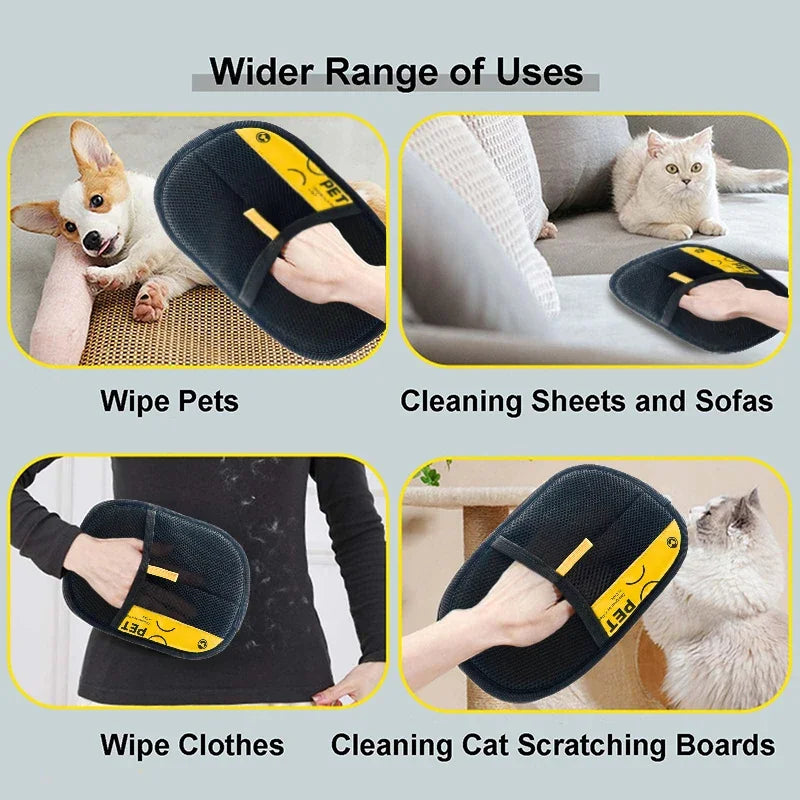
To get pet hair off clothes, remove as much loose fur as possible before washing. A lint roller works well for quick cleanup, while a reusable hair-removal glove can be convenient when multiple garments need attention.
Before Putting Clothes in the Washing Machine
- Shake garments to release loose fur.
- Use a lint roller or reusable pet hair remover.
- Brush heavily covered areas before laundering.
- Check cuffs, collars, seams, and pockets where hair can collect.
After Washing and Drying
Inspect clothing after drying rather than automatically washing it again. If a small amount of hair remains, remove it with a lint roller or reusable tool. For future loads, pre-cleaning heavily covered garments can make the laundry routine easier.
What Is the Best Way to Clean Up Dog Hair Around the House?
The best approach is to divide cleanup by surface. Use a vacuum for floors and rugs, a reusable or rubber hair-removal tool for furniture, lint-removal tools for clothing and bedding, and microfiber cloths for hard surfaces.
For Floors and Rugs
Vacuum regularly, concentrating on pet sleeping areas, pathways, corners, and spaces underneath furniture. During heavy shedding periods, more frequent spot cleaning may be necessary.
For Furniture
Loosen attached hair with a rubber or reusable tool before vacuuming. This is especially useful for couches and upholstered chairs where fur can become trapped between fibers.
For Clothing and Bedding
Remove loose hair before laundering. Keep a lint roller or reusable pet hair remover near the laundry area so quick cleanup becomes part of the normal routine.
For Hard Surfaces
Use a microfiber cloth to collect loose fur and dust from smooth surfaces. Clean from higher surfaces downward before vacuuming the floor.
How to Choose the Right Pet Hair Removal Method
There is no single best pet hair remover for every situation. Surface texture, hair length, and how tightly the fur is attached all affect which method is most efficient.
For Short Dog or Cat Hair
Fine, short hair can cling tightly to fabric. Rubberized or textured tools and reusable hair-removal mitts can help loosen it before vacuuming or wiping.
For Long Pet Fur
Longer fur often forms visible strands or clumps that are easier to gather manually. A grooming glove or reusable removal tool can collect these larger pieces quickly.
For Couches and Upholstery
Prioritize fabric-safe rubber tools, reusable pet hair removers, and vacuum upholstery attachments. Loosen embedded hair first when necessary, then vacuum the remaining debris.
For Clothes and Bedding
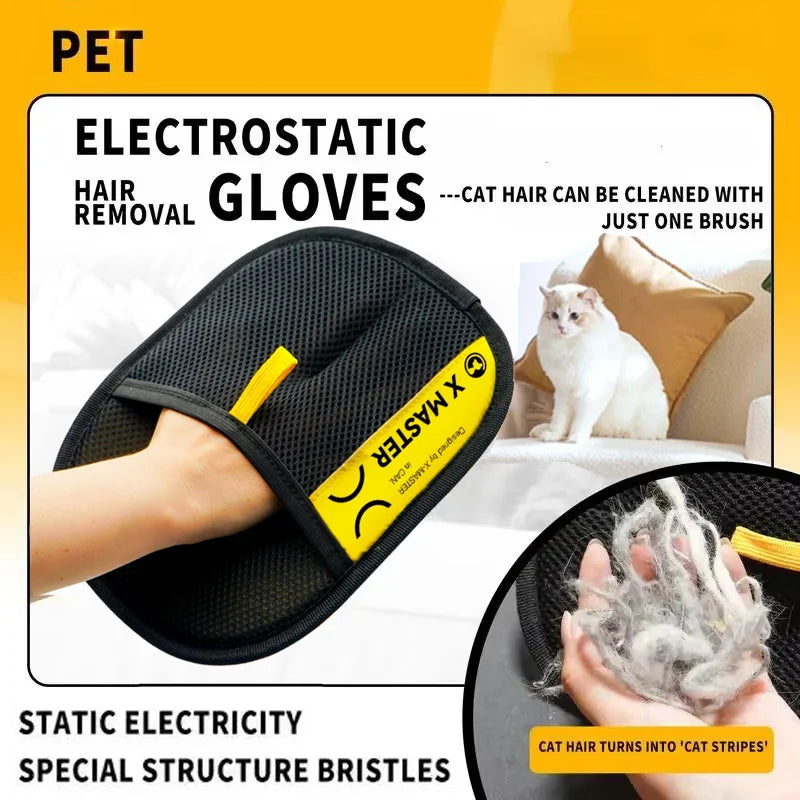
Lint rollers are convenient for small areas, while washable hair-removal mitts can be useful when you regularly deal with large amounts of pet fur. Always check fabric-care instructions before using a new cleaning method.
For households looking for a reusable option, the KentDO Pet Hair Remover Glove combines pet grooming with fabric hair removal. It is designed for cats and dogs and can be rinsed or machine washed for repeated use.
How Often Should You Remove Pet Hair From Your Home?
Daily Pet Hair Cleanup
Focus on the areas your pet uses most. A quick pass over a favorite couch, pet bed, entryway, or clothing item can prevent loose fur from spreading throughout the home.
Weekly Deep Cleaning
Once a week, vacuum floors and rugs more thoroughly and clean furniture, corners, stairs, and other pet-hair hotspots. Include areas that are easy to overlook, such as beneath cushions and underneath furniture.
Increase Cleaning During Heavy Shedding
Some pets shed more heavily during particular seasons or periods. When shedding increases, shorten the interval between quick cleanups rather than waiting for visible piles of hair to accumulate.
How to Prevent Pet Hair From Building Up
Keep Up With Regular Pet Grooming
Consistent grooming can help capture loose fur before it reaches your furniture and floors. Use grooming equipment suited to your pet's coat and make grooming a calm, routine activity.
Create Pet-Hair Hotspot Cleaning Habits
Identify the places where your pet spends the most time. Instead of treating the entire home as one cleaning project, maintain these hotspots more frequently. This can make excessive shedding cleanup much more manageable.
Keep Hair-Removal Tools Where You Need Them
Convenience matters. Keep a reusable pet hair removal tool near the couch, laundry area, entryway, or another location where hair tends to accumulate. Having the right tool nearby makes quick cleanup easier to maintain.
Common Pet Hair Removal Mistakes to Avoid
Washing Hair-Covered Clothes Without Pre-Cleaning
Putting heavily fur-covered garments directly into the washer can make laundry cleanup more difficult. Remove excess loose hair first whenever practical.
Using the Same Tool on Every Surface
Furniture, clothing, floors, and hard surfaces have different cleaning needs. A method that works well on upholstery may not be the best choice for delicate clothing or smooth surfaces.
Ignoring Embedded Hair
Hair that is trapped between fabric fibers may not respond to vacuuming alone. Loosen stubborn fur first, gather the debris, and then vacuum or wipe the surface.
Pet Hair Cleanup: The Simple Routine That Works
The easiest way to manage pet hair is to combine removal and prevention instead of waiting until every surface is covered. Use a reusable or rubber tool for upholstery, a lint-removal method for clothing, a vacuum for floors and rugs, and microfiber for hard surfaces.
For frequent cleanup, a washable pet hair removal glove can be a practical addition to the routine because it can be reused and used on both pets and common fabric surfaces. The KentDO Pet Hair Remover Glove is designed to lift loose pet hair, lint, and dust through static-powered cleaning while providing a flexible way to groom dogs and cats and clean surrounding fabrics.
Whether you are dealing with dog hair on furniture, cat hair on clothes, fur stuck in carpet, or hair covering your car seats, the most effective strategy is to match the tool to the surface, clean high-shedding areas regularly, and stay ahead of heavy buildup.
Pillar Article: Electrostatic Pet Hair Remover Glove: Hands-On Comparison













