

⏱ 8 min read
How to Treat Thin Hair Female Concerns Based on Your Hair Loss Pattern?
How to treat thin hair female concerns starts with identifying the pattern behind thinning. Whether you notice widening parts, overall reduced hair density in women, or early signs of hair follicle weakening, targeted scalp support, healthy hair habits, and advanced hair growth technologies can help support healthier hair growth and improve the appearance of fuller-looking hair over time.
How to Treat Thin Hair Female Based on Your Hair Loss Pattern
How to treat thin hair female concerns effectively starts with understanding your unique hair loss pattern. Whether you're noticing reduced hair density in women or the early signs of hair follicle weakening, the right approach can make a meaningful difference. From building a targeted scalp care routine for hair density to learning how to support healthier hair growth, personalized strategies often work better than one-size-fits-all solutions. But which treatment path matches your specific pattern of thinning?
👉 Discover the best options for your hair type
If you're unsure why your hair is thinning, identifying your pattern is the first step toward finding a solution that fits your needs and goals.
Which hair thinning pattern sounds most familiar to you? A widening part? Less volume in your ponytail? More scalp visibility under bright light? Read on to find the approach that best matches your situation.

💡 See it in action - how to treat thin hair female / reduced hair density in women, early signs of hair follicle weakening, scalp care routine for hair density, how to support healthier hair growth
How Understanding Your Hair Loss Pattern Improves Results
Many women spend months trying random products without seeing meaningful changes. The challenge is that female hair thinning rarely follows a single pattern.
Some women experience gradual volume loss throughout the scalp. Others notice thinning concentrated near the crown, temples, or part line.
Understanding where and how your hair is changing allows you to choose supportive solutions more effectively.
- Identify early signs of hair follicle weakening
- Create a more targeted scalp care routine for hair density
- Track progress more accurately
- Focus on the areas that need the most attention
- Support healthier hair growth with consistent habits
How to Support a Widening Hair Part Before It Becomes More Noticeable
One of the most common early signs of female hair thinning is a widening part line.
You may notice:
- More visible scalp near the center part
- Reduced volume around the crown
- Difficulty achieving previous hairstyles
- Less fullness after washing and styling
At this stage, many women benefit from focusing on scalp health and consistency.
Helpful strategies include:
- Gentle scalp cleansing
- Daily scalp massage
- A nutrient-rich diet
- Reducing excessive heat styling
- Using advanced hair support technologies regularly
Women exploring dedicated hair support devices often browse the Hair Care and Styling Devices collection for solutions designed specifically for thinning concerns.
How to Improve the Appearance of Reduced Hair Density in Women
Reduced hair density in women often develops gradually, making it difficult to detect until significant changes occur.
Signs may include:
| Observation | What You May Notice |
|---|---|
| Ponytail Size | Feels smaller than before |
| Volume | Hair appears flatter |
| Styling | Requires more effort for fullness |
| Scalp Visibility | More noticeable under lighting |
For women experiencing diffuse thinning, the goal is often supporting the entire scalp rather than focusing on a single area.
Combining healthy habits with technology-based scalp support can help create a more comprehensive approach.
👉 Learn step-by-step how to support fuller-looking hair at home
Consistency matters more than complexity. Small daily habits often deliver the greatest long-term benefits.

💡 See it in action - how to treat thin hair female / reduced hair density in women, early signs of hair follicle weakening, scalp care routine for hair density, how to support healthier hair growth
How to Address Thinning Around the Hairline and Temples
Temple thinning can feel especially frustrating because it affects how hairstyles frame the face.
Common contributors may include:
- Tight hairstyles
- Frequent heat exposure
- Stress-related shedding
- Hormonal fluctuations
- Hair follicle weakening over time
Women dealing with temple thinning often benefit from avoiding excessive tension while adopting supportive scalp-focused routines.
Important: Early intervention often provides more opportunities to support healthier hair growth than waiting until thinning becomes advanced.
Hair Loss Pattern Comparison Guide
| Pattern | Common Sign | Recommended Focus |
|---|---|---|
| Widening Part | Visible scalp near center | Crown and part-line support |
| Diffuse Thinning | Overall volume reduction | Whole-scalp care |
| Temple Thinning | Receding edges | Tension reduction and scalp support |
| Crown Thinning | Loss of fullness at top | Targeted density support |
How Laser Technology Supports Healthier Hair Growth
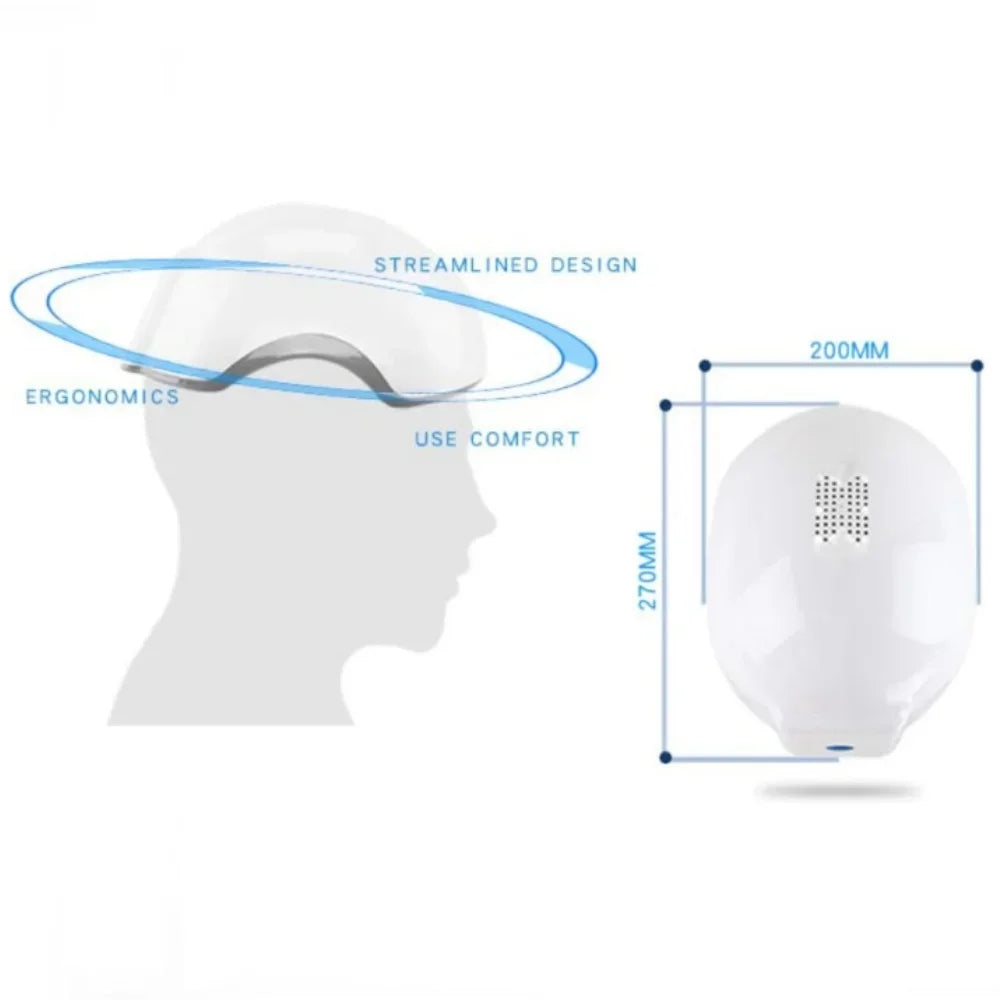
How to treat thin hair female concerns often involves supporting the scalp environment consistently over time. Modern laser-based devices are designed to help encourage healthier-looking hair, support scalp wellness, and fit easily into busy routines without requiring lengthy daily treatments.
One increasingly popular option is the laser hair growth helmet .
Many women appreciate this type of device because it can be used comfortably at home while fitting into existing beauty and wellness routines.
Benefits Women Often Look For
- Convenient hands-free use
- Supports long-term consistency
- Complements existing hair care routines
- Designed for home use
- Provides scalp-focused support
Pros and Considerations
| Pros | Considerations |
|---|---|
| Easy to use at home | Requires consistent use |
| Non-invasive approach | Results vary by individual |
| Time-efficient | Patience is important |
| Supports ongoing routines | Best combined with healthy habits |
Women researching beauty technologies often explore both the Hair Care and Styling Devices collection and the Beauty & Self-Care Blog to learn more about creating supportive hair routines.
How This Scalp Care Routine Supports Hair Density
Creating a practical routine doesn't have to be complicated.
- Cleanse the scalp regularly without over-drying.
- Massage the scalp for several minutes daily.
- Eat protein-rich foods and maintain hydration.
- Limit harsh styling practices.
- Use supportive technology consistently.
- Track changes with monthly photos.
Women who maintain a structured routine often find it easier to notice subtle improvements in appearance and manage expectations realistically.
Real Experiences and Confidence-Boosting Results
Many women describe hair thinning as an emotional challenge rather than simply a cosmetic issue.
Feeling self-conscious about visible scalp or reduced volume can affect confidence in social and professional settings.
One user shared that after incorporating scalp-focused care and a laser-based support device into her routine, she felt more comfortable wearing her hair down again.
Another reported that her hair appeared fuller in photographs after several months of consistent care.
While individual experiences vary, these stories highlight an important principle: consistency often matters more than chasing quick fixes.
Women interested in broader wellness-focused self-care routines frequently explore the Lifestyle collection alongside hair-support solutions.
💡 See it in action - how to treat thin hair female / reduced hair density in women, early signs of hair follicle weakening, scalp care routine for hair density, how to support healthier hair growth
How Personalized Hair Support Can Transform Your Confidence
The most effective approach to how to treat thin hair female concerns begins with understanding your unique pattern of hair loss.
Whether you're noticing reduced hair density in women, thinning at the temples, or early signs of hair follicle weakening, matching your strategy to your specific needs can help you make more informed decisions.
By combining healthy habits, targeted scalp care, and supportive technologies such as a laser hair growth helmet , many women create routines that align with their hair goals and lifestyle.
👉 Get yours now — limited stock!
Explore the laser hair growth helmet and discover a convenient way to support your long-term hair wellness routine.
Frequently Asked Questions
How do I know if I have reduced hair density in women?
Common signs include a smaller ponytail circumference, more visible scalp, reduced styling volume, and gradual thinning across larger areas of the scalp.
What are early signs of hair follicle weakening?
Early signs may include increased shedding, thinner individual strands, slower growth, widening parts, and reduced overall hair fullness.
How long should I follow a scalp care routine for hair density?
Most women benefit from maintaining a consistent routine for several months, as hair growth cycles require time before visible changes may become noticeable.
How can I support healthier hair growth at home?
Focus on scalp health, balanced nutrition, minimizing hair damage, reducing tension from hairstyles, and using supportive hair-care technologies consistently.
Can a laser hair growth helmet fit into a busy schedule?
Many women choose laser hair growth helmets because they are designed for convenient at-home use and can be incorporated into existing wellness routines.
Pillar Article: Best Treatment Thinning Hair Women for Different Hair Types
Other Related Articles:
Explore More:













