
Share
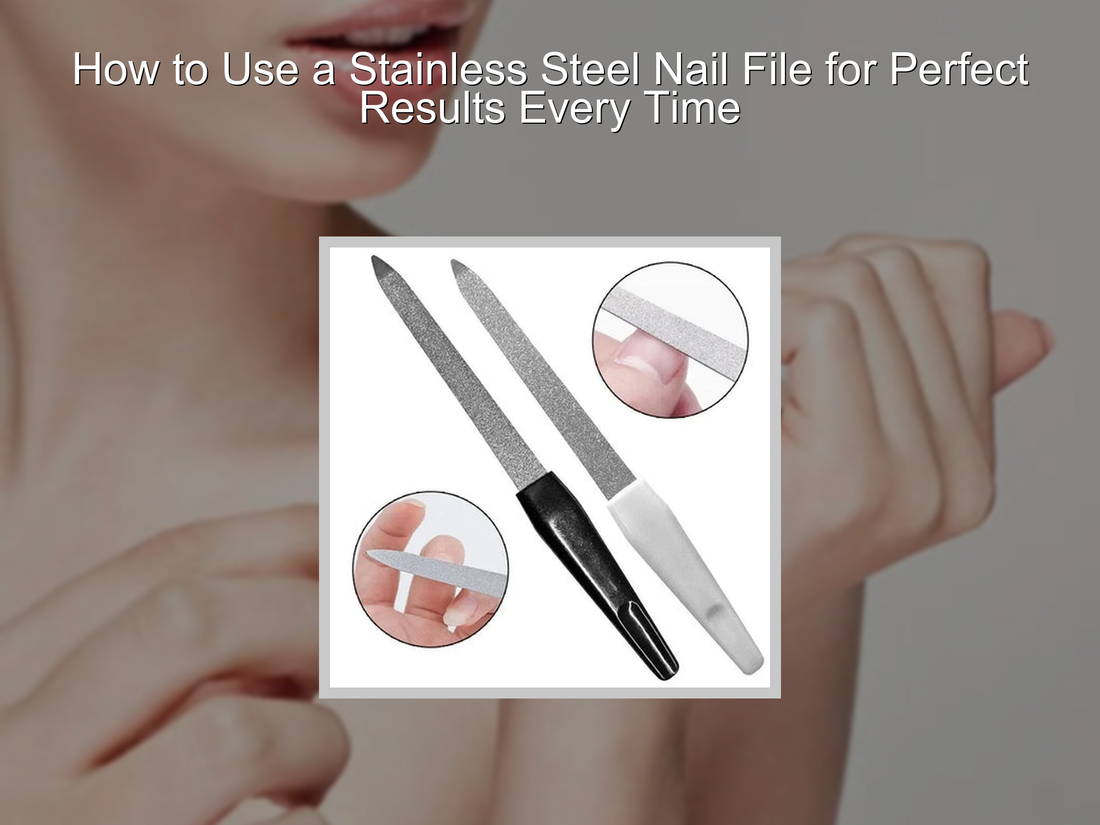
To use a stainless steel nail file, trim your nails first, then file in one direction using the coarse side for shaping and the fine side for smoothing. Hold the file at a slight angle, use light pressure, and finish by moisturizing your nails and cuticles. A reusable metal nail file provides precise, salon-quality results for both fingernails and toenails.
How to Use a Metal Nail File: Step-by-Step Guide for Smooth, Healthy Nails
Learning how to use a metal nail file properly can help you achieve smooth, healthy-looking nails while reducing the risk of splitting and breakage. Whether you're maintaining natural nails, acrylics, or gel enhancements, a stainless steel nail file offers precision, durability, and long-lasting performance. This expert guide covers preparation, proper filing techniques, cleaning, maintenance, and common mistakes so you can enjoy professional-quality nail care at home.
Why Choose a Stainless Steel Nail File?
A stainless steel nail file is a durable, reusable grooming tool designed for shaping and smoothing nails with precision. Unlike disposable emery boards, a stainless steel nail file offers long-term use, consistent grit performance, and easy sanitization.
Key Benefits
- Long-lasting and resistant to wear
- Easy to clean and disinfect between uses
- Provides precise shaping for strong natural, acrylic, and gel nails
- Suitable for professional manicure and pedicure routines
- Reusable and more environmentally friendly than disposable files
Potential Drawbacks
- Can be too abrasive for very thin or brittle nails if used aggressively
- Requires proper filing technique to prevent edge damage
- May feel firmer than glass files for beginners
Who Should Use It?
A metal nail file is ideal for people with strong natural nails, acrylic nails, gel manicures, or anyone seeking salon-level precision at home. Many professionals prefer stainless steel files because they can be cleaned thoroughly and maintain their performance over time.
Metal Nail File vs Glass vs Emery Board
Understanding the differences between nail file types helps you choose the safest and most effective tool for your nail condition and grooming goals.
Metal Nail File
- Highly durable and reusable
- Excellent for acrylics and strong natural nails
- Easy to disinfect and maintain
- Requires proper technique to avoid over-filing
Glass Nail File
- Gentle on natural nails
- Helps seal nail edges and reduce splitting
- Produces a smooth finish
- More fragile and prone to breakage if dropped
Emery Board
- Affordable and widely available
- Good for occasional shaping
- Less durable than metal or glass files
- Needs frequent replacement
Tools You'll Need
- Stainless steel nail file ( Kentdo 3PCS Stainless Steel Nail File Set )
- Nail clipper for trimming length
- Cuticle pusher or orangewood stick
- Nail buffer (optional)
- Moisturizing hand cream or cuticle oil
Before starting, make sure your hands and tools are clean to reduce contamination and achieve smoother filing results.
How to Prepare Nails Before Filing
Proper preparation helps create a smoother filing experience and reduces the risk of nail damage.
- Remove nail polish completely.
- Wash and thoroughly dry your hands.
- Inspect nails for cracks, peeling, or existing damage.
- Trim excessive length with nail clippers if necessary.
- Choose the appropriate grit side for your nail type.
Well-prepared nails allow the metal nail file to glide smoothly with less friction and better control.
For additional nail preparation guidance, consider reading articles about nail strengthening routines and proper nail preparation before polish application.
Step-by-Step Guide: How to Use a Metal Nail File
Using a metal nail file correctly is essential for achieving an even shape while minimizing the risk of splitting or peeling.
Step 1: Hold the File Correctly
Grip the file comfortably with enough control to guide each stroke accurately. Avoid holding it too tightly, which can lead to excessive pressure.
Visual Placeholder: Step-by-step filing grip demonstration image
Step 2: File in One Direction
Move the file from the outer edge toward the center using smooth, consistent strokes. Avoid aggressive back-and-forth sawing motions, which can weaken the nail edge.
Step 3: Maintain a 45-Degree Angle
Hold the file at approximately a 45-degree angle to follow the natural contour of the nail. This helps create a smoother edge and more balanced shape.
Visual Placeholder: Filing angle diagram
Step 4: Use Light Pressure
Allow the grit surface to do the work. Applying too much force can create micro-fractures and increase the likelihood of splitting.
Step 5: Shape the Nail Evenly
Whether creating square, oval, almond, round, or squoval nails, work gradually and compare each nail frequently for symmetry.
Step 6: Smooth the Edges
Use the fine grit side of your double-sided coarse and fine grit file to smooth rough edges and eliminate snags.
Step 7: Finish and Moisturize
Remove filing dust, wash your hands, and apply cuticle oil or moisturizer to support healthy-looking nails.
Visual Placeholder: Before-and-after nail shaping image
Proper Filing Technique for Different Nail Types
Natural Nails
Use gentle pressure and focus on the fine grit side whenever possible. This helps minimize peeling and edge damage.
Acrylic Nails
A metal nail file works particularly well on acrylic nails because of their hardness. The coarse side can efficiently shape length and structure.
Gel Nails
File carefully around the edges to avoid lifting the gel coating. Use controlled strokes and avoid excessive thinning.
Tips and Tricks for Best Results
- File nails only when they are completely dry.
- Use consistent stroke lengths for symmetrical shaping.
- Match the grit level to your nail strength and thickness.
- Avoid excessive filing on the sidewalls of the nail.
- Rotate between nails rather than overworking one nail at a time.
- Finish with a gentle buff if additional smoothness is desired.
- Apply cuticle oil regularly to improve flexibility and reduce brittleness.
Common Mistakes and Nail Damage Prevention
Incorrect filing habits can gradually weaken nails. Understanding the causes of nail damage helps maintain stronger, healthier nail edges.
Common Mistakes
- Filing aggressively back and forth
- Applying excessive pressure
- Using coarse grit on thin nails
- Over-filing the sides of the nail
- Skipping post-filing hydration
How to Prevent Damage
- Always file in one direction
- Use light, controlled strokes
- Choose the correct grit for your nail type
- Leave a small amount of thickness at the free edge
- Moisturize nails and cuticles after filing
How to Clean and Disinfect a Metal Nail File
Proper cleaning extends the lifespan of your stainless steel nail file while reducing the risk of bacterial contamination.
Basic Cleaning
- Rinse under warm water immediately after use
- Use a soft brush to remove nail dust and debris
- Wash with mild soap if needed
- Dry completely with a clean towel
Disinfection Methods
- Wipe thoroughly with 70% isopropyl alcohol
- Soak briefly in an alcohol-based disinfectant solution
- Allow the file to air dry before storage
Store your file in a dry protective case. For additional hygiene guidance, explore articles on how to disinfect manicure tools properly.
Visual Placeholder: Cleaning and disinfection demonstration image
Do Metal Nail Files Wear Out? When to Replace
Unlike disposable emery boards, stainless steel nail files are designed for long-term use. However, they should still be replaced if their performance or safety becomes compromised.
Signs It's Time to Replace
- Visible bending, warping, or damage
- Noticeable loss of filing effectiveness
- Uneven or rough filing surfaces
- Rust spots caused by improper storage
With proper care, a Kentdo reusable nail file can remain effective for years, making it a cost-effective addition to your grooming routine.
Troubleshooting: Splitting, Peeling, and Weak Nails
Nails Are Splitting
You may be applying too much pressure, using the coarse side too frequently, or filing in multiple directions.
Nails Are Peeling
Switch to lighter strokes, reduce filing frequency, and ensure you are filing in one direction only.
Weak Nail Edges
Focus on hydration, avoid excessive buffing, and allow nails time to recover between shaping sessions.
Uneven Nail Shapes
Compare both sides of each nail frequently during filing and remove small amounts gradually rather than making large adjustments at once.
FAQ: Metal Nail File Questions Answered
How do you use a metal nail file correctly?
Use gentle, controlled strokes in one direction while holding the file at a slight angle. This minimizes splitting and creates a smoother edge.
Are metal nail files bad for natural nails?
No. When used with light pressure and proper technique, metal nail files are safe for most natural nails.
How often should I use a nail file?
Most people only need to file their nails once or twice per week, depending on growth rate and desired shape.
Do metal nail files wear out?
They are highly durable and can remain effective for years when properly cleaned, disinfected, and stored.
Can I use a stainless steel nail file on toenails?
Yes. Stainless steel nail files are safe for both fingernails and toenails. File toenails straight across to help reduce the risk of ingrown nails.
Related Articles:
- Why a Metal Nail File is Better Than an Emery Board: How-To Explained
- How to Use a Nail File Set for At-Home Manicures and Pedicures
- Beginner’s Guide to Nail Shaping Using Stainless Steel Files
- How to Clean and Maintain Your Stainless Steel Nail File
- 5 Mistakes to Avoid When Filing Nails with a Metal File
Pillar Articles:
- Kentdo Stainless Steel Nail File Set Review: Is It Worth It?
- The Best Stainless Steel Nail File Sets for All Nail Types and Lifestyles
- Why Stainless Steel Nail Files Are the Gold Standard in Nail Care
- The Best Stainless Steel Nail File Sets in 2025: Reviews, Features & Comparisons
Conclusion: Master the Art of Filing
Now that you know how to use a metal nail file properly, you can shape and maintain your nails with greater confidence and precision. By filing in one direction, using light pressure, and choosing the appropriate grit, you'll help protect nail health while achieving cleaner, smoother results.
The double-sided coarse & fine grit design of a quality stainless steel file makes it a versatile tool for both fingernails and toenails. With proper cleaning and maintenance, it can deliver reliable performance for years.
Ready to upgrade your nail care routine? Try the Kentdo 3PCS Stainless Steel Nail File Set and enjoy professional-quality nail shaping and smoothing from the comfort of home.













