

How to Use a Thermal Brush Like a Pro—Zero Frizz, Full Control
Want to know how to use a thermal brush to get sleek, salon-level results at home? This hair straightening brush tutorial reveals how a negative ion thermal brush tames flyaways and boosts shine—without damaging heat. Discover the difference between a hair straightening brush without heat and an ion straightening brush. Ready to ditch frizz for good—or are you making the #1 styling mistake every morning?
⏱ 7 min read
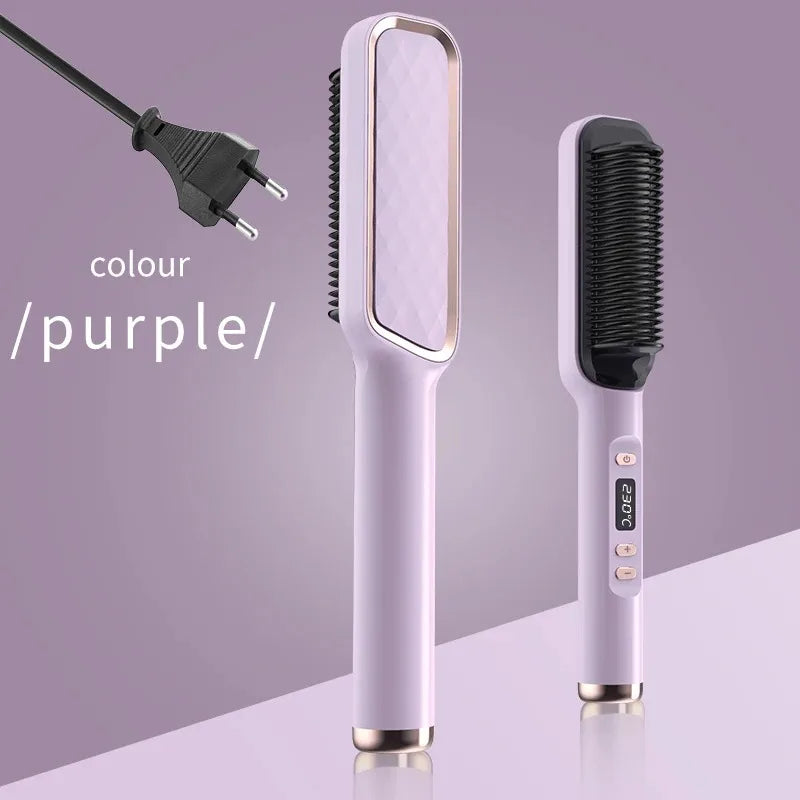
💡 See it in action: how to use a thermal brush to tame frizz and boost shine
How to Use a Thermal Brush: Step-by-Step
To use a thermal brush effectively, start with dry, detangled hair, section it evenly, and glide the brush slowly from root to tip using gentle tension. Always let the brush preheat, and finish with a cold shot or anti-frizz serum for maximum shine and control.
- Start with dry hair. Thermal brushes work best on dry or 90% dry hair to prevent heat damage.
- Detangle thoroughly. Use a wide-tooth comb to remove knots, ensuring smooth brush glide.
- Apply heat protectant. Shield strands from thermal exposure with a lightweight spray.
- Preheat your thermal brush. Let it reach the desired temperature (typically 300–370°F depending on your hair type).
- Section your hair. Divide into 3–5 sections using clips for even, manageable styling.
- Brush slowly from root to tip. Use controlled passes for better smoothing and volume.
- Use finishing techniques. Add a cool shot or serum to lock in the look.
Benefits of a Negative Ion Thermal Brush
- Reduces frizz: Negative ions neutralize static and smooth the cuticle.
- Boosts shine: Ionic technology reflects light for a glossy finish.
- Faster styling: Heated bristles reduce time compared to flat irons.
- Gentler on hair: Lower, consistent heat reduces damage risk.
- Easy to use: One-step styling for both volume and straightening.
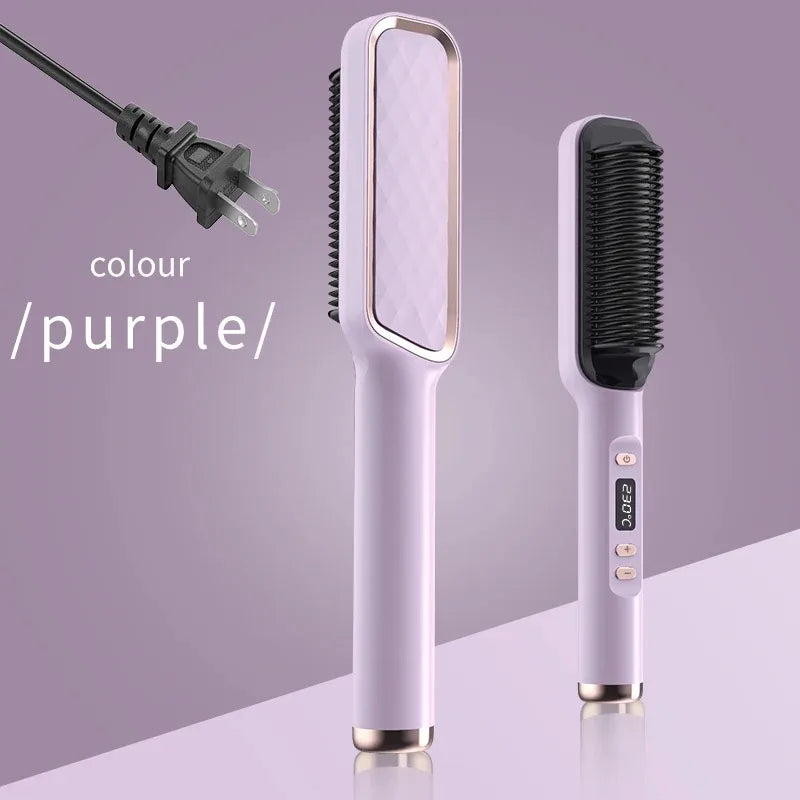
💡 See it in action: negative ion thermal brush smooths and shines in one step
Common Mistakes to Avoid
- Using on wet hair: This can cause breakage and burns.
- Skipping heat protectant: Always use a barrier to prevent long-term damage.
- Going too fast: Slow, steady passes allow the brush to do its job.
- Not cleaning the brush: Buildup reduces efficiency and may cause frizz.
Even pros get it wrong. Which style suits you best? Read on!
Hair Straightening Brush Without Heat vs Ion Straightening Brush
| Feature | Without Heat | Ion Straightening Brush |
|---|---|---|
| Heat Use | None | Low to medium heat |
| Frizz Control | Moderate | Excellent (via negative ions) |
| Time to Style | Longer | Faster |
| Ideal For | Fine or damaged hair | Thick or frizzy hair |
Styling Techniques for Different Hair Types
- Fine Hair: Use lower heat settings and lift at the roots for volume.
- Thick Hair: Use higher heat, smaller sections, and slow passes for control.
- Curly Hair: Stretch curls with tension while brushing through dry sections.
- Wavy Hair: Focus on smoothing flyaways and defining natural shape.
Care and Maintenance Tips
- Clean after every few uses: Unplug and wipe with a damp cloth to remove residue.
- Check the bristles: Make sure they are not bent or clogged with product.
- Store properly: Cool down before storing in a dry, heat-safe pouch.
- Avoid water contact: Keep electrical parts dry at all times.
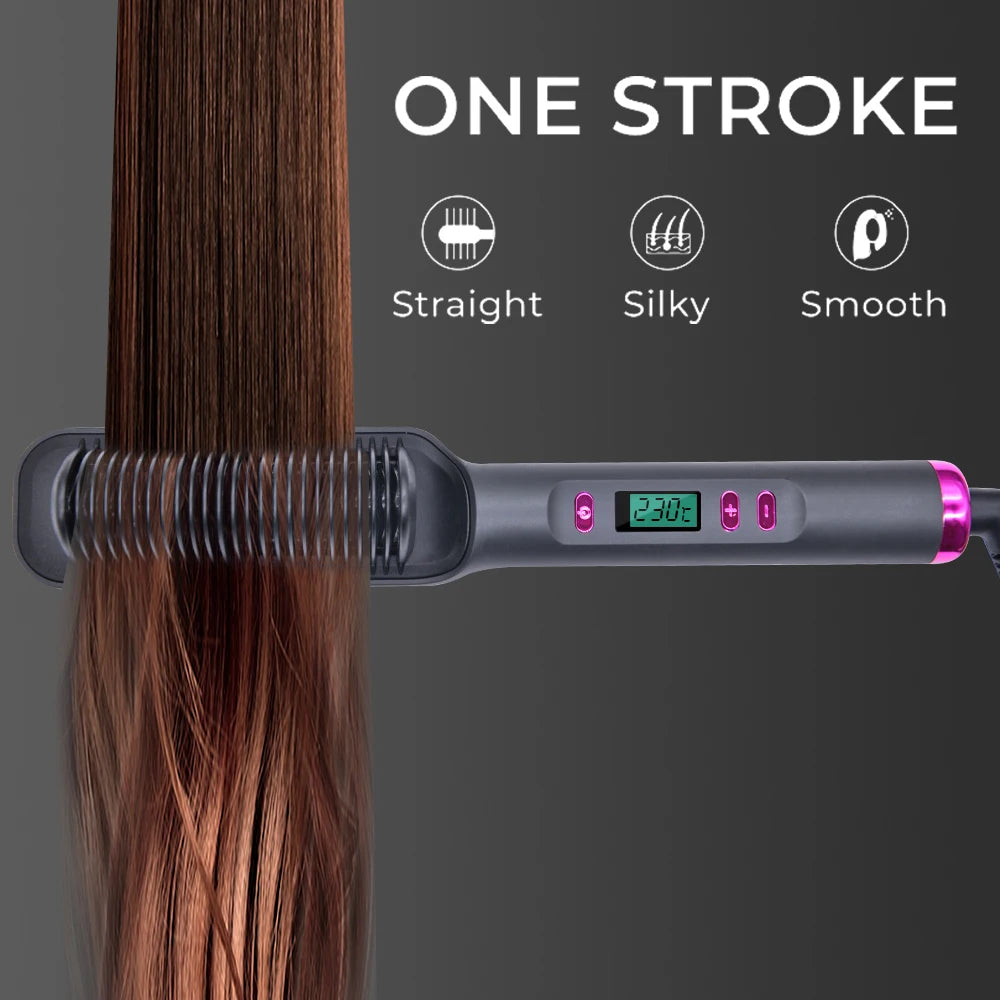
💡 Final look: how to use a thermal brush for polished, salon-level results at home
Explore more tools in our Hair Care and Styling Devices or discover self-care tips on our Beauty & Self-Care Blog.













