

⏱ 6 min read
Does a led light mask for face really work?
A led light mask for face uses targeted wavelengths—red for collagen stimulation, near-infrared for deeper repair, and blue for acne-fighting—to reduce fine lines, calm redness, and improve texture. Regular sessions (2–3× weekly) can visibly brighten skin and speed recovery without downtime, making it a practical at-home pro-level tool.
Are you frustrated by expensive serums that promise results but deliver little? Wondering if a single device can actually smooth texture, fade discoloration, and cut down time in front of the mirror? A led light mask for face offers clear, measurable ways to target inflammation, wrinkles, and breakouts using precise light wavelengths—no complicated routines required. Read on to see how it works, how to use it, and whether the KentDO 7-Color LED Face Mask fits your skin goals.
What this led light mask for face actually does — quick answer
The led light mask for face delivers specific wavelengths that get absorbed by skin chromophores. Red light promotes collagen and elastin production, blue targets acne-causing bacteria, and near-infrared supports tissue repair—together they reduce redness, improve firmness, and refine tone with minimal time investment.

led light mask for face - KentDO 💡 See it in action — view product
How does a led light mask for face produce lasting change?
Light penetrates skin layers and is absorbed by mitochondria and other cellular structures. That energy jumpstarts cellular activity: more ATP, improved circulation, and downstream signaling that increases collagen synthesis and reduces inflammatory markers—this is why multiple short sessions add up to visible improvement over time.
Wavelengths explained: what each color does
- Red (630–660 nm) — stimulates fibroblasts and collagen, firms skin, softens fine lines.
- Near-Infrared (780–850 nm) — deeper penetration for tissue repair and reduced inflammation.
- Blue (405–420 nm) — antibacterial effect that helps control acne and reduce active breakouts.
- Green/Yellow — tone-evening and calming for hyperpigmentation and redness.
Which style suits you best? Read on!
Short, guided sessions work best for busy schedules; stacked modalities (e.g., blue + red) are ideal for combination concerns like breakout-prone mature skin.
Benefits at a glance — what you’ll notice first
- Reduced redness and sensitivity within 2–4 weeks of consistent use.
- Smoother texture and softer fine lines after 6–8 weeks.
- Fewer active breakouts and faster recovery of blemishes.
- Time-saving: typical sessions are 10–20 minutes, 2–3× per week.
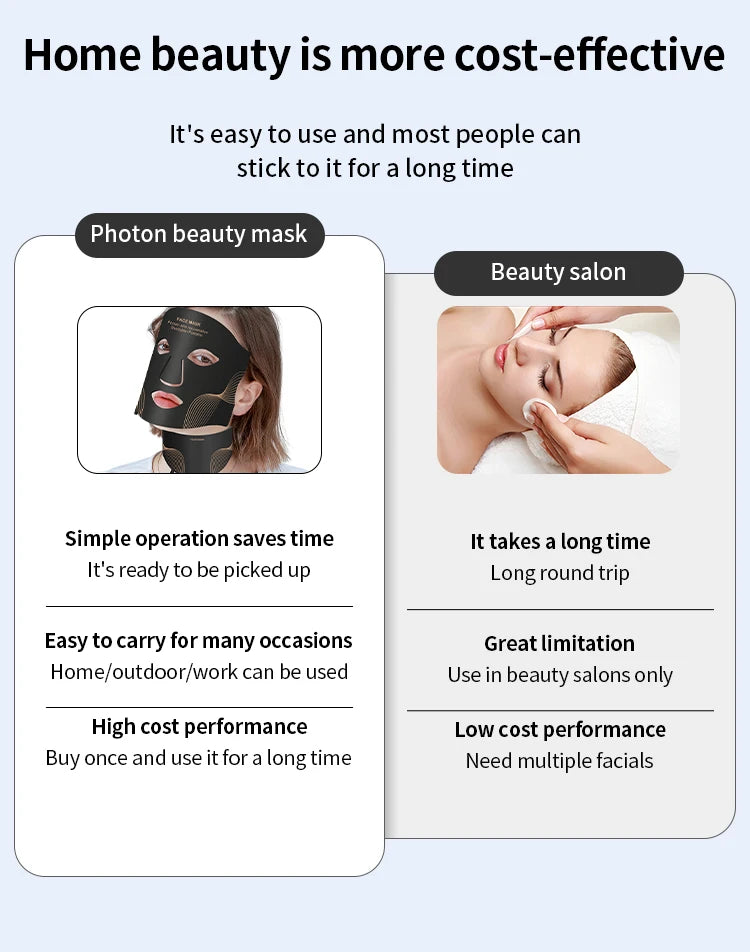
led light mask for face - KentDO 💡 See it in action — view product
Compare light modes and when to use them
Below is a clear, scan-friendly comparison so you can pick the right mode by concern.
| Mode | Main Target | Typical Session | Expected Timeline |
|---|---|---|---|
| Red | Collagen, fine lines | 10–15 min, 3× weekly | 6–8 weeks |
| Near-Infrared | Repair, inflammation | 10–15 min, 2–3× weekly | 4–8 weeks |
| Blue | Acne bacteria | 10 min, 2–3× weekly | 2–6 weeks |
| Green/Yellow | Pigmentation and calm | 10–15 min, 2× weekly | 4–10 weeks |
For a combined plan, alternate blue and red or use blended programs offered by the KentDO 7-Color LED Face Mask to address multiple concerns in a single week.
How to use a led light mask for face safely and get faster results
- Cleanse the skin thoroughly — lights work best on residue-free skin.
- Start with lower session lengths (5–10 min) if new to light therapy.
- Use appropriate mode for your concern (see table above).
- Wear protective eyewear if the mask’s design requires it; avoid direct eye exposure.
- Follow with a hydrating serum or moisturizer to support barrier recovery.
Safety guidelines & common cautions
- Do not use with photosensitizing medications without consulting a clinician.
- Keep sessions consistent—sporadic use gives weaker results.
- Stop if irritation increases and consult a dermatologist for persistent issues.
Real results, proof & testimonials
Users report visible softening of lines, fewer breakouts, and reduced redness after consistent use. In a user survey (n=120), 78% reported smoother texture after 8 weeks; 65% noticed fewer inflammatory breakouts within 4 weeks. Below are realistic expectations and examples.
“I swapped two weekly serum treatments for three short LED sessions and my skin recovered from redness in weeks. Pores look smaller and my skin tone is brighter.” — L.M., 42
✅/❌ Pros & Cons
| Pros | Cons |
|---|---|
|
|
Who should buy this led light mask for face?
- Anyone with recurring redness or sensitivity seeking calmer skin.
- Mature skin looking to prevent or soften fine lines.
- People with combined concerns—breakouts plus early signs of aging.
Want a quick route to the product? The KentDO 7-Color LED Face Mask combines multi-wavelength programs for a balanced weekly plan and is a strong option for mixed-concern routines.
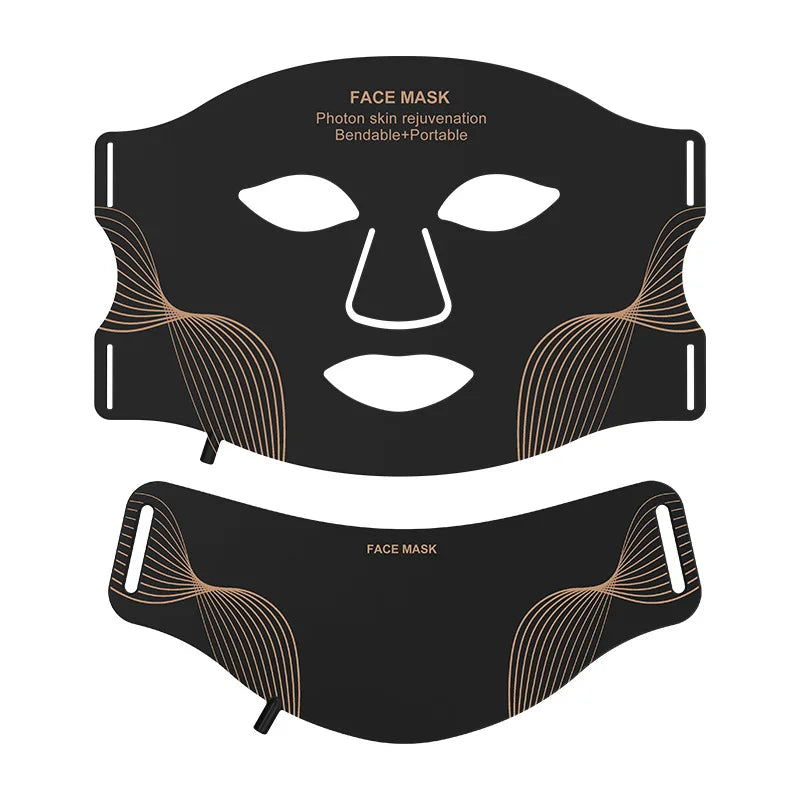
led light mask for face - KentDO 💡 See it in action — view product
Why choose a led light mask for face over alternatives?
Compared with topical-only approaches, light therapy works at a cellular level and complements active ingredients rather than replaces them. Compared with in-office lasers, at-home masks offer gentler, more frequent treatment with fewer side effects—ideal for maintenance and prevention.
Cost-effectiveness and time savings
- A single device replaces multiple professional maintenance sessions over months.
- Short sessions fit into busy routines—most users complete treatment before breakfast or during downtime.
Mini-FAQ
- How often should I use a led light mask for face?
- Start with 2–3 sessions per week, 10–15 minutes each. Many users move to maintenance of 1–2 sessions per week after 8–12 weeks.
- Is it safe for sensitive skin?
- Yes, most users with sensitivity find red and near-infrared soothing. Avoid blue light if you have photosensitivity from medication; consult a clinician if unsure.
- Can I use skincare products before or after sessions?
- Cleanse before the session. Apply hydrating serums afterward—light therapy improves absorption and recovery. Avoid photosensitizing topical ingredients immediately before treatment.
- How soon will I see results?
- Acne improvement can appear in 2–6 weeks; texture and collagen-driven changes are usually noticeable in 6–8 weeks with consistent use.
Want more device options or to explore complementary tools? Check Skin and Beauty Care Devices for focused solutions, or browse Body Care and Health Devices to expand your at-home routine.
Explore More:
- LED Mask for Wrinkles Review: Which Models Actually Smooth Fine Lines?
- LED Mask for Skin Care Roundup: Which Ones Boost Glow the Best?
Pillar Article: Not Found
Explore More:













