
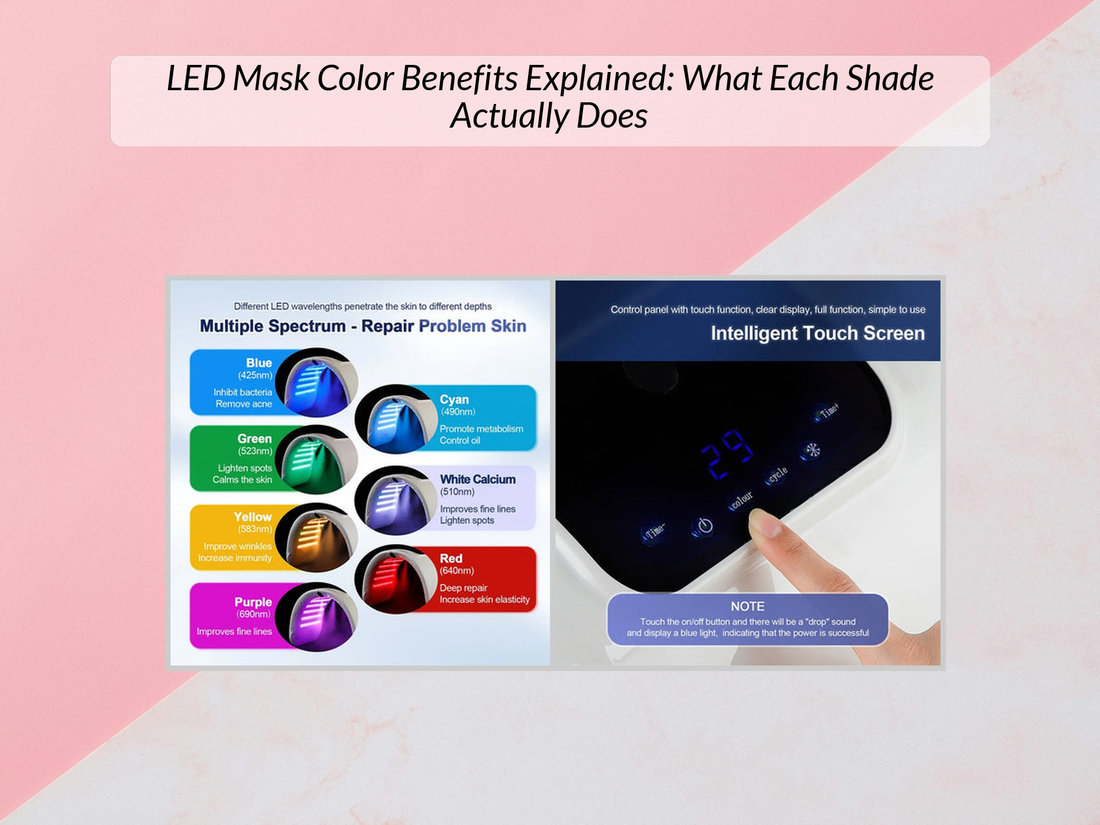
LED Face Mask Colors Explained: Meaning, Benefits, Wavelengths & Skin Guide
LED mask color benefits aren’t just skin-deep—they target everything from breakouts to fine lines. Whether you’re curious about 7 color LED masks or wondering if purple LED mask benefits go beyond relaxation, this guide breaks down exactly what each light does. Confused between a 3 color LED mask or full-spectrum therapy? Our LED face mask color chart simplifies it all. You'll also learn how wavelengths influence results, which colors have the strongest scientific support, and how to choose the best LED light for your skin goals.
⏱ 8 min read
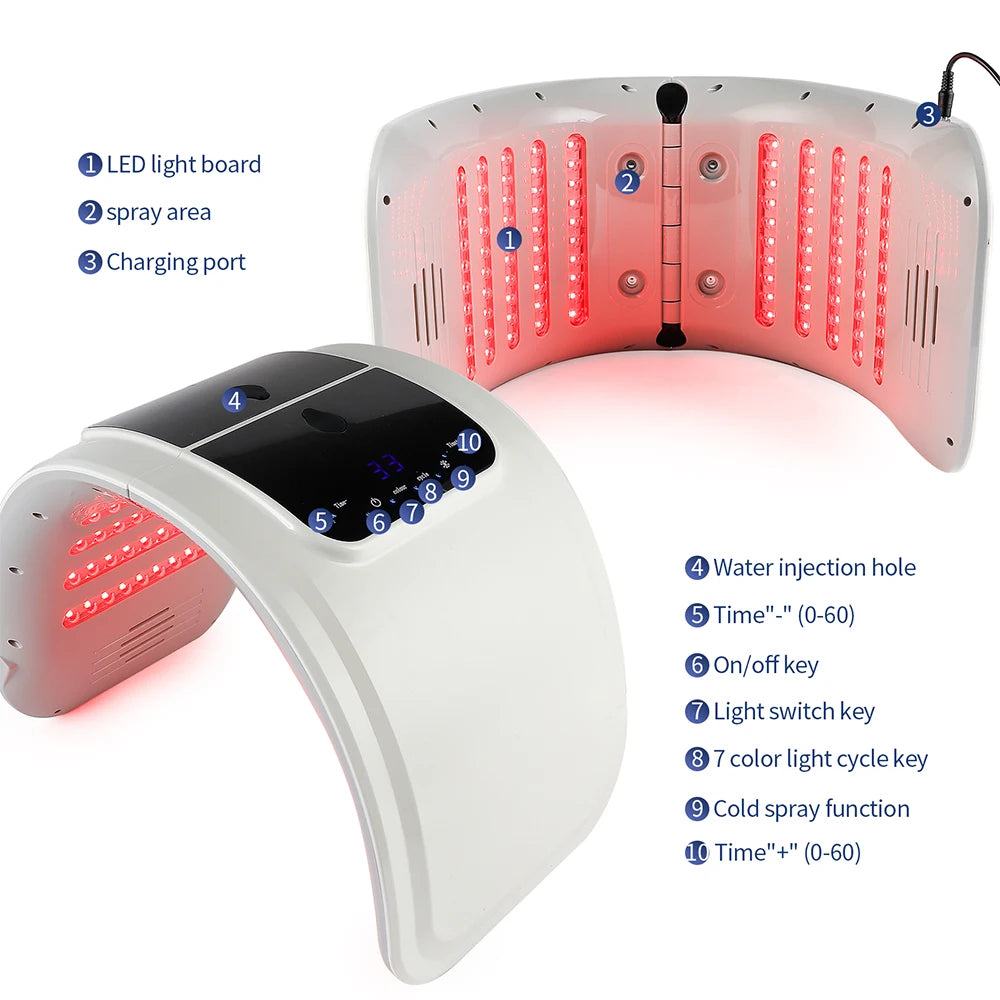
7 color LED mask + nano mist fusion — see the full benefits unfold!
What Do LED Face Mask Colors Mean?
LED face mask colors refer to different wavelengths of light used in LED light therapy to target specific skincare concerns. Each color corresponds to a particular wavelength range measured in nanometers (nm), and different wavelengths interact with skin tissue in different ways.
Modern LED masks commonly include red, blue, green, yellow, purple, cyan, and white light settings. Some advanced devices also include near-infrared wavelengths. These settings are designed to support goals such as reducing the appearance of acne, improving skin texture, supporting collagen production, and helping create a more even-looking complexion.
Understanding LED face mask color meaning helps you select the most appropriate treatment mode based on your skin concerns and desired outcomes.
Why LED Masks Use Different Light Colors
Different LED colors penetrate the skin at varying depths. Shorter wavelengths such as blue light primarily affect surface-level skin layers, while longer wavelengths such as red light can reach deeper tissues.
- Blue light: commonly used for acne-prone skin
- Red light: widely used in anti-aging routines
- Green light: often associated with uneven skin tone concerns
- Yellow light: commonly used for calming and soothing goals
LED Color vs Wavelength: Why Nanometers Matter
LED face masks do not work because of color alone. Each LED color represents a specific wavelength measured in nanometers (nm), and different wavelengths penetrate the skin at different depths.
Shorter wavelengths, such as blue light, mainly affect the surface layers of skin, while longer wavelengths, such as red and near-infrared light, can reach deeper layers. This is why different LED colors are associated with different skincare goals.
How LED Light Therapy Works on Skin
LED light therapy works through a process called photobiomodulation, where specific wavelengths of light stimulate cellular activity inside the skin. When skin cells absorb these wavelengths, they may increase energy production and activate repair processes that support overall skin health.
For deeper insight, explore our guides on How Photobiomodulation Works and Benefits of Red Light Therapy .
Photobiomodulation: How LED Light Affects Skin Cells
Photobiomodulation occurs when light energy is absorbed by mitochondria, the structures responsible for producing cellular energy. Researchers have explored how this process may influence ATP (adenosine triphosphate) production, tissue repair, and cellular function.
Because of this mechanism, LED therapy has been studied for applications related to acne management, skin appearance, and signs of aging.
LED Light Penetration Depth by Wavelength
Each wavelength penetrates to a different depth, influencing where it primarily interacts with skin tissue.
- Blue light (≈415 nm): surface-level penetration
- Green light (≈520–535 nm): mid-level penetration
- Yellow light (≈570–590 nm): superficial to mid-level penetration
- Red light (≈630–660 nm): deeper dermal penetration
- Near-infrared (≈800–850 nm): deepest penetration among common LED mask wavelengths
Visible Light vs Near-Infrared Light Therapy
Most LED face masks use visible light colors such as red, blue, green, and yellow. Some advanced devices also include near-infrared light, which uses longer wavelengths that are invisible to the human eye.
Near-infrared light is commonly included in anti-aging LED devices because it is designed to reach deeper skin layers compared with visible LED colors.
LED Face Mask Color Chart: Wavelengths, Benefits & Skin Concerns
LED Face Mask Color Chart (Color, Wavelength, Purpose)
Use this LED face mask color chart as a quick guide to understand what each light setting is commonly used for.
- Blue LED (around 415 nm): Commonly used for acne-related skincare concerns.
- Red LED (around 630–660 nm): Popular for anti-aging routines and skin appearance support.
- Near-infrared LED (around 800–850 nm): Used in many advanced LED devices for deeper light penetration.
- Green LED (around 520–560 nm): Often marketed for uneven tone and pigmentation concerns.
- Yellow LED (around 570–590 nm): Commonly used for calming and skin appearance goals.
- Purple LED: Combination of red and blue wavelengths.
- Cyan LED: Often included for soothing-focused routines.
- White LED: Commonly marketed for skin rejuvenation support.
Which LED Color Matches Your Skin Concern?
- Acne: Blue LED or purple LED
- Wrinkles and fine lines: Red LED or near-infrared LED
- Hyperpigmentation: Green LED
- Redness and sensitivity: Yellow LED or cyan LED
- Skin recovery: Red LED, white LED, or near-infrared LED
LED Colors Ranked by Scientific Support
Not every LED mask color has the same level of research behind it. Red and blue light have some of the strongest scientific interest because they are widely studied in photobiomodulation and acne-related applications.
Other colors may be included in multi-color LED masks, but their benefits often depend on wavelength, device quality, and treatment settings.
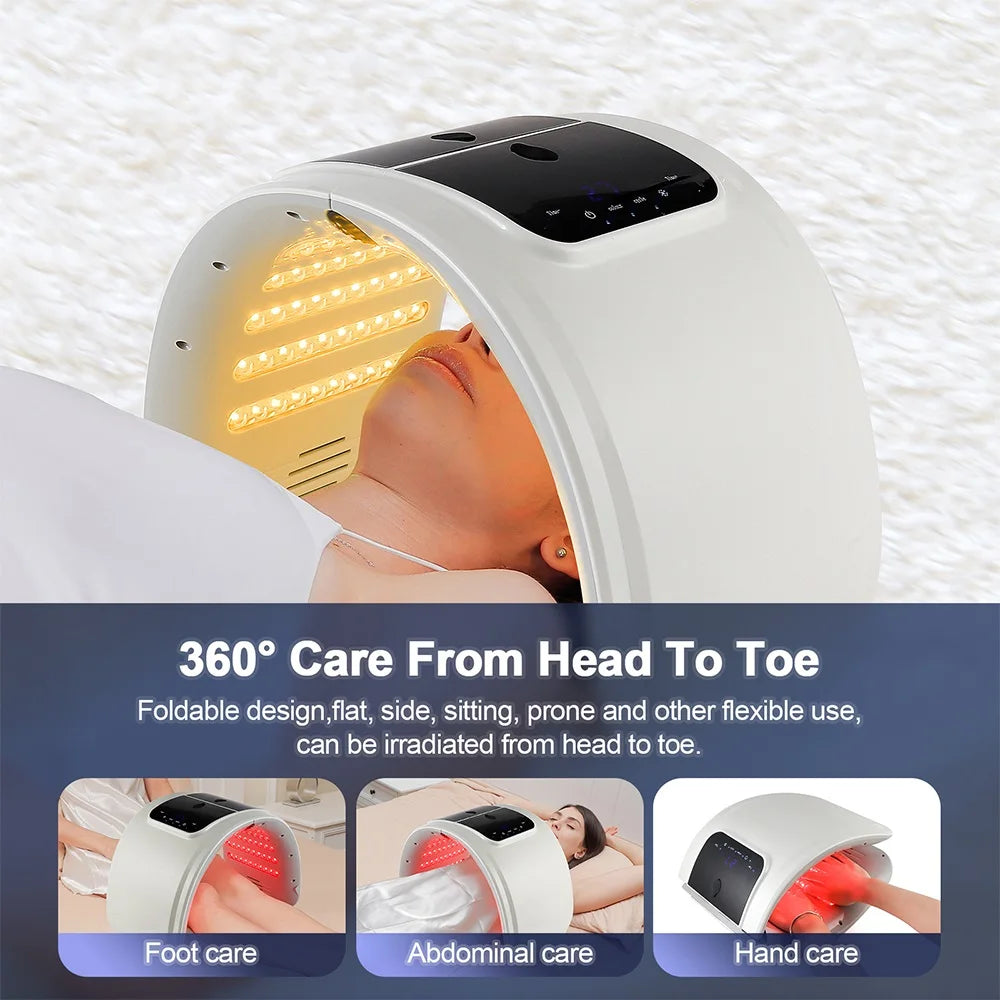
Mid-treatment glow with 3 color LED mask — build your skincare confidence
What Each LED Face Mask Color Does
Red LED Light Benefits
Red LED light typically falls between 630 and 660 nm. It is one of the most researched wavelengths in LED therapy and is commonly used to support collagen-focused skincare routines and improve the appearance of aging skin.
Learn more about advanced options in our best red light therapy devices comparison guide.
Blue LED Light Benefits
Blue light generally operates around 405–420 nm and is widely used in acne-focused treatments. Research has explored its ability to target acne-related bacteria on the skin surface.
Explore more treatments in our guide to LED mask colors by skin concern .
Green LED Light Benefits
Green light is often marketed for pigmentation concerns and uneven-looking skin tone. It is commonly selected by users focused on complexion-balancing routines.
Yellow LED Light Benefits
Yellow LED light is frequently used for skin-calming routines. Many users choose yellow light when dealing with temporary redness or sensitivity concerns.
Purple LED Light Benefits
Purple light combines red and blue wavelengths. It is commonly promoted as a balance between acne-focused treatments and skin recovery support.
Cyan LED Light Benefits
Cyan light is included in many 7-color LED masks and is generally used for soothing-focused skincare routines. Scientific research on cyan light remains more limited than research on red and blue wavelengths.
White LED Light Benefits
White light settings are often marketed for skin rejuvenation and recovery. In many devices, white light may represent a blend of wavelengths rather than a single wavelength source.
Near-Infrared LED Light Benefits
Near-infrared LED light is a longer wavelength option included in some LED face masks. Because it penetrates deeper than many visible light colors, it is often combined with red light in anti-aging focused devices.
When comparing LED masks, check the actual wavelength specifications rather than choosing only based on the number of colors available.
Best LED Face Mask Color for Each Skin Concern
Best LED Colors for Acne-Prone Skin
Blue LED light is typically the first choice for acne-prone skin because of its association with acne-related bacteria. Purple light may also be used when users want both acne-focused and recovery-oriented treatment modes.
You may also find our guide on best skincare routines for acne-prone skin helpful.
Best LED Colors for Wrinkles and Collagen Support
Red LED and near-infrared wavelengths are among the most commonly used options for addressing visible signs of aging, including fine lines and reduced skin firmness.
Best LED Colors for Hyperpigmentation and Uneven Tone
Green LED light is frequently marketed for dark spots, uneven skin tone, and pigmentation concerns, although results can vary based on the underlying cause of discoloration.
Best LED Colors for Redness and Sensitive Skin
Yellow and cyan LED settings are often chosen for calming-focused skincare routines and may be preferred by users with reactive or sensitive skin.
How to Choose an LED Color Based on Your Skin Goal
The best LED face mask color depends on your main skincare goal rather than the number of colors a device offers.
- Acne concerns: Blue LED is commonly selected.
- Signs of aging: Red and near-infrared wavelengths are commonly used.
- Uneven skin tone: Green and other visible wavelengths are often marketed for this purpose.
- Overall skin maintenance: Many users choose red LED routines because of its broad popularity.
3-Color vs 7-Color LED Masks: Which Is Better?
A 7-color LED mask is not automatically more effective than a 3-color mask. The important factors are the actual wavelengths, LED power output, treatment consistency, and device design.
Many 3-color masks focus on the most commonly used wavelengths, while 7-color masks add additional settings that may target more specific skincare preferences.
- 3-color masks: Usually focus on red, blue, and green wavelengths.
- 7-color masks: Add yellow, purple, cyan, white, and other settings depending on the manufacturer.
- Most important factor: Wavelength accuracy matters more than the total number of colors.
- Best choice: Depends on your skin goals and consistency of use.
Before buying, consider reading guides on choosing an LED face mask and understanding LED mask features to compare specifications beyond marketing claims.
Which style suits you best? Read on — or check the full LED + mist combo now
Who Benefits Most From LED Masks?
LED masks may be beneficial for a variety of skincare goals, including:
- Adults interested in supporting collagen-focused skincare routines
- Individuals managing acne-prone skin
- People seeking non-invasive skincare technologies
- Users concerned about uneven skin tone or texture
- Those looking for at-home maintenance between professional treatments
People with known photosensitivity conditions or those using medications that increase light sensitivity should review device guidance or seek professional advice before beginning LED treatments.
Can You Combine Different LED Mask Colors?
Using Multiple LED Colors in One Routine
Some LED masks allow users to switch between colors during the same routine. Combining settings may be useful when addressing multiple skincare goals, depending on the device instructions.
Should You Switch Colors Every Session?
Changing LED colors frequently is not always necessary. Many users choose one wavelength based on their primary skin concern and use it consistently over time.
How to Use LED Face Mask Colors Correctly
Consistency is one of the most important factors in achieving visible results from LED light therapy. Most users require multiple weeks of regular treatments before noticing meaningful changes.
Recommended LED Mask Treatment Frequency
- Use LED mask 3–5 times per week
- Typical session length: 10–20 minutes
- Follow manufacturer recommendations for your device
How Long Does LED Light Therapy Take to Work?
Many users begin noticing gradual improvements within 4–8 weeks of consistent use. Individual results vary depending on skin concerns, treatment frequency, wavelength, and device quality.
Safety Tips Before Using LED Masks
- Follow the manufacturer’s recommended treatment time.
- Use LED masks consistently instead of increasing exposure excessively.
- Check device instructions if you have light sensitivity concerns.
- Protect your eyes if required by the device design.
- Cleanse your face thoroughly.
- Apply a hydrating mist or serum (e.g. nano mist if available).
- Select the light mode based on your skin concern.
- Wear the mask for 10–20 minutes per session.
- Use 3–5 times a week consistently.
- Follow up with moisturizer or SPF in daytime.
LED Mask FAQ
What do different LED colors do for skin?
Different LED colors target different skin concerns. Red light is commonly used for anti-aging routines, blue light for acne-prone skin, green light for pigmentation concerns, and yellow light for calming-focused treatments.
Which LED mask color is best for wrinkles?
Red LED light is generally considered the most popular visible-light option for wrinkles. Many advanced devices also include near-infrared wavelengths for deeper penetration.
Which LED light color helps acne?
Blue LED light is most commonly associated with acne-focused treatments because it targets acne-related bacteria on the skin surface.
How long does LED mask therapy take to work?
Most users begin seeing gradual improvements after 4 to 8 weeks of consistent use several times per week.
Are 7-Color LED Masks Actually Effective?
7-color LED masks can be useful, but the number of colors does not determine effectiveness. The most important factors are the wavelength accuracy, LED intensity, treatment schedule, and consistency of use.
Why the KentDO LED Mask Stands Out
For users seeking a multi-color LED device, the KentDO LED Mask combines seven LED color settings with an integrated nano mist feature. This combination allows users to incorporate both light therapy and hydration-focused skincare into a single routine.
| Pros ✅ | Cons ❌ |
|---|---|
| 7 light colors in one device | Requires consistent use for results |
| Includes nano mist for hydration boost | Initial cost higher than basic models |
| Adjustable fit, USB rechargeable | Not waterproof (must clean carefully) |
| Suitable for multiple skincare goals | Needs dedicated treatment time |

Purple LED mask benefits + mist = your glow ritual at home
Explore more devices at our Skin and Beauty Care Devices collection or read more science-backed tips in the Beauty & Self-Care Blog .
Related Articles:
- What Is a 3 Color LED Mask and Should You Buy One?
- The Hidden Science Behind 7 Color LED Masks (And Why It Works)
Pillar Articles:













