
Why Do My Nails Burn Under UV Light? Causes, Heat Spikes & How to Stop the Pain
If you’ve ever felt a burning or stinging sensation while curing gel polish under a UV or LED nail lamp, you’re experiencing what nail professionals call a heat spike . This is one of the most common concerns during gel manicures and is usually related to how gel polish cures—not the light itself. In this guide, you’ll learn why it happens, what’s normal, and how to reduce or prevent the discomfort.
⏱ 7 min read
Quick Answer: Why Do My Nails Burn Under UV Light?
The Short Answer
If your nails burn under a UV or LED nail lamp, you're usually feeling a temporary heat spike rather than damage from the light itself. As gel polish cures, its ingredients rapidly harden through a chemical reaction called polymerization. This reaction releases heat, which can create a brief burning or stinging sensation.
Is the Burning Normal or a Sign Something Is Wrong?
A mild, short-lived burning sensation is common, especially during the first few seconds of curing. However, severe pain, prolonged burning, blistering, or pain that continues after curing may indicate overly thin nails, excessive filing, nail damage, or another issue that should be evaluated.
What Happens During Gel Nail Curing?
The Science Behind Heat Spikes
Gel polish contains photo-initiators that activate when exposed to UV or LED light. As the molecules link together to form a hardened coating, they generate heat. This temporary increase in temperature is known as a heat spike.
Why Gel Polish Gets Hot Under UV or LED Lamps
The lamp provides energy, but the gel itself creates most of the heat during curing. Faster curing often produces a stronger heat spike because more polymerization occurs in a shorter period.
Polymerization Explained in Simple Terms
Think of liquid gel as thousands of tiny building blocks. Under the lamp, these blocks rapidly connect into a solid network. The faster they connect, the more heat is released.
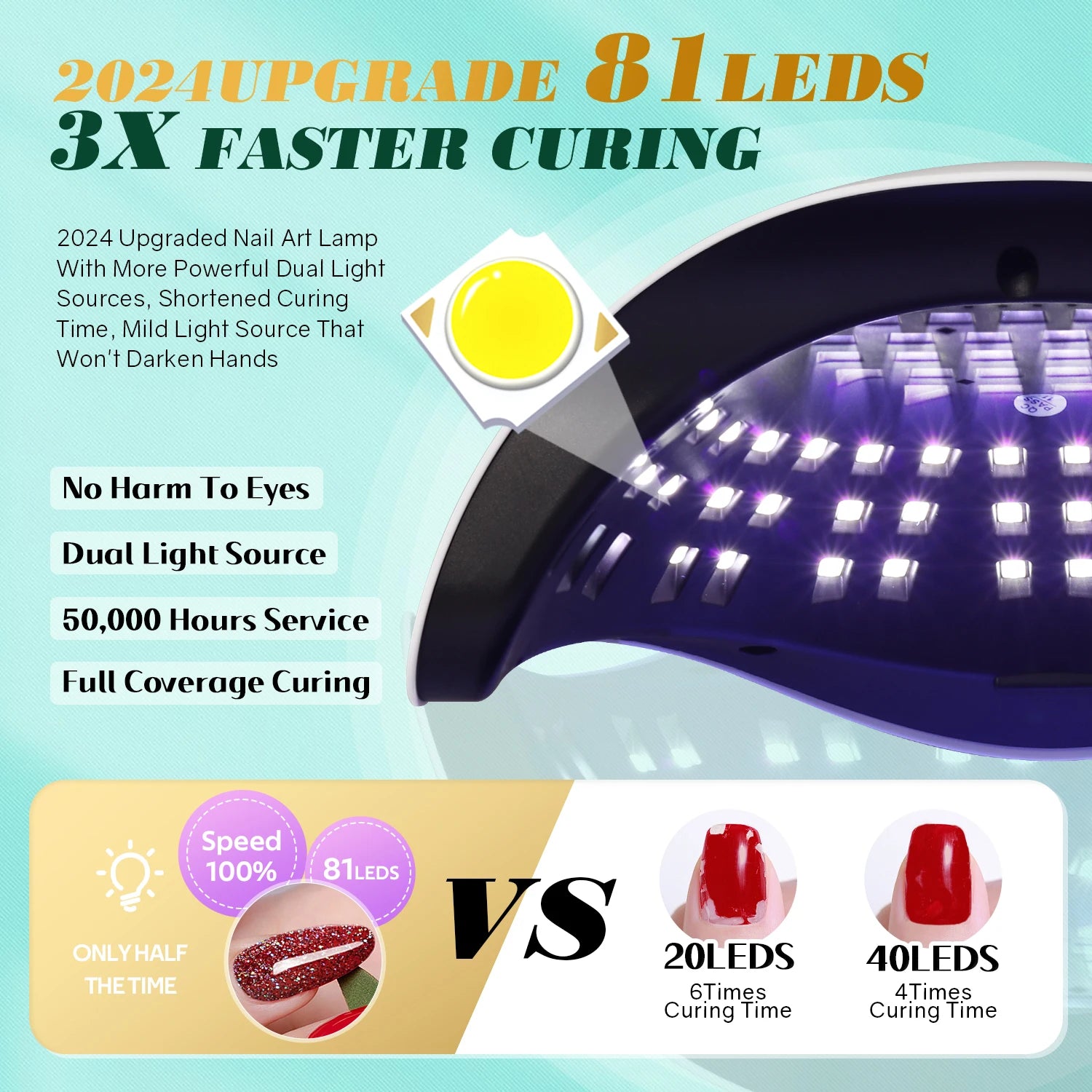
Learn what causes burning sensations during gel curing and how to reduce discomfort safely.
Why Do Nails Burn Under UV Lamps? Common Causes
Thick Gel Layers Create Larger Heat Spikes
Applying thick coats traps more uncured product, producing a stronger exothermic reaction.
Thin or Damaged Natural Nails
Thin nail plates provide less insulation, allowing heat to reach sensitive tissue more quickly.
Over-Filed Nail Plates
Excessive filing removes protective layers of the natural nail, making heat spikes feel significantly more intense.
High-Power Lamps Cure Faster
Higher-powered lamps accelerate curing, sometimes creating a sharper but shorter burst of heat.
Sensitive Skin and Nail Conditions
People with naturally sensitive nails or irritated skin may notice discomfort sooner than others.
Certain Gel Formulas Produce More Heat
Builder gels, hard gels, and heavily pigmented products often generate stronger heat spikes than thinner gel polish formulas.
Why Some People Feel More Burning Than Others
Naturally Thin Nails
Thin nail plates allow heat to travel to the nail bed more quickly.
Nail Damage from Previous Enhancements
Repeated acrylic or gel removal can temporarily weaken the natural nail, increasing sensitivity.
Fresh Nail Preparation
Aggressive buffing, filing, or cuticle work immediately before application may increase discomfort.
Individual Pain Sensitivity
Everyone experiences heat differently. What feels warm to one person may feel painful to another.
UV vs LED Nail Lamps: Which One Burns More?
The Lamp Isn't Usually the Real Problem
Both UV and LED nail lamps cure gel using ultraviolet light. The burning sensation comes primarily from the curing gel—not from the lamp itself.
Faster Curing Can Mean More Heat
LED lamps often cure gels more quickly than traditional UV lamps. Faster curing can produce a more noticeable heat spike even though exposure time is shorter.
Common Myths About UV vs LED Lamps
- LED lamps do not eliminate heat spikes.
- Higher wattage does not always mean more pain.
- The gel formula often matters more than the lamp type.
How to Reduce Burning Under a UV Nail Lamp
Use Thin Coats
Thin applications cure more evenly and generate less heat.
Flash Cure First
Briefly curing the gel before a full curing cycle can reduce the intensity of heat spikes.
Remove Your Hand Briefly
If you feel a sudden heat spike, remove your hand for a few seconds before continuing the cure.
Choose Lower-Heat Gel Products
Some professional gel systems are specifically formulated to minimize heat spikes.
Ask Your Nail Technician to Adjust the Process
Experienced technicians can modify application thickness, curing time, and lamp settings to improve comfort.
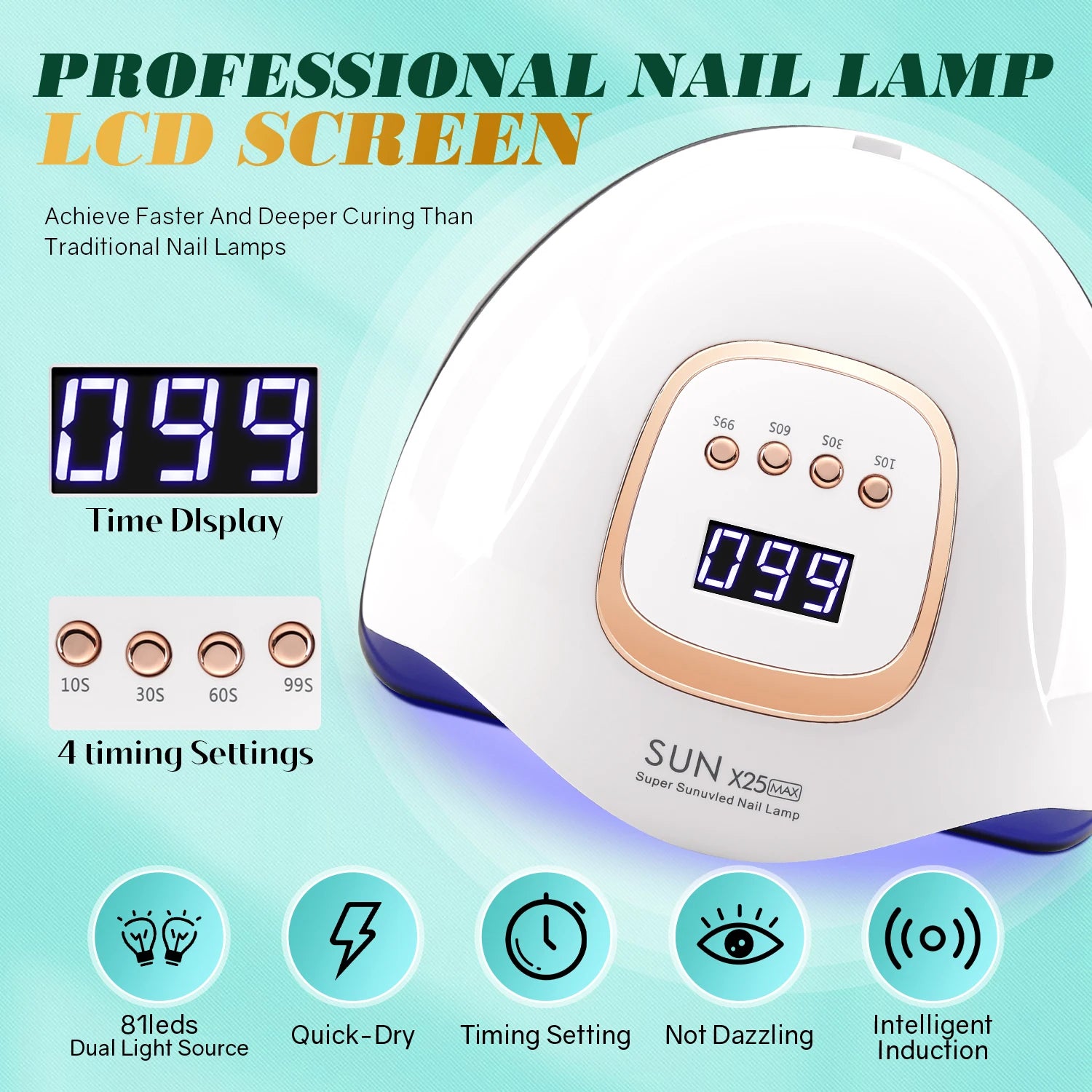
Proper curing technique helps reduce discomfort and improves gel manicure results.
When Burning May Mean Nail Damage
Normal Heat Spike vs Actual Injury
A heat spike usually lasts only a few seconds. Ongoing pain, swelling, blistering, or skin discoloration is not considered normal.
Warning Signs You Shouldn't Ignore
- Pain lasting after curing
- Visible burns or blisters
- Nail lifting
- Persistent redness
- Signs of infection
When to See a Dermatologist
If symptoms persist or worsen after your manicure, seek medical evaluation to rule out burns, allergic reactions, or nail disorders.
FAQ: Burning Under UV Nail Lamps
Why do my nails burn under UV light?
The burning sensation usually comes from the heat generated as gel polish cures rather than from the UV light itself.
Why does gel polish hurt only during curing?
Most discomfort occurs while polymerization is actively generating heat. Once curing finishes, the sensation typically disappears.
Do LED nail lamps burn less than UV lamps?
Not necessarily. LED lamps often cure faster, which can create stronger but shorter heat spikes.
Can UV lamps actually burn your skin?
Normal salon use should not cause skin burns, but faulty equipment or improper use can contribute to injury.
Does removing my hand ruin the manicure?
No. Briefly removing your hand to relieve a heat spike is a common recommendation before finishing the curing cycle.
Should I worry if only one finger hurts?
One sensitive or damaged nail may react more strongly than others. Persistent pain should be evaluated.
Pillar Article: How to Cure Gel Nails Without UV Light: 5 Proven Home Methods
Other Related Articles:
Explore More:













