

Remove Dog Hair from Couch: 7 Fast & Fabric-Safe Methods
Dog hair can quickly become trapped in couch fibers, seams, cushion edges, and crevices. The fastest safe approach is usually to loosen embedded hair first, gather the loose fur, and then vacuum the remaining debris. The right method depends on your upholstery, the amount of shedding, and whether the hair is sitting on the surface or pressed deep into the fabric.
This guide covers seven practical methods, from quick surface cleanup to deeper embedded-hair removal, plus fabric-safety checks, tool comparisons, a five-minute routine, and prevention tips.
What Is the Fastest Way to Remove Dog Hair from a Couch?
For most fabric couches, the quickest approach is a three-step process: loosen the hair, collect it, then vacuum the residue. A rubber tool is useful when hair is embedded in upholstery, while a lint roller or vacuum attachment works well for lighter surface buildup.
The 3-Step Fastest Method
- Loosen: Run a rubber glove or rubber brush across the upholstery using short, controlled strokes. This helps pull trapped hair away from the fabric.
- Collect: Gather the loosened fur into small clumps and remove them by hand or with a suitable collection tool.
- Vacuum: Use an upholstery or crevice attachment to capture remaining hair, dust, and debris from cushions, seams, and gaps.
Best Method by Hair Type
Short, fine dog hair can be difficult for a vacuum to capture when it is anchored between fibers. A rubber glove or brush can loosen it before vacuuming. Long, loose hair is usually easier to collect with a lint roller, glove, or vacuum. For heavily embedded hair, combine mechanical loosening with thorough vacuuming rather than relying on one tool.
Before You Start: Check Your Couch Fabric and Care Label
Pet hair removal should not come at the expense of damaged upholstery. Before using moisture, friction, or a new cleaning tool, check the manufacturer's care instructions and identify the upholstery cleaning code if one is available.
What the Upholstery Cleaning Codes Mean
W generally indicates that water-based cleaning methods are permitted. S generally means a solvent-based upholstery cleaner is appropriate rather than water. WS or W-S indicates that either water-based or solvent-based cleaning may be suitable. X generally means the upholstery should be vacuumed or professionally cleaned rather than treated with water or household cleaning solutions.
These codes are general guidance, so always follow the specific care instructions supplied with your couch. If the manufacturer's instructions differ, follow those instructions.
Test Any New Method on a Hidden Area First
Before cleaning a visible section, test the tool or technique on a small, inconspicuous area. Look for changes in color, texture, surface finish, or fabric tension. This is especially important when introducing moisture or applying repeated friction.
When to Avoid Water or Aggressive Scrubbing
Do not assume that dampening a glove or cloth will make hair removal safer or more effective. Moisture should only be used when compatible with the upholstery. Avoid soaking cushions, repeatedly scrubbing one area, or applying unnecessary heat. For delicate, specialty, or X-coded upholstery, stick to the manufacturer's recommended cleaning approach.
7 Fast, Fabric-Safe Methods to Remove Dog Hair from a Couch
There is no single best tool for every couch. The most effective method depends on whether the hair is loose, fine, long, or deeply embedded. Start with the least aggressive method that can solve the problem, then move to more targeted mechanical removal when necessary.
1. Use a Vacuum Cleaner with the Right Upholstery Attachment
A vacuum is an efficient finishing tool for loose dog hair and the debris left after loosening embedded fur. Use an upholstery attachment across cushions, seat backs, and armrests. Move slowly enough for the attachment to collect hair instead of simply pushing it across the surface.
Use a narrow crevice attachment for seams and gaps. If hair remains visibly anchored in the fabric after vacuuming, switch to a rubber tool before vacuuming again. This two-stage approach is often more useful than repeatedly vacuuming the same stubborn area.
2. Use a Rubber Glove to Gather Loose Hair
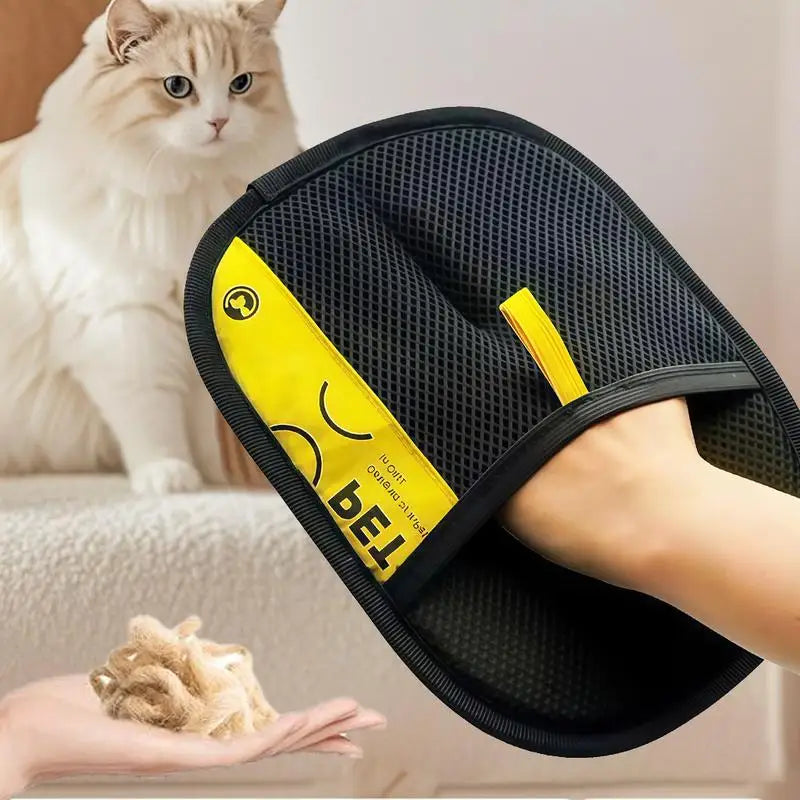
A rubber glove can create enough friction to gather loose dog hair into removable clumps. For compatible upholstery, use short strokes in one direction rather than aggressive back-and-forth scrubbing. Once the hair gathers, pick up the clumps and vacuum the remaining debris.
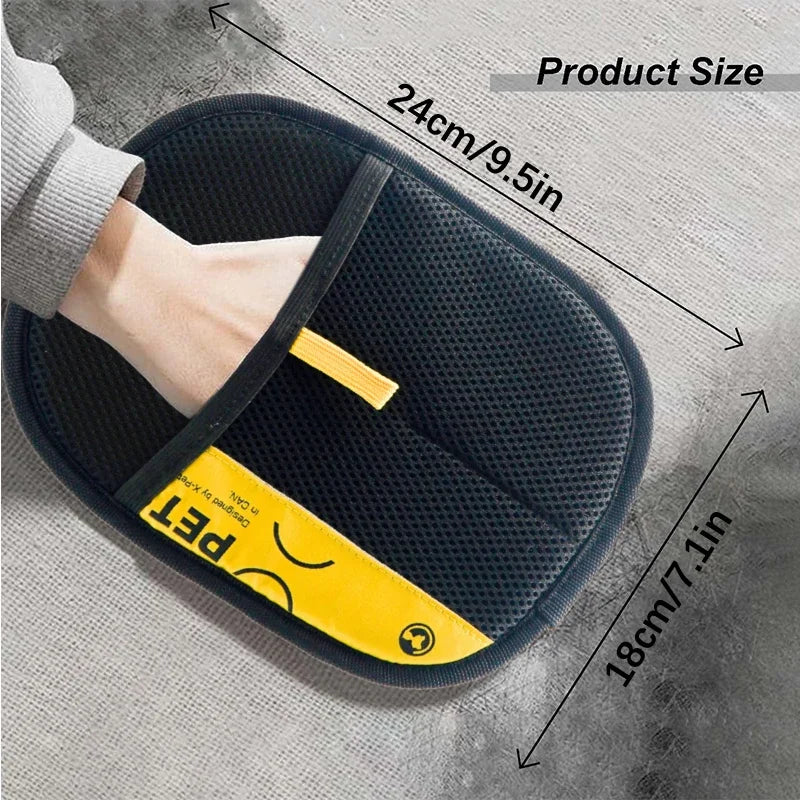
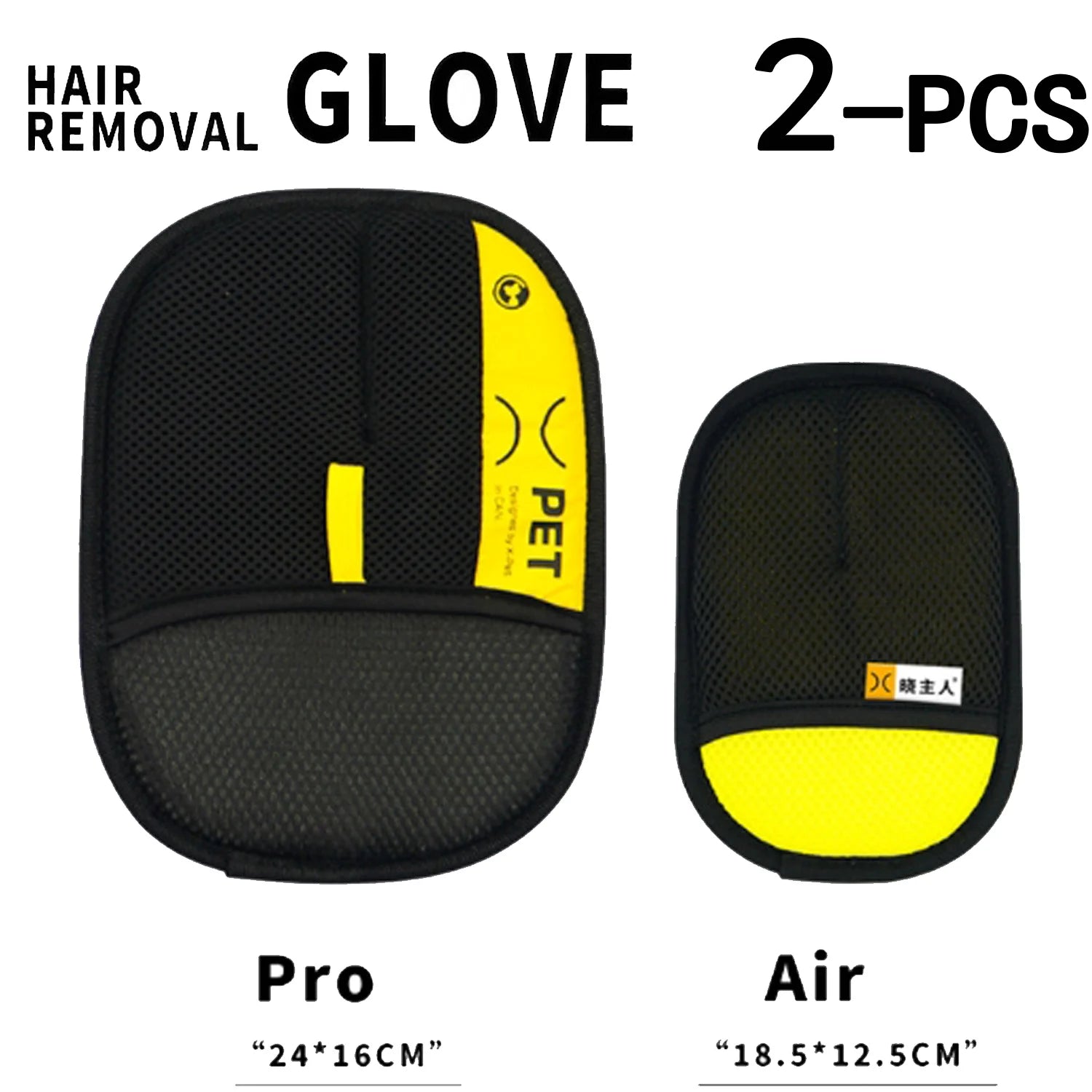
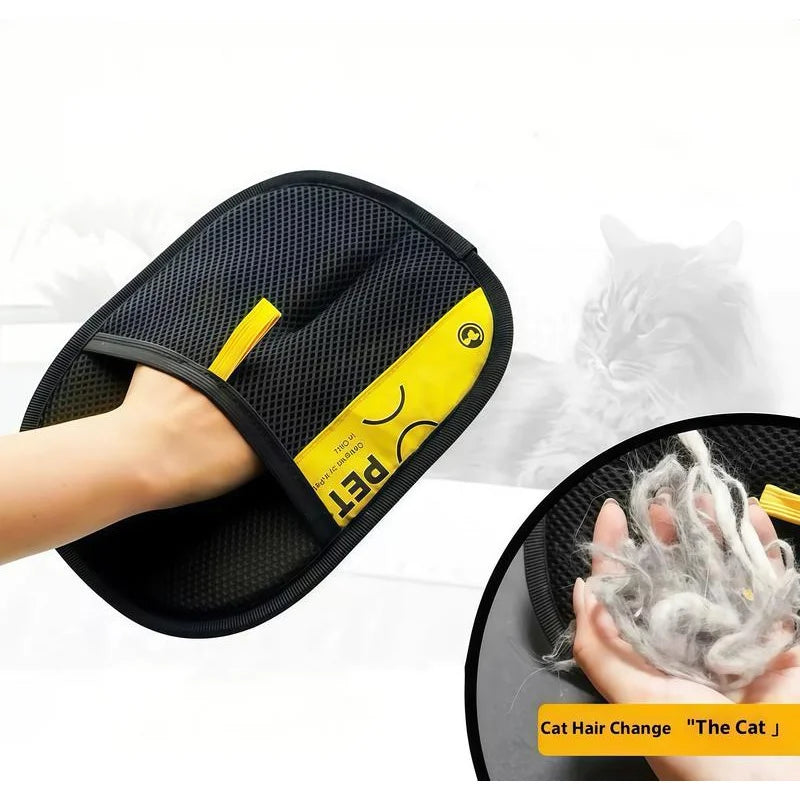
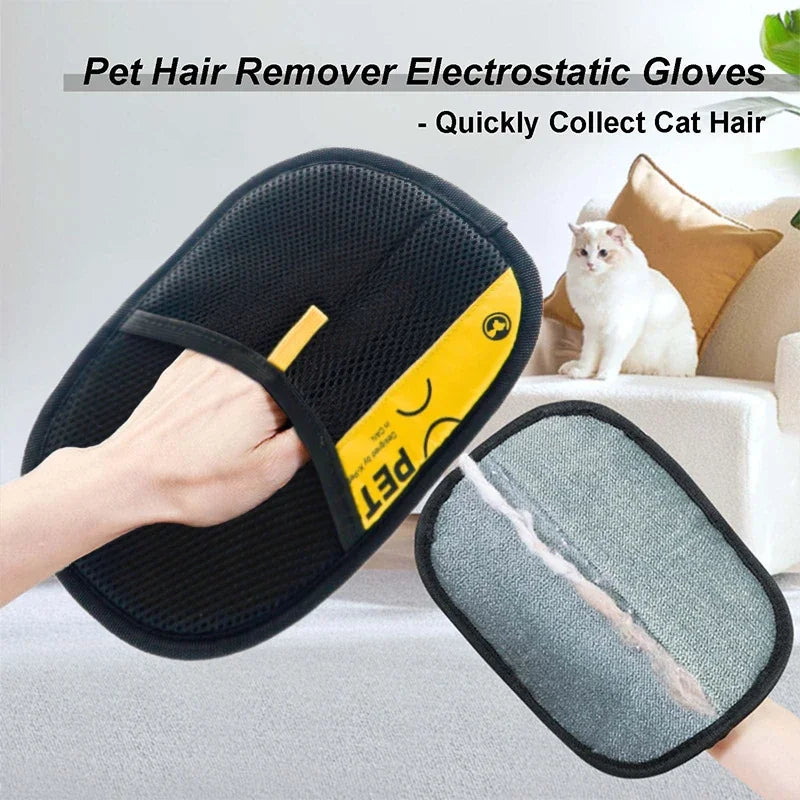
A reusable pet hair remover glove can be particularly convenient when you want one hand-friendly tool for both pet grooming and fabric cleanup. The KentDo Pet Hair Remover Glove is designed for cats and dogs and uses static-powered cleaning to help lift loose fur, lint, and dust. It is also reusable and washable.
If you use a glove directly on your pet, follow the product's intended grooming use and stop if your pet shows discomfort.
3. Brush Embedded Hair Out with a Rubber Brush
When dog hair is pressed deep into upholstery fibers, a rubber brush can provide more mechanical action than a lint roller. Work in controlled strokes across a small section at a time. The goal is to loosen the hair without aggressively pulling or damaging the upholstery.
After the hair rises toward the surface, collect the loosened fur and vacuum the area. This method is especially useful for couches that receive frequent contact from shedding dogs.
4. Roll Away Surface Hair with a Lint Roller
A lint roller is useful for quick finishing passes on visible surfaces. Roll it over cushions, armrests, and other accessible areas where hair is loose or lightly attached.
However, a lint roller is not usually the best choice for deeply embedded dog hair. It can remove surface fur quickly but may struggle with hair that has worked between dense upholstery fibers. Use it as a fast maintenance tool or final cleanup rather than the only method for heavy buildup.
5. Wipe the Couch with a Slightly Damp Microfiber Cloth
On upholstery that permits water-based cleaning, a slightly damp microfiber cloth can gather fine floating hair that remains after other cleaning steps. The cloth should be damp rather than wet. Use light, controlled passes and avoid saturating the fabric.
This approach is best treated as a finishing method for compatible upholstery, not a universal solution. Always check the care instructions before introducing moisture.
6. Work the Seams, Crevices, and Cushion Edges Separately
Dog hair often collects where upholstery pieces meet. Even when the main seating surface looks clean, hair can remain along piping, seams, under cushions, and between seat backs and cushions.
Remove cushions when the couch design allows it, then clean both sides and vacuum the edges. Use a crevice attachment for narrow gaps and a rubber tool for hair that remains anchored. Cleaning these areas separately prevents hidden buildup from being pushed back onto freshly cleaned surfaces.
7. Combine Loosening and Vacuuming for Heavily Embedded Hair
For severe shedding, use a multi-stage workflow. Start with a rubber glove or rubber brush to lift embedded hair, collect the larger clumps, then vacuum the upholstery and seams thoroughly.
Instead of spending several minutes repeatedly vacuuming hair that is anchored in the fabric, mechanical loosening gives the vacuum a cleaner target. Work in small sections so you can see which areas still need attention.
Dog Hair Removal Tools Compared: Which Works Best?
Vacuum Attachment vs. Rubber Glove vs. Rubber Brush vs. Lint Roller vs. Microfiber Cloth
| Tool | Best Use | Hair Type | Speed | Main Limitation |
| Vacuum attachment | Collecting loose hair and debris | Loose to moderate buildup | Fast | May miss embedded hair |
| Rubber glove | Gathering hair from upholstery | Loose and fine hair | Fast | Requires manual collection |
| Rubber brush | Loosening embedded fur | Fine or stubborn hair | Moderate | Requires controlled strokes |
| Lint roller | Surface finishing | Loose surface hair | Very fast | Less effective on deep buildup |
| Microfiber cloth | Fine surface cleanup | Light hair and dust | Fast | Moisture may not suit all fabrics |
Best Tool for Short, Fine Dog Hair
Fine hair often becomes anchored between upholstery fibers. A rubber glove or rubber brush can loosen it before a vacuum captures the debris. If the hair is already loose, a vacuum or lint roller may be enough for routine maintenance.
Best Tool for Long or Heavily Embedded Hair
Long hair can often be gathered manually, while heavily embedded hair usually benefits from mechanical loosening followed by vacuuming. For dense buildup, combining tools is generally more practical than expecting a single pass to remove everything.
How to Remove Dog Hair from Different Parts of the Couch
Couch Cushions
Remove cushions when possible and clean the exposed edges as well as the main surfaces. Vacuum both sides if the upholstery permits it. Pay special attention to the underside and the points where cushions meet the frame.
Seams and Piping
Use a narrow vacuum attachment for loose debris in seams. If hair is anchored around piping, use controlled rubber-tool strokes to bring it toward the surface before vacuuming.
Armrests and Seat Backs
These areas can accumulate visible hair because they receive frequent contact. Work in consistent directional passes, beginning with a rubber tool when hair is embedded and finishing with a vacuum or lint roller.
Under and Between Cushions
Remove concentrated hair with a crevice attachment and manual collection. Clean the frame area before replacing cushions so loose hair does not immediately transfer back onto the seating surface.
A 5-Minute Couch Dog-Hair Cleaning Routine
Minute 1: Remove Cushions and Loose Hair
Clear cushions if possible and collect obvious surface hair. Focus first on the areas where shedding is most visible.
Minutes 2-3: Loosen Embedded Hair
Use a rubber glove or rubber brush on sections where hair remains trapped. Keep the strokes controlled and follow the upholstery's care requirements.
Minute 4: Vacuum Seams and Upholstery
Vacuum the loosened hair from the main fabric, seams, cushion edges, and crevices. Move systematically so you do not skip concentrated areas.
Minute 5: Finish High-Visibility Areas
Use a lint roller or compatible microfiber cloth to remove remaining surface hair. This final pass is particularly useful on armrests and cushion tops.
Common Mistakes That Make Dog Hair Harder to Remove
Vacuuming Without Loosening Embedded Hair
A vacuum can collect loose fur efficiently, but deeply anchored hair may remain between fibers. If visible hair survives repeated vacuuming, loosen it mechanically before making another pass.
Using Too Much Water
More moisture does not automatically mean better hair removal. Excess water can leave upholstery damp and may be inappropriate for fabrics that do not permit water-based cleaning.
Scrubbing Too Aggressively
Forceful scrubbing can disturb fibers or surface texture. Use short, controlled strokes and increase cleaning intensity only when the fabric's care instructions allow it.
Ignoring Seams and Cushion Gaps
Cleaning only the most visible surfaces leaves concentrated hair behind. Always inspect seams, cushion edges, and gaps after completing the main upholstery.
Using a Tool Without Checking the Fabric
A tool that works well on one couch may not be appropriate for another. Check the care label and test unfamiliar methods on a hidden section before treating the entire couch.
How to Keep Dog Hair Off Your Couch Longer
Use Washable Couch Covers
Washable covers create a removable barrier between your dog and the upholstery. They can reduce direct hair accumulation and make routine cleanup easier when shedding increases.
Groom Your Dog Regularly
Regular grooming can help remove loose fur before it reaches furniture, clothing, and carpets. The appropriate grooming routine depends on your dog's coat and individual needs.
Keep a Hair-Removal Tool Near the Couch
Frequent short cleanups are easier than waiting until hair becomes deeply embedded. Keeping a reusable hair-removal tool nearby makes it practical to deal with visible buildup as part of your normal cleaning routine.
For a reusable option that can be used on both pets and compatible fabric surfaces, see the Pet Hair Remover Glove. Its washable construction is designed for repeated use, while its static-powered cleaning approach helps lift loose fur, lint, and dust.
Vacuum on a Consistent Schedule
Set a cleaning frequency based on how heavily your dog sheds and how often the couch is used. High-shedding households may benefit from short, frequent passes rather than occasional deep cleaning sessions.
You can also explore the Lifestyle collection for other practical everyday-use products.
Which Method Should You Use for Your Couch?
For Light Surface Hair
Start with a lint roller, compatible microfiber cloth, or quick vacuum. There is no need for aggressive mechanical loosening when the hair is already sitting on top of the fabric.
For Fine Hair Embedded in Fabric
Use a rubber glove or rubber brush to loosen the hair, then vacuum the material. This combination targets the hair at the fiber level before the vacuum collects it.
For Heavy Shedding and Deep Buildup
Use a multi-stage workflow: loosen the hair with a rubber tool, collect larger clumps, vacuum the upholstery, and then focus separately on seams, cushion edges, and crevices. Repeat only where needed rather than aggressively scrubbing the entire couch.
The best dog-hair removal method is ultimately the one that matches both the upholstery and the type of shedding you are dealing with. Start gently, follow the couch's care instructions, loosen stubborn hair before vacuuming, and make short cleanup sessions part of your routine.
For a reusable tool designed for everyday pet-hair cleanup, you can explore the Pet Hair Remover Glove as an optional addition to your couch-cleaning routine.
Pillar Article: Electrostatic Pet Hair Remover Glove: Hands-On Comparison













