
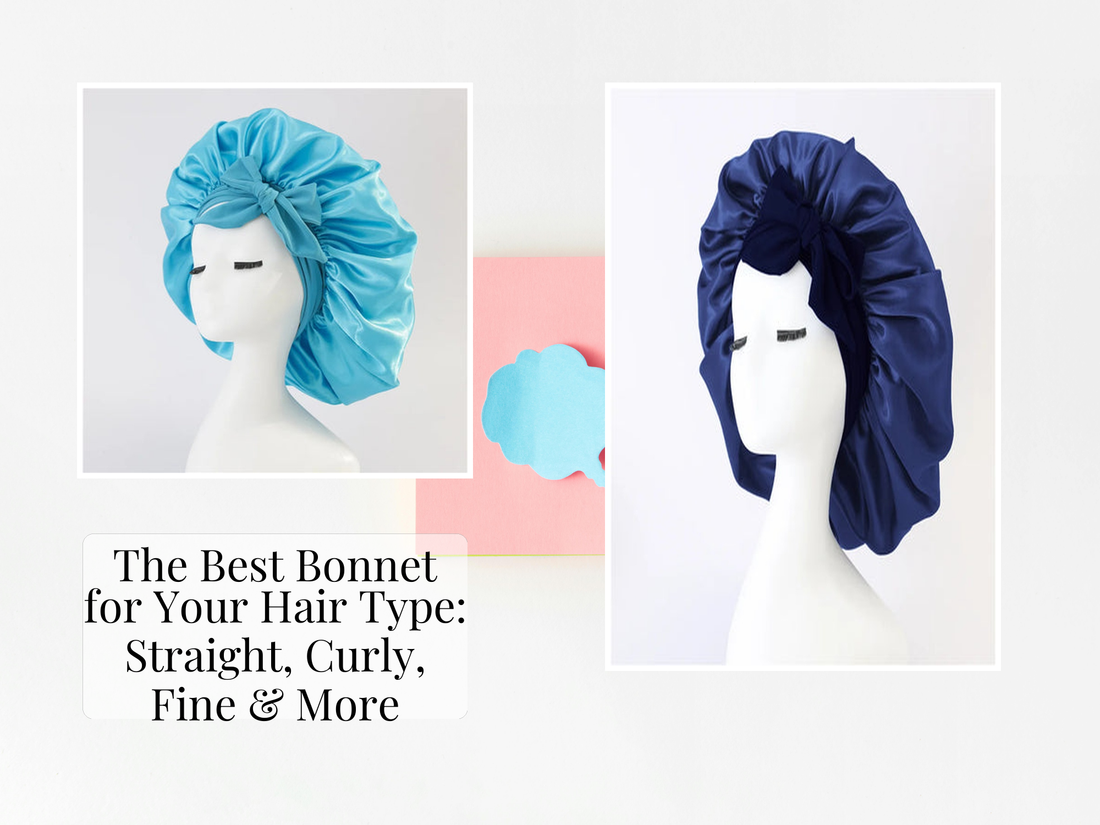
Do Bonnets Work for Straight Hair? Benefits, Myths & How to Wear One
Wondering how to wear a satin bonnet the right way for your unique hair type? Whether you're using a satin hair bonnet for sleeping or reaching for a sleeping bonnet silk option, choosing the right fit makes all the difference. Do satin bonnets work for straight hair or are they better suited for curls? If you have a sleeping bonnet for fine hair, you might be missing one key feature. Find out what your hair really needs — and what most people get wrong.
⏱ 7 min read
Quick Answer: Do Bonnets Work for Straight Hair?
Yes—bonnets can absolutely work for straight hair. While they’re often associated with curly or textured hair, satin or silk bonnets can benefit straight hair by reducing friction, preventing breakage, and minimizing overnight frizz.
When you sleep on cotton pillowcases, the fabric creates friction against your hair strands. This friction can roughen the hair cuticle, leading to tangles, split ends, and static. A satin or silk bonnet creates a smooth barrier that allows hair to glide instead of rub.
For people with fine, long, or easily tangled straight hair, wearing a bonnet overnight can help:
- Reduce breakage caused by friction
- Prevent frizz and static
- Maintain blowouts or straight styles longer
- Limit overnight tangling
The key is choosing the right bonnet fabric and fit so your hair stays protected without flattening your roots.

💡 See it in action: how to wear a satin bonnet for overnight protection
👉 See price — stock low!
Why Straight Hair Can Still Benefit From a Bonnet
Many people assume bonnets are only useful for curly or coily hair types, but straight hair can also benefit from overnight protection. The main reason is friction.
How Bonnets Reduce Friction and Breakage
Hair becomes vulnerable when it rubs against rough fabrics like cotton. As you move during sleep, this friction lifts the hair cuticle and weakens strands over time. Satin and silk bonnets create a smooth surface that allows hair to glide rather than snag.
Moisture Retention for Straight Hair
Cotton pillowcases absorb natural oils and hair products overnight. This can leave straight hair feeling dry or static-prone by morning. A satin or silk bonnet helps retain moisture by creating a protective barrier between your hair and absorbent fabrics.
Preventing Overnight Bends and Frizz
For people with long or fine straight hair, sleeping without protection can cause bends, creases, or messy tangles. A properly fitted bonnet keeps hair contained and smooth, helping your hairstyle last longer.
For more overnight protection tips, visit our Beauty & Self-Care Blog.
Are Satin Bonnets Good for Straight Hair?
Yes, satin bonnets are often a great choice for straight hair. Satin is a smooth, low-friction fabric that protects the hair cuticle and reduces tangling during sleep.
Satin vs Cotton While Sleeping
Compared with cotton pillowcases, satin creates far less friction. Cotton fibers are rougher and more absorbent, which can pull moisture from your hair and increase static.
Satin bonnets help by:
- Reducing hair breakage
- Preventing overnight tangles
- Maintaining smoothness in straight styles
- Minimizing static and frizz
Who Benefits Most From Satin Bonnets
Satin bonnets tend to work especially well for people with:
- Fine or fragile hair
- Long straight hair
- Color-treated or heat-styled hair
- Hair prone to frizz or static
Silk vs. Satin Bonnets for Straight Hair
| Feature | Satin Bonnet | Silk Bonnet |
|---|---|---|
| Material | Polyester blend | Natural silk fibers |
| Price | More affordable | Luxury price point |
| Maintenance | Easy to wash | Hand wash preferred |
| Feel | Smooth & silky | Ultra-soft & breathable |
Silk Bonnet for Fine Hair
Silk bonnets are extremely soft and breathable, making them a good option for delicate or fine straight hair. They reduce friction while allowing airflow, which helps prevent overheating overnight.
Satin Bonnet for Fine Hair
Satin bonnets provide similar smoothing benefits but at a more affordable price point. Many high-quality satin bonnets feature double-layer construction that improves durability and moisture retention.
Which Fabric Is Better for Straight Hair?
Both fabrics can work well. Silk offers premium softness and breathability, while satin delivers similar protection with easier maintenance and lower cost. For many people, a well-made satin bonnet offers the best balance of comfort and performance.
Discover more beauty sleep accessories in LifestyleBest Bonnet Types for Straight, Fine, or Thin Hair
Not all bonnets are designed the same. For straight hair—especially fine or thin hair—the right style can make a big difference in comfort and results.
Bonnet for Fine Straight Hair
Fine hair benefits from lightweight bonnets that won’t compress the roots. Look for breathable satin or silk with a soft elastic band that stays secure without creating pressure.
Bonnet for Thin Hair
People with thinner hair should prioritize smooth fabrics and adjustable bands. A loose bonnet can slip off, while a tight one can flatten hair overnight.
Adjustable Bonnets vs Loose Bonnets
Adjustable bonnets allow you to customize the fit so your hair stays protected without causing dents or discomfort. This is especially useful for straight hair, which can easily develop bends from tight pressure.
How to Wear a Bonnet With Straight Hair (Step-by-Step)
To wear a satin bonnet properly, gently tuck all hair into the bonnet before bed. Use a smooth motion without pulling hair tightly. The goal is to contain your hair while maintaining natural volume.
Preparing Straight Hair Before Bed
- Start with dry or lightly moisturized hair.
- Detangle hair with fingers or a wide-tooth comb.
- Gather hair loosely (low ponytail, braid, or loose wrap).
- Slide the bonnet over your head from front to back.
- Adjust the bonnet to fully cover your edges and nape.
Preventing Flat Roots in the Morning
To avoid flattened roots, avoid pulling the bonnet too tight. Using a lightweight bonnet and loosely securing your hair helps maintain volume.
Tips for Long Straight Hair
- Use a loose braid to reduce tangles.
- Avoid tight hair ties before bed.
- Choose a bonnet with enough room for long strands.
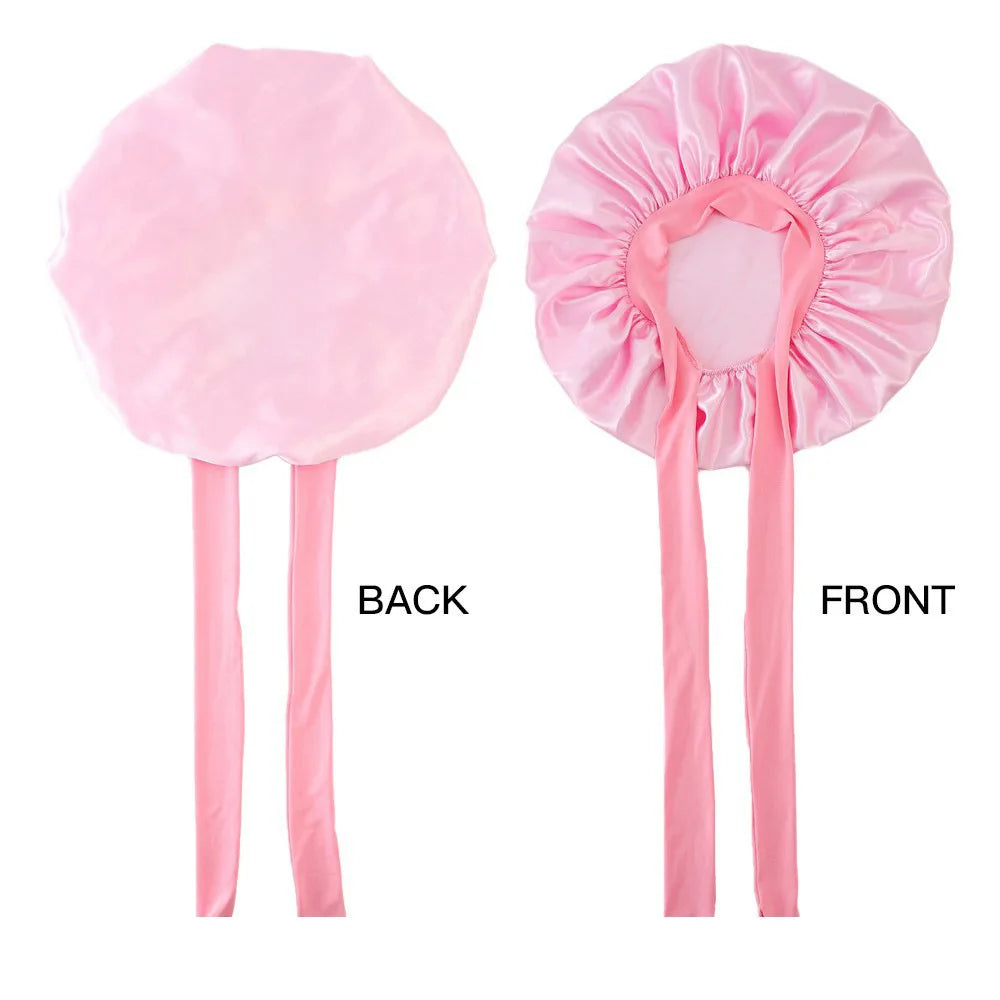
💡 See it in action: satin hair bonnet for sleeping — zero frizz in the morning!
Bonnet vs Silk Pillowcase: Which Protects Straight Hair Better?
Both silk pillowcases and bonnets help reduce friction during sleep, but they work slightly differently.
- Silk pillowcase: Reduces friction between your hair and pillow.
- Bonnet: Fully encloses your hair to prevent tangling and movement.
For straight hair, a bonnet often provides stronger protection because it keeps hair contained while you move during the night.
However, many people use both together. Wearing a satin bonnet while sleeping on a silk pillowcase creates a double layer of protection that minimizes breakage and frizz.
Common Mistakes When Wearing a Bonnet With Straight Hair
If a bonnet doesn’t seem to work for straight hair, the issue is often how it’s being worn.
- Using a bonnet that’s too tight – This can flatten roots and leave dents in straight hair.
- Putting it on with tangled hair – Always brush or gently detangle before bed.
- Choosing rough fabrics – Low-quality satin can still create friction.
- Wearing a bonnet that’s too large – Excess space allows hair to move around and tangle.
A properly fitted satin or silk bonnet should feel secure but comfortable and allow your hair to rest naturally overnight.
Sleeping Bonnets for Fine, Thin Hair
Fine hair is especially prone to breakage, static, and oil imbalance. A snug but gentle bonnet keeps strands in place without flattening volume.
Sleep Bonnet for Fine Hair
- ✔ Lightweight material (sleeping bonnet silk or satin)
- ✔ Breathable and soft lining
- ✔ Reduces bedhead and morning tangles
Choosing the Right Bonnet Size
- ✔ Small or adjustable sizing for secure fit
- ✔ Enough room to avoid compressing hair
- ✔ Soft elastic or drawstring for comfort
If you use a sleeping bonnet for fine hair, choose one that doesn’t slide or trap heat. A satin bonnet with drawstring ensures comfort and airflow all night long.
Why Adjustable Bonnets Are a Game Changer
Not all bonnets are created equal. A well-fitted adjustable bonnet prevents slipping, protects edges, and enhances comfort — regardless of your hair type.
- 🔁 Custom fit for all head sizes
- 💤 Stays secure overnight (even for restless sleepers)
- 💧 Locks in moisture to reduce dryness
- 🌀 Ideal for protective styles and long straight hair
Choose a satin bonnet that fits your life — not just your hair. Adjustable styles offer long-term value and better results overnight.
Choosing the Right Bonnet for Your Hair
The best bonnet for straight hair depends on your hair length, thickness, and nighttime routine. Most people benefit from a smooth satin or silk bonnet that stays secure without compressing the roots.
If your hair is fine or thin, choose a lightweight bonnet with a soft adjustable band. If your hair is long, look for a bonnet with enough room to contain your strands comfortably.
Ultimately, the goal is simple: reduce friction, preserve moisture, and help your hairstyle last longer overnight.
👉 Order yours now — before it sells out!
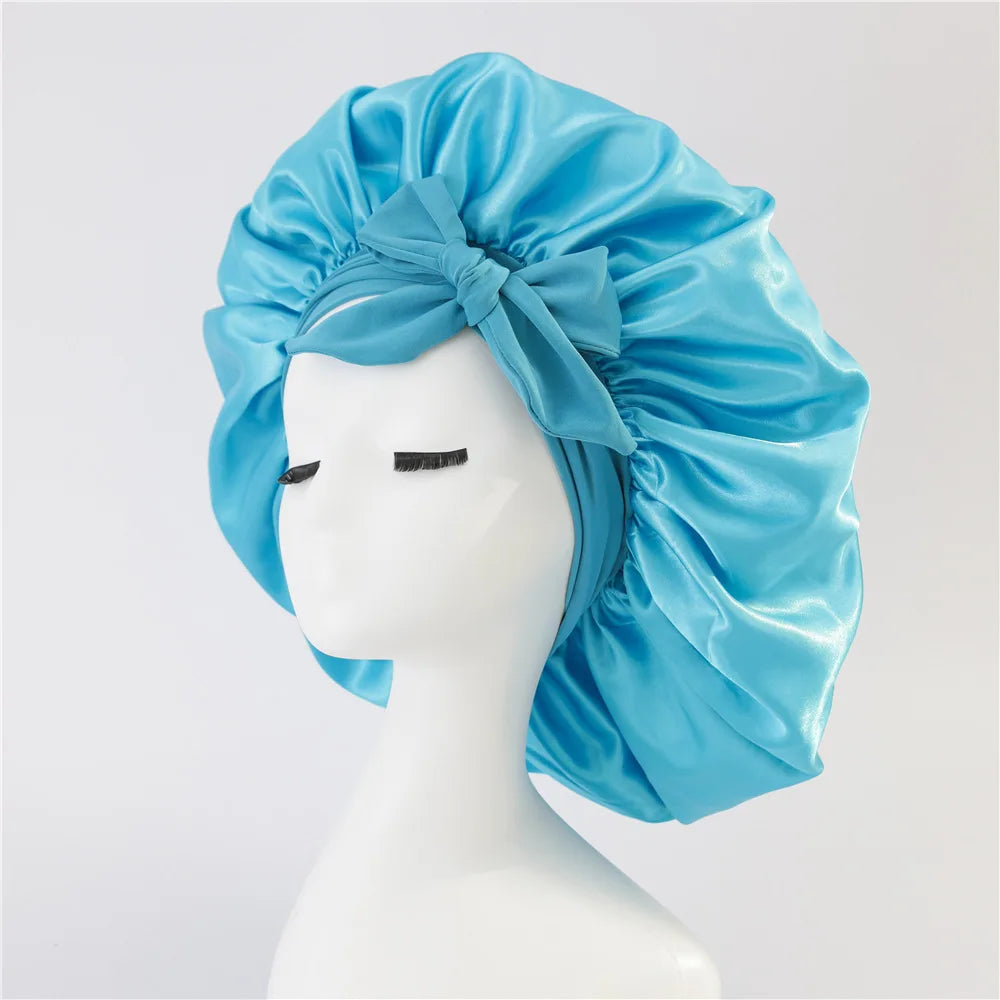
💡 See it in action: sleeping bonnet silk for every hair type
FAQ
Do satin bonnets work for straight hair?
Yes. Satin bonnets reduce friction and help prevent tangles, breakage, and overnight frizz, making them useful for many straight hair types.
Can people with straight hair wear bonnets?
Absolutely. Bonnets can protect straight hair from friction caused by pillowcases and help maintain styles like blowouts or straightened hair.
Is a bonnet good for fine hair?
Yes. A lightweight satin or silk bonnet can reduce breakage and tangling for fine hair while helping preserve moisture overnight.
Will a bonnet make straight hair flat?
Not if it fits properly. A loose or adjustable bonnet allows hair to rest naturally without compressing the roots.
How often should I wash my bonnet?
Wash your bonnet weekly or every 3–4 uses to remove product buildup, sweat, and oils. Use gentle detergent and air dry for longevity.
Related Articles:
- Sleeping Bonnet for Fine Hair: What to Use for No Breakage
- Do Satin Bonnets Work for Straight Hair? Here's the Truth
Pillar Articles:













