Q: How accurate are skin moisture meters, and can they really measure hydration?
A: High-quality skin moisture meters using bioelectrical impedance (BIA) or capacitance sensors can measure hydration within ±3% accuracy. These tools detect water levels in the skin’s surface and deeper layers, helping you track dryness, balance oil, and improve your skincare routine. For consistent results, test on clean skin and at the same time each day.
Skin Moisture Meter Guide: How Skin Hydration Meters Work & Which One to Choose
Using a skin moisture meter may sound like advanced beauty technology, but these devices are becoming increasingly common in modern skincare routines. Whether you're considering a digital skin moisture meter, a portable skin hydration test machine, or a simple moisture checking meter, understanding how they work can help you choose a reliable option.
Some hydration meters deliver surprisingly accurate insights into your skin barrier health, while others provide only rough estimates. The key is understanding how hydration sensors function and how to interpret the readings they provide.
What Is a Skin Moisture Meter?
A skin moisture meter is a handheld device that measures the hydration level of the outer layer of your skin. Also known as a skin hydration meter, skin moisture analyzer, or skin moisture reader, the device evaluates how much water is present in the stratum corneum—the outermost protective barrier of your skin.
By placing a small probe against the skin, the device performs a quick skin moisture test and displays a numerical hydration score or percentage. Many modern devices also act as a digital skin moisture meter capable of detecting oil levels and elasticity.
What a Skin Hydration Meter Measures
Most skin hydration measuring devices analyze the electrical properties of the skin to estimate water content. Because water conducts electricity differently than dry skin, the meter can calculate hydration levels almost instantly.
- Water content in the stratum corneum
- Surface oil levels (in some devices)
- Skin elasticity indicators
- Hydration balance across facial zones
Why Skin Hydration Measurement Matters
Understanding your skin’s hydration level helps guide skincare decisions. A moisture meter for face can help determine whether your skin needs stronger hydration, barrier-repair ingredients, or lighter products.
Instead of guessing whether a moisturizer works, a skin moisture detector provides measurable feedback so you can track improvements over time.
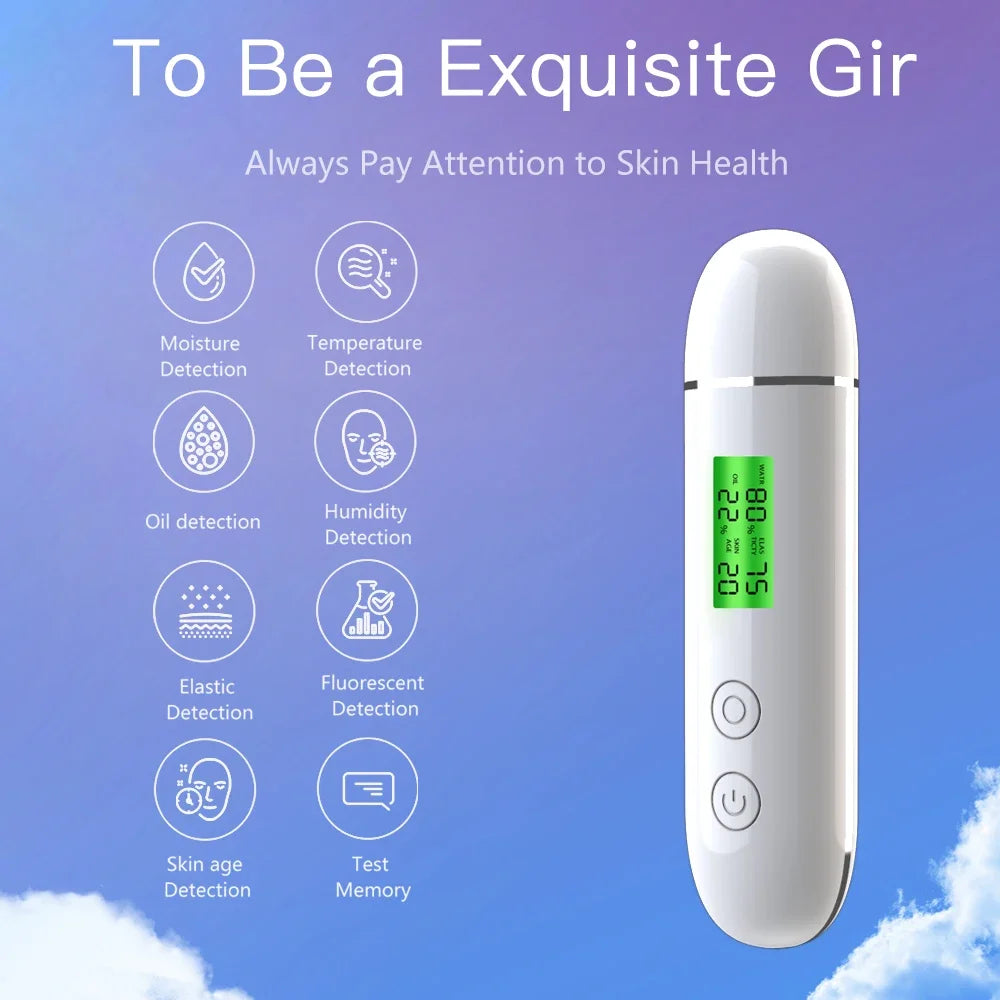
💡 See it in action: digital skin moisture meter for at-home hydration check
Are Skin Moisture Meters Actually Reliable?
Most modern skin moisture meters are designed to provide reasonably accurate hydration estimates when used correctly. Professional dermatology devices such as corneometers are considered the gold standard, but many consumer-level skin moisture analyzers use similar measurement principles.
Accuracy of At-Home Skin Moisture Analyzers
Consumer devices usually provide relative hydration measurements rather than exact clinical values. The most valuable insight comes from tracking changes over time rather than focusing on a single number.
- Comparing hydration levels before and after skincare
- Monitoring seasonal skin dryness
- Evaluating product effectiveness
When used consistently, a digital moisture monitor for skin can reveal patterns that help optimize your skincare routine.
What Factors Affect Skin Moisture Readings
- Room humidity and temperature
- Recent skincare application
- Sweat or surface oil
- Time of day
For consistent readings, experts recommend testing hydration at the same time each day using the same hydration meter for skin.
How a Digital Skin Moisture Meter Works
A digital skin moisture meter measures hydration by analyzing how electricity interacts with the skin’s surface. Because water conducts electricity differently than dry skin, the device estimates hydration based on electrical resistance or capacitance.
Bioelectrical Impedance & Capacitive Sensors
Many home-use skin moisture sensors rely on bioelectrical impedance technology. When the probe touches the skin, a very small electrical signal passes through the outer layer of skin.
Higher water content allows the signal to travel more easily, resulting in a higher hydration reading on the display.
Corneometer Technology in Professional Devices
Clinical-grade skin hydration machines often use corneometry, which measures the dielectric constant of the skin. Because water has a high dielectric constant, these instruments provide precise hydration estimates in the stratum corneum.
Many consumer moisture meters for skin use simplified versions of this technology to deliver fast at-home readings.
What the Skin Moisture Sensor Detects
- Hydration percentage of the outer skin barrier
- Changes after skincare product application
- Hydration differences across facial zones
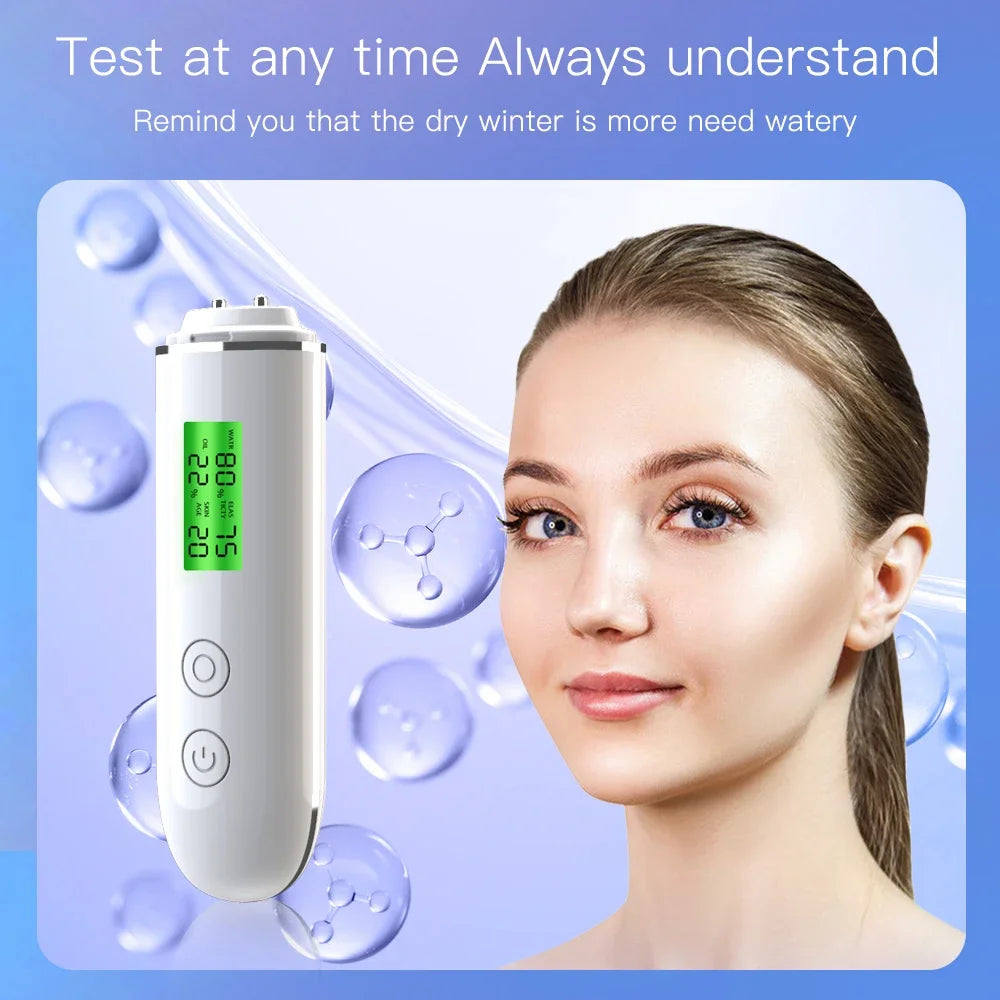
💡 Best-selling skin hydration test machine with dual oil & moisture sensors
Understanding Skin Hydration Percentage Results
After performing a skin moisture test, most devices display a hydration percentage or numerical score. Interpreting these values helps you determine whether your skin is dry, balanced, or well hydrated.
Skin Moisture Level Chart
- 0–30% — Very dry skin
- 30–40% — Dry or dehydrated skin
- 40–60% — Normal hydration level
- 60–80% — Well hydrated skin
What Your Skin Moisture Test Results Mean
If your face moisture meter frequently reads below 35%, your skin may benefit from stronger hydration support such as humectants, barrier-repair moisturizers, or hyaluronic acid serums.
Consistent readings above 40% typically indicate a healthy hydration balance when measured regularly with the same moisture meter for face.
Comparison Table: Top Moisture Meters in 2025
| Device | Sensor Type | Hydration Accuracy | Oil Detection | Price Range |
|---|---|---|---|---|
| KentDO Skin Analyzer | BIA + Oil | ±2.8% | Yes | $$ |
| Generic Moisture Gun | Infrared | ±9% | No | $ |
| Advanced Hydration Probe | Capacitance | ±4% | Yes | $$$ |
Accuracy, Sensor Type & Key Features
When choosing a skin moisture reader, sensor technology matters. Devices using bioelectrical impedance or capacitance sensors tend to deliver more consistent readings compared to infrared-only scanners.
Best Skin Moisture Reader for Home vs Professional Use
Home skincare users usually prefer compact digital skin moisture meters that provide quick readings and oil detection. Professionals in clinics may use larger skin hydration machines capable of measuring elasticity and deeper hydration metrics.
What Real Users Are Saying
Thousands of skincare enthusiasts and professionals have incorporated the KentDO Skin Analyzer into their daily routines.

“My hydration improved from 28% to 43% after two weeks — finally proof my skincare works!”
– L. Nguyen, Verified Buyer

“Easy to use and surprisingly accurate — I compared it with a clinic device, and it matched within 2%!”
– Mia Tran, Esthetician
Want the best value? The KentDO Skin Analyzer combines affordability with high precision, making it ideal for daily tracking.
How to Use a Skin Moisture Meter Correctly
Step-by-Step Skin Moisture Test
- Cleanse your face and wait 10–15 minutes.
- Turn on the skin moisture checker.
- Gently place the probe against your skin.
- Hold the device steady for 2–3 seconds.
- Record the hydration reading.
Tips for Accurate Skin Hydration Measurement
- Measure before applying skincare products
- Test the same facial area each time
- Avoid testing immediately after sweating
- Take readings at the same time daily
Consistent testing allows your skin moisture analyzer to reveal meaningful hydration trends.
Who Should Use a Skin Moisture Analyzer?
Skincare Enthusiasts
People building personalized routines often use a skin hydration tester to track how different products affect their skin barrier over time.
Estheticians & Dermatology Clinics
Professionals frequently rely on a skin hydration machine or moisture monitor for skin to evaluate client skin condition before treatments.
Product Testing & Routine Optimization
A digital moisture monitor for skin helps determine whether serums, moisturizers, or hydrating masks are improving skin hydration levels.
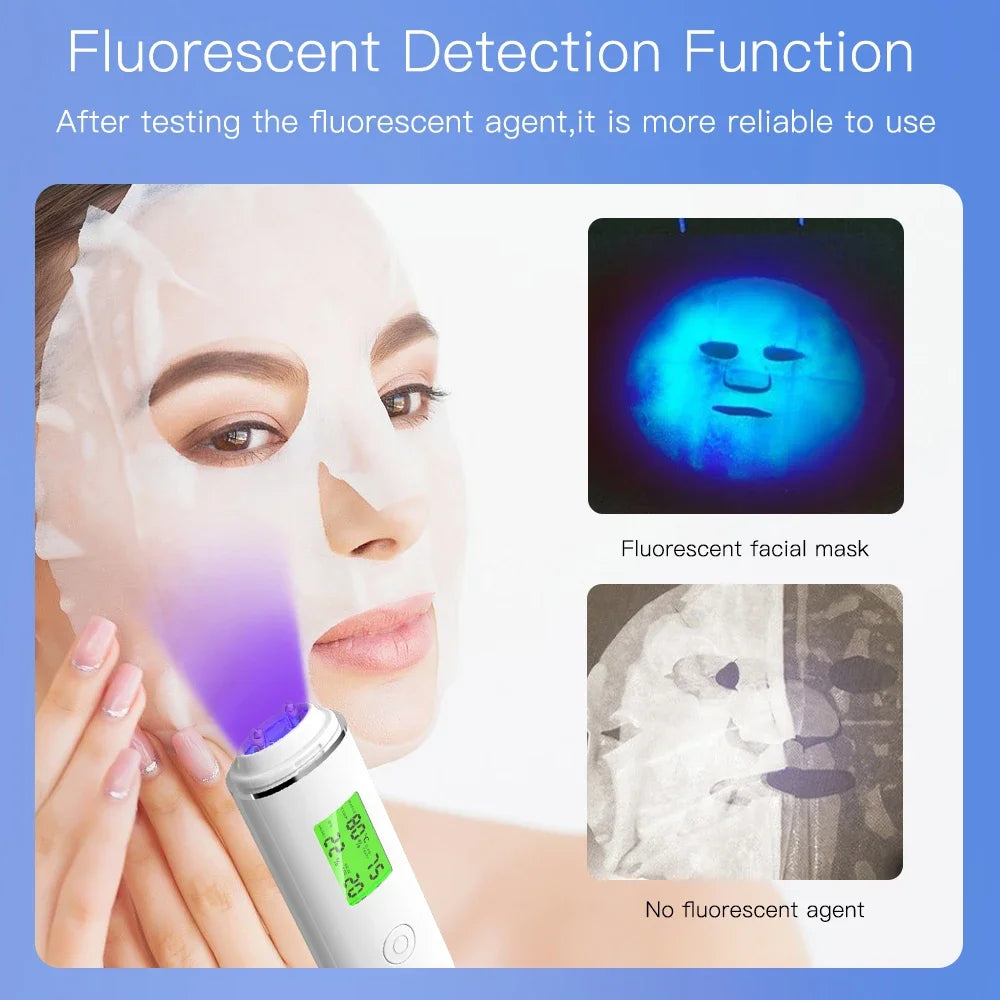
💡 Digital moisture detection gun with clear screen & dual-function sensors
Start Tracking Your Skin Hydration Today
A reliable skin moisture meter removes the guesswork from skincare. Instead of relying on how your skin feels, you can measure hydration levels and adjust products accordingly.
Whether you choose a simple face moisture meter or a more advanced skin moisture analyzer, consistent tracking helps improve skin barrier health and optimize your routine.
Final Thoughts + Best Buy Pick
Not all skin moisture meters are created equal. Lower-cost devices may provide rough estimates, but sensors based on bioelectrical impedance or capacitance usually deliver more reliable results.
If you want consistent hydration tracking and oil detection in a compact device, the KentDO Skin Analyzer remains one of the best-balanced options for everyday skincare monitoring.
For more hydration tips and beauty tech insights, explore our Skin and Beauty Care Devices or head to the Beauty & Self-Care Blog.
Skin Moisture Meter FAQ
- How accurate are skin moisture meters?
Most high-quality devices using bioelectrical impedance or capacitance sensors provide hydration estimates within a small margin of error when used consistently. - What is a normal skin hydration percentage?
Healthy skin typically measures between 40% and 60% hydration depending on skin type and environmental conditions. - Do dermatologists use skin moisture meters?
Yes. Dermatology clinics commonly use professional corneometer devices to measure hydration levels during skin analysis. - Can a skin hydration meter detect oil levels?
Some devices, including multi-sensor analyzers, measure both hydration and surface oil to provide a more complete picture of skin condition.
Pillar Article: Top 7 Skin Analysis Devices Compared: Features, Accuracy & Value
Other Related Articles:
- Digital vs Analog Moisture Meters for Skin: Which Should You Trust?
- Skin Analyzer Devices Reviewed: Stop Guessing Your Skin Type
- What’s the Normal Range for Skin Moisture? Full Reader Comparison
- Is a Portable Skin Analyzer Machine Worth It? We Break It Down
Explore More: